• Research
  • Emissary
  • About
  • Experts
Carnegie Global logoCarnegie lettermark logo
DemocracyIran
  • Donate
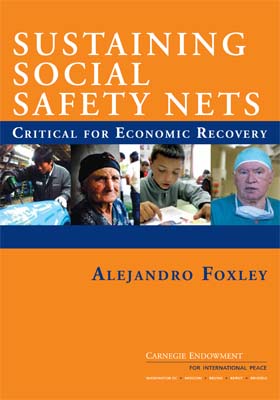
Sustaining Social Safety Nets: Critical for Economic Recovery
Report

Sustaining Social Safety Nets: Critical for Economic Recovery

As middle-income countries recovering from the global financial crisis face high unemployment and growing government deficits, existing social services will become stressed. Maintaining these safety nets is a vital part of recovery.

Link Copied
By Alejandro Foxley
Published on Mar 24, 2010

Additional Links

Full Text

The coverage and quality of basic social services—from unemployment insurance to health care and social security—will likely suffer as middle-income countries recover from the global financial crisis. Faced with high unemployment and growing government deficits, existing social services will become stressed. Yet maintaining these safety nets is a vital part of recovery without which significant segments of the middle class may slip into poverty, concludes a paper by Alejandro Foxley, former foreign and finance minister of Chile.

Foxley analyzes the provision of social services in Eastern Europe, East Asia, and Latin America and makes recommendations for how safety nets need to be restructured to protect vulnerable groups.

Lessons for policy makers

  • Don’t copy other models: It is more efficient to strengthen social services within the country’s existing institutional framework. If the system is largely public, governments need to tackle the problems of inadequate funding and low-quality services. If the system is mainly private, the challenge is to reduce costs through more competition.

  • Macroeconomics matter: Good economic policies allow countries to continue providing social services even during downturns. Significant deficits in Eastern Europe have forced governments to reduce social spending, while current account and budget surpluses in Latin America have allowed countries to maintain social support. 

  • Equality supports strong democracies: More equality will strengthen democracies, but reducing economic insecurity by expanding social safety nets is not sufficient. Countries need to enhance the skills of their workforces to lessen income gaps that widen during economic booms.

“The aftermath of the current global financial crisis will make it obvious that an active role for the state is unavoidable to cover the most vulnerable groups of the population and to mend existing social safety nets in terms of cost and accessibility,” writes Foxley.
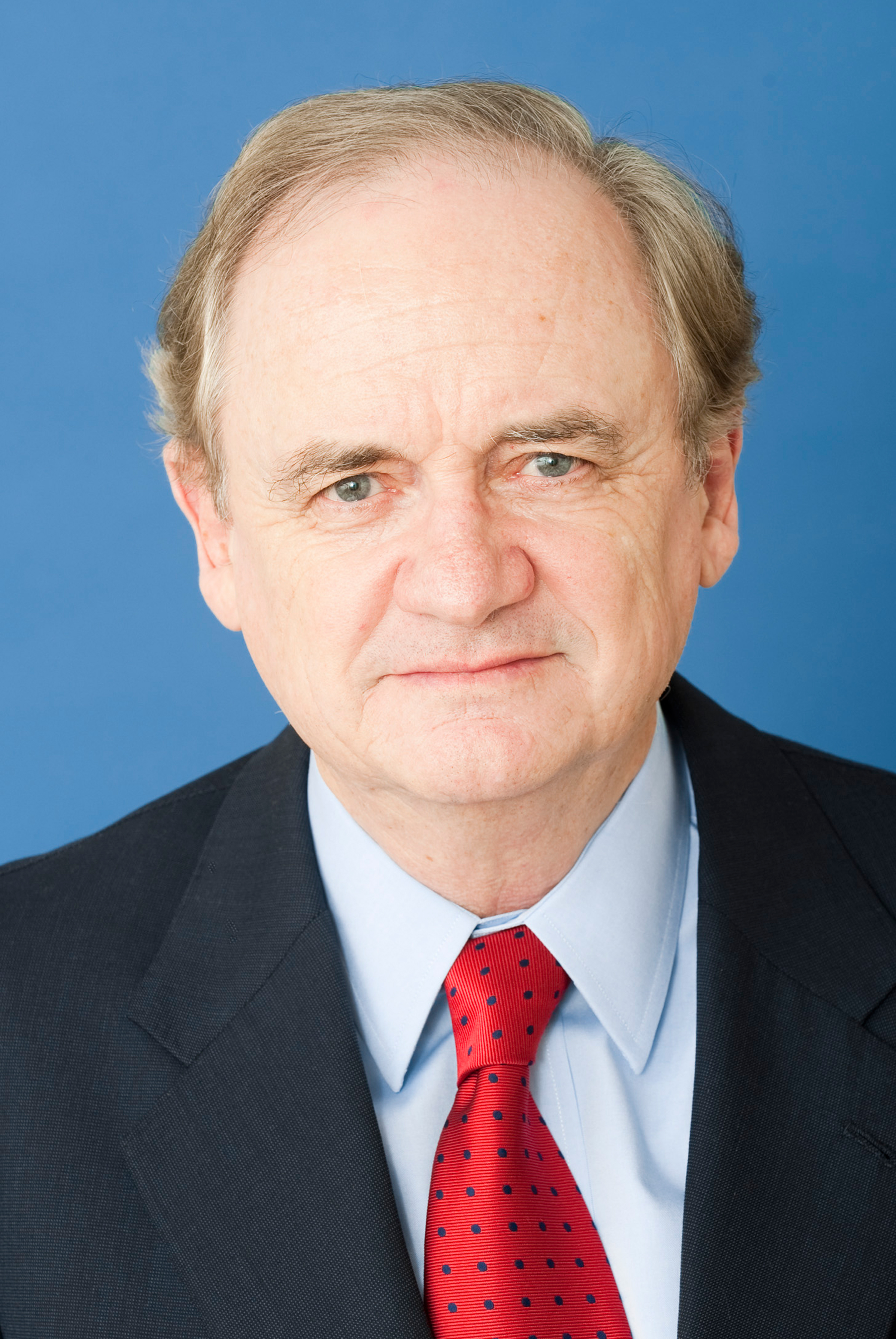
 

About the Author

Alejandro Foxley

Former Senior Associate, International Economics Program

Foxley was previously minister of foreign affairs, senator, and minister of finance of the Republic of Chile. While minister of finance he concurrently served as a governor of the Inter-American Development Bank and the World Bank.

    Recent Work

  • Paper
    Making the Transition: From Middle-Income to Advanced Economies

      Alejandro Foxley, Fernando Sossdorf

  • Other
    Impact of The Global Financial Crisis: Predictions Gone Wrong

      Alejandro Foxley

Alejandro Foxley
Former Senior Associate, International Economics Program
Alejandro Foxley
North AmericaSouth AmericaEast AsiaEastern EuropeEconomy

Carnegie does not take institutional positions on public policy issues; the views represented herein are those of the author(s) and do not necessarily reflect the views of Carnegie, its staff, or its trustees.
More Work from Carnegie Endowment for International Peace

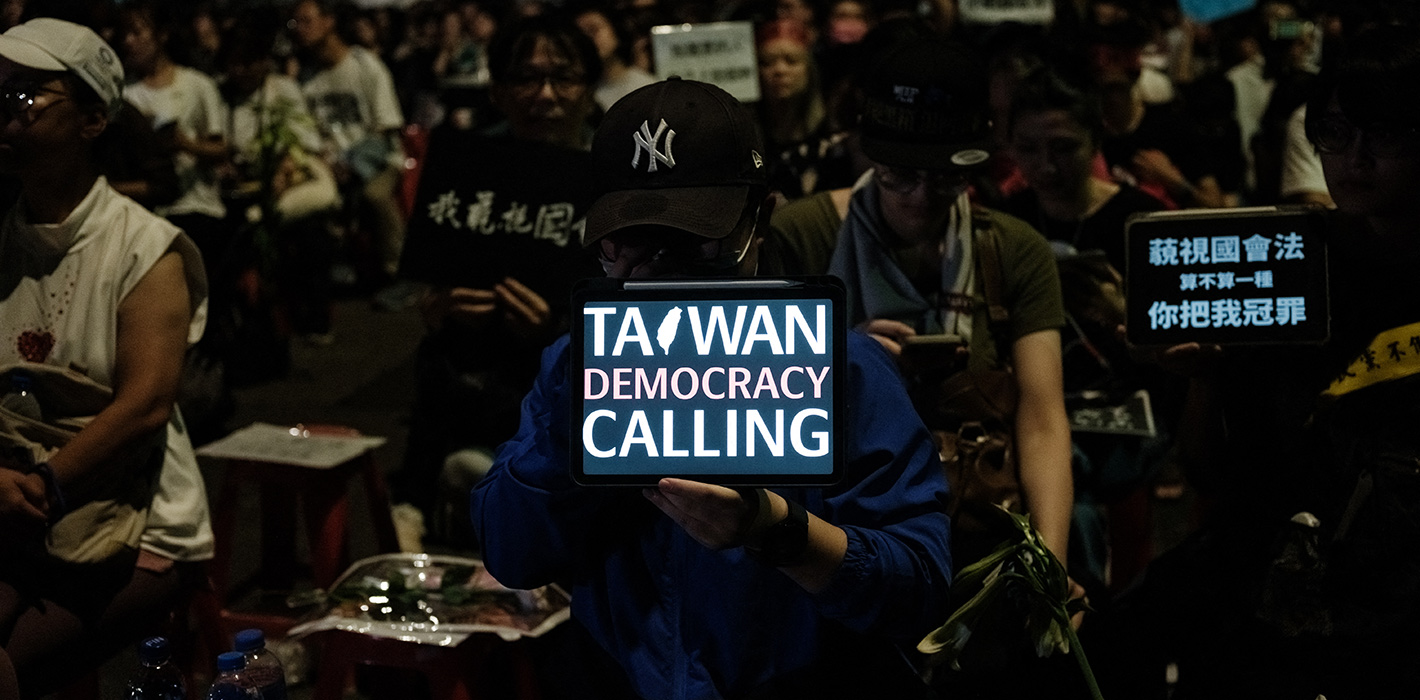
  • A demonstrator holds a tablet displaying a message as they occupy a road in protest against plans by the main opposition Kuomintang (KMT) and the Taiwan People's Party (TPP) to expand the parliamentary powers during the vote for the Parliament reform bill, outside the Parliament in Taipei on May 24, 2024. T
    Article
    Digital Hegemony and the Reification of Taiwan’s “Unification-Independence” Dichotomy

    Governments now deploy online platforms to shape public opinion and influence collective cognition. This is acutely apparent between China and Taiwan.

      Frank Cheng-Shan Liu
  • Article
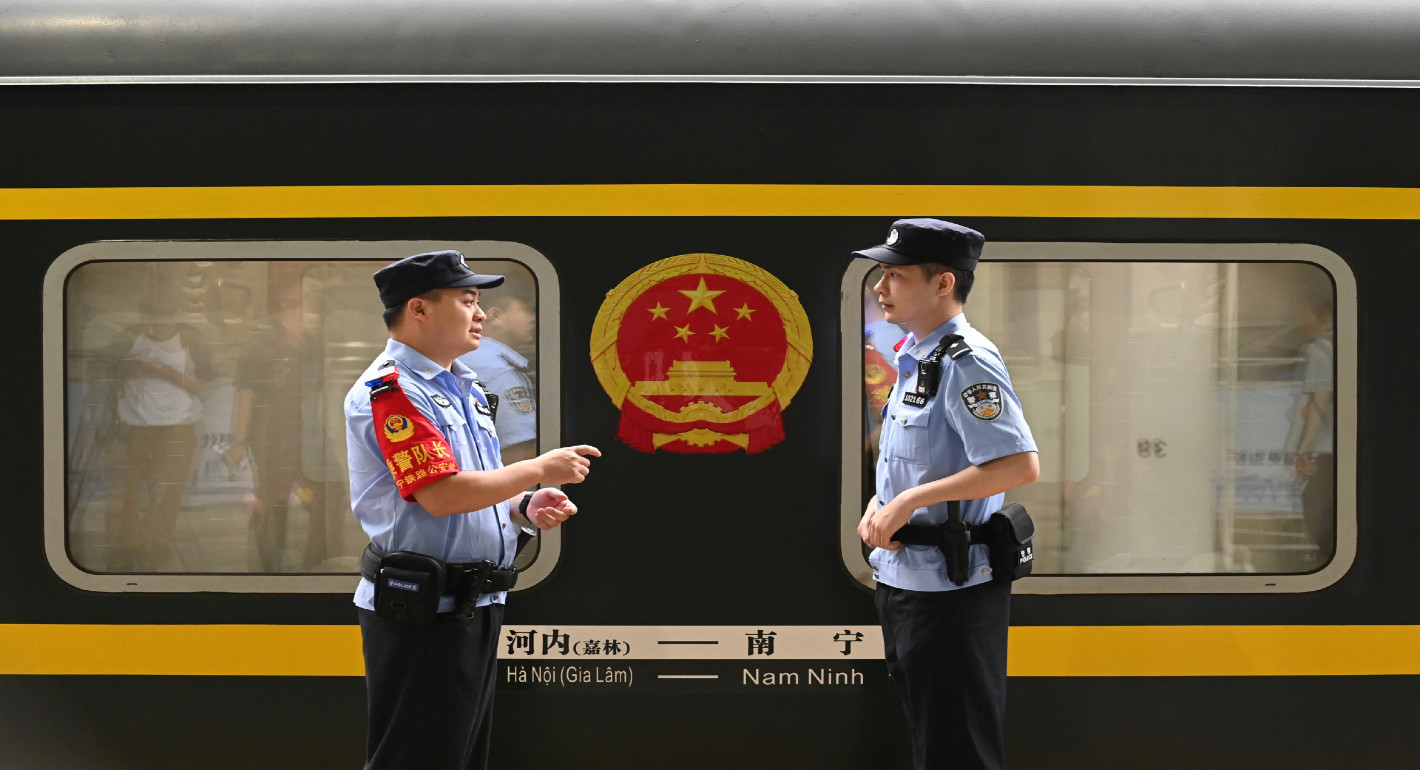
    Leveraging Internal Security Cooperation with Vietnam Offers a Glimpse of Future Chinese Diplomacy with Southeast Asia

    Despite long-standing differences, China and Vietnam are reinforcing common ground for collaboration, especially in public security. This internal security–centered diplomacy offers a strengthened road map for how China moves forward with Southeast Asia.

      Sophie Zhuang
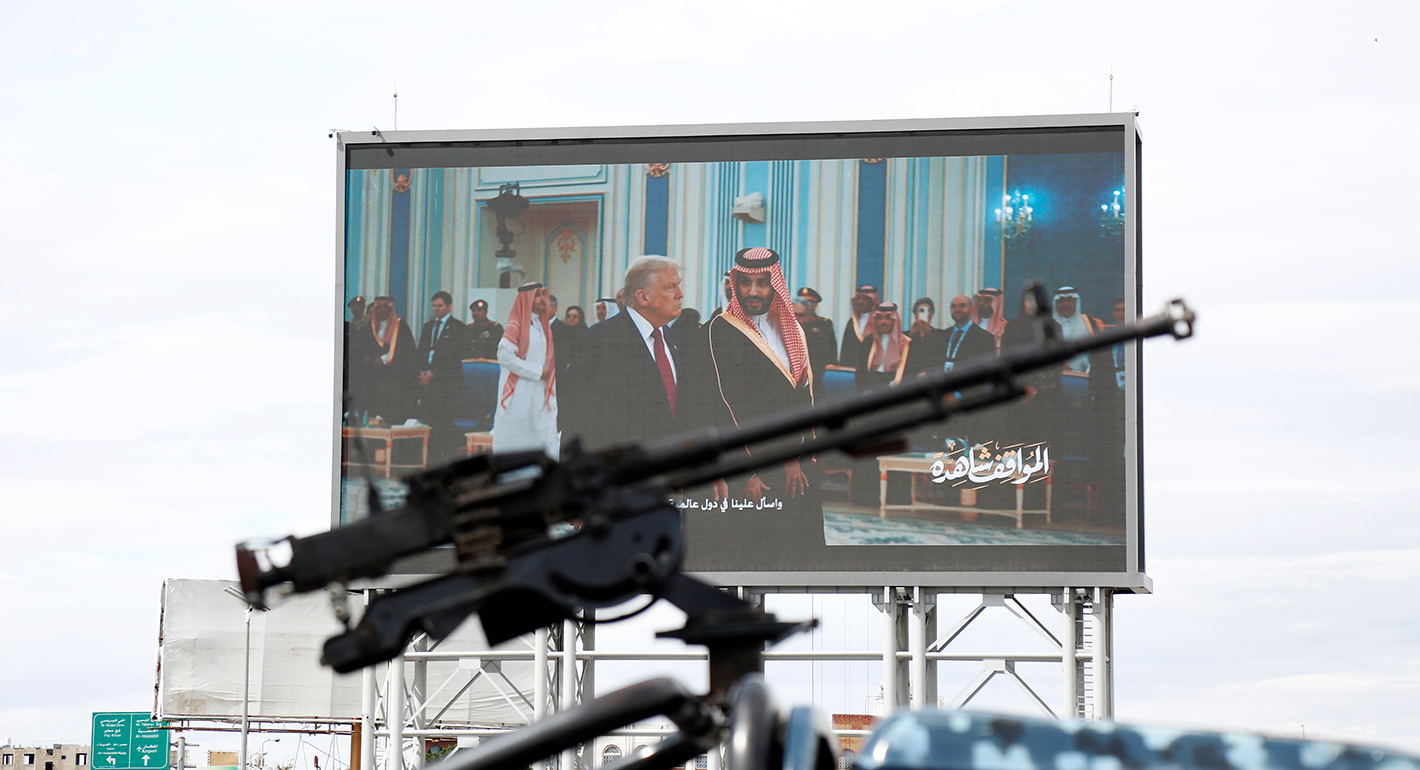
  •  A machine gun of a Houthi soldier mounted on a police vehicle next to a billboard depicting the U.S. president Donald Trump and Mohammed Bin Salman, the Crown Prince and Prime Minister of Saudi Arabia, during a protest staged to show support to Iran against the U.S.-Israel war on March 27, 2026 in Sana'a, Yemen.
    Collection
    The Iran War’s Global Reach

    As the war between the United States, Israel, and Iran continues, Carnegie scholars contribute cutting-edge analysis on the events of the war and their wide-reaching implications. From the impact on Iran and its immediate neighbors to the responses from Gulf states to fuel and fertilizer shortages caused by the effective shutdown of the Strait of Hormuz, the war is reshaping Middle East alliances and creating shockwaves around the world. Carnegie experts analyze it all.

  • Commentary
    China’s Energy Security Doesn’t Run Through Hormuz but Through the Electrification of Everything

    Across Asia, China is better positioned to withstand energy shocks from the fallout of the Iran war. Its abundant coal capacity can ensure stability in the near term. Yet at the same time, the country’s energy transition away from coal will make it even less vulnerable during the next shock.


      • Damien Ma

      Damien Ma

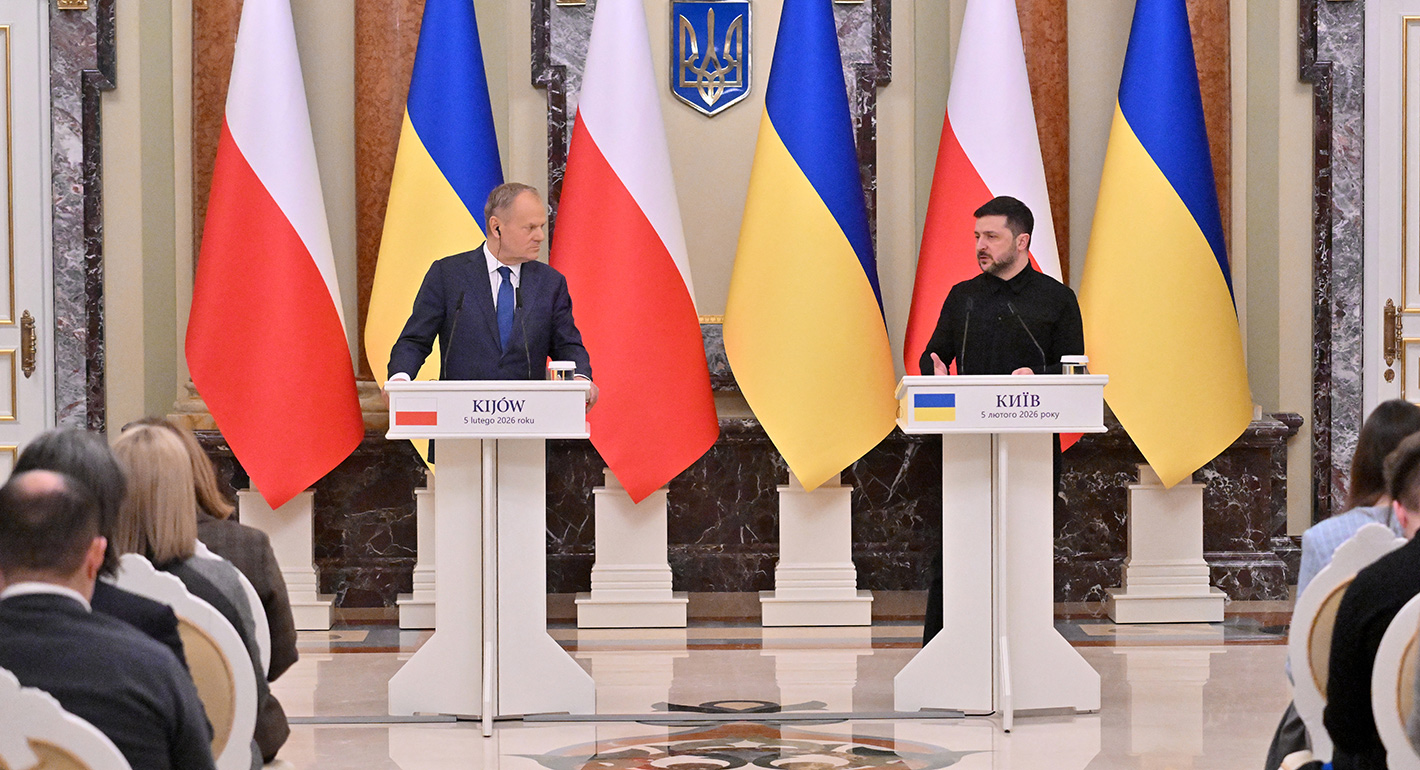
  • Ukraine's President Volodymyr Zelensky (R) and Poland's Prime Minister Donald Tusk attend a press conference at the Mariinskyi Palace in Kyiv on February 5, 2026, amid the Russian invasion of Ukraine.
    Article
    Kindred Nations, Uneasy Neighbors: Polish-Ukrainian Relations in the Crucible of Russia’s War

    The full-scale invasion cemented Ukraine’s determination to sever its ties with Russia; reimagining the Poland-Ukraine partnership can accelerate Kyiv’s westward alignment and improve the security of both countries.
      Eric Green
Get more news and analysis from
Carnegie Endowment for International Peace
Carnegie global logo, stacked
1779 Massachusetts Avenue NWWashington, DC, 20036-2103Phone: 202 483 7600Fax: 202 483 1840
  • Research
  • Emissary
  • About
  • Experts
  • Donate
  • Programs
  • Events
  • Blogs
  • Podcasts
  • Contact
  • Annual Reports
  • Careers
  • Privacy
  • For Media
  • Government Resources
Get more news and analysis from
Carnegie Endowment for International Peace
© 2026 Carnegie Endowment for International Peace. All rights reserved.