

Article
Sarah Yerkes, Amr Hamzawy

Source: Getty
The lengthy list of violations observed in the recent Egyptian parliamentary elections limits the integrity, transparency, and competitiveness of the elections and undermines the promises of the ruling establishment to hold free and pluralistic elections.
The first round of parliamentary elections in Egypt has left behind a political scene that is simultaneously frustrating and puzzling. The frustration is readily apparent—domestic observers and some local and international media correspondents have documented numerous violations that marred the elections. Most notably, security forces staged an organized intervention on behalf of the ruling National Democratic Party (NDP)’s candidates, hindered some judges overseeing the elections from doing their job, and blocked many observers from either entering the polling stations or remaining long enough to evaluate the election process. Vote-buying was widespread, and acts of violence at polling places resulted in some loss of life and damage to public property.
This dishearteningly lengthy list of violations greatly limits the integrity, transparency, and competitiveness of the first round of elections. Regardless of the outcome of the December 5 run-off elections, these irregularities strip the credibility of the ruling establishment’s promise to hold free and pluralistic elections of which Egypt would be proud—and which would have been a huge step forward on the path of democratization.
Based on the results of the first round of voting and a map of the races predicted for the run-off election, it is clear that Egyptian citizens will have an NDP-controlled People’s Assembly for the next five years. The NDP won over 90 percent of the seats, with opposition and independent candidates’ share declining from 24 percent in the 2005–2010 parliament to less than 10 percent today.
Despite its relatively strong numbers in the last parliament, the opposition was still unable to stop the NDP from pushing through its constitutional amendments and legislative agenda, and was ineffective in its watchdog role and repeated attempts to hold the executive branch accountable. One would assume, then, that the ruling party’s absolute monopoly of the legislative process will mean the opposition—with very little representation in parliament—will enjoy an even more flimsy oversight role in the next five years.
The 2010 parliamentary elections—by almost completely unifying the legislative and executive branches—will only further aggravate the existing problems in Egyptian politics. The People’s Assembly will have a ruling party controlling 90 percent of the seats and a stunted opposition with only a handful of non-influential deputies, while the Muslim Brotherhood—whose deputies over the past five years comprised the most organized faction and the most effective watchdog within the opposition—is completely absent.
This inevitably calls into question how much such a legislature represents voters’ actual preferences and political choices. It will lack the legitimacy of popular approval, which comes only from fair and transparent elections. A parliament like the newly elected assembly only deepens the negative repercussions of one of the most serious structural imbalances in Egyptian politics, namely the weakness of the legislative branch and the continual decline of its oversight role. Oversight has been whittled down to merely a mechanism to rubber-stamp constitutional amendments, bills, and budgets submitted by the executive branch.
At a time when Egyptian society is witnessing heightened sectarian tensions between Muslim and Christian citizens, and the security, religious freedoms, civil liberties, and political rights of Christians is being challenged around the Middle East, the new People’s Assembly in Egypt will under-represent Copts. Of its nearly 800 candidates, the NDP only had ten Copts, while the liberal Wafd Party nominated five Copts and the leftist Tagammu three Copts, in addition to a handful of independent Coptic candidates. Even making the unrealistically optimistic assumption that all of the Coptic candidates win in the run-off election, Copts will still represent less than 4 percent of the People’s Assembly, meaning they are underrepresented relative to their numbers—most unofficial estimates place Copts at 10 percent of the population—and influential role in Egyptian society.
The ruling establishment and the bulk of the opposition remain either silent on the catastrophically low Coptic representation or argue it is justified by social circumstances. The public debate over this problem has been restricted, where government and opposition leaders refuse to even discuss strategies like a “Coptic quota” or other affirmative action measures. They claim that equal citizenship rights for both Muslims and Copts are provided for in the law and guaranteed by the authorities, despite the grave shortcomings that have come to undermine these rights in the case of Copts.
In one of the few positive notes from the 2010 elections, unrelated to the struggle between the government and the opposition, the new People’s Assembly will see an unprecedented jump in women’s representation after a government initiative allocated 64 seats for a women’s quota, thus ending the era in which women had largely appointed, not elected, deputies.
In evaluating the outcome of the election and what it means for Egypt’s political scene, it is difficult to assume the ruling NDP and its various executive branch bodies manipulated the electoral process with the sole purpose of attaining total control over parliament. There is no doubt the NDP was looking to keep its comfortable, greater than two-thirds majority in the People’s Assembly, continue to consolidate its position as the dominant party, diminish the role of the Muslim Brotherhood in parliament with a series of repressive actions, and limit political competition.
But in approaching the elections, the ruling party also wanted to achieve a complementary set of political objectives, most prominently:
The results reveal clear gaps between this set of NDP objectives and the actual outcome:
What prevented the NDP from carrying out its objectives? Is election abuse so run-of-the-mill in Egypt? Or is it the extreme weakness of the registered opposition parties, which the NDP would have liked to see win more seats? Is it that voter turnout was so low—no more than 20 percent, according to local observers and NGOs? Or is it the structural contradiction between the desire to dominate policy making and allow a degree of limited pluralism?
Whatever the case may be, the mismatch between the post-election scene and the NDP’s objectives remains puzzling. Likewise, frustration remains because the parliamentary elections—both in the way they were run and in their results—were too far removed from fairness, competitiveness, and the essence of democracy to generate a legislature that can effectively monitor the executive branch. Consequently, the newly elected People’s Assembly is bound to lack genuine popular legitimacy.

Director, Middle East Program
Amr Hamzawy is a senior fellow and the director of the Carnegie Middle East Program. His research and writings focus on governance in the Middle East and North Africa, social vulnerability, and the different roles of governments and civil societies in the region.
Recent Work
Sarah Yerkes, Amr Hamzawy
Amr Hamzawy
Carnegie does not take institutional positions on public policy issues; the views represented herein are those of the author(s) and do not necessarily reflect the views of Carnegie, its staff, or its trustees.
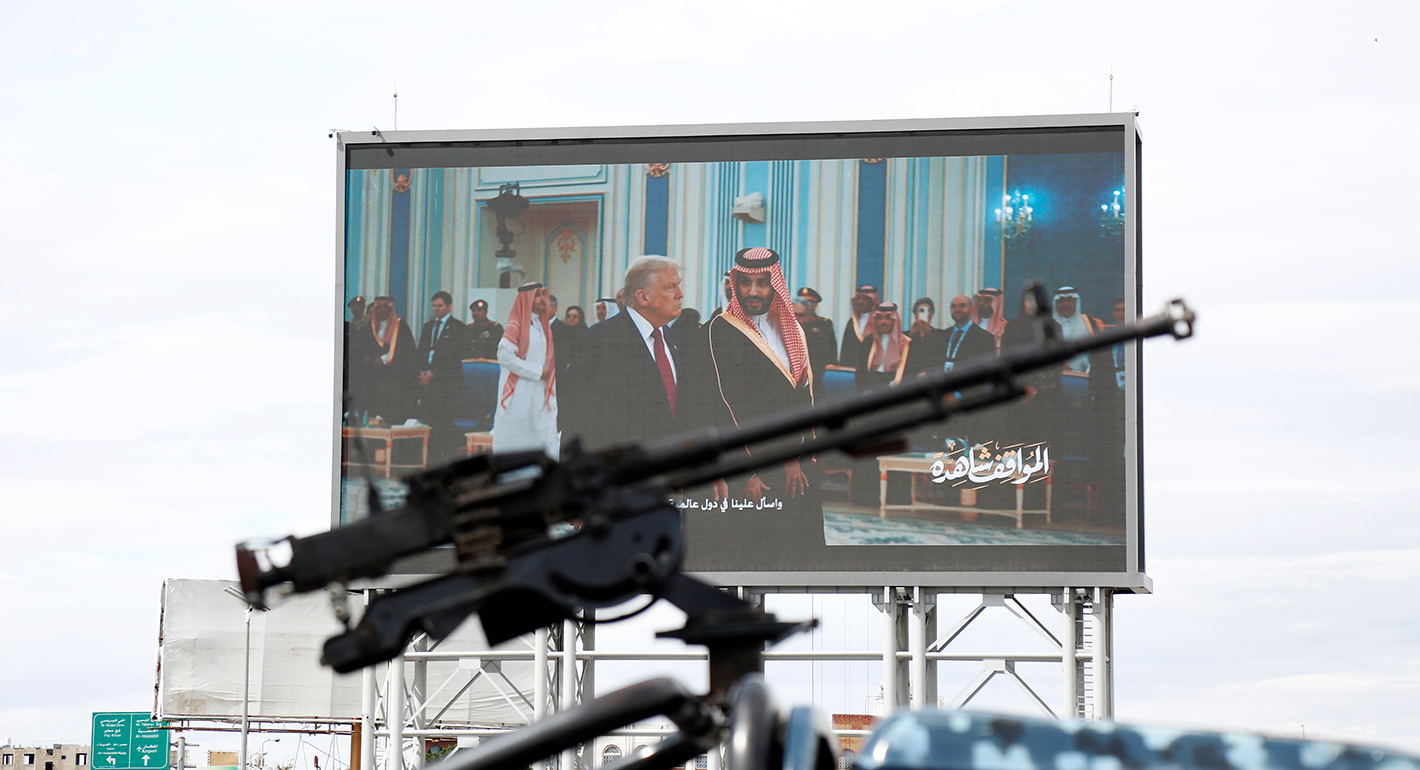
The return of war as the organizing factor in Middle Eastern politics has predictable consequences: governments are prioritizing regime stability and becoming averse to political and social reform.
Sarah Yerkes, Amr Hamzawy
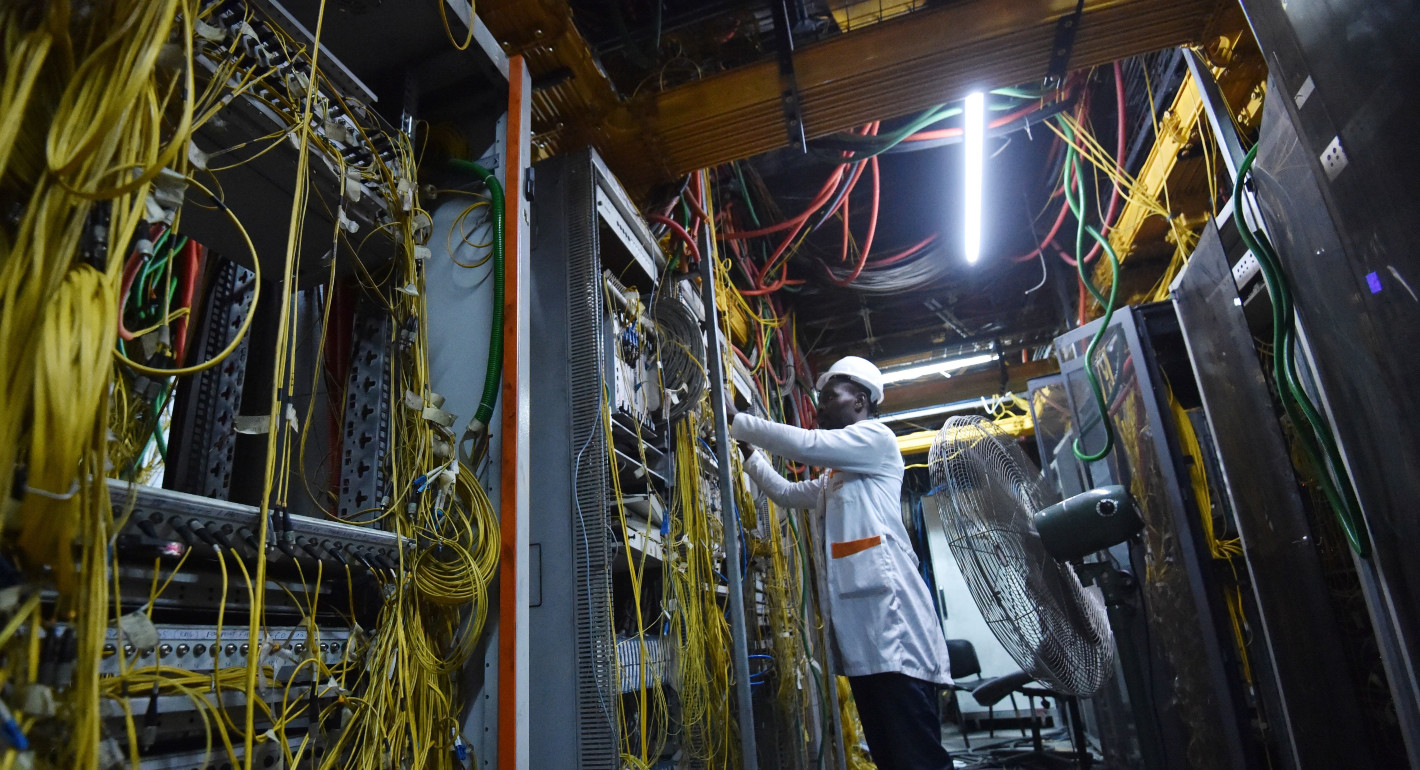
The Africa Technology Policy Tracker reveals policymakers’ priorities for the continent’s digital transformation.
Jane Munga
The incoming government has swept Nepal’s election. The real work begins now.

Amish Raj Mulmi

In key sectors such as critical minerals, specialty agriculture, and fintech, Africa can become a global powerhouse by investing more in manufacturing, value-add, and scaling.
Kholofelo Kugler, Georgia Schaefer-Brown
U.S. agreements must contend with national data protection laws to make durable foreign policy instruments.
Jane Munga, Rose Mosero