• Research
  • Emissary
  • About
  • Experts
Carnegie Global logoCarnegie lettermark logo
DemocracyIran
  • Donate
{
  "authors": [
    "Christopher Boucek"
  ],
  "type": "legacyinthemedia",
  "centerAffiliationAll": "dc",
  "centers": [
    "Carnegie Endowment for International Peace",
    "Carnegie Europe",
    "Malcolm H. Kerr Carnegie Middle East Center"
  ],
  "collections": [
    "Arab Awakening"
  ],
  "englishNewsletterAll": "menaTransitions",
  "nonEnglishNewsletterAll": "",
  "primaryCenter": "Carnegie Endowment for International Peace",
  "programAffiliation": "MEP",
  "programs": [
    "Middle East"
  ],
  "projects": [],
  "regions": [
    "Middle East",
    "Saudi Arabia",
    "Gulf"
  ],
  "topics": [
    "Political Reform"
  ]
}
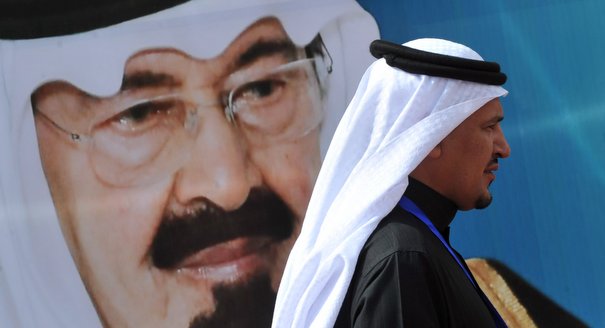
Source: Getty

In The Media

No Tipping Point Yet

While the Arab world continues to see massive upheaval, the Saudi royal family has relied on a new social welfare package, religious persuasion, and not-so-subtle threats of coercion to neutralize opposition and mute demonstrations.

Link Copied
By Christopher Boucek
Published on Mar 14, 2011
Program mobile hero image

Program

Middle East

The Middle East Program in Washington combines in-depth regional knowledge with incisive comparative analysis to provide deeply informed recommendations. With expertise in the Gulf, North Africa, Iran, and Israel/Palestine, we examine crosscutting themes of political, economic, and social change in both English and Arabic.

Learn More

Source: New York Times

No Tipping Point YetSaudi Arabia withstood last week’s “day of rage” relatively easily — the situation remained calm despite some early violence and arrests in the Eastern Province and major protests never materialized. This was just as expected. Despite the regional upheaval and the idea of revolution gripping hearts and minds across the Middle East and North Africa, Saudi Arabia is unlikely to go through a fundamental change. The government is secure and is better prepared to manage the crisis than its neighbors.

Even though massive demonstrations haven’t roiled Saudi Arabia, activists have been inspired by protesters around the region and are calling for political and social reforms. They want improved civil liberties, less corruption, better financial transparency, and limits on the monarchy’s power. But protesters are not openly calling for the royal family to be overthrown — they are just looking for more responsive government.
 
The royal family has relied on a new social welfare package, religious persuasion, and not-so-subtle threats of coercion to neutralize opposition and defuse popular unrest. King Abdullah announced a new $36 billion package in February that will provide unemployment assistance, offer more affordable housing for families, and make pay raises for state employees permanent. While this amount was undoubtedly increased with the protests in Tunisia and Egypt in mind, it is still a manageable amount for the government as it only accounts for a little over 8 percent of the country’s foreign currency reserves.
 
By mobilizing the official clerical establishment, the government is using religious justifications to mute calls for demonstrations. Leading imams and the country’s highest religious body are denouncing protests as un-Islamic. The amount of influence such efforts have is unclear, but they are typical tools for social control in Saudi Arabia. Beyond this, demonstrations are strictly forbidden in the kingdom and the government isn’t wasting any opportunity to reemphasize the illegality.
 
The government will likely announce a cabinet reshuffle soon, which will present an opportunity to introduce some new blood into an aging government. The Saudi government will have to introduce political reforms, but change will not come quickly to the kingdom. For Riyadh the challenge will be to manage the process of introducing changes without exacerbating societal tensions. While economic improvements may temporarily hold off calls for political reform, they cannot replace them indefinitely.

About the Author

Christopher Boucek

Former Associate, Middle East Program

Boucek was an associate in the Carnegie Middle East Program where his research focused on security challenges in the Arabian Peninsula and Northern Africa.

    Recent Work

  • Q&A
    Yemen After Saleh’s Return and Awlaki’s Exit

      Christopher Boucek

  • Q&A
    Rivals—Iran vs. Saudi Arabia

      Christopher Boucek, Karim Sadjadpour

Christopher Boucek
Former Associate, Middle East Program
Christopher Boucek
Political ReformMiddle EastSaudi ArabiaGulf

Carnegie does not take institutional positions on public policy issues; the views represented herein are those of the author(s) and do not necessarily reflect the views of Carnegie, its staff, or its trustees.
More Work from Carnegie Endowment for International Peace

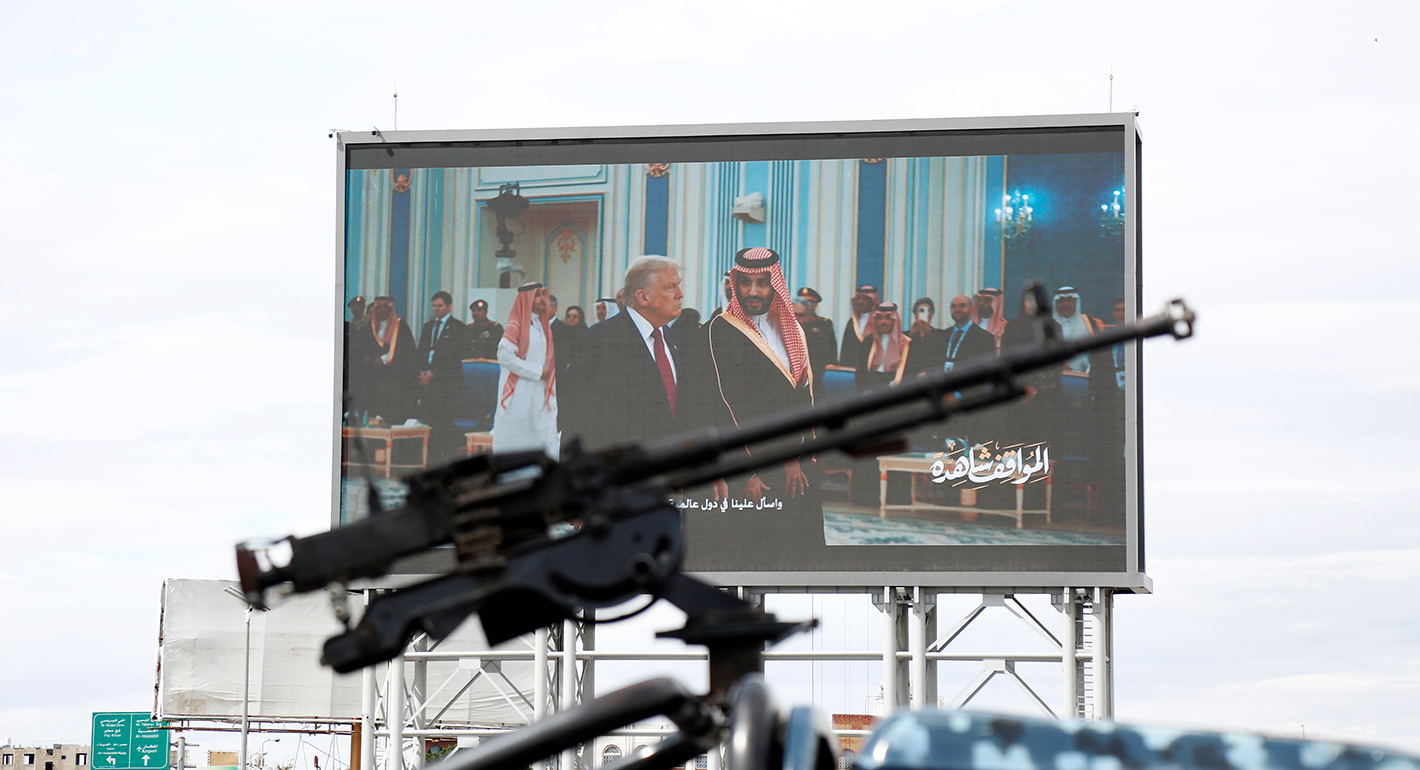
  •  A machine gun of a Houthi soldier mounted on a police vehicle next to a billboard depicting the U.S. president Donald Trump and Mohammed Bin Salman, the Crown Prince and Prime Minister of Saudi Arabia, during a protest staged to show support to Iran against the U.S.-Israel war on March 27, 2026 in Sana'a, Yemen.
    Collection
    The Iran War’s Global Reach

    As the war between the United States, Israel, and Iran continues, Carnegie scholars contribute cutting-edge analysis on the events of the war and their wide-reaching implications. From the impact on Iran and its immediate neighbors to the responses from Gulf states to fuel and fertilizer shortages caused by the effective shutdown of the Strait of Hormuz, the war is reshaping Middle East alliances and creating shockwaves around the world. Carnegie experts analyze it all.

  •  A machine gun of a Houthi soldier mounted on a police vehicle next to a billboard depicting the U.S. president Donald Trump and Mohammed Bin Salman, the Crown Prince and Prime Minister of Saudi Arabia, during a protest staged to show support to Iran against the U.S.-Israel war on March 27, 2026 in Sana'a, Yemen.
    Article
    Amid Iran War, Gulf Countries Slow the Pace of Reforms

    The return of war as the organizing factor in Middle Eastern politics has predictable consequences: governments are prioritizing regime stability and becoming averse to political and social reform.
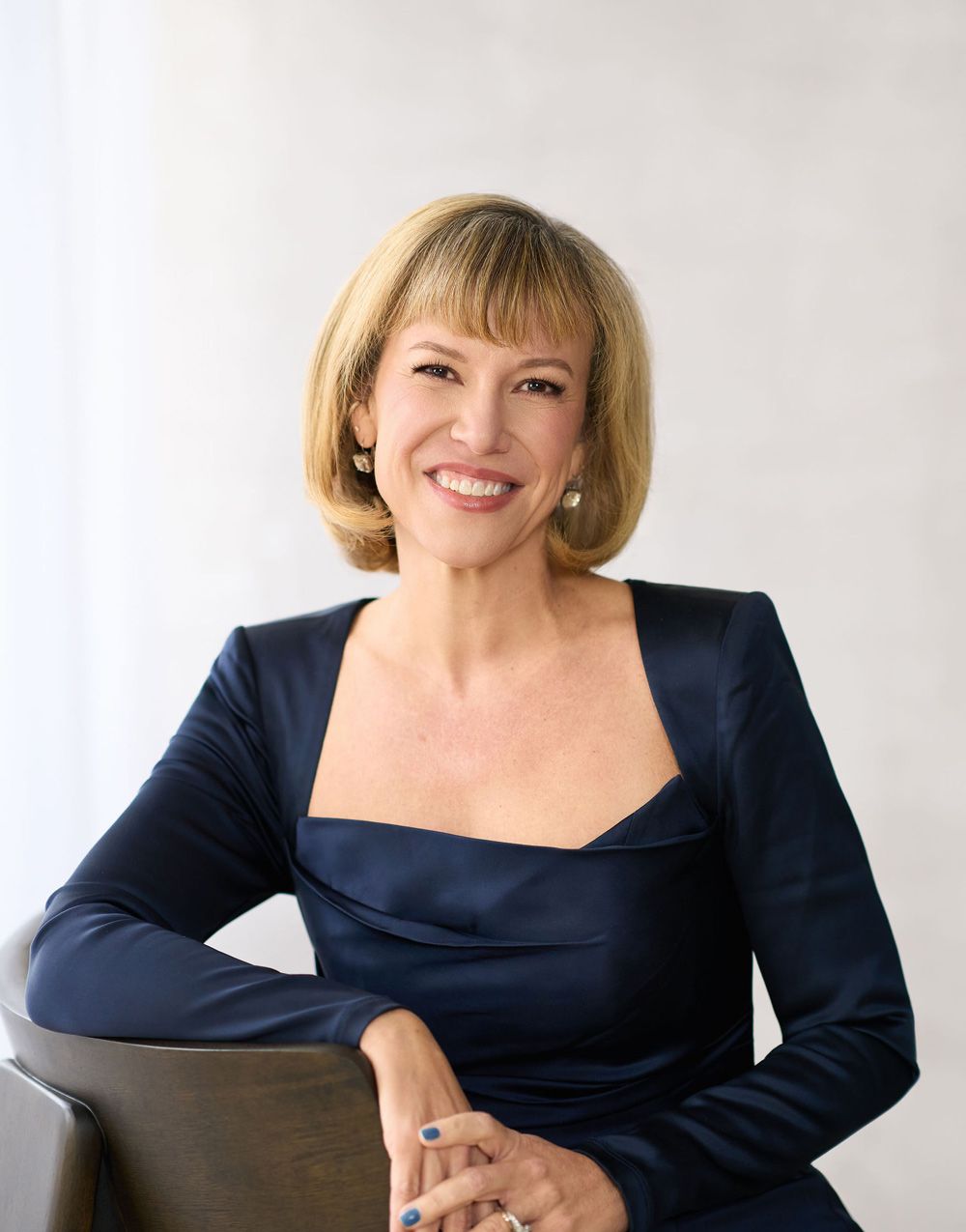

      • Sarah Yerkes

      Sarah Yerkes, Amr Hamzawy

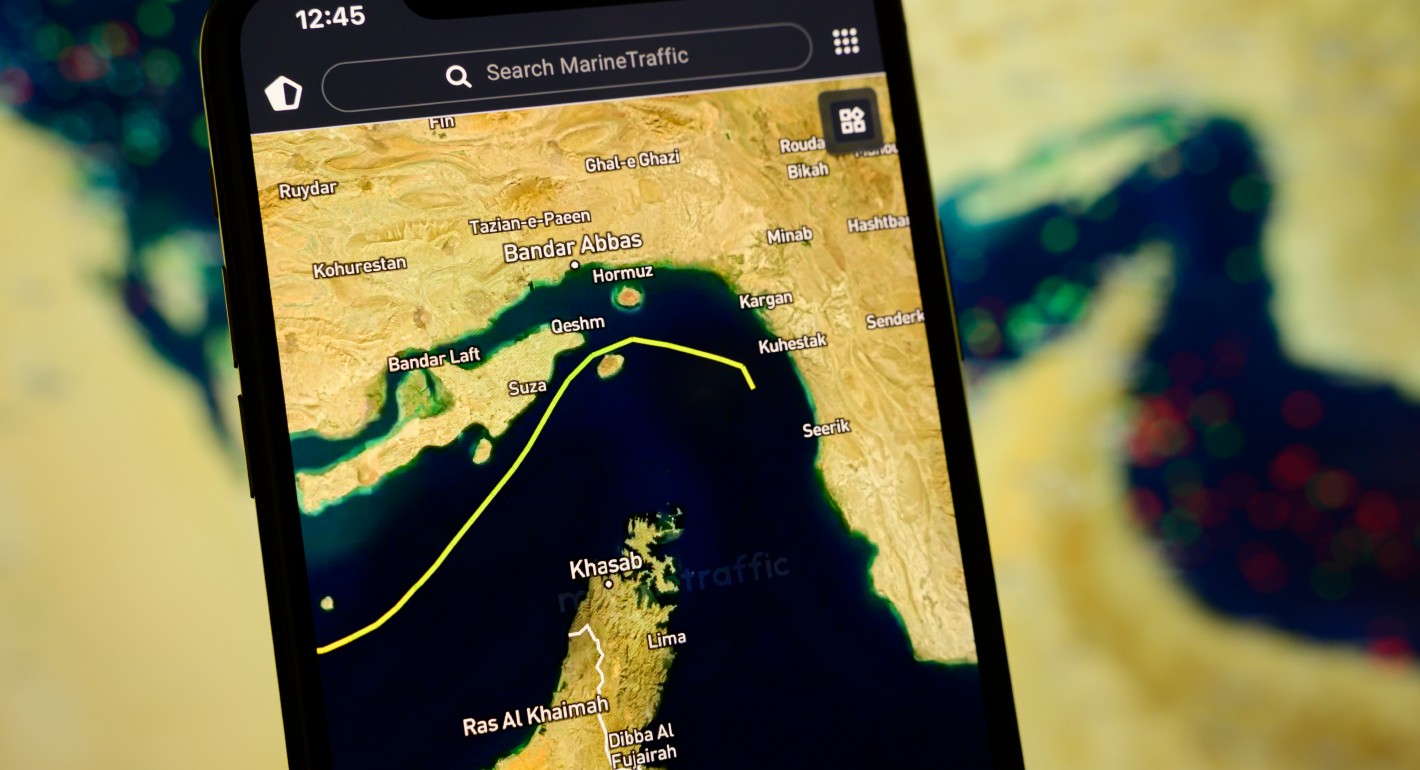
  • Map of Hormuz shipping traffic on a smartphone screen
    Commentary
    Emissary
    “It’s Not Like Turning a Switch On and Off”

    Why the Iran ceasefire isn’t a quick fix to the Strait of Hormuz energy crisis.
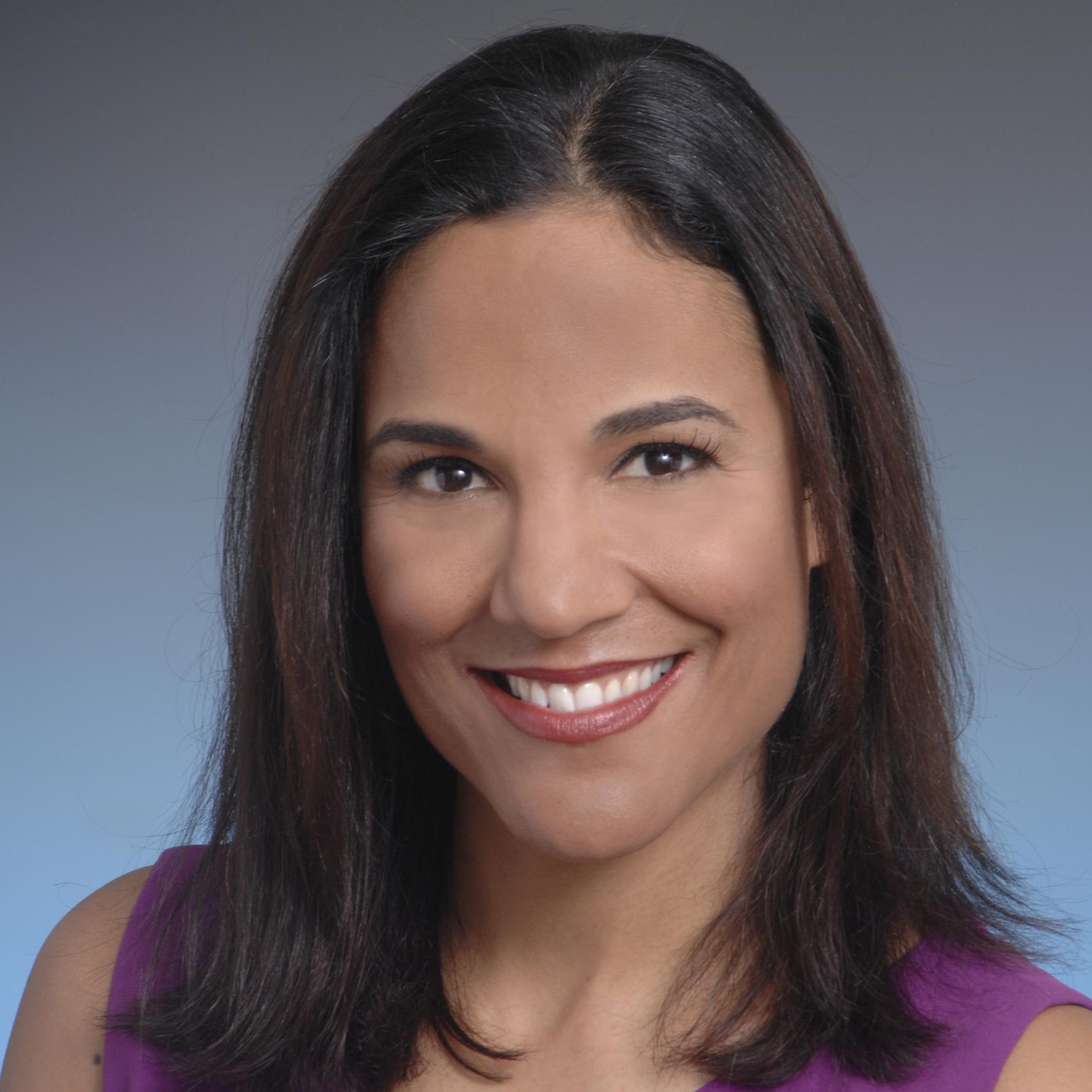
      Helima Croft, Aaron David Miller
  • Commentary
    Diwan
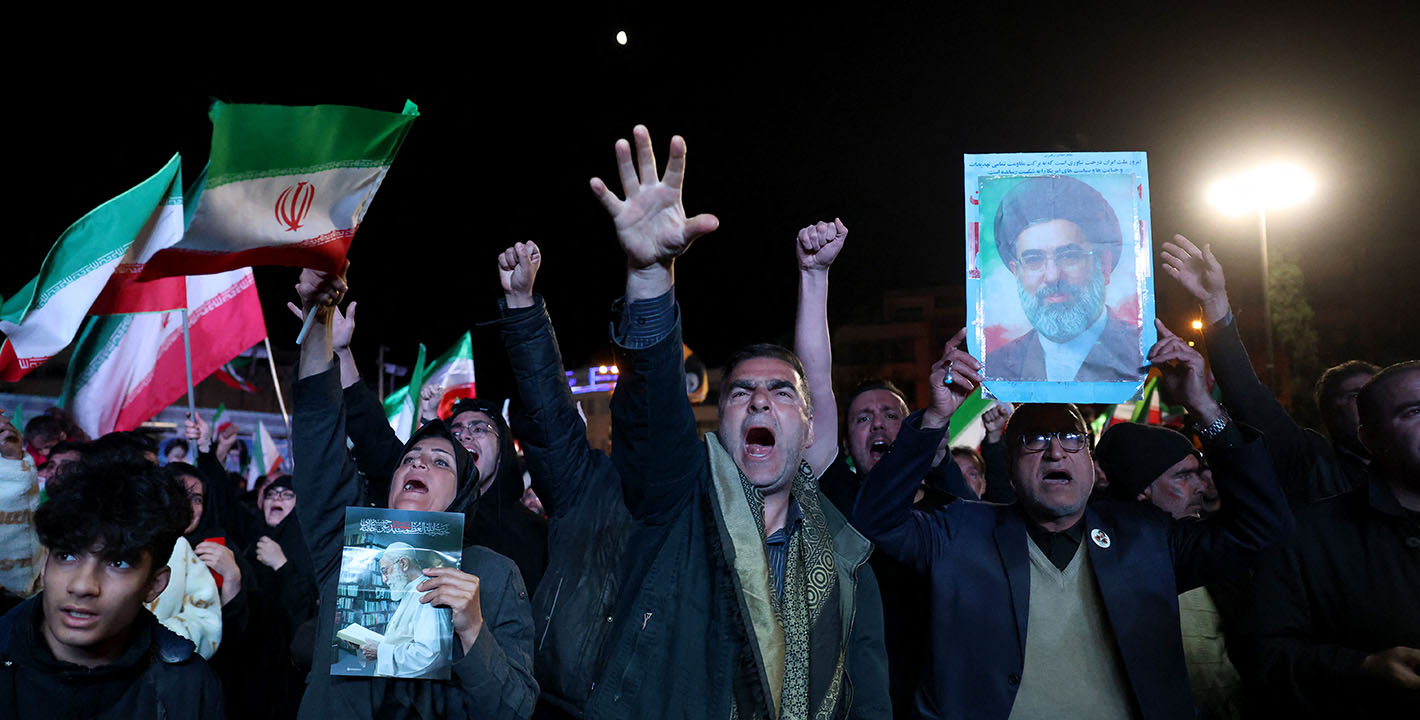
    The United States and Iran Have Agreed to a Two-Week Ceasefire

    Spot analysis from Carnegie scholars on events relating to the Middle East and North Africa.

      Michael Young
  • Commentary
    Emissary
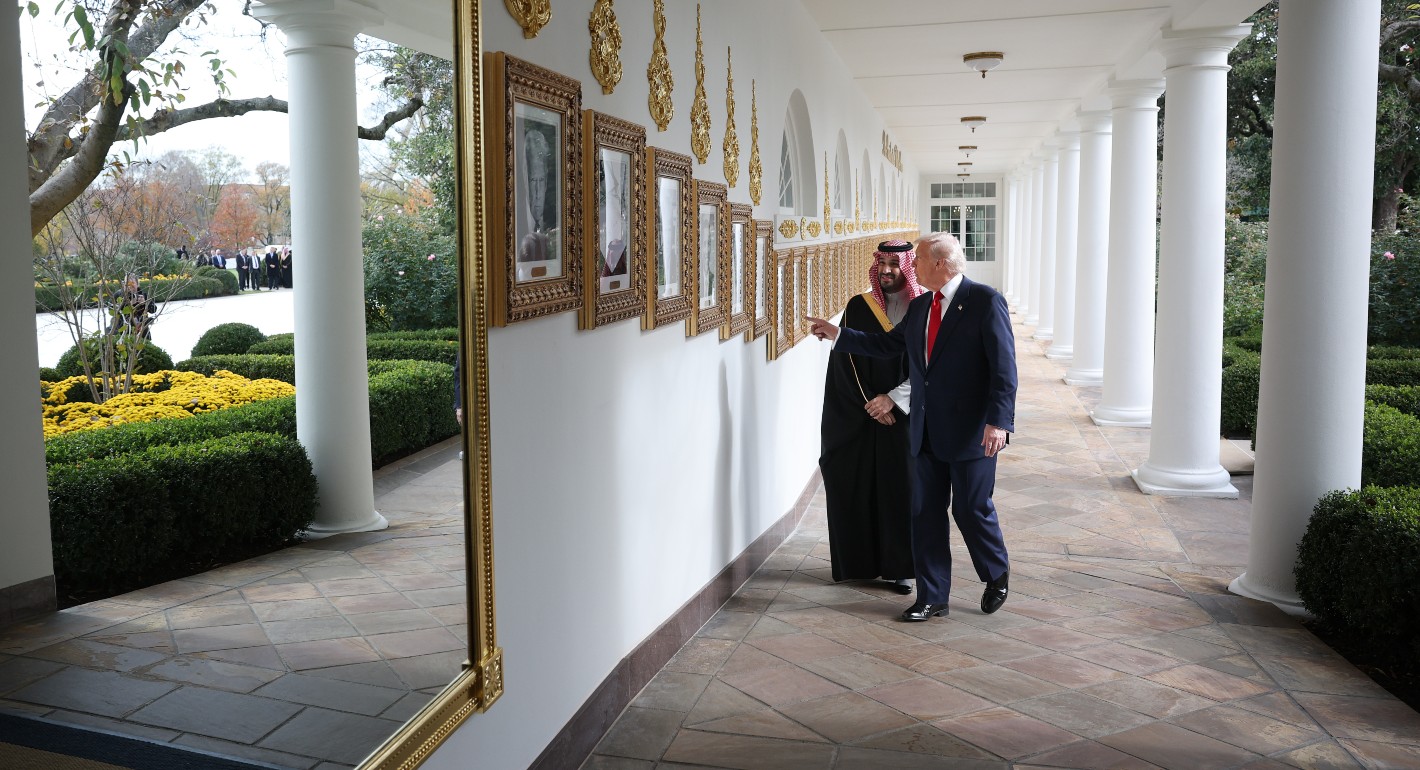
    The Iran War Is Uncovering the Weakness in U.S.-Gulf Ties

    Neither the Abraham Accords nor the presence of large U.S. bases are enough to protect Arab Gulf states.

      Marwan Muasher
Get more news and analysis from
Carnegie Endowment for International Peace
Carnegie global logo, stacked
1779 Massachusetts Avenue NWWashington, DC, 20036-2103Phone: 202 483 7600Fax: 202 483 1840
  • Research
  • Emissary
  • About
  • Experts
  • Donate
  • Programs
  • Events
  • Blogs
  • Podcasts
  • Contact
  • Annual Reports
  • Careers
  • Privacy
  • For Media
  • Government Resources
Get more news and analysis from
Carnegie Endowment for International Peace
© 2026 Carnegie Endowment for International Peace. All rights reserved.