

Other
- +18
James M. Acton, Saskia Brechenmacher, Cecily Brewer, …
{
  "authors": [
    "James M. Acton"
  ],
  "type": "legacyinthemedia",
  "centerAffiliationAll": "dc",
  "centers": [
    "Carnegie Endowment for International Peace"
  ],
  "collections": [],
  "englishNewsletterAll": "ctw",
  "nonEnglishNewsletterAll": "",
  "primaryCenter": "Carnegie Endowment for International Peace",
  "programAffiliation": "NPP",
  "programs": [
    "Nuclear Policy"
  ],
  "projects": [],
  "regions": [
    "East Asia",
    "Japan"
  ],
  "topics": [
    "Nuclear Policy",
    "Nuclear Energy"
  ]
}
Source: Getty
A reactor core may have been breached at one of Japan’s Daiichi reactors. For a nation still mobilizing to respond to a triple crisis – the earthquake, tsunami, and nuclear reactor crisis – this dangerous development is difficult to address.
Source: NBC
Two weeks after an earthquake and tsunami struck Japan, causing devastation and triggering a crisis at Japan’s Daiichi and Daini nuclear reactors in Fukushima, Japan is still struggling to cool its damaged nuclear reactors. Highly radioactive water was discovered in a turbine building, a building adjacent to the one containing the reactor. Such highly radioactive water suggests there is some risk of a breached reactor core, although there are other possible explanations that could account for the highly radioactive water.
In an interview on NBC’s Today Show, Carnegie’s James Acton puts the latest development in the Fukushima crisis in context of past nuclear crises. Acton expressed doubt that the radioactive releases would approach the scale of Chernobyl, explaining that an explosion occurred in the fuel itself during the Chernobyl disaster. Such an explosion has not happened in this case. During the Three Mile Island crisis, Acton continued, melted fuel sat at the bottom of the reactor vessel, but did not succeed in burning its way through. Given concerns that the fuel in Japan may be burning through the reactor vessels, Acton concluded that past experience gives scientists little ability to predict the progression of the crisis.

Jessica T. Mathews Chair, Co-director, Nuclear Policy Program
Acton holds the Jessica T. Mathews Chair and is co-director of the Nuclear Policy Program at the Carnegie Endowment for International Peace.
Recent Work


James M. Acton, Saskia Brechenmacher, Cecily Brewer, …
James M. Acton
Carnegie does not take institutional positions on public policy issues; the views represented herein are those of the author(s) and do not necessarily reflect the views of Carnegie, its staff, or its trustees.
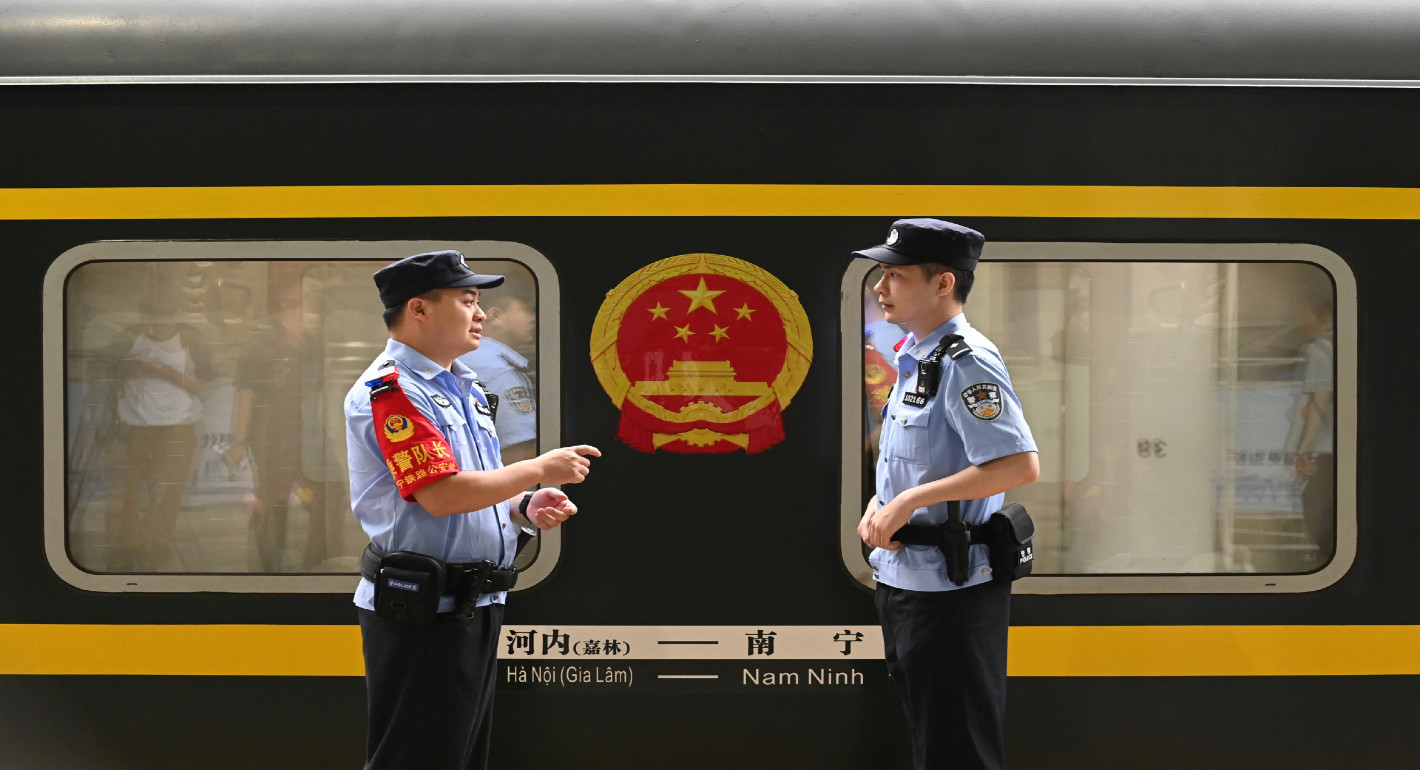
Despite long-standing differences, China and Vietnam are reinforcing common ground for collaboration, especially in public security. This internal security–centered diplomacy offers a strengthened road map for how China moves forward with Southeast Asia.
Sophie Zhuang
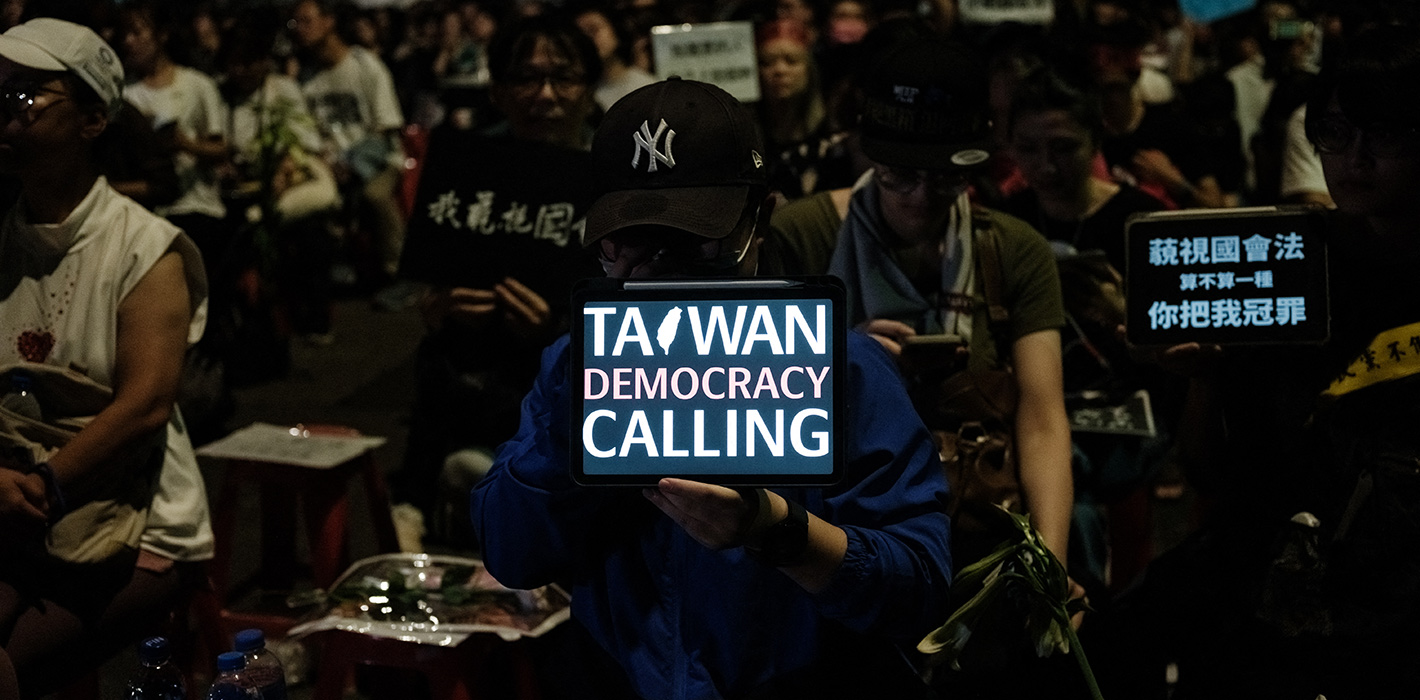
Governments now deploy online platforms to shape public opinion and influence collective cognition. This is acutely apparent between China and Taiwan.
Frank Cheng-Shan Liu

Across Asia, China is better positioned to withstand energy shocks from the fallout of the Iran war. Its abundant coal capacity can ensure stability in the near term. Yet at the same time, the country’s energy transition away from coal will make it even less vulnerable during the next shock.

Damien Ma
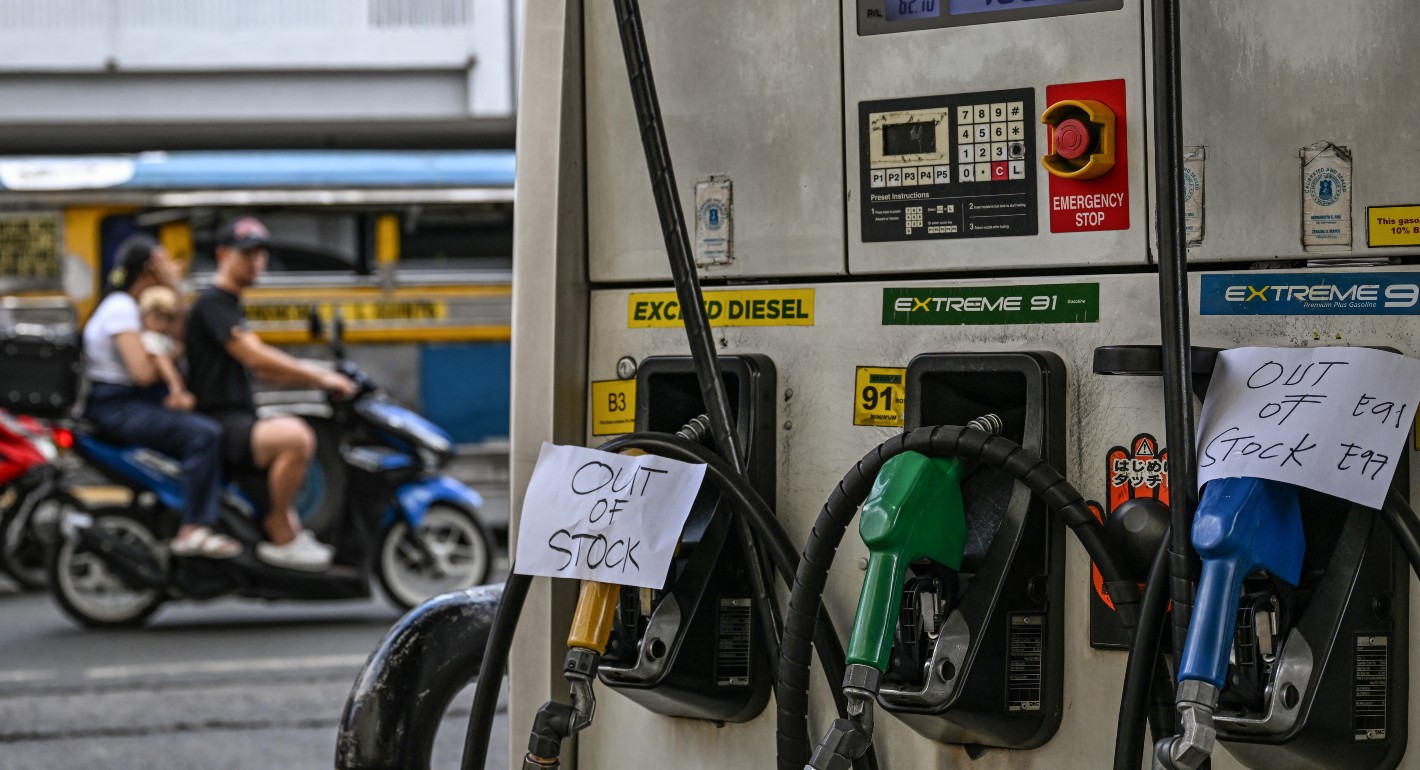
The United States ignores the region’s lived experience—and the tough political and social trade-offs the war has produced—at its peril.

Evan A. Feigenbaum
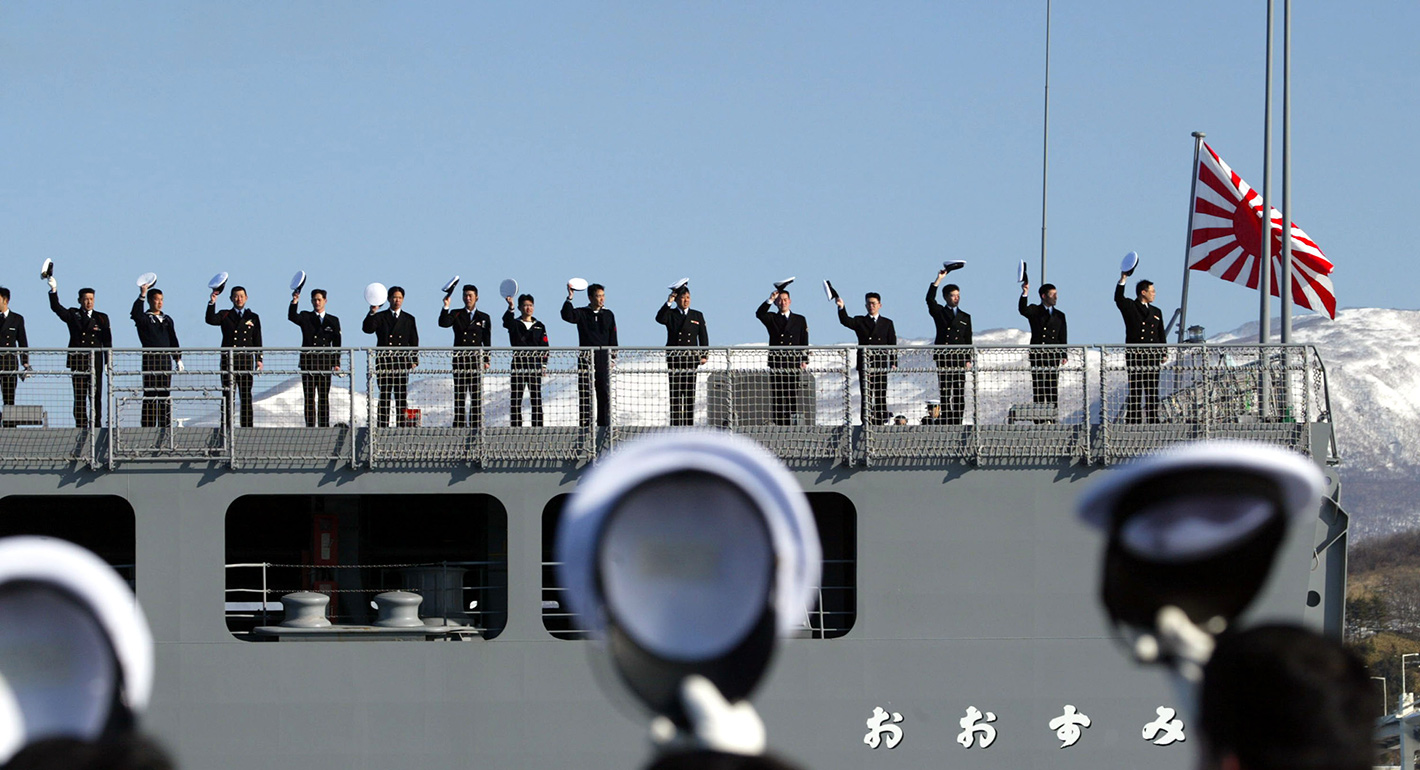
Japan’s response to U.S. pressure over Hormuz highlights a broader dilemma: How to preserve the alliance while remaining bound by legal limits, public opinion, and an Asia-centered security agenda. Tokyo gained diplomatic space through an alliance-embracing strategy, but only under conditions that may not endure.
Ryo Sahashi