Commentary
Uri Dadush
{
  "authors": [
    "Uri Dadush"
  ],
  "type": "legacyinthemedia",
  "centerAffiliationAll": "",
  "centers": [
    "Carnegie Endowment for International Peace"
  ],
  "collections": [],
  "englishNewsletterAll": "",
  "nonEnglishNewsletterAll": "",
  "primaryCenter": "Carnegie Endowment for International Peace",
  "programAffiliation": "",
  "programs": [],
  "projects": [],
  "regions": [
    "Western Europe",
    "Germany",
    "North America"
  ],
  "topics": [
    "Economy"
  ]
}
Source: Getty
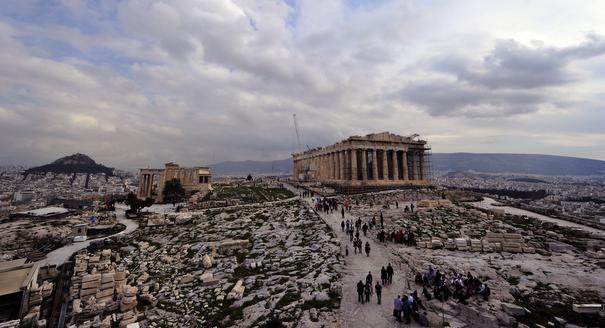
As concerns rise over a potential exit by Greece and a possible bailout for Spain, the eurozone remains in a very difficult predicament, with few good options for moving forward.
Source: BBC World News

Speaking on BBC News, Carnegie's Uri Dadush noted both the importance of the eurozone to the global economy and the acute position its member countries find themselves in, as the euro debt crisis wears on. The eurozone is the largest trading bloc in the world—larger, as a single entity, than the United States. It could potentially withstand the departure of smaller economies, including Ireland, Portugal, and Greece (which financial markets have, to a large extent, written off already). But it would likely not remain intact if the fiscal and financial situation in Italy and Spain, among the five largest economies in the eurozone, deteriorated significantly. Dadush argued that troubled periphery countries in the eurozone have little choice but to muddle through austerity in the short and medium-term, as markets will not lend to them otherwise. The eurozone core, including Germany, and the European Central Bank, however, could do more—for example, accept somewhat higher inflation—to support the periphery’s transition.

Former Senior Associate, International Economics Program
Dadush was a senior associate at the Carnegie Endowment for International Peace. He focuses on trends in the global economy and is currently tracking developments in the eurozone crisis.
Recent Work
Uri Dadush
Uri Dadush
Carnegie does not take institutional positions on public policy issues; the views represented herein are those of the author(s) and do not necessarily reflect the views of Carnegie, its staff, or its trustees.
Five problems—and solutions—to make it actually work as a tool of great power competition.

Afreen Akhter

As the war between the United States, Israel, and Iran continues, Carnegie scholars contribute cutting-edge analysis on the events of the war and their wide-reaching implications. From the impact on Iran and its immediate neighbors to the responses from Gulf states to fuel and fertilizer shortages caused by the effective shutdown of the Strait of Hormuz, the war is reshaping Middle East alliances and creating shockwaves around the world. Carnegie experts analyze it all.
There is no better time for the countries of Southeast Asia to reconsider their energy security than during this latest crisis.

Gita Wirjawan
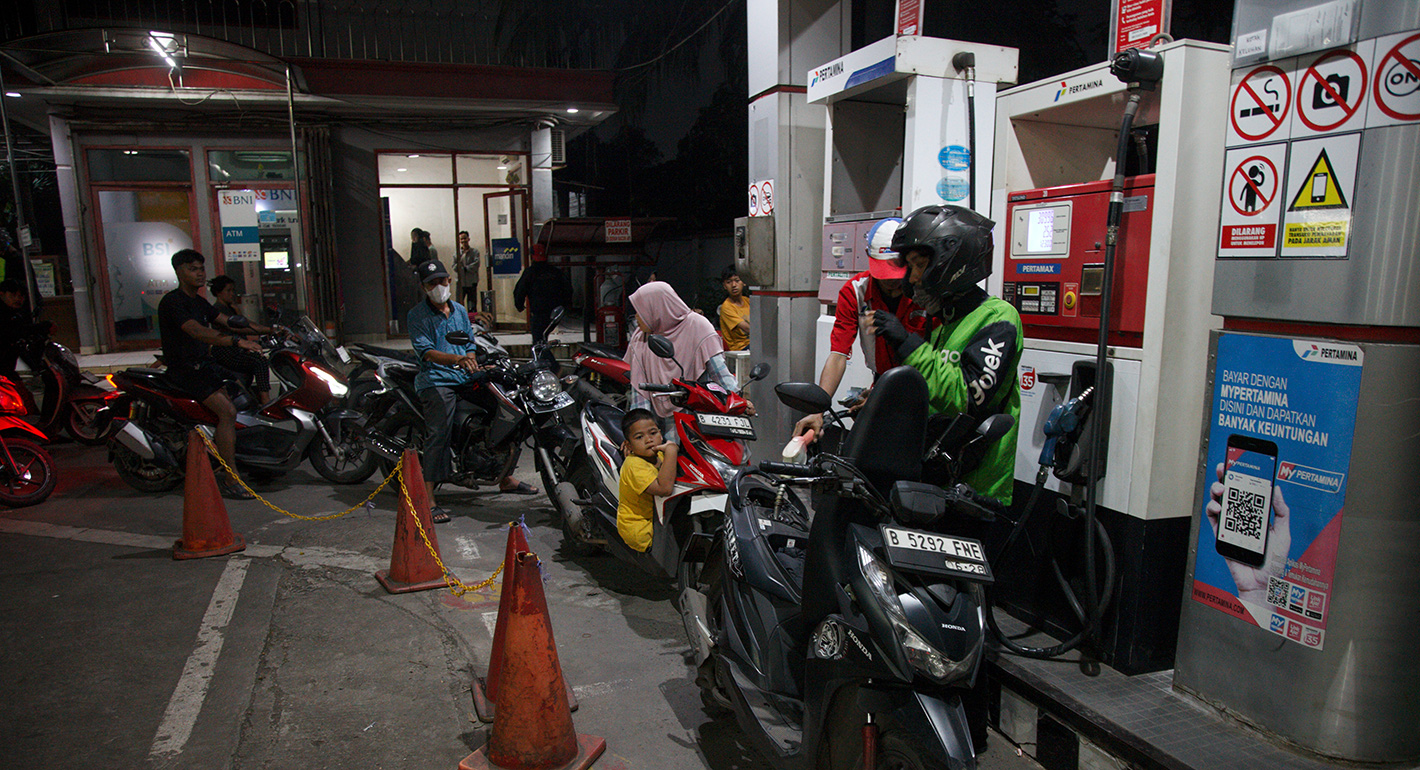
As conflict in the Middle East drives up fuel costs across Asia, Indonesia faces difficult policy trade-offs over subsidies, inflation, and fiscal credibility. President Prabowo’s personalized governance style may make these hard choices even harder to navigate.

Sana Jaffrey
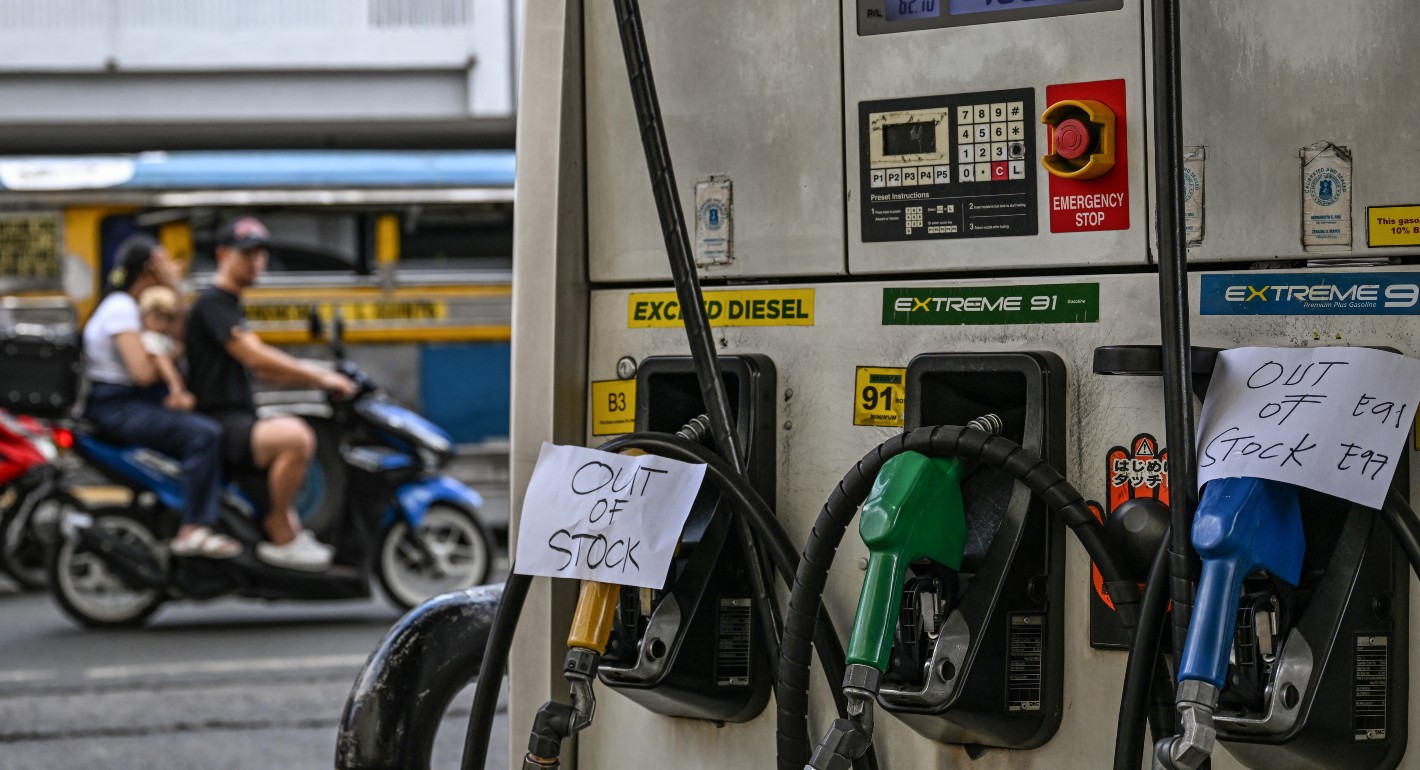
The United States ignores the region’s lived experience—and the tough political and social trade-offs the war has produced—at its peril.

Evan A. Feigenbaum