Commentary
Its reinstatement should be celebrated, but it retains some major shortcomings.
Leonardo Martinez-Diaz
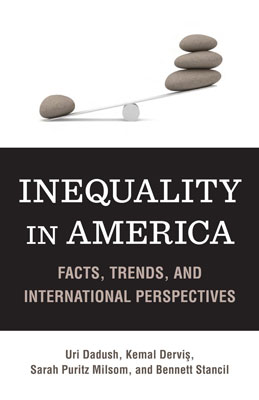
Tackling the worst effects of inequality requires increased investment in crucial public goods, including education, a more progressive and simplified tax system, and increased international cooperation to avoid a race to the bottom.
Source: Brookings Institution Press, 2012


Inequality in America provides a snapshot of the issues posed by the growing concentrations of income, focusing on the United States but drawing on international comparisons to help set the context. The authors examine the economic, technological, and political drivers of inequality and identify worrying trends associated with its rise. They demonstrate how specific factors have exacerbated income inequality, including technological change, international trade, changes in labor market participation, and the increasing role of the financial sector. Their clear and concise exposition makes the issues surrounding income distribution accessible to a wider public.
As they write in the conclusion: “We have argued that tackling the worst effects of inequality and re-establishing a measure of equal opportunity requires increased investment in crucial public goods: first, education; second, a more progressive and simplified tax system; and third, increased international cooperation to avoid a race to the bottom. Education, tax, and other such policies are pursued by other highperforming advanced countries and can be shaped for the United States in a way that is fully consistent with an efficient and competitive American economy.”
Former Senior Associate, International Economics Program
Dadush was a senior associate at the Carnegie Endowment for International Peace. He focuses on trends in the global economy and is currently tracking developments in the eurozone crisis.
Kemal Dervis
Sarah Puritz Milsom
Bennett Stancil
Former Research Assistant, International Economics Program
Carnegie does not take institutional positions on public policy issues; the views represented herein are those of the author(s) and do not necessarily reflect the views of Carnegie, its staff, or its trustees.

Its reinstatement should be celebrated, but it retains some major shortcomings.
Leonardo Martinez-Diaz
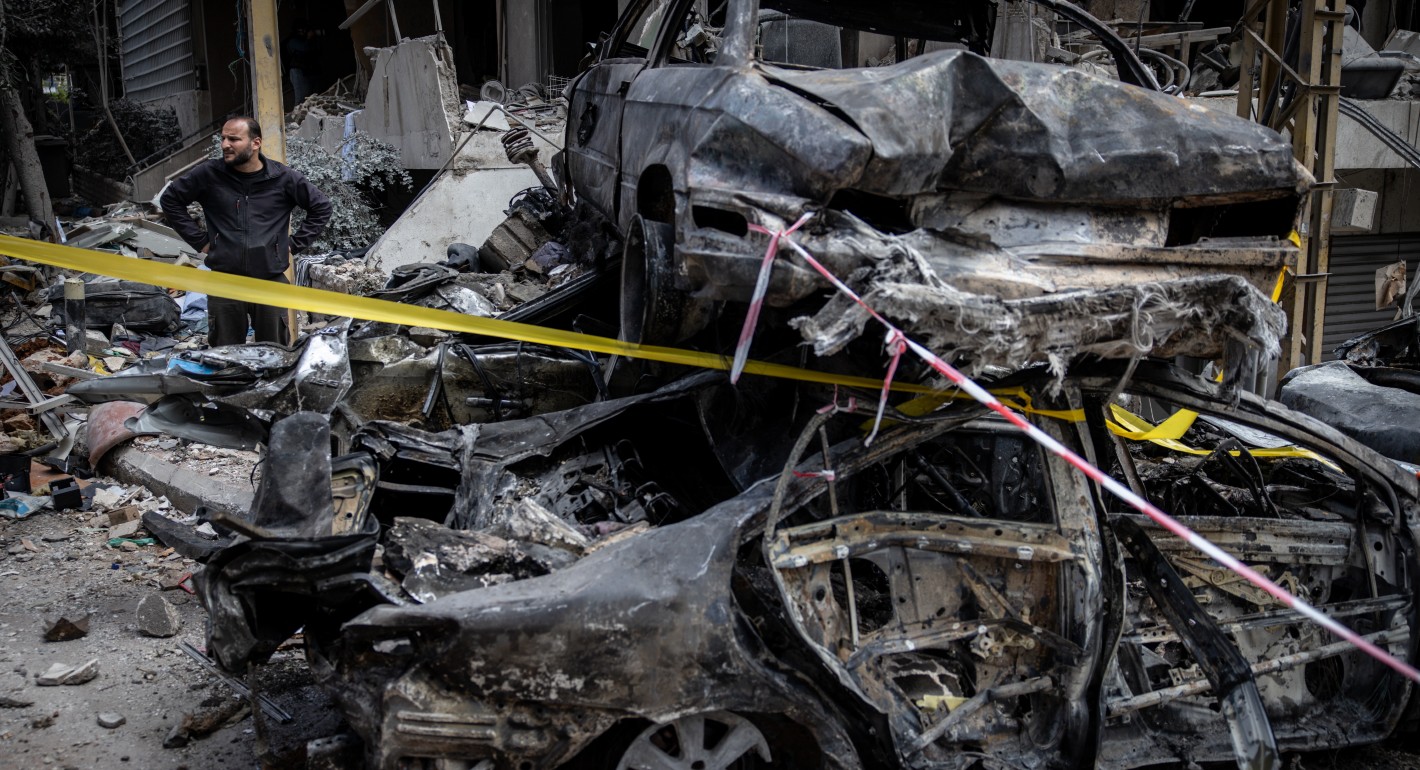
Four Middle East experts analyze the region’s reactions and next steps.



Amr Hamzawy, Andrew Leber, Eric Lob, …
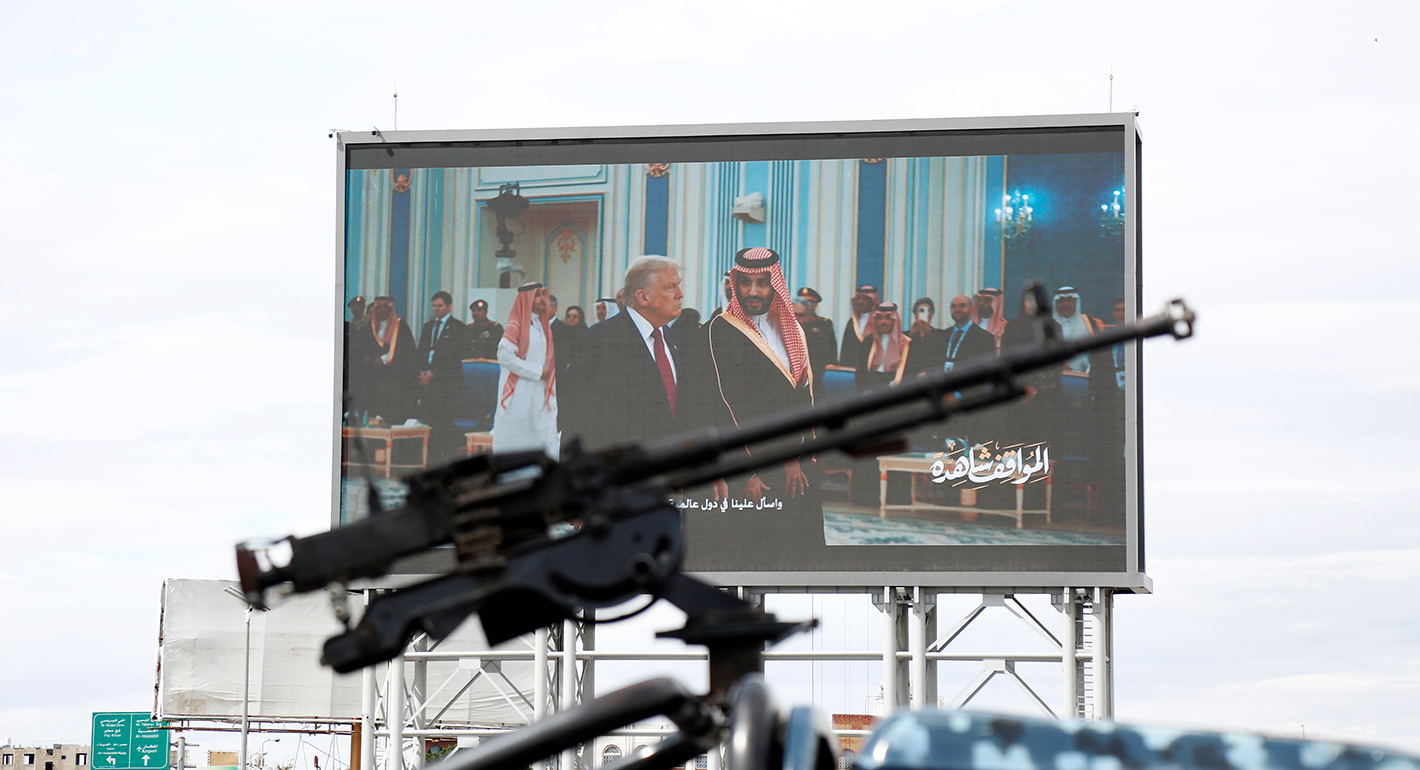
As the war between the United States, Israel, and Iran continues, Carnegie scholars contribute cutting-edge analysis on the events of the war and their wide-reaching implications. From the impact on Iran and its immediate neighbors to the responses from Gulf states to fuel and fertilizer shortages caused by the effective shutdown of the Strait of Hormuz, the war is reshaping Middle East alliances and creating shockwaves around the world. Carnegie experts analyze it all.
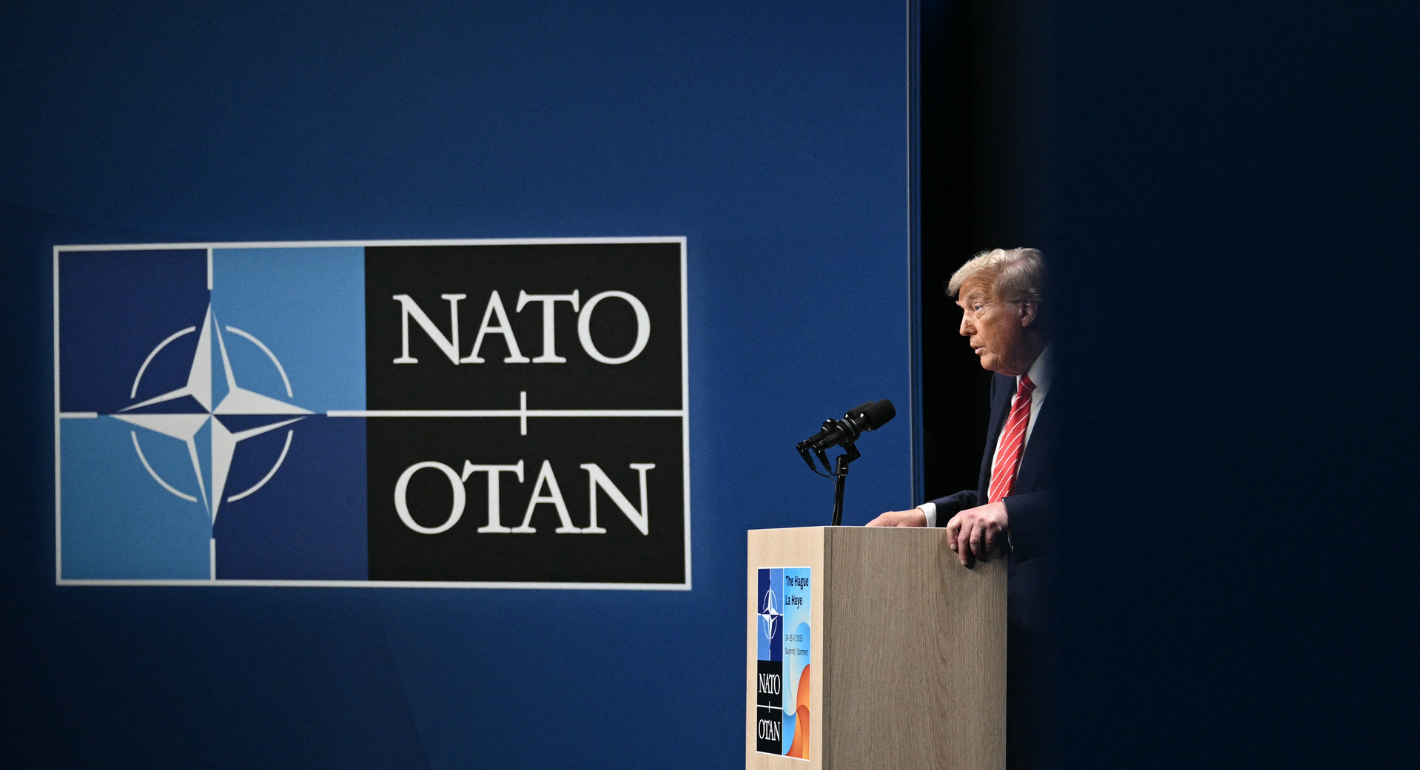
Donald Trump has repeatedly bashed NATO and European allies, threatening to annex Canada and Greenland and deploring their lack of enthusiasm for his war of choice in Iran. Is this latest round of abuse the final straw?

Rym Momtaz, ed.

The future looks bleak for independent media worldwide, but there is a robust infrastructure of knowledge, organizations, and people to build upon.


Daniel Sabet, Susan Abbott