Paper
James L. Schoff, Douglas E. Rake, Joshua Levy
{
  "authors": [
    "James L. Schoff"
  ],
  "type": "legacyinthemedia",
  "centerAffiliationAll": "dc",
  "centers": [
    "Carnegie Endowment for International Peace"
  ],
  "collections": [],
  "englishNewsletterAll": "asia",
  "nonEnglishNewsletterAll": "",
  "primaryCenter": "Carnegie Endowment for International Peace",
  "programAffiliation": "AP",
  "programs": [
    "Asia"
  ],
  "projects": [],
  "regions": [
    "East Asia",
    "Japan"
  ],
  "topics": [
    "Economy"
  ]
}
Source: Getty
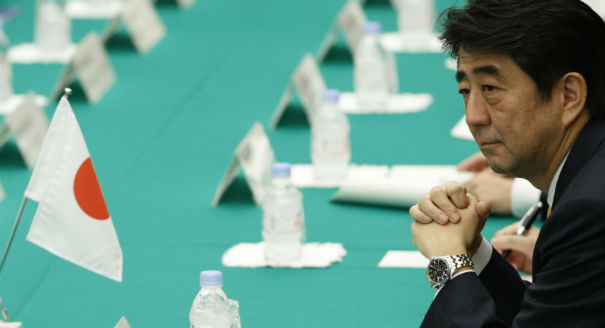
The December 2014 election has given Abe four more years until the next election. This potentially gives Abe the time needed to implement unpopular economic measures like structural reform in Japan.
Source: BloombergTV
In light of the low voter turnout in Japan’s December 2014, billed as a referendum on Prime Minister Abe’s economic policies known as “Abenomics,” Carnegie’s Jim Schoff was asked whether Abe should feel reaffirmed that his policies are what the Japanese people want. Schoff responded that the critical thing for Abe was that this election gave him a total of four years until needing another election, to implement his policies as a sort of “preemptive strike” against the uncoordinated opposition parties. Schoff said that Abe could now take the more unpopular steps and recover with a more productive economy. He added that Abe might take a number of specific short-term steps, such as implement a fiscal stimulus (around $25 billion) and a corporate tax cut so that the rate would be at a low of 20 percent. Schoff finished by saying that in the long-term Abe is looking to tackle deregulation in the electricity sector and also tackle the more entrenched issues of agriculture reform and healthcare reform.

Former Senior Fellow, Asia Program
James L. Schoff was a senior fellow in the Carnegie Asia Program. His research focuses on U.S.-Japan relations and regional engagement, Japanese technology innovation, and regional trade and security dynamics.
Recent Work
James L. Schoff, Douglas E. Rake, Joshua Levy
James L. Schoff
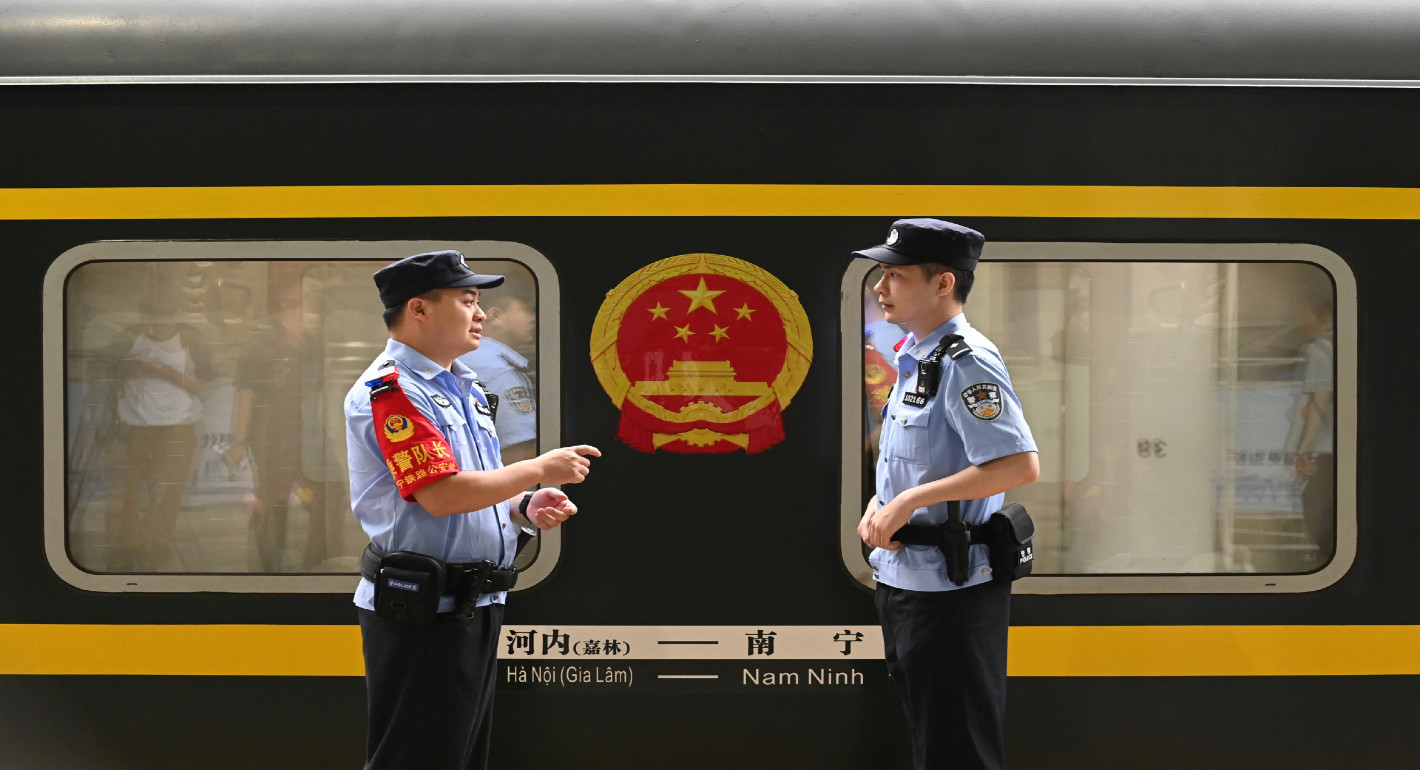
Despite long-standing differences, China and Vietnam are reinforcing common ground for collaboration, especially in public security. This internal security–centered diplomacy offers a strengthened road map for how China moves forward with Southeast Asia.
Sophie Zhuang
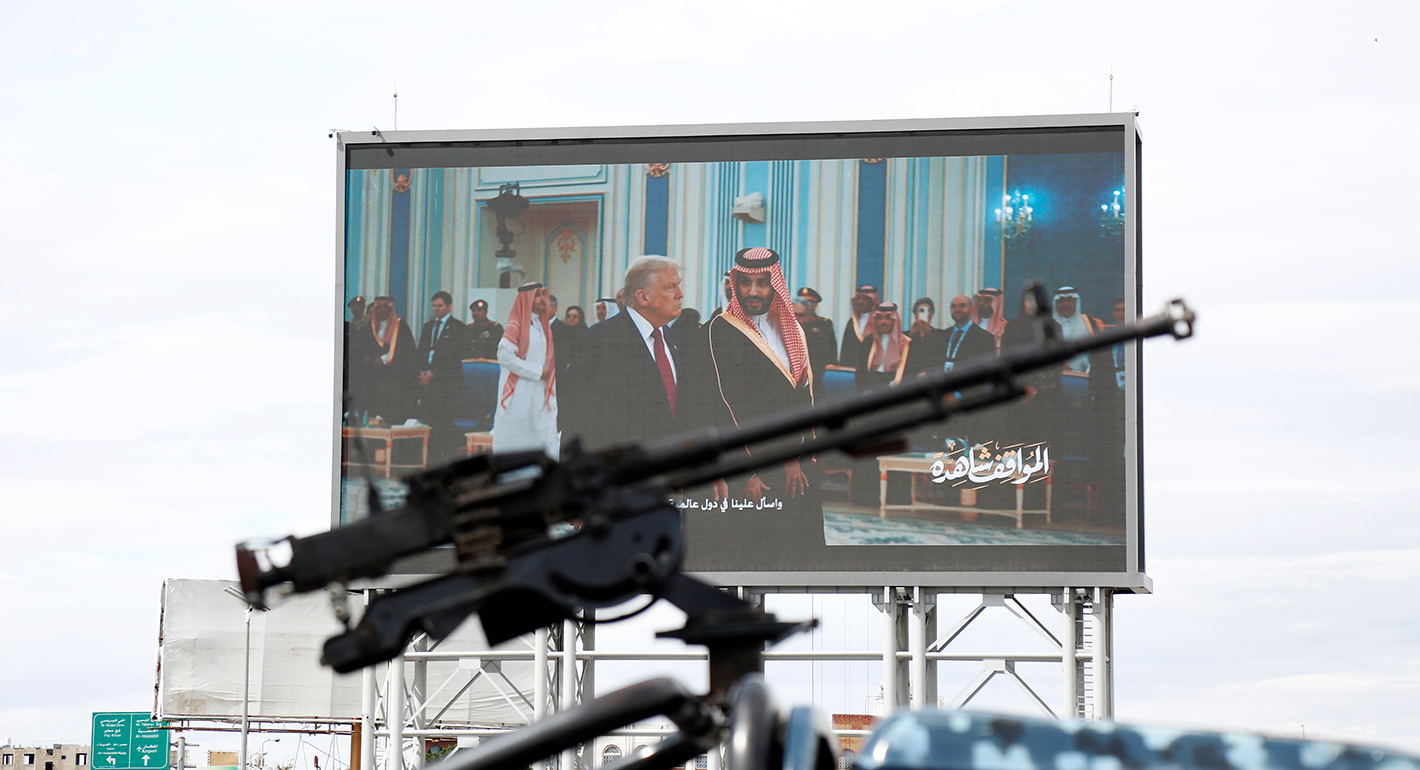
As the war between the United States, Israel, and Iran continues, Carnegie scholars contribute cutting-edge analysis on the events of the war and their wide-reaching implications. From the impact on Iran and its immediate neighbors to the responses from Gulf states to fuel and fertilizer shortages caused by the effective shutdown of the Strait of Hormuz, the war is reshaping Middle East alliances and creating shockwaves around the world. Carnegie experts analyze it all.

Across Asia, China is better positioned to withstand energy shocks from the fallout of the Iran war. Its abundant coal capacity can ensure stability in the near term. Yet at the same time, the country’s energy transition away from coal will make it even less vulnerable during the next shock.

Damien Ma
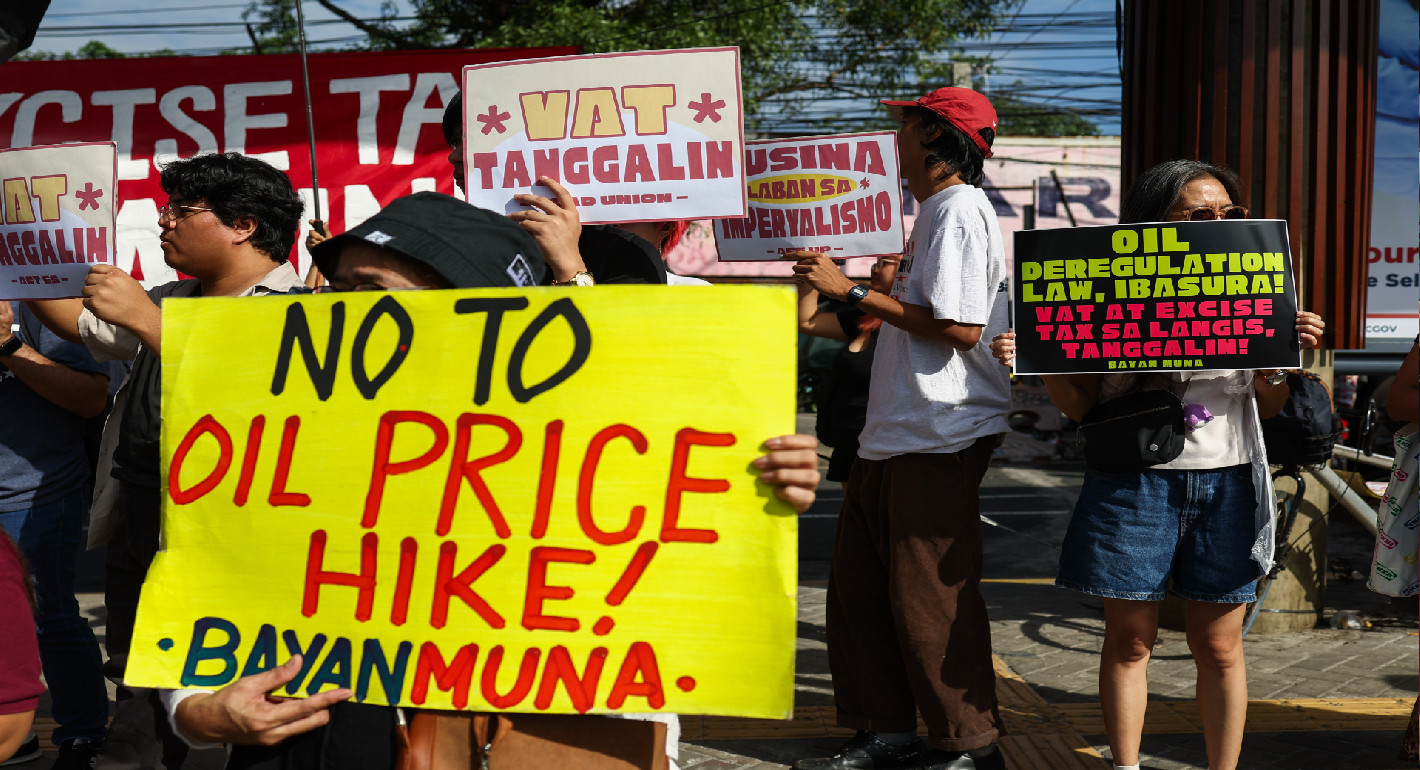
There is no better time for the countries of Southeast Asia to reconsider their energy security than during this latest crisis.
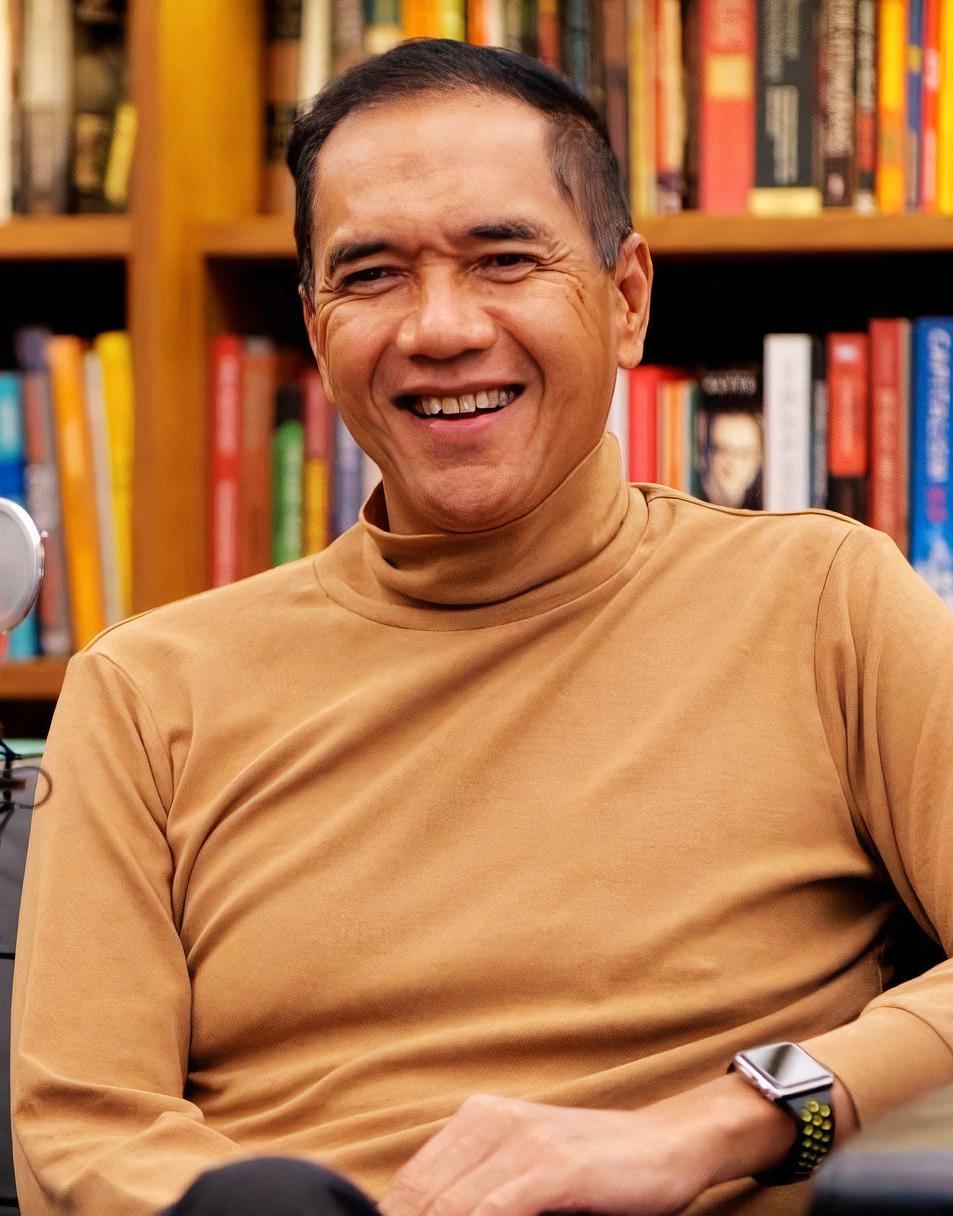
Gita Wirjawan
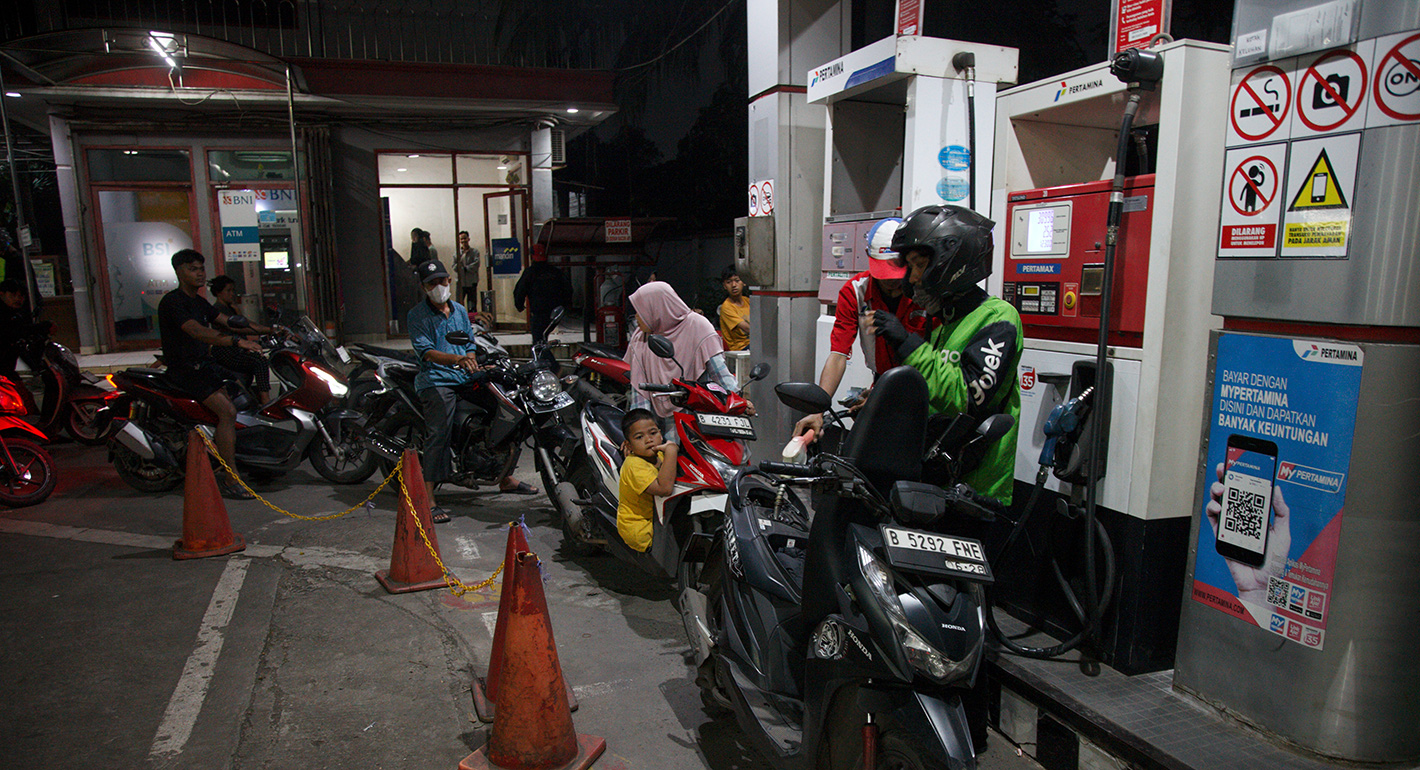
As conflict in the Middle East drives up fuel costs across Asia, Indonesia faces difficult policy trade-offs over subsidies, inflation, and fiscal credibility. President Prabowo’s personalized governance style may make these hard choices even harder to navigate.

Sana Jaffrey