

Research
- +4
Milan Vaishnav, Rahul Verma, Rukmini S., …
{
  "authors": [
    "Christophe Jaffrelot"
  ],
  "type": "other",
  "centerAffiliationAll": "dc",
  "centers": [
    "Carnegie Endowment for International Peace"
  ],
  "collections": [],
  "englishNewsletterAll": "ctw",
  "nonEnglishNewsletterAll": "",
  "primaryCenter": "Carnegie Endowment for International Peace",
  "programAffiliation": "SAP",
  "programs": [
    "South Asia"
  ],
  "projects": [],
  "regions": [
    "South Asia",
    "India"
  ],
  "topics": []
}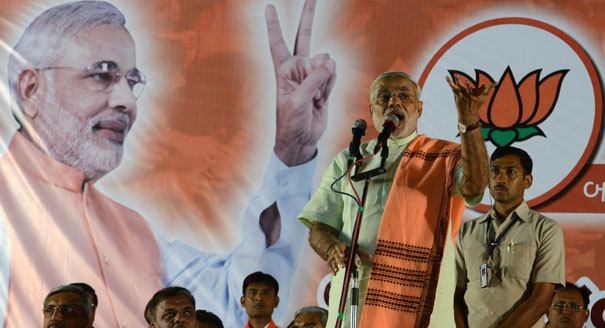
Source: Getty
Narendra Modi’s rhetoric shifted from religion to development and subnationalism. But his regional identity was still defined in religious terms.
Source: India Review
After the 2002 pogrom, Narendra Modi, the Chief Minister of Gujarat, shifted his political repertoire from that of a Hindu Hriday Samrat (King of Hindus’ heart) to that of development and Gujaratiness. He claimed that he was a development man (Vikas Purush) and that he represented the 60 million Gujaratis as an aam admi (common man). He projected himself as an embodiment of their identity—asmita. This populist repertoire, which was explicitly articulated during the Sadbhavna mission in 2012, is in tune with the general trend of Indian politics where most of the Chief Ministers claim to epitomize one subnationalism. In the case of Narendra Modi, however, this regional identity was defined in religious terms and reflected a banalization of Hindutva, an original process that was more likely to happen in Gujarat because of the traditional definition of the state’s identity..
Former Nonresident Scholar, South Asia Program
Jaffrelot’s core research focuses on theories of nationalism and democracy, mobilization of the lower castes and Dalits (ex-untouchables) in India, the Hindu nationalist movement, and ethnic conflicts in Pakistan.
Recent Work

Milan Vaishnav, Rahul Verma, Rukmini S., …
Christophe Jaffrelot
Carnegie does not take institutional positions on public policy issues; the views represented herein are those of the author(s) and do not necessarily reflect the views of Carnegie, its staff, or its trustees.

Despite public disputes over trade and immigration, the strategic partnership’s foundations remain sturdy.

Sameer Lalwani
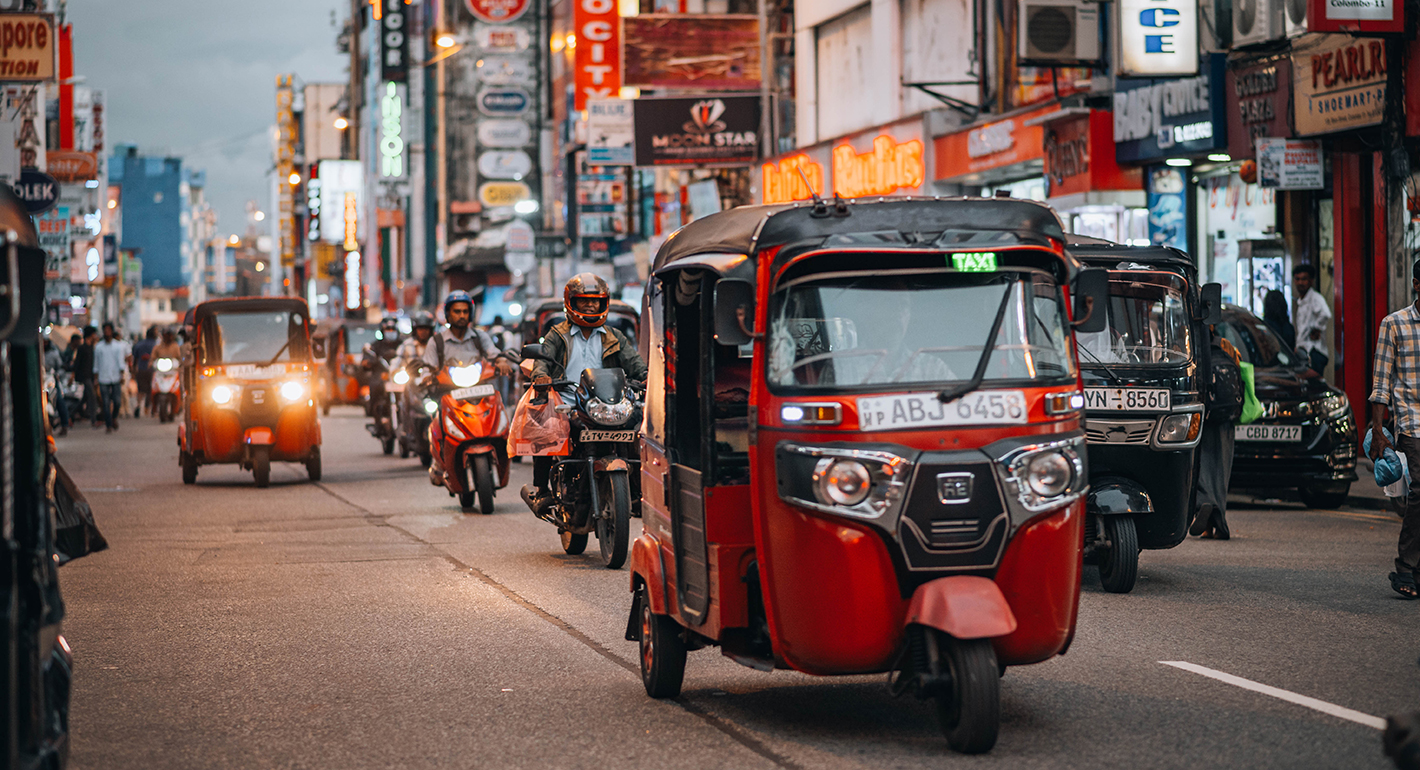
Economic recovery has brought Sri Lanka a modicum of stability, but domestic strains and great-power rivalry could test how long it lasts.
Avinash Paliwal
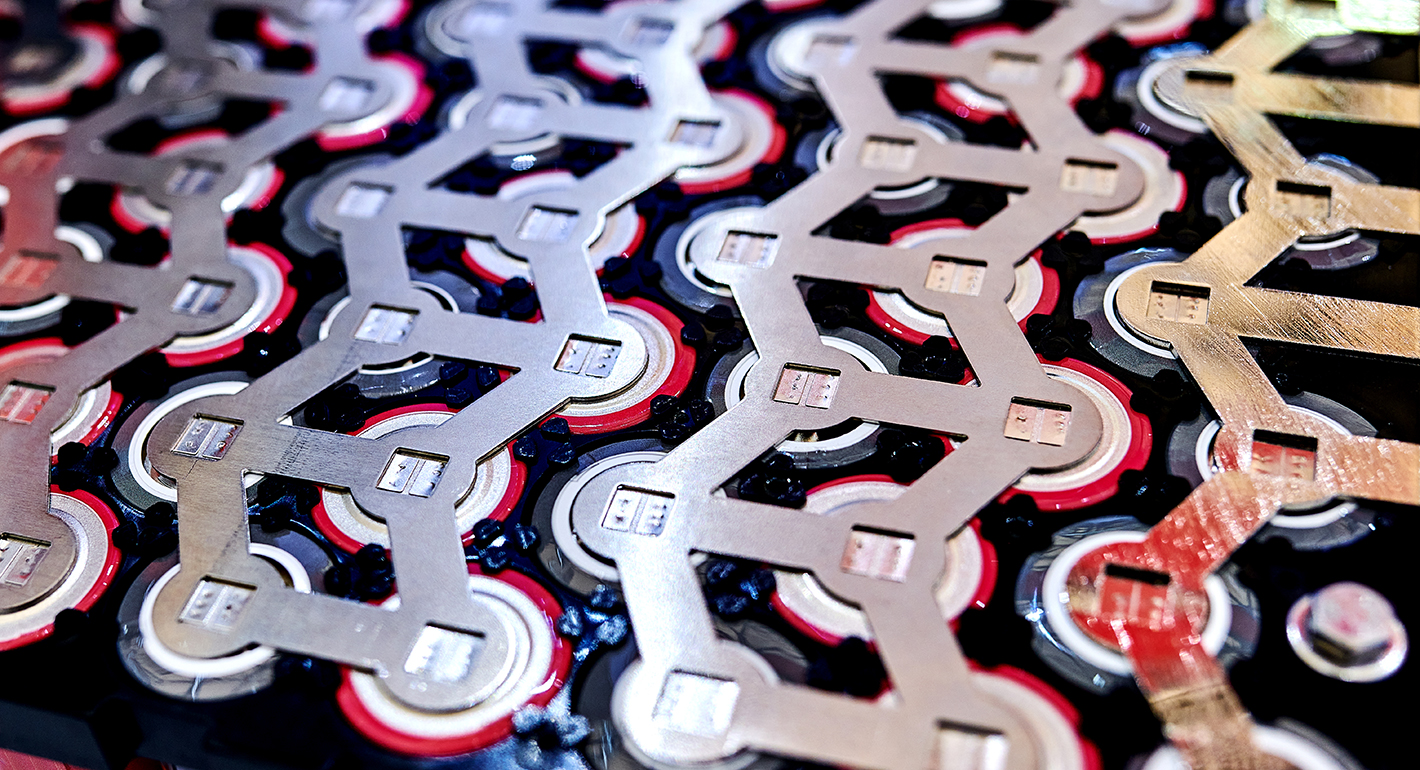
A deep dive into the policy ecosystems behind battery development in China, South Korea, Japan, the European Union (including some of its member states), the United States, Canada, and India.


Milo McBride, Herbert Crowther, Darcie Draudt-Véjares, …

With the growth in points of friction between the great powers, organizations like the SCO will continue to play a role in the strategic adaptation of the smaller powers caught between them.

Temur Umarov
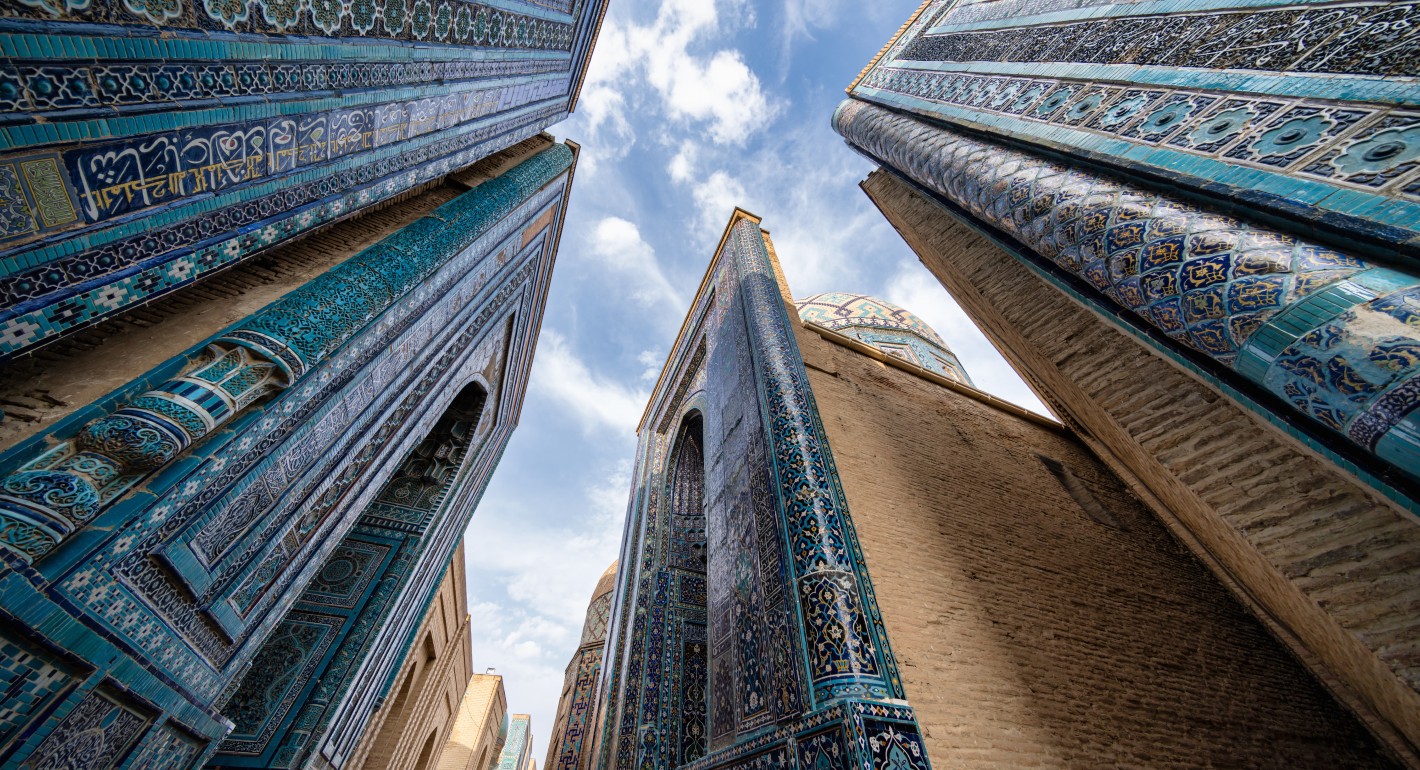
Xi, Putin, and other regional leaders are back-slapping in Bishkek, but the SCO has yet to answer the most serious questions about continental Asia's economic future.

Evan A. Feigenbaum