

Commentary
Katherine Charlet, Danielle Citron
{
  "authors": [
    "Katherine Charlet"
  ],
  "type": "legacyinthemedia",
  "centerAffiliationAll": "",
  "centers": [
    "Carnegie Endowment for International Peace"
  ],
  "collections": [],
  "englishNewsletterAll": "",
  "nonEnglishNewsletterAll": "",
  "primaryCenter": "Carnegie Endowment for International Peace",
  "programAffiliation": "",
  "programs": [],
  "projects": [],
  "regions": [
    "North America",
    "United States"
  ],
  "topics": [
    "Security",
    "Military",
    "Technology"
  ]
}
Source: Getty
U.S. Cyber Command has been elevated to a full unified combatant command, putting CYBERCOM on an even playing field with the rest of the Defense Department’s combatant commands.
Source: Federal News Radio
The question of whether or not to elevate U.S. Cyber Command to a full unified combatant command has been under discussion for years. But the president and Congress have finally made the decision, putting CYBERCOM on an even playing field with the rest of the Defense Department’s combatant commands. Kate Charlet, program director for Technology and International Affairs at the Carnegie Endowment for International Peace, told Federal Drive with Tom Temin there are several other important implications to the decision.
This interview was originally broadcast on Federal News Radio.
Former Director, Technology and International Affairs Program
Katherine Charlet was the inaugural director of Carnegie’s Technology and International Affairs Program.
Recent Work
Katherine Charlet, Danielle Citron
Charlotte Stanton, Vivien Lung, Nancy (Hanzhuo) Zhang, …
Carnegie does not take institutional positions on public policy issues; the views represented herein are those of the author(s) and do not necessarily reflect the views of Carnegie, its staff, or its trustees.
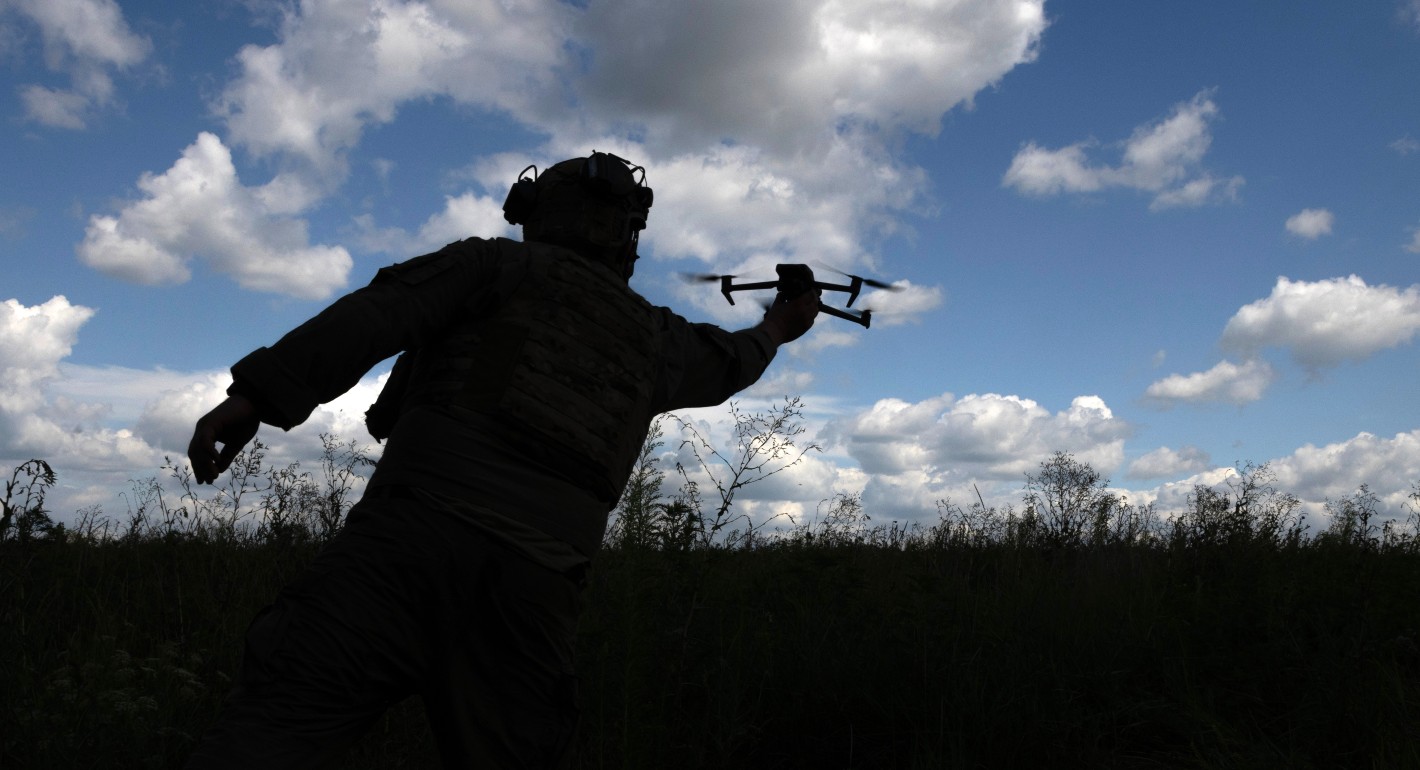
How Ukraine is driving doctrinal change in modern warfare.

Andriy Zagorodnyuk

Five problems—and solutions—to make it actually work as a tool of great power competition.

Afreen Akhter
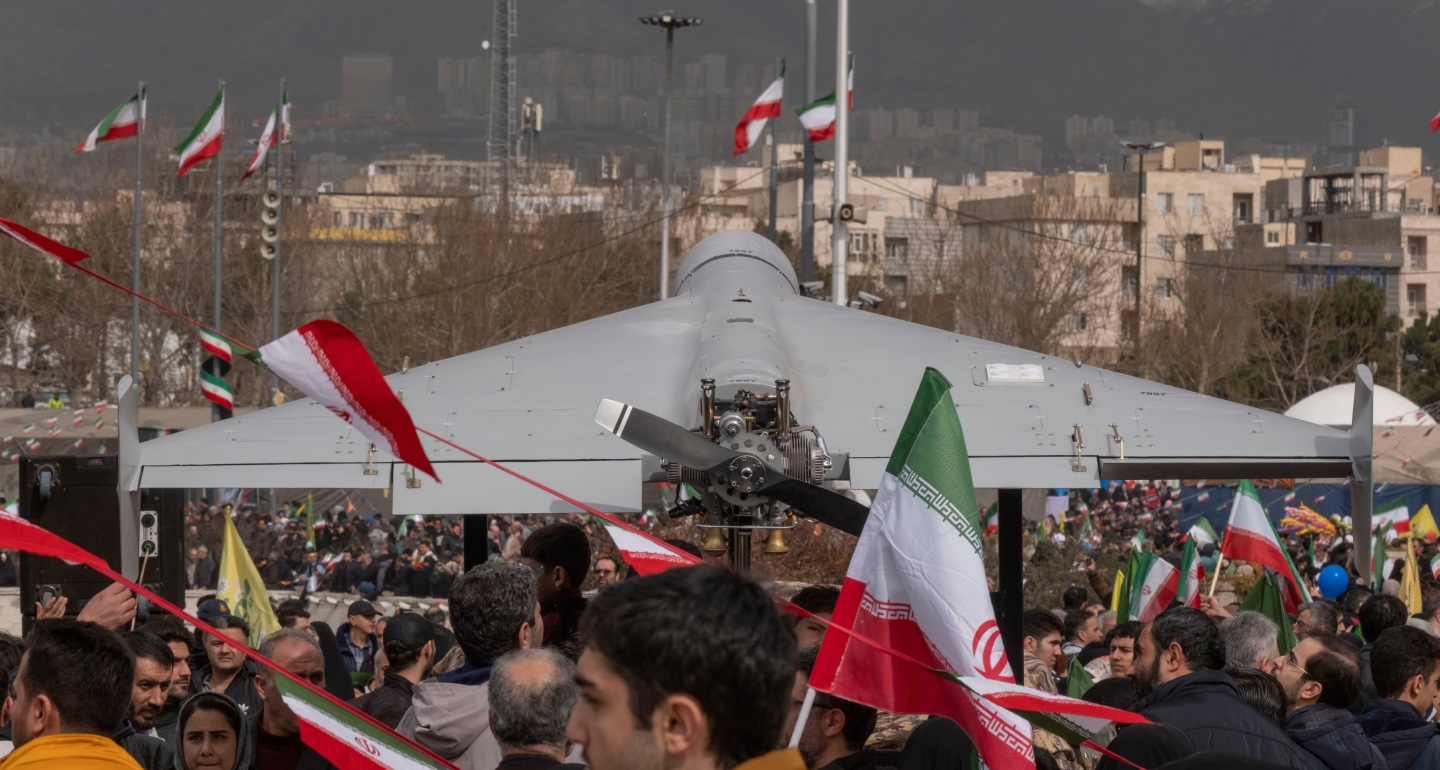
The Russian leadership wants to avoid a dangerous precedent in which it is squeezed out of Iran by the United States and Israel—and left powerless to respond in any meaningful way.

Nikita Smagin

One is hopeful. One is realistic. One is cautionary.

Andrew Leber, Sam Worby
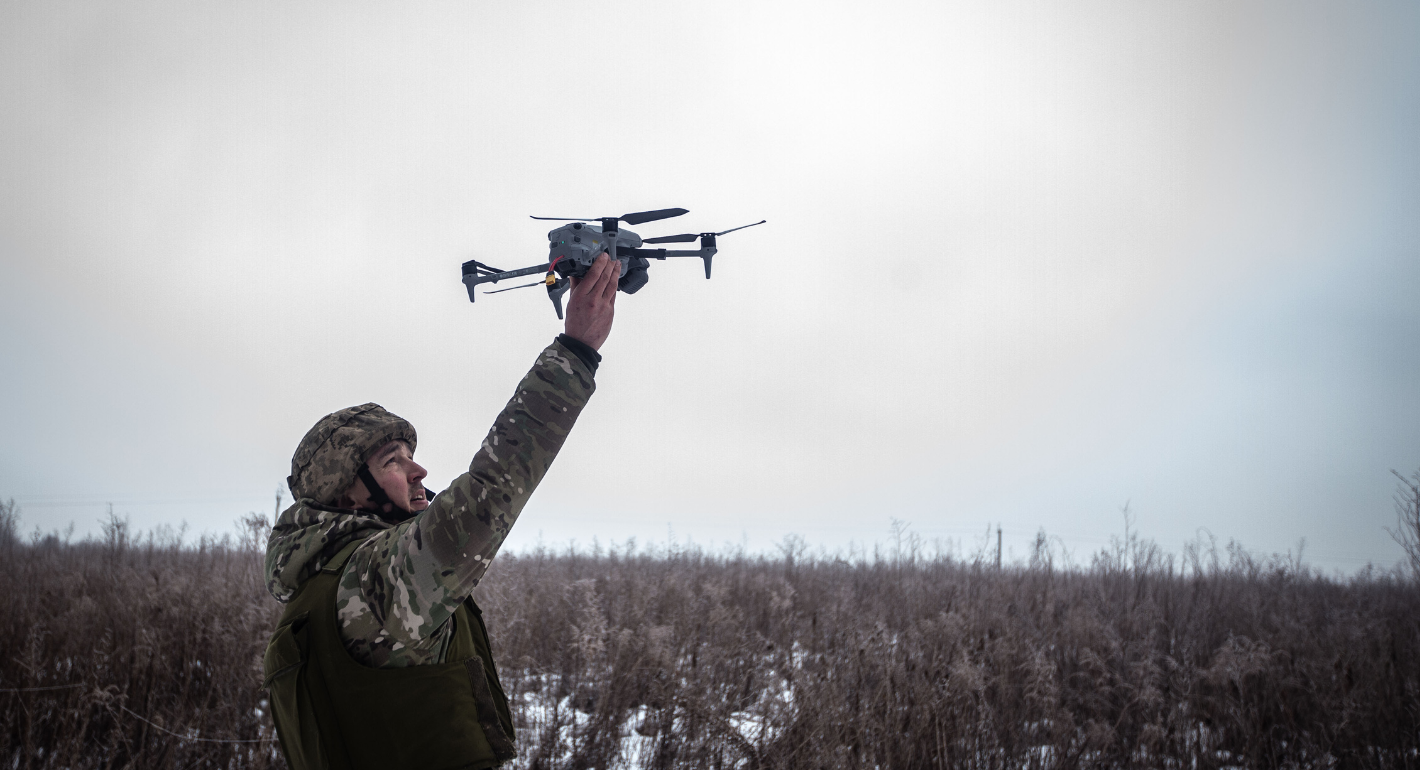
In Ukraine, Gaza, and Iran, AI warfare has come to dominate, with barely any oversight or accountability. Europe must lead the charge on the responsible use of new military technologies.

Raluca Csernatoni