

Paper
- +1
Christian Ruhl, Duncan B. Hollis, Wyatt Hoffman, …
{
  "authors": [
    "Wyatt Hoffman"
  ],
  "type": "other",
  "centerAffiliationAll": "dc",
  "centers": [
    "Carnegie Endowment for International Peace"
  ],
  "collections": [
    "U.S. Nuclear Policy"
  ],
  "englishNewsletterAll": "ctw",
  "nonEnglishNewsletterAll": "",
  "primaryCenter": "Carnegie Endowment for International Peace",
  "programAffiliation": "NPP",
  "programs": [
    "Nuclear Policy",
    "Technology and International Affairs"
  ],
  "projects": [],
  "regions": [
    "North America",
    "United States",
    "Iran"
  ],
  "topics": [
    "Technology"
  ]
}
Source: Getty
Real progress has been made in developing an understanding of how to more effectively employ cyber capabilities to achieve specific strategic objectives
Source: Washington Quarterly
Sorting through cyber strategy starts with a fundamental framing question: does “cyber” provide a new tool (capabilities) for traditional state pursuits, a new domain (sea, air, space), or a new dimension of relations between peace and war? Real progress has been made in developing an understanding of how to more effectively employ cyber capabilities to achieve specific strategic objectives, but there may ultimately be no single comprehensive cyber strategy for statecraft.
This article was originally published by the Washington Quarterly.
Former Senior Research Analyst, Cyber Policy Initiative
Wyatt Hoffman was a senior research analyst with the Nuclear Policy Program and the Cyber Policy Initiative at the Carnegie Endowment for International Peace.
Recent Work

Christian Ruhl, Duncan B. Hollis, Wyatt Hoffman, …
Wyatt Hoffman, Steven Nyikos
Carnegie does not take institutional positions on public policy issues; the views represented herein are those of the author(s) and do not necessarily reflect the views of Carnegie, its staff, or its trustees.

Canadian Prime Minister Mark Carney has twice inspired praise for standing up to U.S. President Donald Trump: at the 2026 World Economic Forum in Davos and on Canada-U.S. trade negotiations. Is Carney showing a third way better than the EU has in dealing with the Trump administration?

Rym Momtaz, ed.

AI sovereignty should be operationalized as a strategic capacity built through three interdependent pillars.

Luca Belli
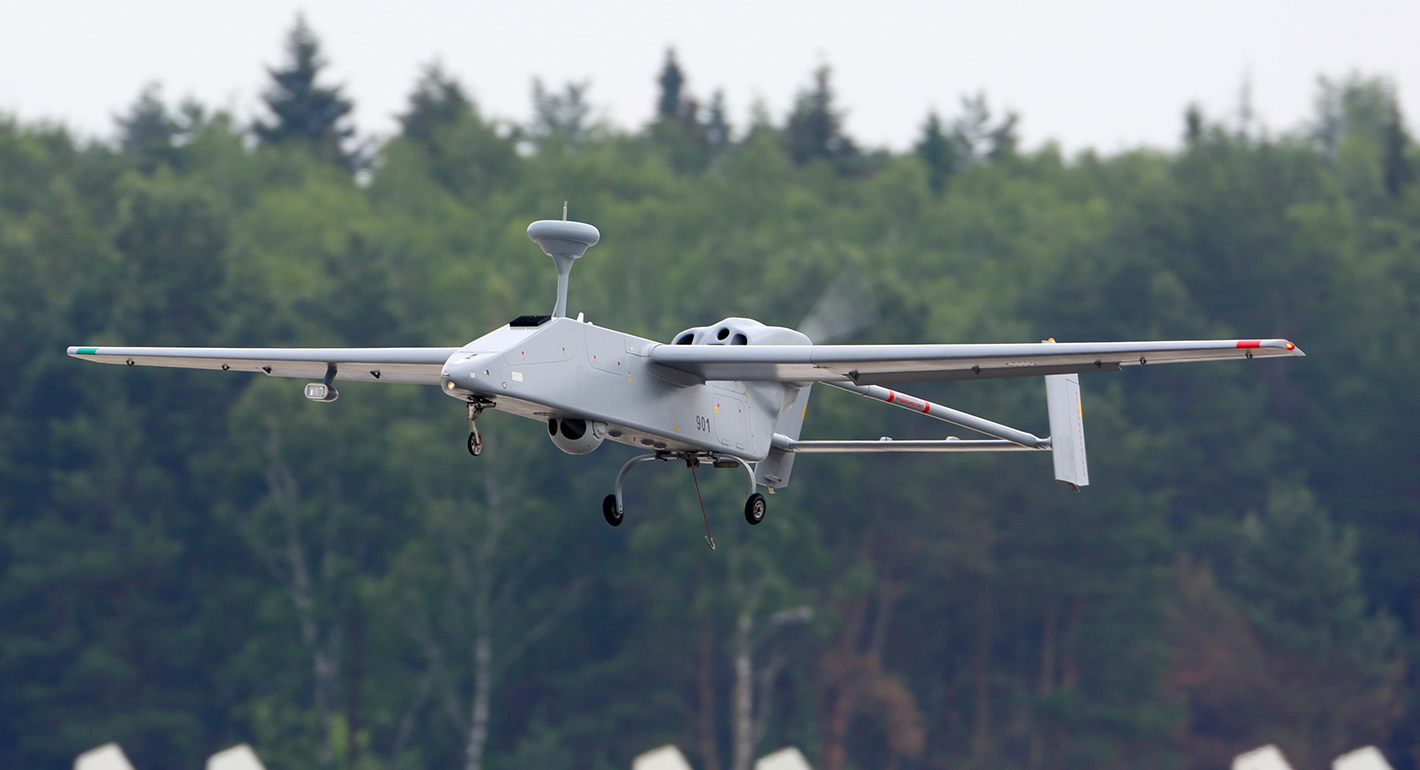
Moscow is testing Europe’s defenses with drone incursions and could decide to use drones against the continent on a much larger scale once the war in Ukraine pauses. European countries will need Kyiv to help them prepare for such a possibility.

Pavlo Zvenyhorodskyi

The war in Ukraine and a change in ownership led VK to neglect its commercial ventures in favor of implementing the Kremlin’s online agenda. Now it’s been sanctioned by the EU.

Maria Kolomychenko

Middle Eastern states should welcome an accelerated U.S. disengagement from their region.

Michael Young