

Other
Sarah Yerkes, Natalie Triche
{
  "authors": [
    "Sarah Yerkes"
  ],
  "type": "commentary",
  "centerAffiliationAll": "",
  "centers": [
    "Carnegie Endowment for International Peace",
    "Malcolm H. Kerr Carnegie Middle East Center"
  ],
  "collections": [],
  "englishNewsletterAll": "",
  "nonEnglishNewsletterAll": "",
  "primaryCenter": "Carnegie Endowment for International Peace",
  "programAffiliation": "",
  "programs": [],
  "projects": [
    "Tunisia Monitor"
  ],
  "regions": [
    "North Africa",
    "Tunisia",
    "Maghreb"
  ],
  "topics": []
}
Source: Getty
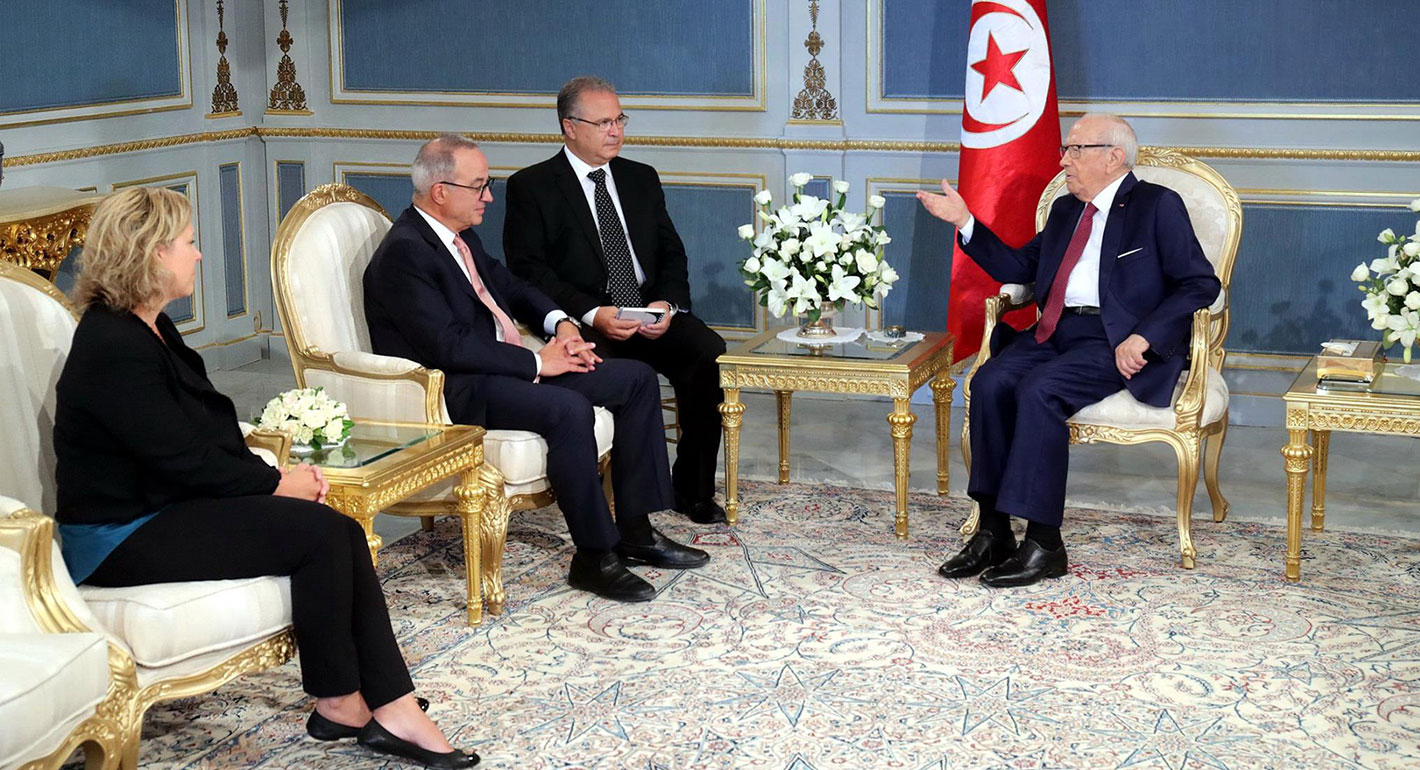
Tunisia faces its first transition of power since Beji Caid Essebsi became the first democratically elected president. Carnegie Fellow Sarah Yerkes explains what the recent death of President Essebsi means for the future of Tunisia.
Tunisian President Beji Caid Essebsi passed away on July 25, triggering a new political and institutional challenge for Tunisia.
Essebsi was the country’s first democratically elected president, so Tunisia has never faced this sort of transition.
The turnover has been smooth so far. Following constitutional procedure, speaker of parliament, 85-year-old Mohamed Ennaceur, took over as interim president within hours of the announcement of the president’s death.
But, we could still see some stormy waters ahead.
There are two main issues in short term. First, the constitution requires that new elections be held for president between 45-90 days of his death—at latest, October 23.
But, the country is already scheduled to hold regular presidential elections 3 ½ weeks later—on November 17.
So, the interim president and the electoral body must now decide whether they can pull off early elections and if not, whether they can legally postpone the 90 period to November 17 to keep on the regular schedule.
Ennaceur is also going to need to decide how to handle a new law passed by parliament in June that would exclude certain candidates from running for president in the next election.
President Essebsi had not signed the law before his death, causing anger amongst many parliamentarians.
The interim president does have the power to sign the law, but doing so may be seen as acting against wishes of President Essebsi, who had spoken out against the law.
There are also some longer term implications. First, this is a major blow to Nidaa Tounes, the president’s party. The party is already fractured and operating as two competing branches—one led by his highly unpopular son, Hafedh Caid Essebsi. President Essebsi’s death could spell the end of the party.
Conversely, we are likely to see positive signs for Nidaa’s political rivals—both Ennadha and Tahya Tounes.
For Ennahda, with one of its own in parliamentary speakership today, this could further normalize Islamists in power.
For Tahya Tounes, the party of the prime minister, Youssef Chahed, who had defected from Nidaa, this could give him an opening to take the presidency in November.
All this means Tunisia will be an interesting space to watch over the next few months.

Senior Fellow, Middle East Program
Sarah Yerkes is a senior fellow in Carnegie’s Middle East Program, where her research focuses on Tunisia’s political, economic, and security developments as well as state-society relations in the Middle East and North Africa.
Recent Work
Sarah Yerkes, Natalie Triche

Sarah Yerkes, Amr Hamzawy
Carnegie does not take institutional positions on public policy issues; the views represented herein are those of the author(s) and do not necessarily reflect the views of Carnegie, its staff, or its trustees.

Middle powers in the region will keep hedging between Washington and Beijing. It’s in the great powers’ interests to play along.
Amr Hamzawy, Kathryn Selfe
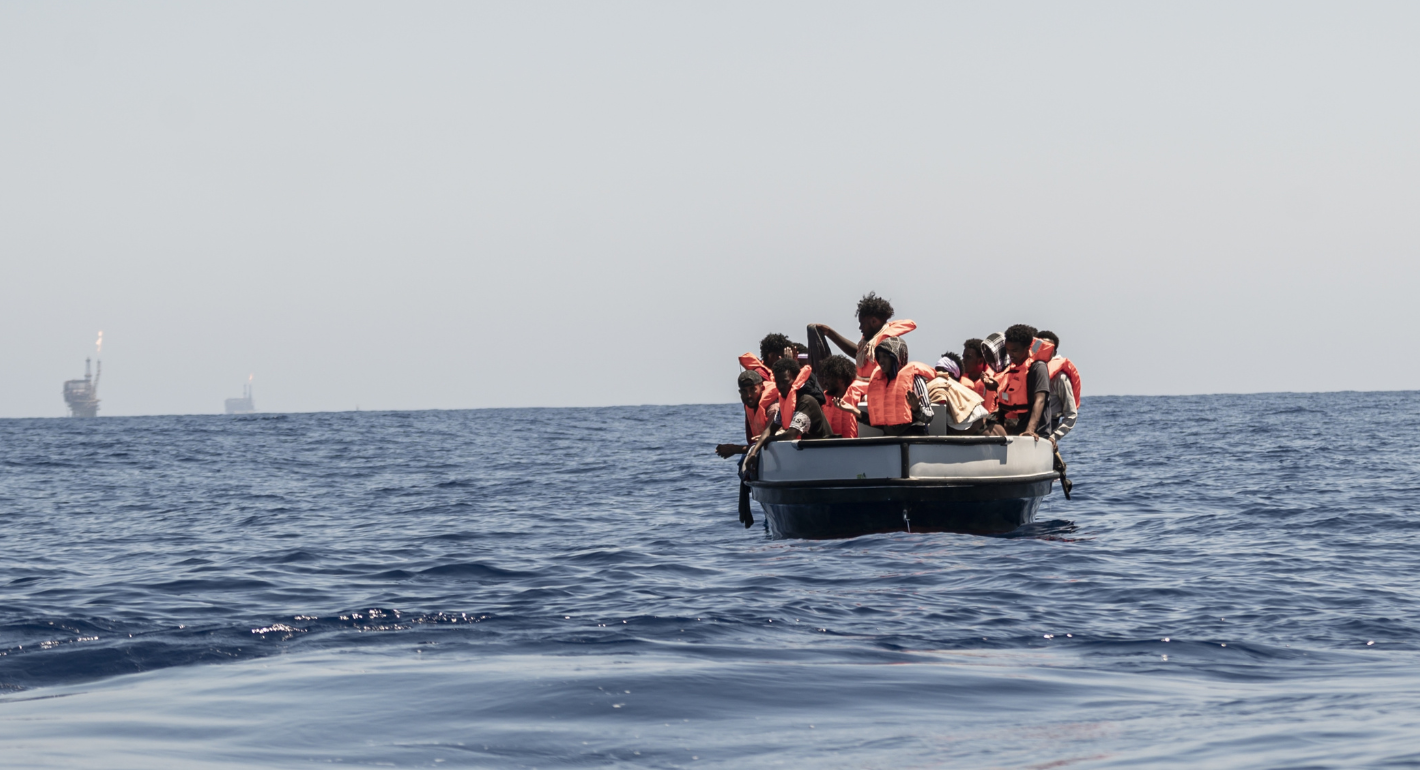
The EU’s new migration policy is not suited to today’s realities. With climate change increasingly becoming a driver of displacement, Europe needs to rethink its deterrence-focused approach.

Shana Tabak
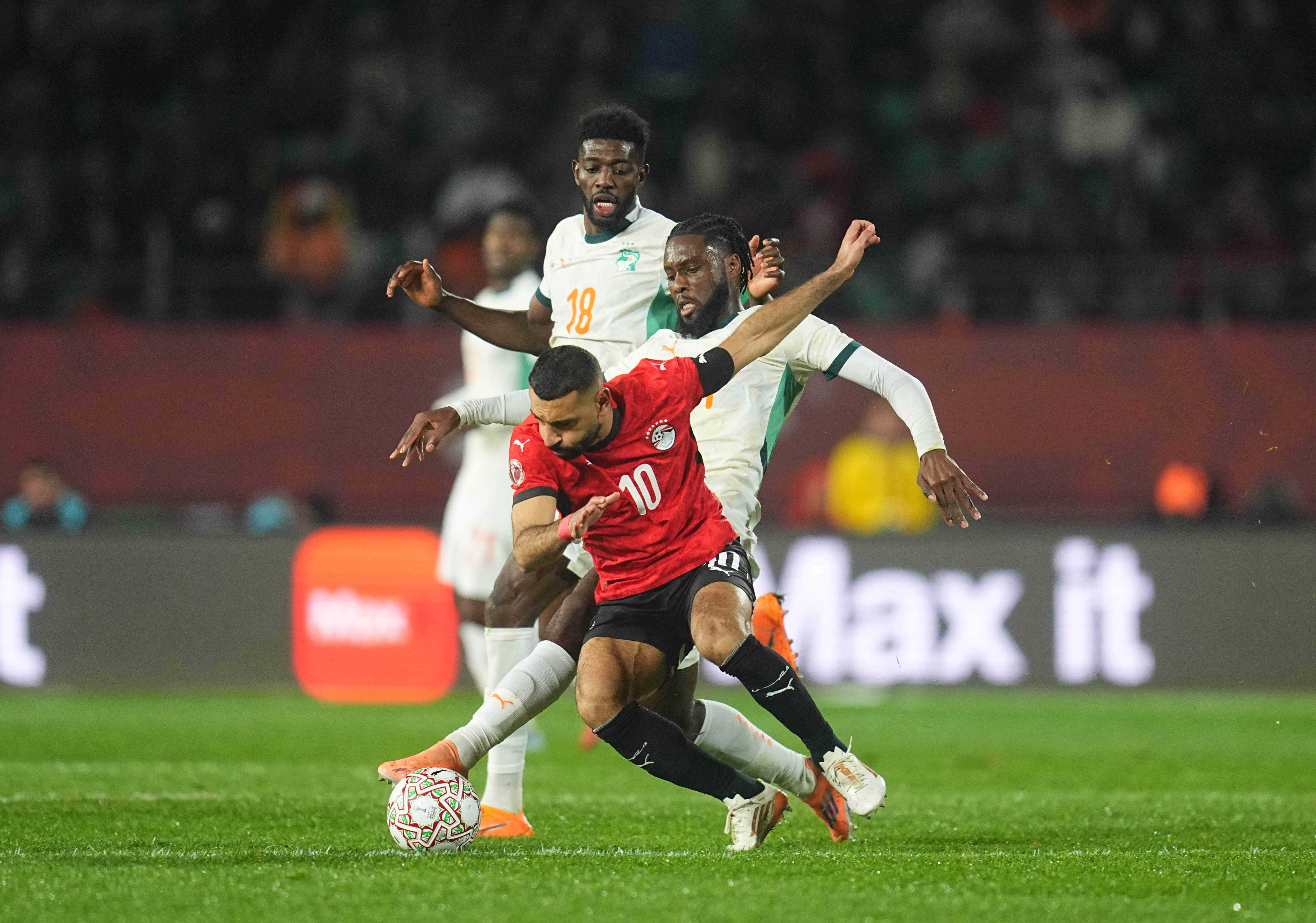
This will be the region’s most representative tournament, amid broad changes in its footballing landscape.
Issam Kayssi
If Indigenous land and water dispossession is ignored, climate adaptation strategies risk reproducing inequalities and worsening acute climate vulnerability.

Frederic Wehrey, Charles H. Johnson
Strengthening U.S.-Africa trade and advancing U.S. interests aren’t conflicting goals.

Tyler Beckelman, Kholofelo Kugler