Research
- +16
Stewart Patrick, Erica Hogan, Oliver Stuenkel, …
{
  "authors": [
    "Trinh Nguyen"
  ],
  "type": "legacyinthemedia",
  "centerAffiliationAll": "dc",
  "centers": [
    "Carnegie Endowment for International Peace"
  ],
  "collections": [],
  "englishNewsletterAll": "asia",
  "nonEnglishNewsletterAll": "",
  "primaryCenter": "Carnegie Endowment for International Peace",
  "programAffiliation": "AP",
  "programs": [
    "Asia"
  ],
  "projects": [],
  "regions": [
    "South Asia",
    "India",
    "Southeast Asia",
    "Indonesia"
  ],
  "topics": [
    "Economy",
    "Trade"
  ]
}
Source: Getty
The potential is clear for both India and Indonesia to transform their demographic booms into engines of domestic demand while positioning themselves as alternatives to China for labor-intensive manufacturing.
Source: Financial Times
At last, long-suffering investors in India’s economy have something to cheer about. On Friday, the country announced steep corporate tax cuts, sending the value of its main stock index up 6 per cent in dollar terms on the day and another 3 per cent on Monday.
The tax cut is significant, with the rate for manufacturing now on a par with low-rate jurisdictions such as Singapore. The message is that India is open to business, and that it aims not just to assuage investors’ concerns but to set a new path for growth. India’s prime minister Narendra Modi has been meeting investors and Indian diaspora on a US tour this week to make sure the message gets through.
It is about time. In a low-growth world, India and its regional neighbour Indonesia became investor favourites, boasting a combination that the developed world lacks: large populations and favourable demographic trends...
This article was originally published in the Financial Times.

Former Nonresident Scholar, Asia Program
Trinh Nguyen was a nonresident scholar in the Asia Program at the Carnegie Endowment for International Peace.
Recent Work


Stewart Patrick, Erica Hogan, Oliver Stuenkel, …
Trinh Nguyen
Carnegie does not take institutional positions on public policy issues; the views represented herein are those of the author(s) and do not necessarily reflect the views of Carnegie, its staff, or its trustees.

This piece argues that the present Indian strategy, based on opportunistic diversification and utilization of limited strategic reserves, remains inadequate when confronting supply disruptions. It evaluates India’s options in the short, medium, and long terms.

Vrinda Sahai
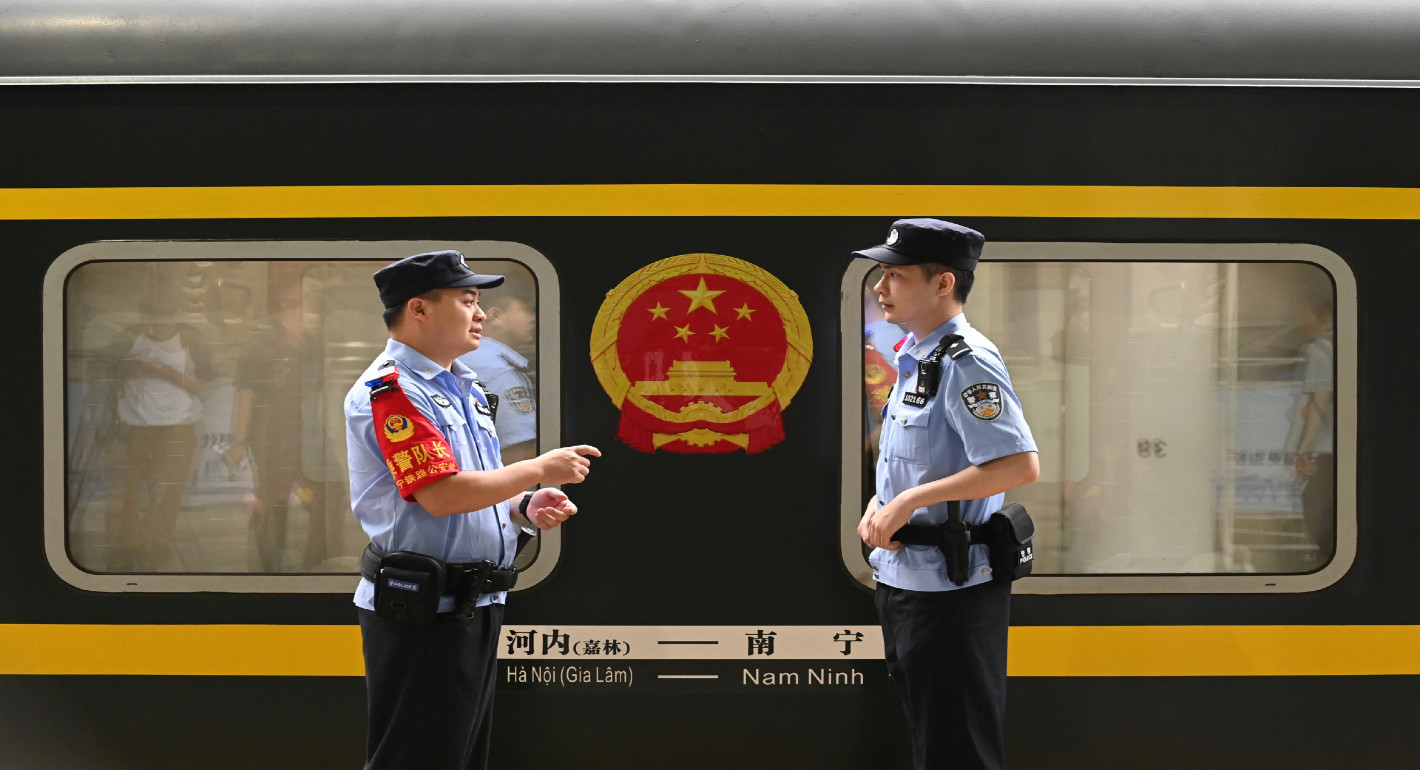
Despite long-standing differences, China and Vietnam are reinforcing common ground for collaboration, especially in public security. This internal security–centered diplomacy offers a strengthened road map for how China moves forward with Southeast Asia.
Sophie Zhuang
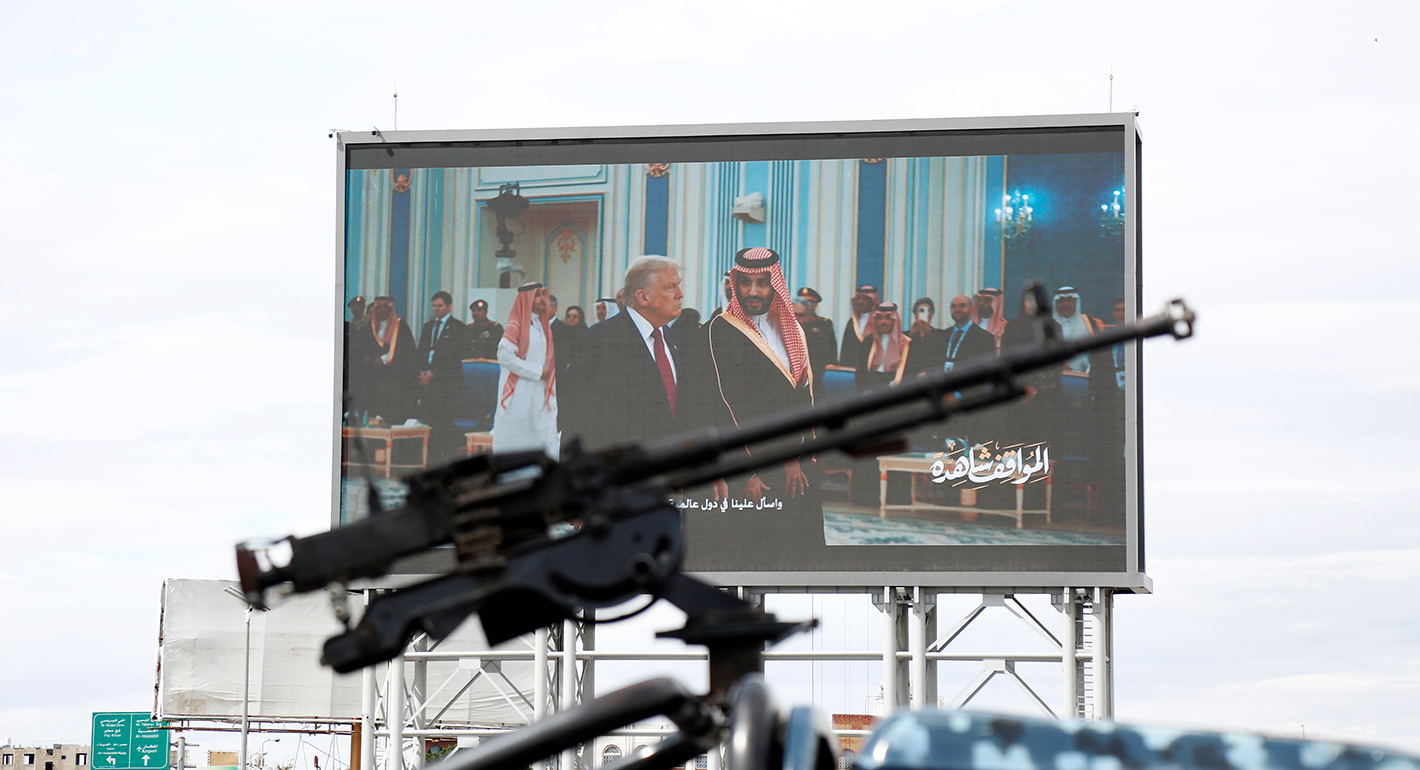
As the war between the United States, Israel, and Iran continues, Carnegie scholars contribute cutting-edge analysis on the events of the war and their wide-reaching implications. From the impact on Iran and its immediate neighbors to the responses from Gulf states to fuel and fertilizer shortages caused by the effective shutdown of the Strait of Hormuz, the war is reshaping Middle East alliances and creating shockwaves around the world. Carnegie experts analyze it all.
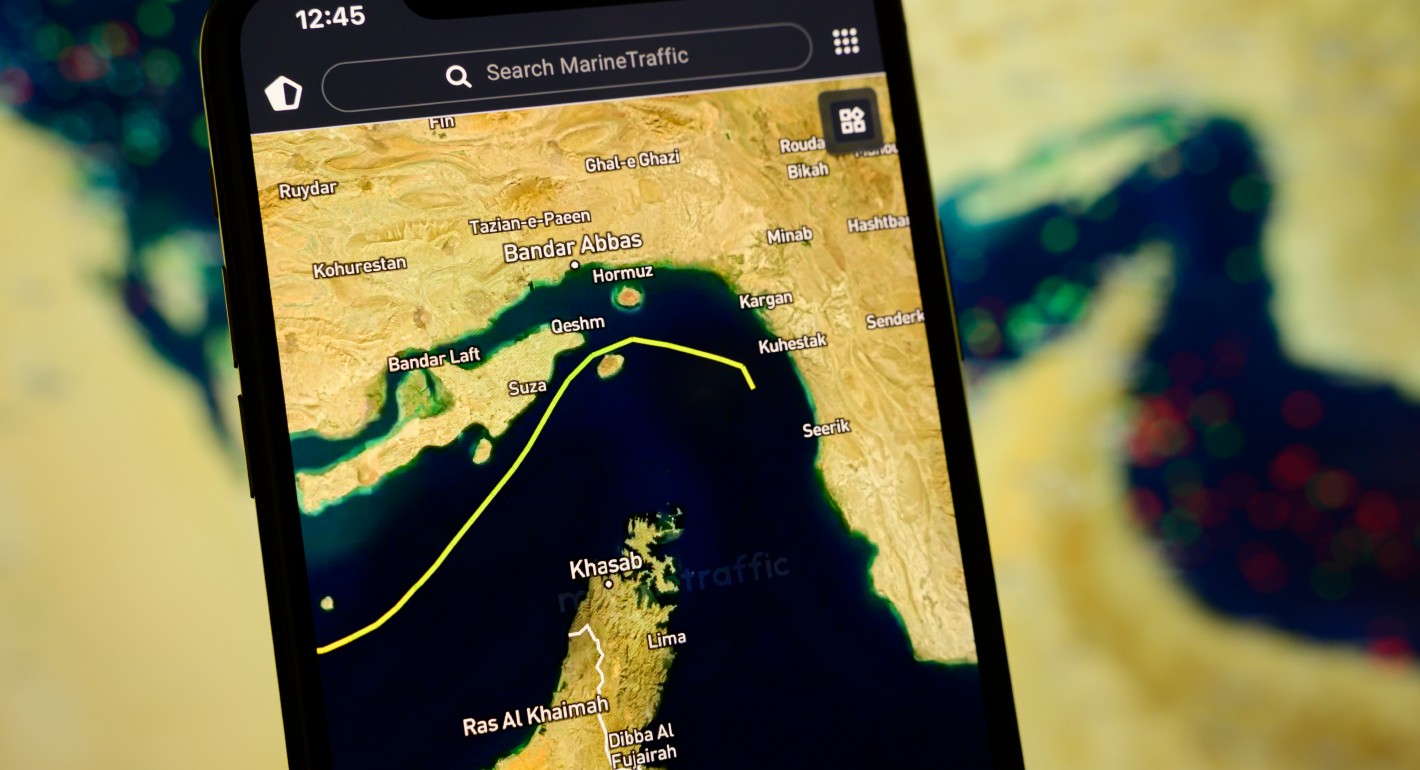
Why the Iran ceasefire isn’t a quick fix to the Strait of Hormuz energy crisis.


Helima Croft, Aaron David Miller
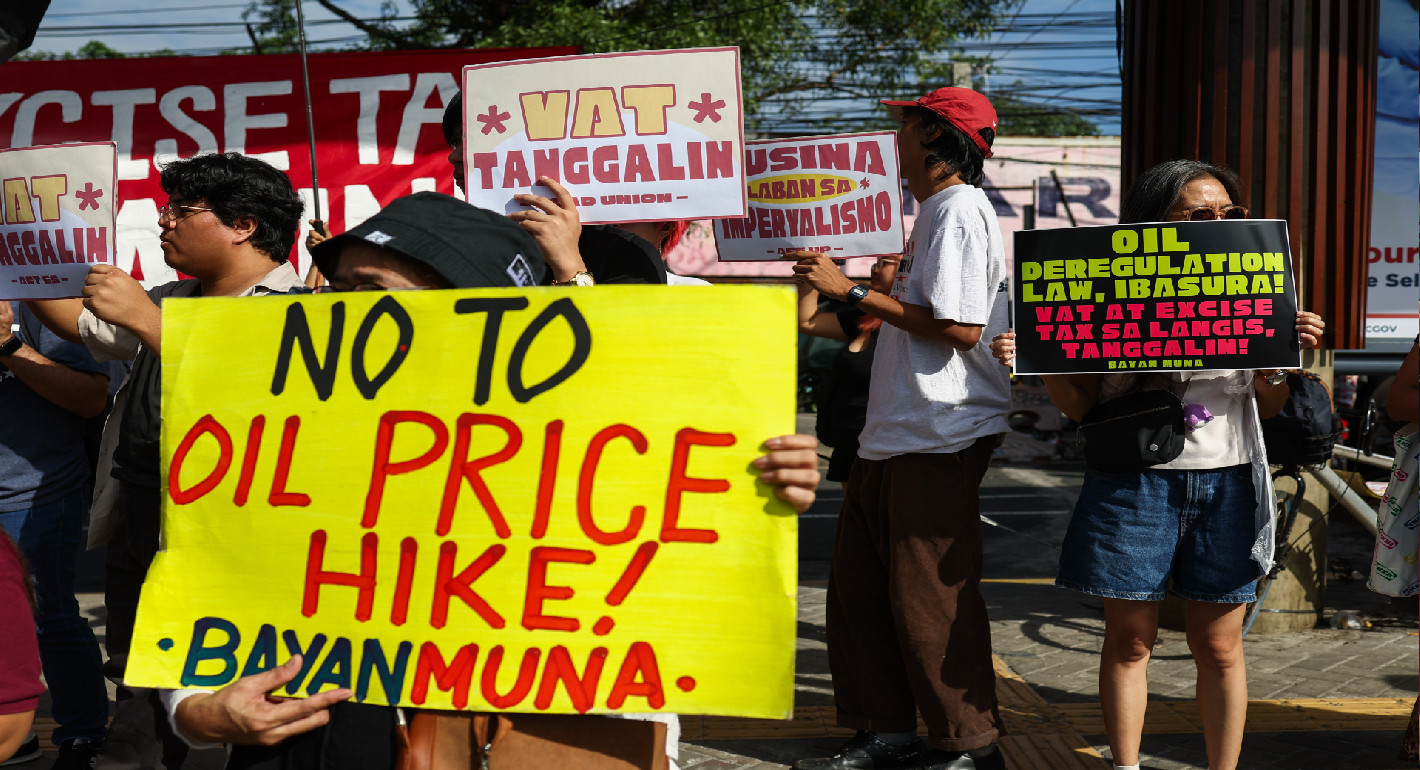
There is no better time for the countries of Southeast Asia to reconsider their energy security than during this latest crisis.

Gita Wirjawan