• Research
  • Strategic Europe
  • About
  • Experts
Carnegie Europe logoCarnegie lettermark logo
EUUkraine
  • Donate
{
  "authors": [
    "Christopher Boucek"
  ],
  "type": "legacyinthemedia",
  "centerAffiliationAll": "",
  "centers": [
    "Carnegie Endowment for International Peace"
  ],
  "collections": [
    "Arab Awakening"
  ],
  "englishNewsletterAll": "",
  "nonEnglishNewsletterAll": "",
  "primaryCenter": "Carnegie Endowment for International Peace",
  "programAffiliation": "",
  "programs": [
    "Middle East"
  ],
  "projects": [],
  "regions": [
    "Middle East",
    "Yemen"
  ],
  "topics": [
    "Economy",
    "Security"
  ]
}
In The Media

Yemen in Crisis

Until Yemen is able to address its confluence of crises, including poor governance, rampant corruption, major security concerns, unemployment, and a lack of desperately needed resources, terrorists operating in the country will continue to pose a threat to the international community.

Link Copied
By Christopher Boucek
Published on Jul 6, 2011

Source: National Interest

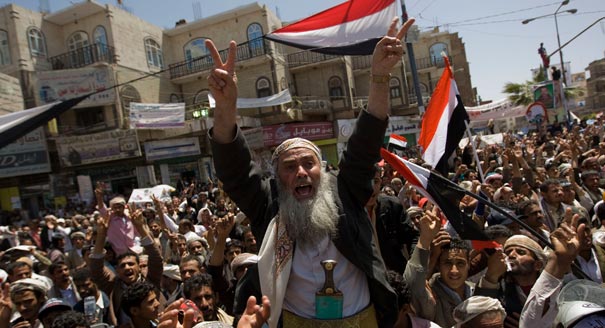
Yemen in CrisisThe ultimate fate of Yemeni President Ali Abdullah Saleh remains unclear. More than a month after he rushed to Saudi Arabia to seek medical treatment for injuries he sustained in an attack on the presidential mosque, there are still questions about his health. Rumors continue to swirl about whether or not Saleh will be able to return to Yemen. Without credible information and with little progress in resolving the country’s political crisis after months of protests, tensions are still high and the threat of further violence—and potentially broader, more widespread fighting—is very real.

The truth is that it is increasingly unlikely that Saleh will be able to get back to Yemen and actually govern again anytime soon. That is not a bad thing. Unfortunately, the alternative may be that Saleh’s family attempts to take on the opposition and wrest control of the government. Violence would likely erupt, and a country with huge numbers of weapons would inch closer to a complete meltdown.
Yemen needs to begin the transition to a new government—and the sooner the better. The faster the country is able to move past this political crisis, the faster the government can tackle the problems that underlie the country’s insecurity.
Yemen is facing a multitude of major challenges, all at the same time. The long list includes poor governance, rampant corruption, major security concerns, unemployment and a lack of desperately needed resources—notably water.
Most significantly, the country is also plagued with a catastrophic economic situation. It’s getting worse every day. The average Yemeni relies on only two dollars per day—less in certain regions—and the prices of food, water and cooking gas are climbing sharply. To make matters worse, the riyal is getting devalued and Yemen’s foreign currency holdings are drying up. So the government is left with little to no money to pay for salaries, pensions and subsidies.
And the government, even before the protests, has little capacity to deal with the challenges. The country is not going to be able to solve any of these issues in the short- or even medium-term—this is true regardless of how much international support and funding is available—but they need to be managed to prevent them from getting worse and fueling more instability.
Despite the magnitude of the problems, these are not the issues that keep most Americans awake at night. The fear in the West is terrorism.
The thing that really separates Yemen from all other countries swept up by the Arab Spring is that the most dangerous al-Qaeda franchise in the world calls the country home. As the protests grew earlier this year, the government began pulling its counterterrorism units away from a focus on al-Qaeda in the Arabian Peninsula (AQAP) and used its assets to protect the regime and control the protests. AQAP is taking advantage of the instability and enjoying more space to plan and prepare for terrorist operations on Western targets.
AQAP has had its hands in a number of terrorist incidents in recent years, with direct implications for America. And it should go without saying that a failing state with a strong al-Qaeda branch next door to Saudi Arabia, the world’s biggest oil producer, and prime shipping waters is a recipe for major international economic problems.
But even with this in mind, an exclusive focus on terrorism is the wrong choice for Washington. This will make matters worse. Until Yemen’s confluence of crises is dealt with, the United States won’t be safe from the threat coming out of Yemen. Washington is ramping up a so-called covert war targeting extremists in Yemen with drone strikes, but there needs to be a balance. The United States must be focused on improving the life of the average Yemeni. Washington must aim to address the systemic sources of instability in Yemen—and not simply terrorism and AQAP.
The United States, Europe and most importantly, Saudi Arabia need to work to ensure that Saleh doesn’t return to Yemen.  They need to pressure his son and nephews to relinquish their behind-the-scenes power over the country’s security and military services so that a transition can get underway immediately. Vice President Abed Rabbo Mansour al-Hadi needs to be empowered to lead this process. Terrorist threats can be reduced at some stage down the road.
Christopher Boucek
Former Associate, Middle East Program
Christopher Boucek
EconomySecurityMiddle EastYemen

Carnegie does not take institutional positions on public policy issues; the views represented herein are those of the author(s) and do not necessarily reflect the views of Carnegie, its staff, or its trustees.
More Work from Carnegie Europe

  • Commentary
    Strategic Europe
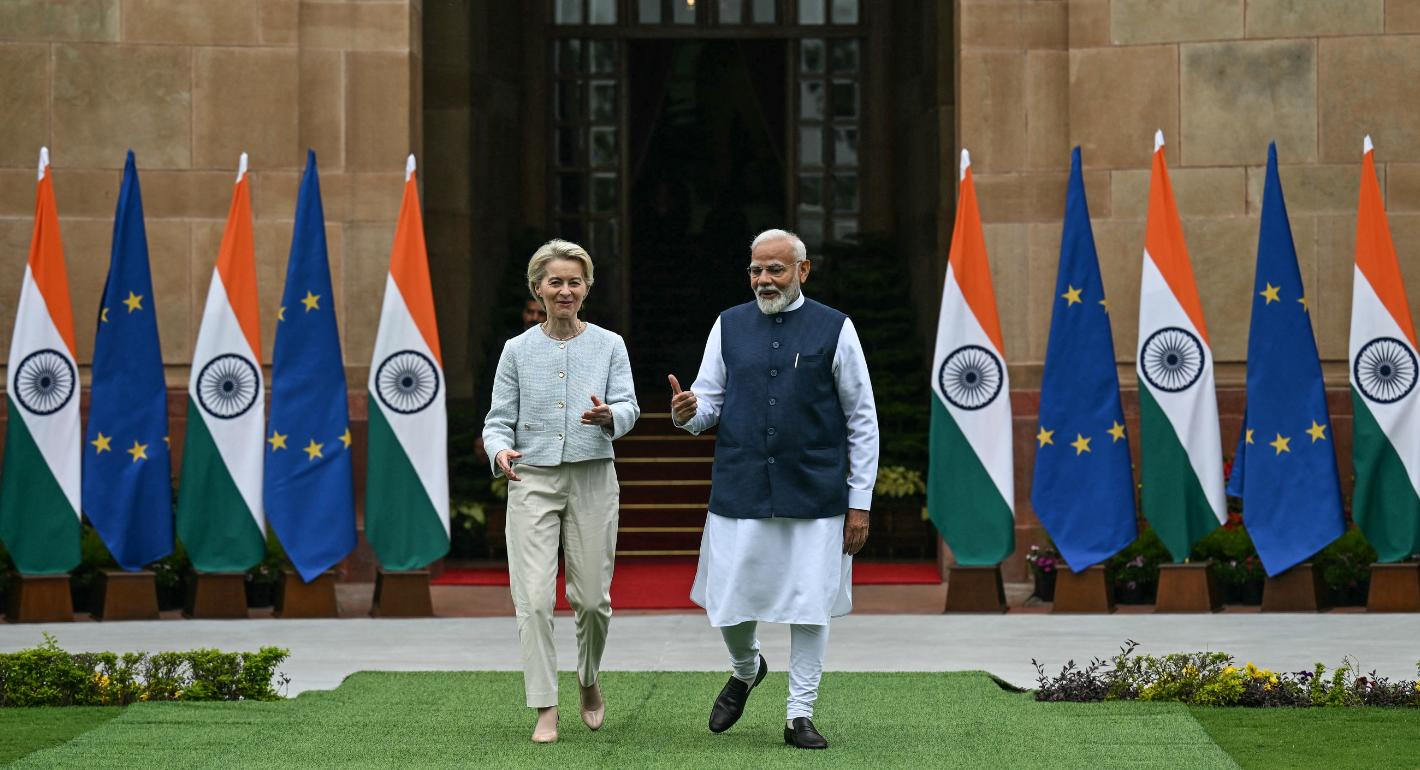
    The EU and India in Tandem

    As European leadership prepares for the sixteenth EU-India Summit, both sides must reckon with trade-offs in order to secure a mutually beneficial Free Trade Agreement.

      Dinakar Peri
  • Trump speaking to a room of reporters
    Commentary
    Emissary
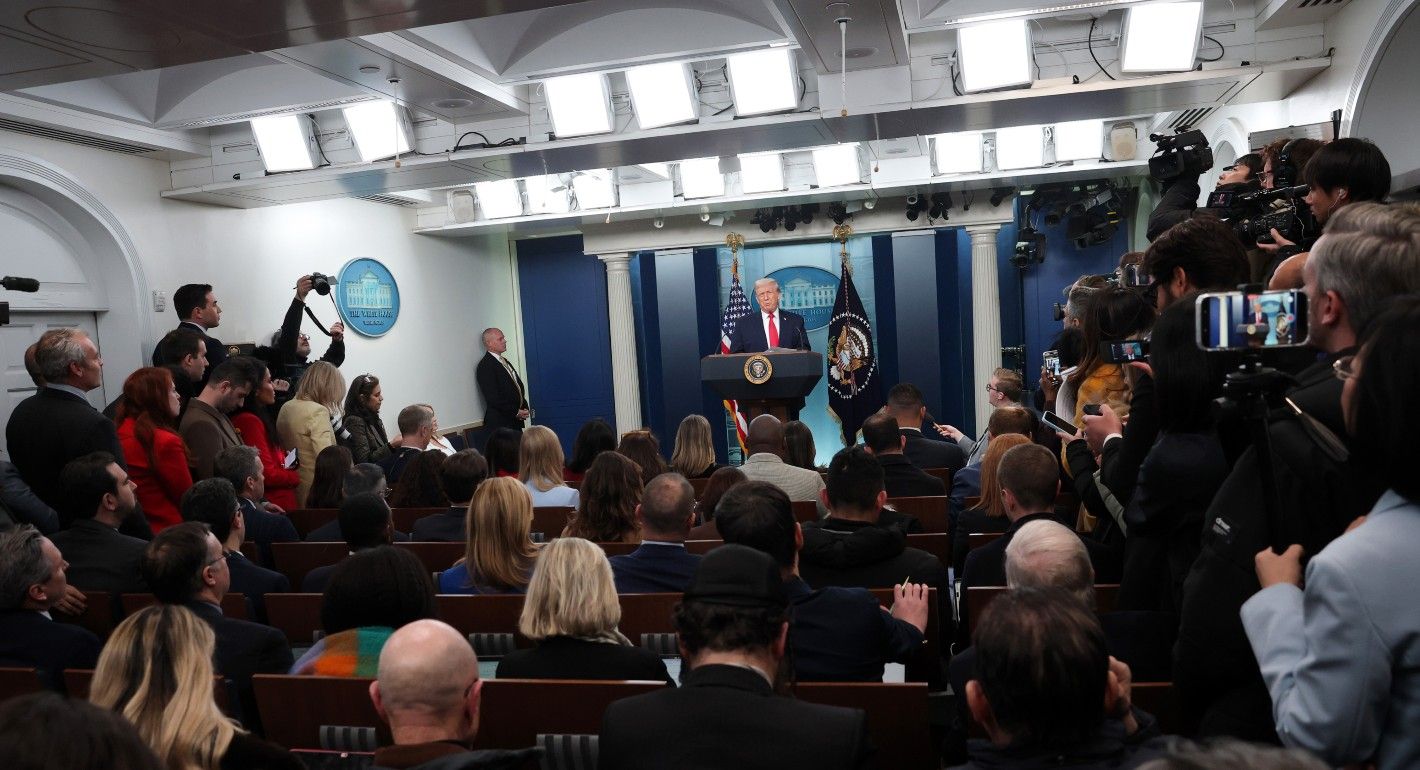
    Unpacking Trump’s National Security Strategy

    Carnegie scholars examine the crucial elements of a document that’s radically different than its predecessors.


      • Cecily Brewer
      • +18

      James M. Acton, Saskia Brechenmacher, Cecily Brewer, …

  • Commentary
    Strategic Europe
    Europe Faces the Gone-Rogue Doctrine

    The hyper-personalized new version of global sphere-of-influence politics that Donald Trump wants will fail, as it did for Russia. In the meantime, Europe must still deal with a disruptive former ally determined to break the rules.

      Thomas de Waal

  • Commentary
    Europe’s American Predicament

    Between Greenland and U.S. interference in Europe’s democracies, transatlantic relations risk rising to an unprecedented level of crisis. Amid continued arguments on how Brussels should react, tough times lie ahead for European leaders.

      Marc Pierini
  • Commentary
    Strategic Europe
    Taking the Pulse: What Issue Is Europe Ignoring at Its Peril in 2026?

    2026 has started in crisis, as the actions of unpredictable leaders shape an increasingly volatile global environment. To shift from crisis response to strategic foresight, what under-the-radar issues should the EU prepare for in the coming year?

      Thomas de Waal

Get more news and analysis from
Carnegie Europe
Carnegie Europe logo, white
Rue du Congrès, 151000 Brussels, Belgium
  • Research
  • Strategic Europe
  • About
  • Experts
  • Projects
  • Events
  • Contact
  • Careers
  • Privacy
  • For Media
  • Gender Equality Plan
Get more news and analysis from
Carnegie Europe
© 2026 Carnegie Endowment for International Peace. All rights reserved.