• Research
  • Strategic Europe
  • About
  • Experts
Carnegie Europe logoCarnegie lettermark logo
EUUkraine
  • Donate
{
  "authors": [
    "Dmitri Trenin"
  ],
  "type": "commentary",
  "centerAffiliationAll": "",
  "centers": [
    "Carnegie Endowment for International Peace",
    "Carnegie Russia Eurasia Center"
  ],
  "collections": [],
  "englishNewsletterAll": "",
  "nonEnglishNewsletterAll": "",
  "primaryCenter": "Carnegie Russia Eurasia Center",
  "programAffiliation": "",
  "programs": [],
  "projects": [],
  "regions": [
    "North America",
    "United States",
    "Russia",
    "Eastern Europe",
    "Ukraine"
  ],
  "topics": [
    "Foreign Policy"
  ]
}
Commentary
Carnegie Russia Eurasia Center

21st Century Great Game as a New Normal

The 25-year-long quest for Russia's integration with the West is off. A new normalcy is setting between Russia and the West resembles the Russo-British Great Game of the 19th century—this time between America and Russia.

Link Copied
By Dmitri Trenin
Published on Jun 30, 2014

In my discussions about Russia and the West in London last week, a sense of the end of an  era was palpable. The 25-year-long quest for Russia's integration with the West is off, at least for the foreseeable future, everyone agreed. Russia is pivoting to itself, to its partners in Eurasia, and to Asia. Ukraine symbolizes the new period of intense rivalry between Russia and the West.

Interestingly, this conclusion is accompanied by some regret, but not too much alarm. While "Mr. Putin's motives and strategies" are often believed to be a mystery, there is no fear of an impending armed conflict involving Russia and the West. Ukraine is seen as  remaining unstable for some time. Vladimir Putin has certainly won no friends in Western Europe, but a new cold war is not believed to be on the cards unless Russia goes on to destabilize the Baltics, which everyone, except the Balts themselves, thinks is a very long shot.

There is a general rejection of the Russian moves in Crimea and Ukraine. The official position is amplified by the media and its pundits, but despite the uniformity of condemnation, it rarely reaches the emotional peak. The U.S.-UK experience in Iraq is not forgotten, and too much self-righteousness is not appreciated.

Appetite for Ukraine, Georgia and Moldova drawing closer to the EU is very light. The disappointment which followed the 2004 Orange revolution has made people more cautious. There is particularly little willingness to foot Ukraine's bills. And there is absolutely no support for Ukraine's NATO membership. The business community is concerned about the effect of the sanctions, but it also tends to be pragmatic. It is now time to buy, while the Russian stock is low.

Russia and Ukraine no longer dominate the foreign policy debate. Other issues have come to the fore, such as the rise of extremists in Iraq and Syria, and most recently Britain's relations with the European Union. This does not suggest that things will get back to where they were between Russia and the West, but rather that a new normalcy is setting in, which will probably resemble the Russo-British Great Game of the 19th century—this time between America and Russia, and under conditions of globalization—than the 20th century Cold War between communism and capitalism.

Dmitri Trenin
Former Director, Carnegie Moscow Center
Foreign PolicyNorth AmericaUnited StatesRussiaEastern EuropeUkraine

Carnegie does not take institutional positions on public policy issues; the views represented herein are those of the author(s) and do not necessarily reflect the views of Carnegie, its staff, or its trustees.

More Work from Carnegie Europe

  • Commentary
    Strategic Europe
    Taking the Pulse: Is It Time for Europe to Reengage With Belarus?

    In return for a trade deal and the release of political prisoners, the United States has lifted sanctions on Belarus, breaking the previous Western policy consensus. Should Europeans follow suit, using their leverage to extract concessions from Lukashenko, or continue to isolate a key Kremlin ally?

      Thomas de Waal, ed.

  • Commentary
    Strategic Europe
    The EU and India in Tandem

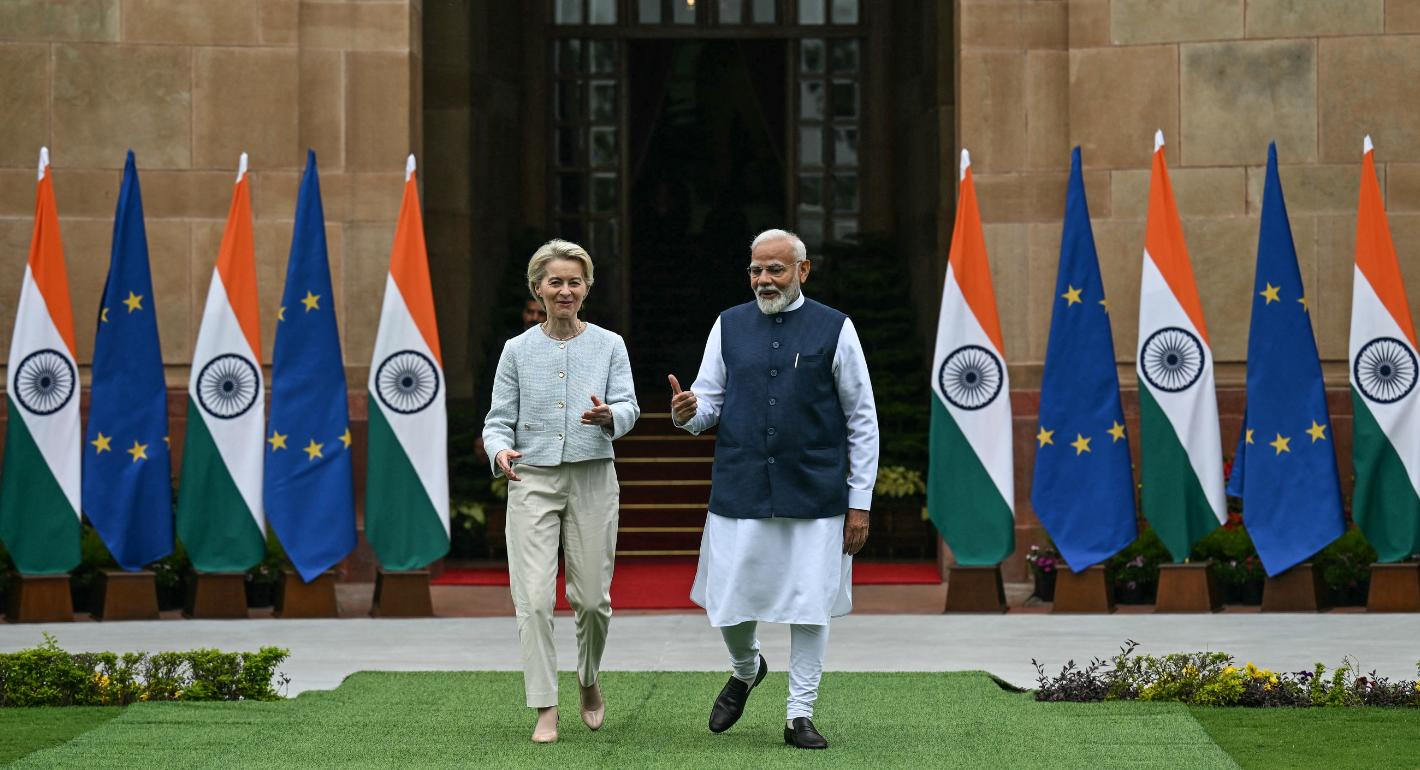
    As European leadership prepares for the sixteenth EU-India Summit, both sides must reckon with trade-offs in order to secure a mutually beneficial Free Trade Agreement.

      Dinakar Peri

  • Trump speaking to a room of reporters
    Commentary
    Emissary
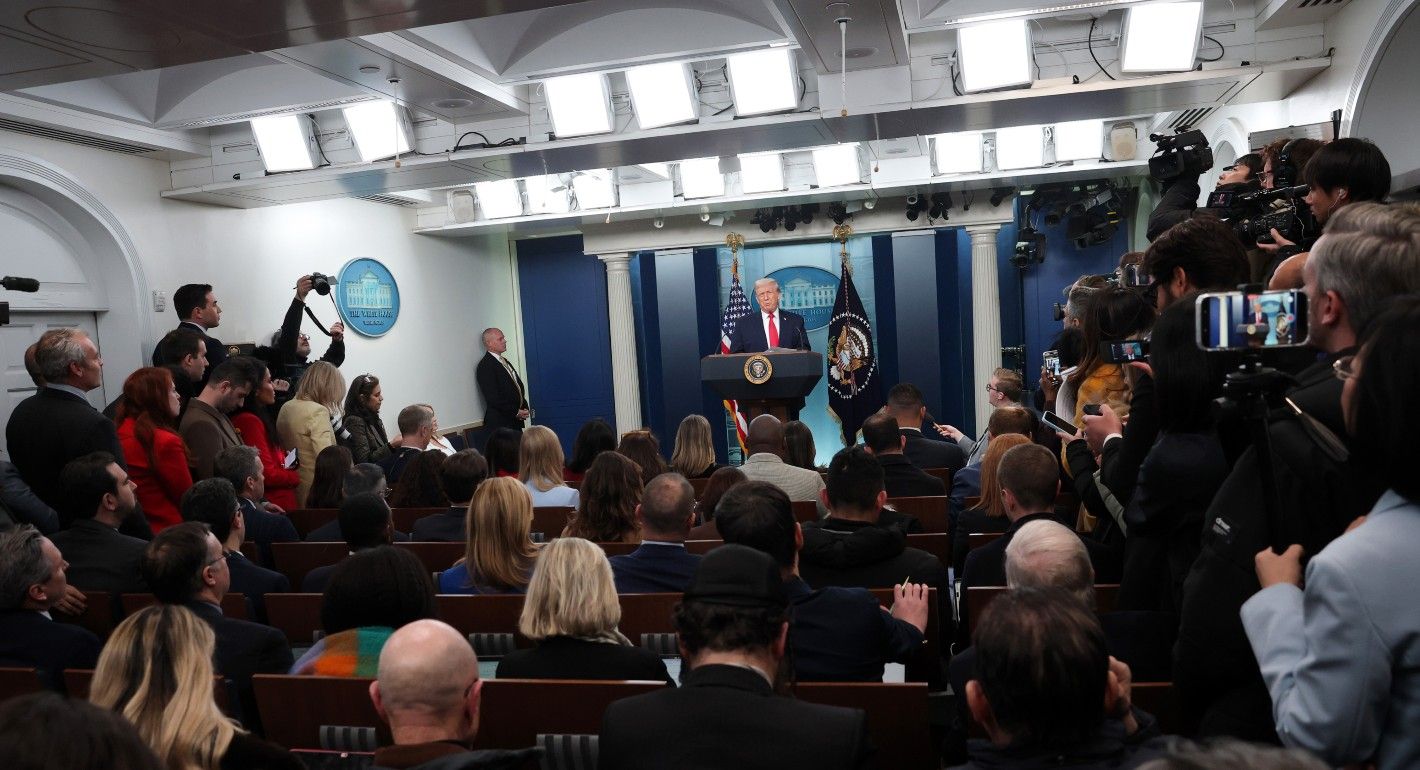
    Unpacking Trump’s National Security Strategy

    Carnegie scholars examine the crucial elements of a document that’s radically different than its predecessors.

      • Cecily Brewer
      • +18

      James M. Acton, Saskia Brechenmacher, Cecily Brewer, …

  • Commentary
    Strategic Europe
    Europe Faces the Gone-Rogue Doctrine

    The hyper-personalized new version of global sphere-of-influence politics that Donald Trump wants will fail, as it did for Russia. In the meantime, Europe must still deal with a disruptive former ally determined to break the rules.

      Thomas de Waal

  • Commentary
    Europe’s American Predicament

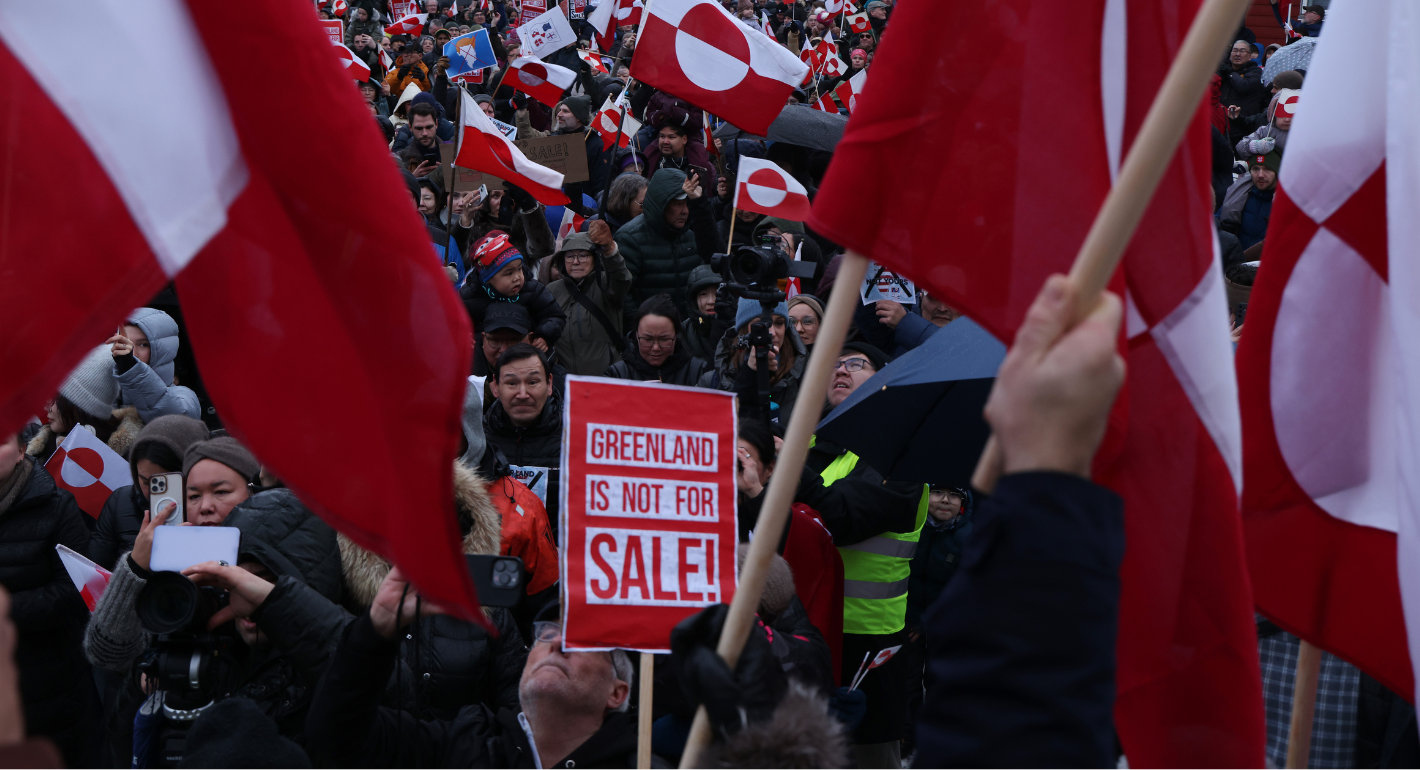
    Between Greenland and U.S. interference in Europe’s democracies, transatlantic relations risk rising to an unprecedented level of crisis. Amid continued arguments on how Brussels should react, tough times lie ahead for European leaders.

      Marc Pierini

Get more news and analysis from
Carnegie Europe
Carnegie Europe logo, white
Rue du Congrès, 151000 Brussels, Belgium
  • Research
  • Strategic Europe
  • About
  • Experts
  • Projects
  • Events
  • Contact
  • Careers
  • Privacy
  • For Media
  • Gender Equality Plan
Get more news and analysis from
Carnegie Europe
© 2026 Carnegie Endowment for International Peace. All rights reserved.