Source: International New York Times
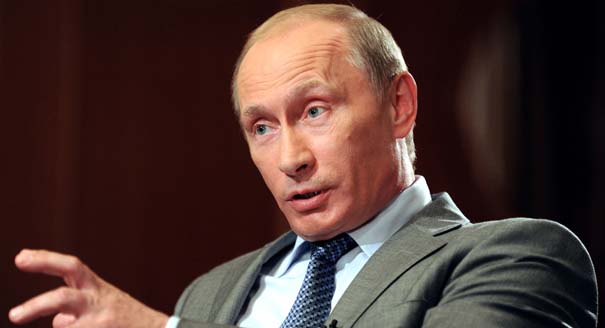
The dismal flood of news out of Ukraine could hardly be more discouraging for President Vladimir V. Putin of Russia.
The downing of Malaysia Airlines Flight 17, apparently at the hands of Russian-backed separatists, and the ghastly scenes at the crash site shocked the world. After months of dithering, Western leaders have imposed sweeping economic sanctions against Russia. The separatists themselves are in retreat, battered and bloodied.
Mr. Putin appears to be cornered. So why are Western leaders so antsy?
Because a cornered prey is unpredictable. A memorable passage from Mr. Putin’s 2000 quasi autobiography, “First Person,” tells you everything you need to know. Growing up in a dilapidated Leningrad apartment building, Mr. Putin used to chase rats with sticks. “Once I spotted a huge rat and pursued it down the hall until I drove it into a corner,” he recounted. “It had nowhere to run. Suddenly it lashed around and threw itself at me. I was surprised and frightened. Now the rat was chasing me.”
Mr. Putin’s risky, impetuous moves have surprised many observers, me included. Annexing Crimea; framing Russia’s foreign policy around protecting the “Russian world” (the Kremlin’s code word for the legions of Russian speakers scattered throughout the former Soviet Union); and subcontracting the insurgency in eastern Ukraine to marginal figures like ultranationalists, Ponzi scheme con artists and run-of-the-mill criminals — none of this seemed plausible before it happened.
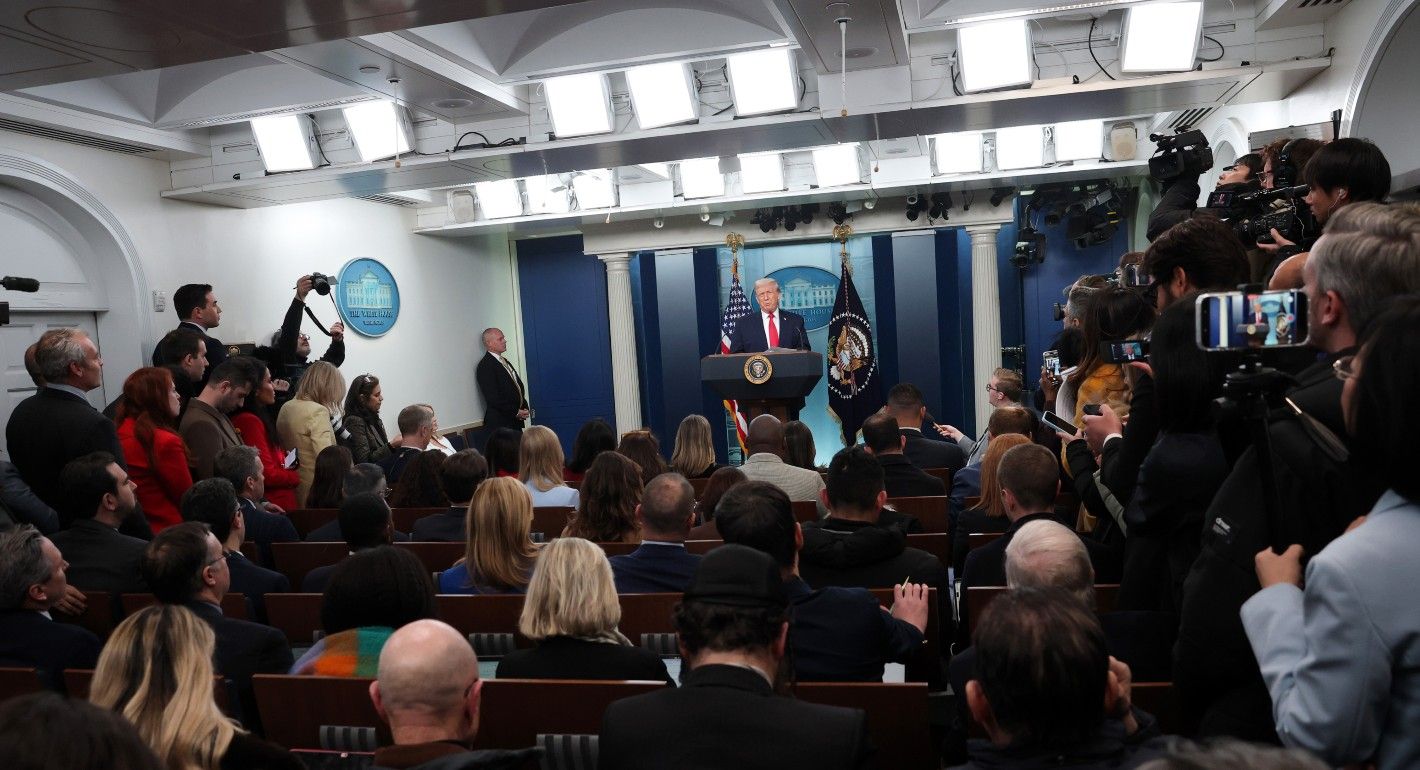
Even now, six months into this crisis, Western leaders don’t know how far Mr. Putin will go in Ukraine. President Obama said as much at a recent news conference, fretting that while Mr. Putin should want to resolve the crisis diplomatically, “People don’t always act rationally.”
Unfortunately, something more insidious than irrationality may be at work. Using sanctions as the principal tool to punish and deter Moscow has created a situation in which Mr. Putin may reasonably believe that the West’s real goal is what he has long suspected — regime change in Russia, not just in Ukraine — and that he cannot afford to retreat.
But even if Western governments wanted to explore a quiet compromise, it’s not clear whom they could talk to in Moscow. Nearly all of the important figures in the Russian power structure are on the sanctions list — save Mr. Putin. The Obama-Putin phone calls, which are closely monitored by both countries’ foreign policy bureaucracies, have become a poor venue for real give and take.
For want of a better option, Western powers seem to be banking on letting the Ukrainians bloody Moscow’s nose, which might set up a more fruitful diplomatic process somewhere down the road. Combined with the sanctions effort, the West’s policy is based primarily on the hope that Mr. Putin will eventually change course or that elite and public support for him will fracture.
Unfortunately, time is not on the West’s — or Ukraine’s — side. Moscow is once again building up its troop presence along the border, and there is growing fear that Mr. Putin will intervene militarily. Even the severe sanctions on the state-owned Russian banking sector will take time to bite, given Moscow’s hard currency reserves and limited refinancing needs. The longer the war continues, the more challenging it will be to sustain Ukraine’s ravaged, dysfunctional economy, especially as winter approaches. Against the backdrop of Mr. Putin’s sky-high popularity and a surge in nationalist sentiment, the Kremlin can simply blame foreign enemies for any economic difficulties it encounters.
Preventing Russia from establishing a protectorate or frozen conflict in eastern Ukraine is an urgent and worthy goal. But we need to ask whether the course we’re on is too risky. One immediate priority should be re-establishing real channels of communication with Mr. Putin and his inner circle. We still don’t know what they want.
While reminding Mr. Putin not to underestimate Western or Ukrainian resolve, Mr. Obama can highlight the cost to Russia of further escalation and put on the table three proposals, which must be closely coordinated with Kiev. The first would be to establish a lasting, verifiable cease-fire under the auspices of the United Nations or the Organization for Security and Cooperation in Europe, combined with a reinforced border-monitoring effort to block additional military assistance to the separatists.
Second, Kiev would agree to honor its commitments to transfer power to regional governments, protect the Russian language and arrange for direct election of local officials — all objectives of the Russian-backed groups.
The third proposal would be to begin a conversation about the future of Ukraine between Russia and the West. Even such ideologically different geostrategists as Zbigniew Brzezinski and Henry A. Kissinger are on record as favoring some form of neutrality for Ukraine for the foreseeable future.
Mr. Putin may not be receptive to these ideas, of course, but Mr. Obama can remind him that it’s probably only a matter of time before the United States supplies lethal military assistance to the Ukrainians and NATO expands its presence along Russia’s borders.
Any durable solution to the Ukraine crisis will require both Kiev and Moscow to find political wiggle room and to forge a much-needed long-term accommodation on political, economic and energy ties that cannot be replaced by the West. At the same time, Mr. Putin’s capabilities and willingness to wreak havoc inside Ukraine — and even farther afield in places like the Baltics — are not going to disappear anytime soon. We should keep that in mind before betting on his unconditional surrender.
This article was originally published in the International New York Times.