• Research
  • Strategic Europe
  • About
  • Experts
Carnegie Europe logoCarnegie lettermark logo
EUUkraine
  • Donate
{
  "authors": [
    "Richard Youngs"
  ],
  "type": "legacyinthemedia",
  "centerAffiliationAll": "",
  "centers": [
    "Carnegie Endowment for International Peace",
    "Carnegie Europe"
  ],
  "collections": [],
  "englishNewsletterAll": "",
  "nonEnglishNewsletterAll": "",
  "primaryCenter": "Carnegie Europe",
  "programAffiliation": "",
  "programs": [
    "Europe"
  ],
  "projects": [],
  "regions": [
    "Europe",
    "Western Europe",
    "Iran"
  ],
  "topics": [
    "EU",
    "Democracy",
    "Technology"
  ]
}
In The Media
Carnegie Europe

Digital Media Is a Double-Edged Sword

Digital media is already affecting foreign policy, by providing quick, inside information from the ground. While this is a largely positive development, there are dangers too.

Link Copied
By Richard Youngs
Published on Sep 11, 2014

Source: Deutsche Welle

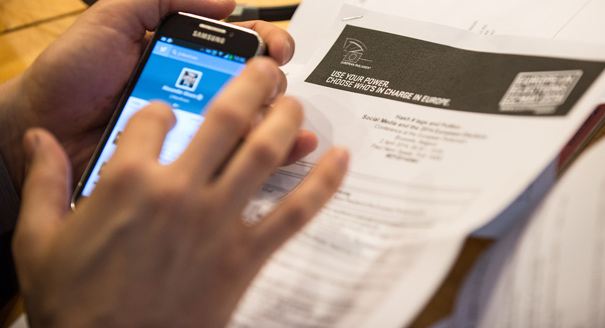
Can social media gauge public opinion on emerging issues? Have they become the key platform for dialogue? Digitization has huge potential for European foreign and security policy. Richard Youngs of the international think tank Carnegie Europe reflects on questions regarding the theme of the 2015 Global Media Forum.

Are we on our way toward a European media democracy?

Digital media is a double-edged sword: it empowers groups who have a cosmopolitan, international outlook, but also those who have very inward-looking chauvinistic agendas. As we saw in the EP elections, it does not necessarily lead to a closer sense of European community. It may make this possible, but it depends what we as citizens do with it. It facilitates communication across borders, but where major substantive differences drive states apart digital communication is not a solution.

Social media have increased the number of parties involved in debate and the number of discussions and opinions, especially from civil society groups. Now it’s all about speed, interactivity and emotionality. Is the political realm prepared for that?

Digital media is, of course, already affecting foreign policy. In a positive sense, it helps provide quick, inside information from the ground. No-one can say they are ignorant today when a tragedy like Gaza or Ukraine happens. This gives governments a stronger understanding upon which to base their actions, even as it increases public pressure on them to react to crises. Again, while this is a largely positive development, there are dangers too. There is the challenge of verifying information from the ground; the social media can become a battleground for different advocacy campaigns and people with singular agendas, rather than encouraging balanced, well-grounded analysis. And it may push governments into a 'We must do something' kind of foreign policy: good in one way, but one must recall that most foreign policy crises still need long-term and balanced solutions.

E-democracy, e-government and e-campaigning are key terms in the discourse about the Internet’s significance. They promise to make political activities more transparent. Will conventional diplomacy soon be obsolete?

I am not sure government-led foreign policy will disappear. Indeed, governments are trying to use e-based ICT groups in other countries to help carry forward projects on democracy and human rights, for example. The danger is perhaps that we come to expect too much of digital communications technology: events in many countries have shown that ICT helps mobilize people but regimes can also use it skilfully, and normal politics is still required to really change the quality of democracy.

You say the EU should do more to promote international democracy and rely more heavily on civil society. In that case, shouldn’t the EU’s new head of foreign policy be well-versed in the whole repertoire of digital communications?

Absolutely correct, and very well put: ideally the new High Rep should be someone aware of the importance of this kind of new diplomacy which goes beyond state-to-state relations. The EU is doing many interesting things in this area, supporting activists around the world on digital projects; again it is important not to oversell what this can achieve but also to make sure that the EU's high security policies do not cut across such approaches.

This interview was originally published by Deutsche Welle.

Richard Youngs
Senior Fellow, Democracy, Conflict, and Governance Program
Richard Youngs
EUDemocracyTechnologyEuropeWestern EuropeIran

Carnegie does not take institutional positions on public policy issues; the views represented herein are those of the author(s) and do not necessarily reflect the views of Carnegie, its staff, or its trustees.

More Work from Carnegie Europe

  • Commentary
    Strategic Europe
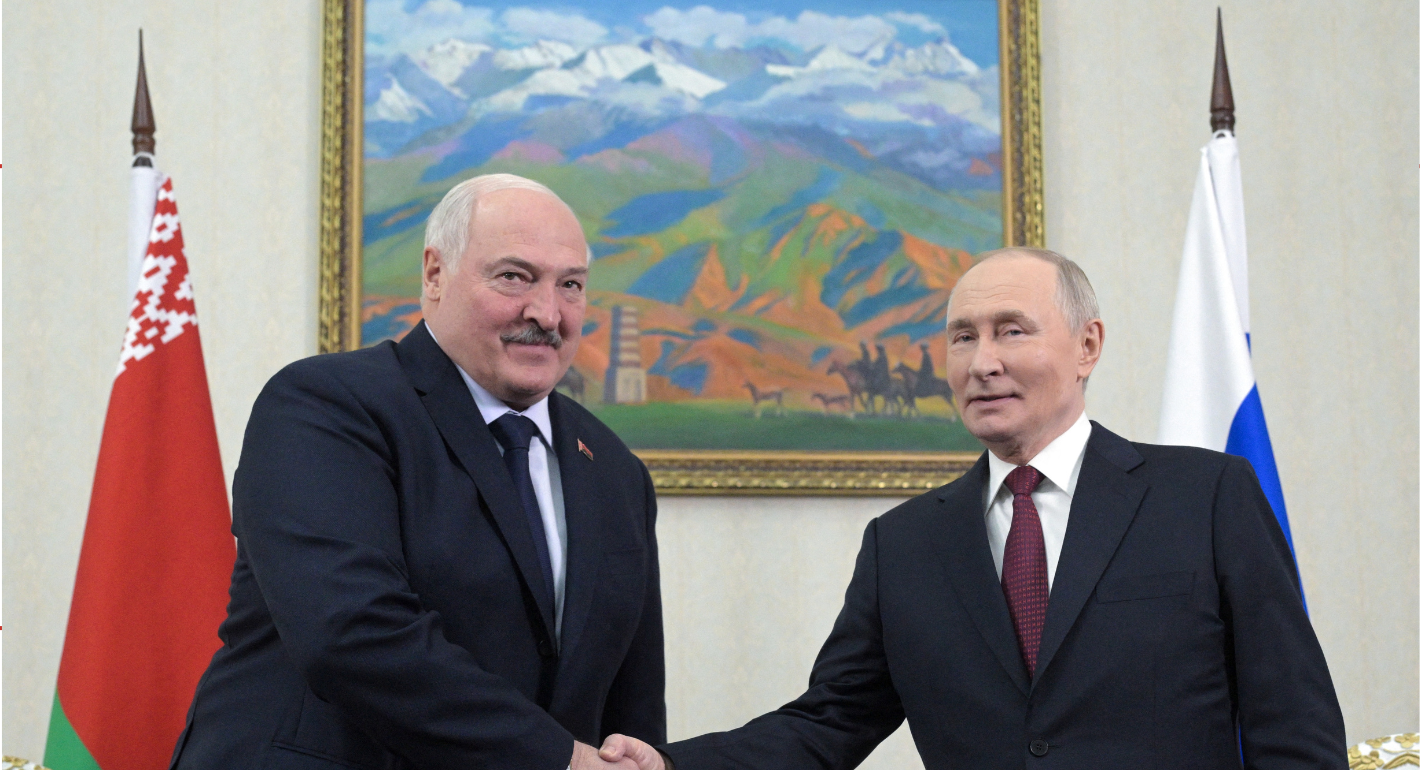
    Taking the Pulse: Is It Time for Europe to Reengage With Belarus?

    In return for a trade deal and the release of political prisoners, the United States has lifted sanctions on Belarus, breaking the previous Western policy consensus. Should Europeans follow suit, using their leverage to extract concessions from Lukashenko, or continue to isolate a key Kremlin ally?

      Thomas de Waal, ed.

  • Commentary
    Strategic Europe
    New Tricks and AI Tools in Hungary’s High-Stakes Election

    Hungarian Prime Minister Viktor Orbán faces his most serious challenge yet in the April 2026 parliamentary elections. All of Europe should monitor the Fidesz campaign: It will use unprecedented methods of electoral manipulation to secure victory and maintain power.

      Zsuzsanna Szelényi

  • Commentary
    Strategic Europe
    The EU and India in Tandem

    As European leadership prepares for the sixteenth EU-India Summit, both sides must reckon with trade-offs in order to secure a mutually beneficial Free Trade Agreement.

      Dinakar Peri

  • Commentary
    Strategic Europe
    Europe Faces the Gone-Rogue Doctrine

    The hyper-personalized new version of global sphere-of-influence politics that Donald Trump wants will fail, as it did for Russia. In the meantime, Europe must still deal with a disruptive former ally determined to break the rules.

      Thomas de Waal

  • Commentary
    Europe’s American Predicament

    Between Greenland and U.S. interference in Europe’s democracies, transatlantic relations risk rising to an unprecedented level of crisis. Amid continued arguments on how Brussels should react, tough times lie ahead for European leaders.

      Marc Pierini

Get more news and analysis from
Carnegie Europe
Carnegie Europe logo, white
Rue du Congrès, 151000 Brussels, Belgium
  • Research
  • Strategic Europe
  • About
  • Experts
  • Projects
  • Events
  • Contact
  • Careers
  • Privacy
  • For Media
  • Gender Equality Plan
Get more news and analysis from
Carnegie Europe
© 2026 Carnegie Endowment for International Peace. All rights reserved.