

Commentary
As European leadership prepares for the sixteenth EU-India Summit, both sides must reckon with trade-offs in order to secure a mutually beneficial Free Trade Agreement.
Dinakar Peri
{
  "authors": [
    "Yukon Huang"
  ],
  "type": "legacyinthemedia",
  "centerAffiliationAll": "",
  "centers": [
    "Carnegie Endowment for International Peace",
    "Carnegie China",
    "Carnegie Russia Eurasia Center"
  ],
  "collections": [],
  "englishNewsletterAll": "",
  "nonEnglishNewsletterAll": "",
  "primaryCenter": "Carnegie China",
  "programAffiliation": "",
  "programs": [
    "Asia"
  ],
  "projects": [],
  "regions": [
    "North America",
    "United States",
    "East Asia",
    "China",
    "Western Europe"
  ],
  "topics": [
    "Political Reform",
    "Economy",
    "Foreign Policy",
    "Trade"
  ]
}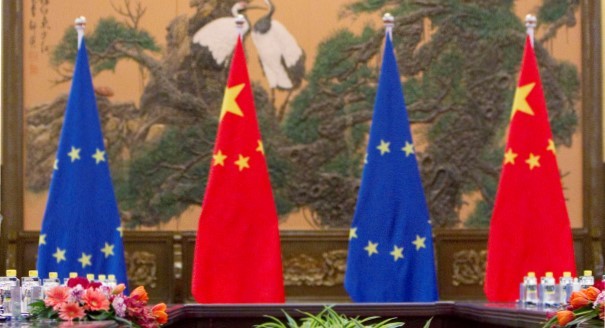
Political sensitivities, security concerns, and industrial structure direct the flow of investments.
Source: Financial Times
China’s outward direct investment in the US and Europe is notable for its size and geopolitical implications, but it is not seen as an unqualified good.
Private Chinese investors target overseas property to diversify their assets, while large state-owned or well-connected companies see the potential for accessing technology or establishing a global presence in strategic activities.
Many in the US and Europe welcome the inflows for the jobs they bring, but others complain about unfair competition and regard sales of sophisticated technologies to the Chinese as a security risk.
There is a general perception that the bulk of China’s FDI goes to America. But this is misguided. It accounts for only about 2-3 per cent of China’s outward investment over the past decade and much more has been going to Europe, which is of comparable size measured by gross domestic product and trade volumes.As I have noted before, US direct investment in China is also surprisingly modest compared with the much larger flows from Europe.This is because those from Europe are heavily concentrated in manufactured goods and the bloc’s strengths there have bettercomplemented China’s market needs, while America’s exports have been focused on agricultural products.
Economic factors only partially explain the difference in FDI from China. Political sensitivities play a significant role. Chinese companies are more attracted to Europe, again, because their industrial structures are more complementary. In addition, the EU is more receptive to such investment.
The sectors targeted vary. The Rhodium Group finds that China invests significantly more in European utilities and energy. Automobile, transportation and machinery-related activities also reflect the dominance of such products in EU-China trade.
American strengths are its entertainment and metals and minerals sectors, although Beijing has now clamped down on deals—as seen in the blocking of Dalian Wanda’s planned $1bn purchase of US TV production company Dick Clark Productions—given concerns about their merits and declining foreign currency reserves.
For China, the EU is a much easier market to penetrate because it offers a greater choice of partners. This could be seen as a “divide and conquer” strategy: if one EU country restricts access, a Chinese company could access the bloc’s market through a different member country. (Thus, Brexit is likely to make the UK less attractive for FDI if it means losing access to the EU.)
Although partnerships with individual US states are possible, overarching federal policies govern American companies regardless of where their headquarters are situated. This is a disadvantage for inward investment compared with the EU’s more open environment.
Security concerns are another barrier in the US because its technological superiority helps preserve its status as the leading world power.
Many Chinese investments are subject to review by the Committee on Foreign Investment (Cfius), which determines whether deals with foreign corporations, especially state-owned ones, raise antitrust or national security issues. China accounts for only a few per cent of FDI in the US, but comprises nearly a quarter of Cfius cases.
This is especially relevant in high tech. In late 2012, the US House intelligence committee recommended that Cfius block acquisitions involving Huawei, the Chinese telecommunications company, on security grounds.
Huawei has had better luck in Europe. The UK set up a special centre to examine Huawei’s technology and establish that its products met security standards. Huawei now comprises nearly 22 per cent of mobile network infrastructure spending in Europe, the Middle East and Africa. In contrast, it has less than 3 per cent of the telecoms market in North America.
However, such successes may be shortlived. After the Brexit referendum, the UK’s Prime Minister Theresa May signalled a more cautious approach by putting on hold Chinese-French financing of a nuclear plan on security grounds—although it was later cleared.
This was followed by concerns in Germany about a Chinese appliance maker taking over the hightech engineering company Kuka. And France’s President Emmanuel Macron has recently expressed reservations about Chinese investments on security grounds.
In addition, as China’s FDI increases, American and European companies complain of discrimination over access to China’s growing domestic market. Reciprocity has become part of their negotiating platform.
The best means to deal with these issues are the bilateral investment treaties that have been under negotiation. But discussions with the EU have been disrupted by Brexit, and the Trump administration may resist any agreement that would encourage American companies to invest more abroad.
For Europe and the US, more foreign investment from China and the opening up of restricted sectors in China would create obvious benefits for both sides. These treaties should be high on everyone’s agenda even if right now it does not seem politically expedient.
Carnegie does not take institutional positions on public policy issues; the views represented herein are those of the author(s) and do not necessarily reflect the views of Carnegie, its staff, or its trustees.
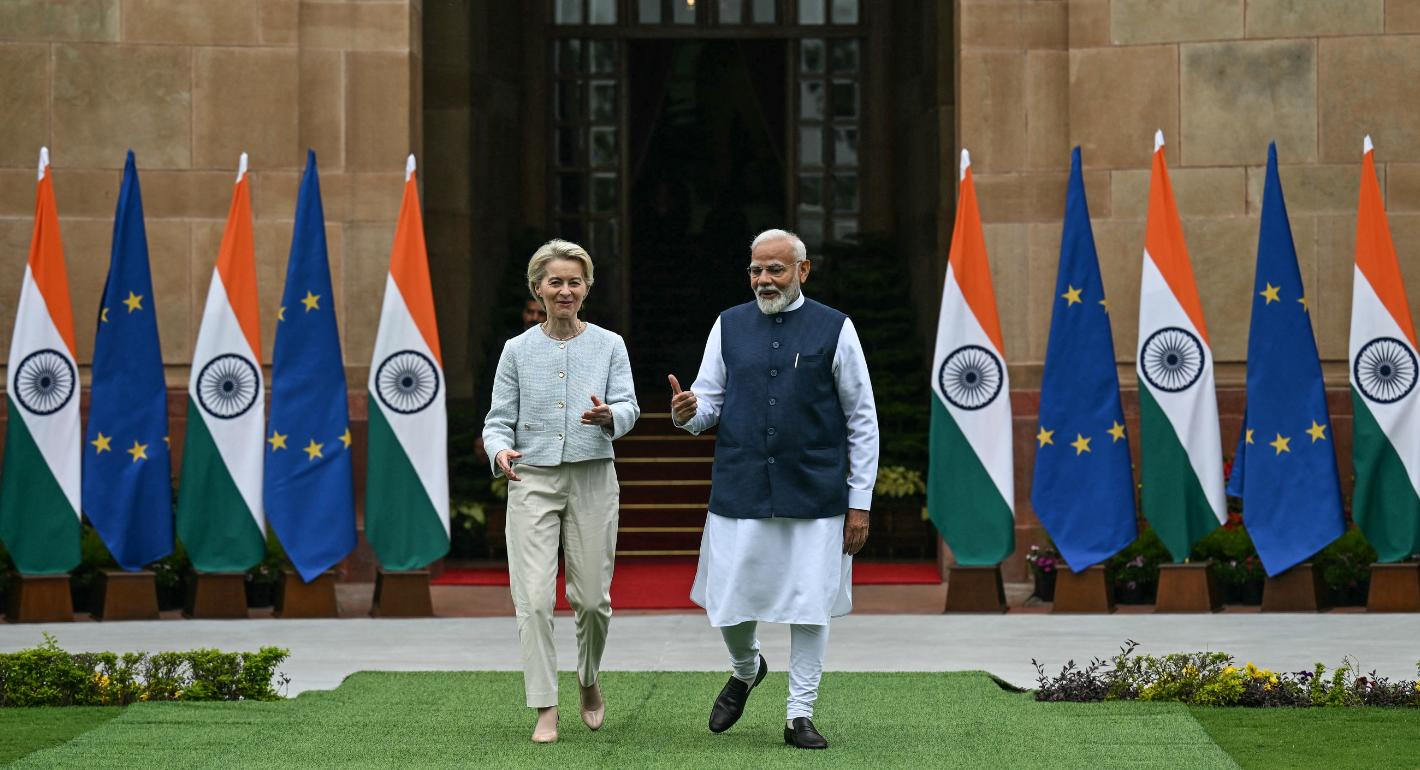
As European leadership prepares for the sixteenth EU-India Summit, both sides must reckon with trade-offs in order to secure a mutually beneficial Free Trade Agreement.

Dinakar Peri
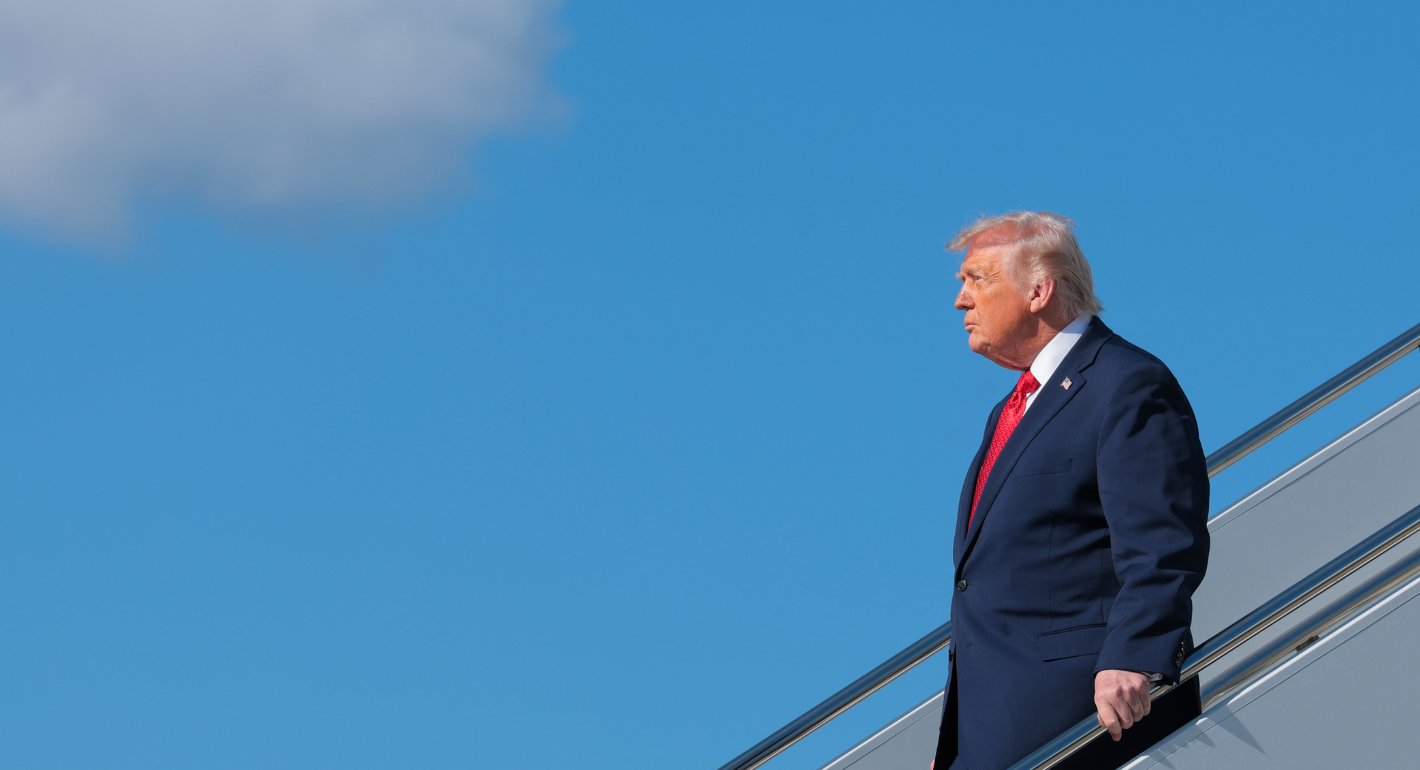
The hyper-personalized new version of global sphere-of-influence politics that Donald Trump wants will fail, as it did for Russia. In the meantime, Europe must still deal with a disruptive former ally determined to break the rules.

Thomas de Waal
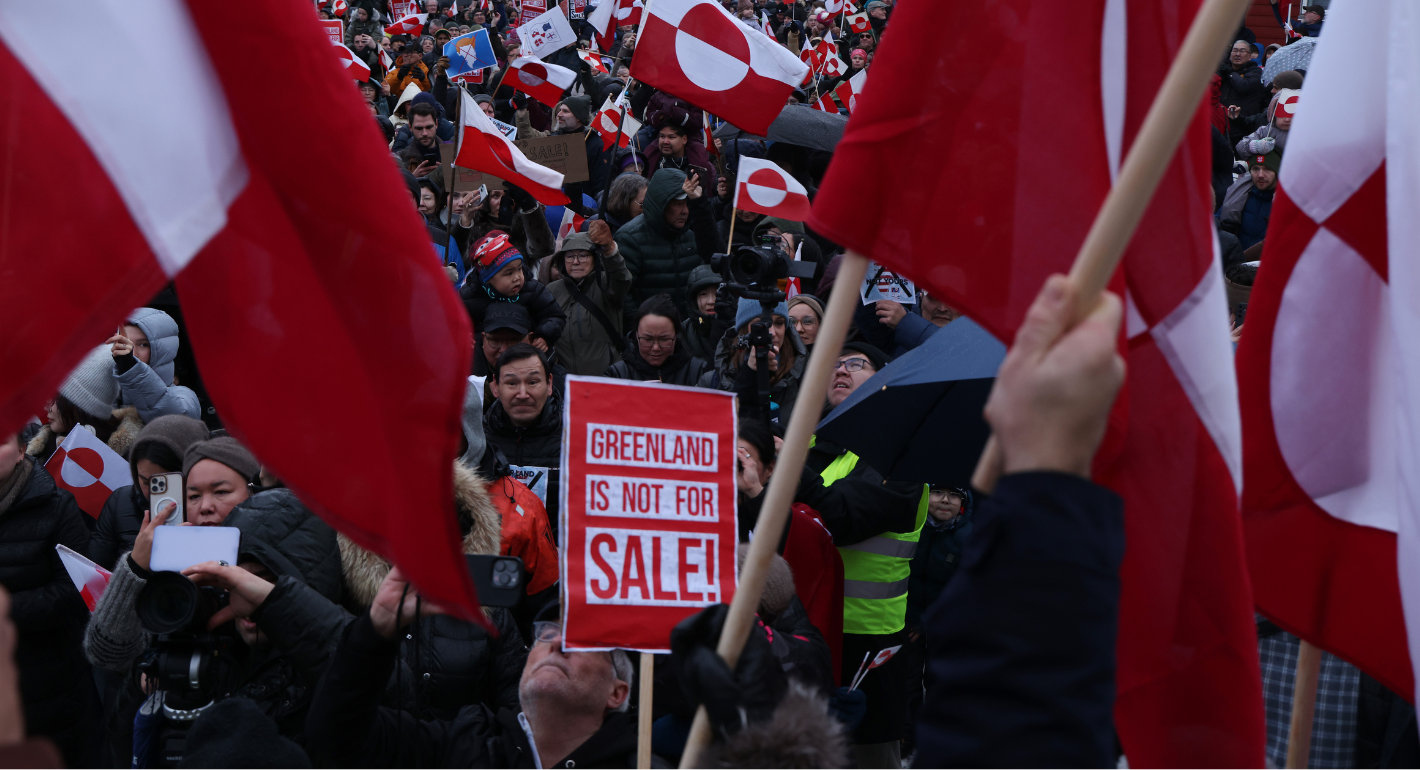
Between Greenland and U.S. interference in Europe’s democracies, transatlantic relations risk rising to an unprecedented level of crisis. Amid continued arguments on how Brussels should react, tough times lie ahead for European leaders.

Marc Pierini
2026 has started in crisis, as the actions of unpredictable leaders shape an increasingly volatile global environment. To shift from crisis response to strategic foresight, what under-the-radar issues should the EU prepare for in the coming year?
Thomas de Waal
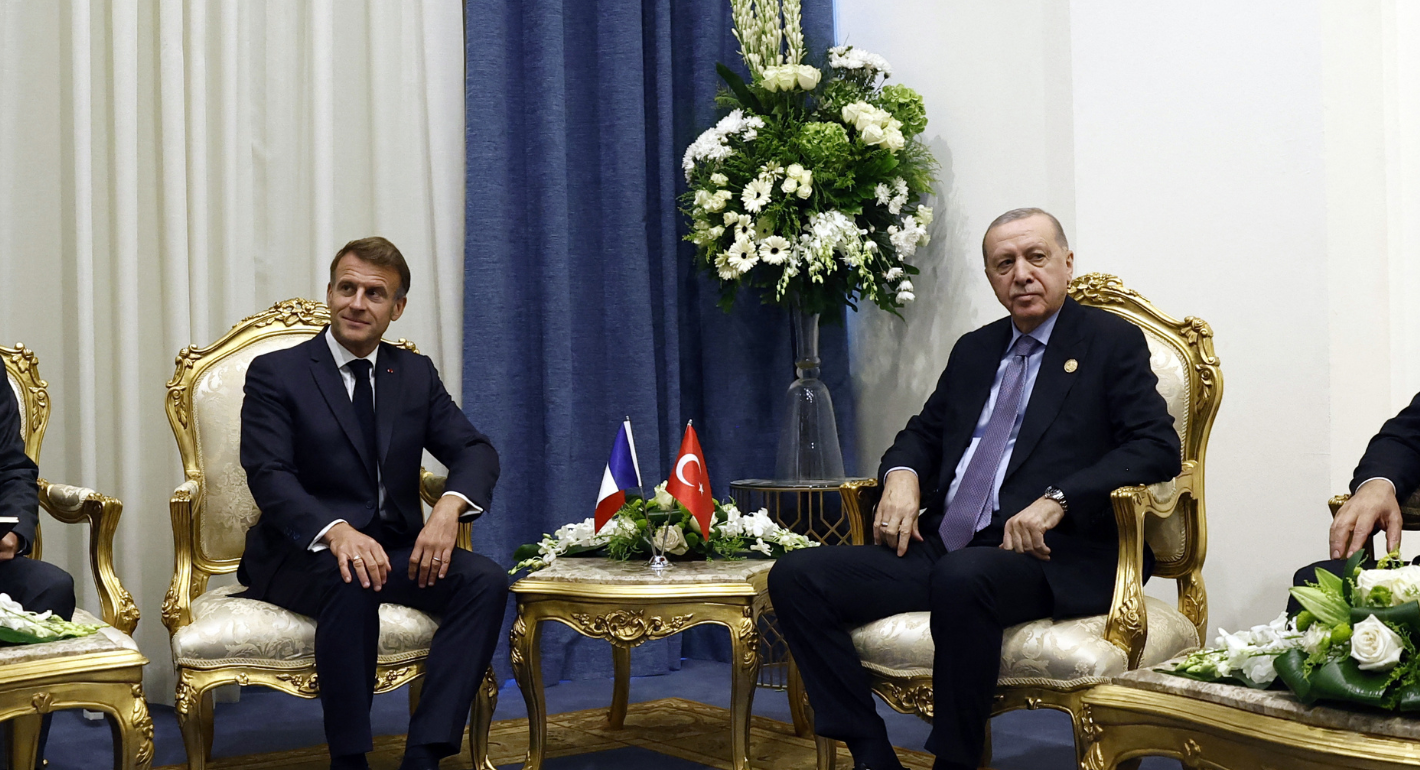
A renewal of relations between France and Turkey is vital to strengthen European strategic autonomy. To make this détente a reality, Paris and Ankara should move beyond personal friction and jointly engage with questions of Black Sea security.

Romain Le Quiniou