

Commentary
As European leadership prepares for the sixteenth EU-India Summit, both sides must reckon with trade-offs in order to secure a mutually beneficial Free Trade Agreement.
Dinakar Peri
{
  "authors": [
    "Rudra Chaudhuri",
    "Amlan Mohanty"
  ],
  "type": "commentary",
  "centerAffiliationAll": "",
  "centers": [
    "Carnegie Endowment for International Peace",
    "Carnegie India"
  ],
  "collections": [
    "India-U.S. Emerging Technologies Working Group",
    "Artificial Intelligence"
  ],
  "englishNewsletterAll": "",
  "nonEnglishNewsletterAll": "",
  "primaryCenter": "Carnegie India",
  "programAffiliation": "",
  "programs": [],
  "projects": [
    "Technology and Society"
  ],
  "regions": [
    "India",
    "United States"
  ],
  "topics": [
    "AI",
    "Technology",
    "Foreign Policy"
  ]
}
A central pillar of the TRUST initiative is a commitment by leaders to “work with U.S. and Indian private industry to put forward a U.S.-India Roadmap on Accelerating AI Infrastructure." On April 10, 2025, Carnegie India held a Track 1.5 meeting with officials from both countries, industry representatives, lawyers, civil society, and experts to brainstorm a policy agenda. The takeaways are as follows.
On February 13, 2025, Indian Prime Minister Narendra Modi and United States President Donald Trump met at the White House. Prime Minister Modi was on an official working visit to the United States. A seven-page-long joint statementfollowed. It covered a range of issue areas for cooperation: defense, trade and investment, energy security, technology and innovation, multilateral cooperation, and people-to-people cooperation. Importantly, the “leaders announced the launch of the U.S.-India TRUST (Transforming the Relationship Utilizing Strategic Technology) initiative.”
A “central pillar” of the TRUST initiative, as highlighted in the joint statement, is a commitment by leaders on both sides to “work with U.S. and Indian private industry to put forward a U.S.-India Roadmap on Accelerating AI Infrastructure.” Three primary goals have been mentioned in relation to AI: (1) accelerating the build out of U.S.-origin AI infrastructure in India by enabling market access, industry partnerships and investments; (2) unlocking constraints in financing, building, powering, and connecting such infrastructure; (3) supporting the development of innovative AI models and applications.
On April 10, 2025, Carnegie India held a U.S.-India Track 1.5 meeting with officials from both countries, industry representatives, lawyers, civil society, and experts to brainstorm a policy agenda to realize these goals. This was organized during Carnegie India’s Global Technology Summit, co-hosted with the Indian Ministry of External Affairs. The takeaways are as follows.
The predominant view in India is that the AI Diffusion Rules will constrain the ability of U.S. technology firms to build out their AI infrastructure in India and hamper their ability to develop AI models in the country—two key goals of the TRUST initiative.
The Framework for Artificial Intelligence Diffusion, introduced towards the end of the Biden administration, placed India in “tier two” of the rules, limiting its ability to source computing power from the United States.
According to an executive from a U.S.-based semiconductor firm, the cap of 50,000 graphics processing units (GPU) placed on the import of chips to India under the Diffusion Rules will soon be breached for two main reasons: (1) there is increasing demand for next-generation chips to run large-scale inferencing and agentic AI systems.1 For these chips, export controls will kick in at a much lower threshold (roughly 17,000 GPUs); (2) the 7 percent cap on data centre deployments in a single country could impact the India investment plans of U.S. hyperscalers, particularly those with a significant in-country presence already.
Although the policy rationale for the Diffusion Rules remains sound—to address the trafficking of chips and offshoring of AI training infrastructure to adversarial countries—there was general agreement that the rules should be revised in light of the TRUST initiative.
Accordingly, the key recommendations to the Trump administration are as follows:
There is strong demand for cheap, reliable, and renewable energy to operate data centres in India. However, poor distribution channels, lack of diversity in power supply, and caps on green energy usage have created bottlenecks for U.S. firms.
Some participants suggested that India should develop its nuclear energy capacity using small modular reactors (SMRs) to complement other sources. However, the high cost and long gestation period of six to seven years render this strategy unfeasible for India in the near term.
Another issue raised was the risk to such critical infrastructure, given increasing cases of cyberattacks and physical damage to undersea cables in the Indo-Pacific.
Therefore, key recommendations on this issue under the TRUST framework are as follows:
Participants highlighted the importance of U.S.-origin open-weight AI models for India. The Indian government aims to increase AI adoption for socio-economic development and open-source models play an important role in that respect. To be sure, a large number of developers in India are fine-tuning and building on top of open weight models using unique data collection layers. A growing number of India-built AI applications are being developed on top of such models.
It was therefore suggested that a joint statement be issued under the TRUST initiative, supporting the development and use of open-source models to increase AI adoption in India and maintain U.S. leadership in the development and diffusion of advanced AI models. There was also a strong view that export controls should not apply to open weight models. This could be formally articulated during the launch of the TRUST initiative, to reassure developers in India, encouraging them to build on top of trusted open-weight models, rather than relying on untrusted but accessible open-source models.
Data governance emerged as another important issue across dimensions of data sharing and sovereignty. The lack of transparency from model developers in explaining their training datasets was identified as a lapse in AI governance. However, this must be balanced against the need to protect intellectual property and trade secrets to promote innovation. Rather than asking developers to disclose their training datasets, it was suggested that a certification system be created to evaluate the fairness or fitness of an AI system for a particular use case.
Industry representatives also highlighted concerns around proposed data localization norms in the Draft Digital Personal Data Protection Rules released by the Indian Ministry of Electronics and Information Technology (MeitY). Rather than these data localization norms, the Indian government should increase access to federal datasets, as it proposes to do under the IndiaAI mission.
Besides the AI Diffusion Rules, other regulatory obstacles to AI infrastructure development include taxation issues, approval delays, and telecom licensing rules. Further, as explained above, restrictions on cross-border data flows and a fragmented cybersecurity regulatory regime (for example, multiple incident reporting requirements) create friction for AI companies.
Key recommendations on this issue under the TRUST framework are as follows:
Overall, there remains a strong commitment on both sides to accelerate AI infrastructure development, adoption, and access. The key to doing so will be to unlock the constraints in relation to power, financing, and regulation. In particular, the AI Diffusion Rules will need to be simplified and rationalized, while retaining core security objectives. Strong support for open-source technologies will also help increase AI adoption.
The TRUST initiative provides a strong platform to discuss, review, and resolve these issues and encourages greater partnership between the two sides on AI policy.
Carnegie does not take institutional positions on public policy issues; the views represented herein are those of the author(s) and do not necessarily reflect the views of Carnegie, its staff, or its trustees.
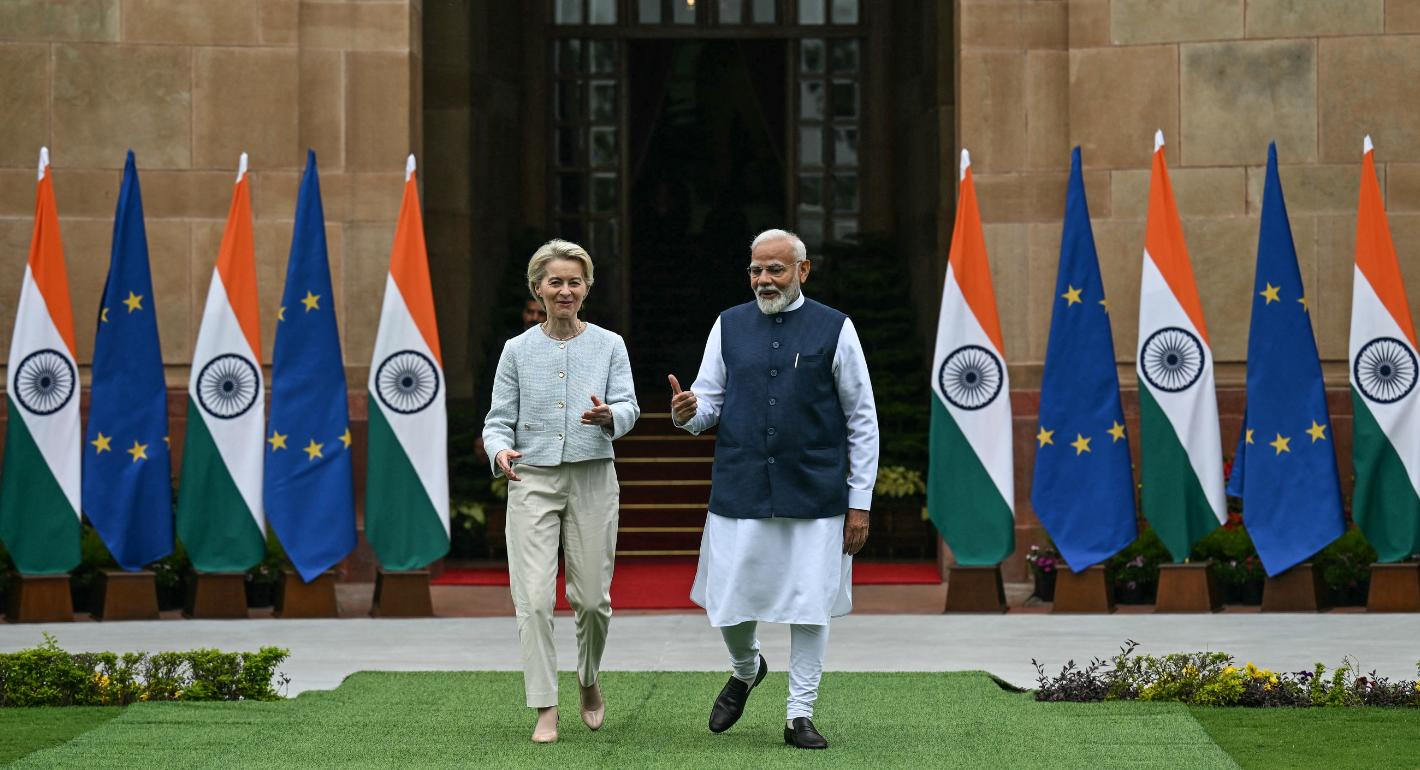
As European leadership prepares for the sixteenth EU-India Summit, both sides must reckon with trade-offs in order to secure a mutually beneficial Free Trade Agreement.

Dinakar Peri

The hyper-personalized new version of global sphere-of-influence politics that Donald Trump wants will fail, as it did for Russia. In the meantime, Europe must still deal with a disruptive former ally determined to break the rules.

Thomas de Waal

Between Greenland and U.S. interference in Europe’s democracies, transatlantic relations risk rising to an unprecedented level of crisis. Amid continued arguments on how Brussels should react, tough times lie ahead for European leaders.

Marc Pierini
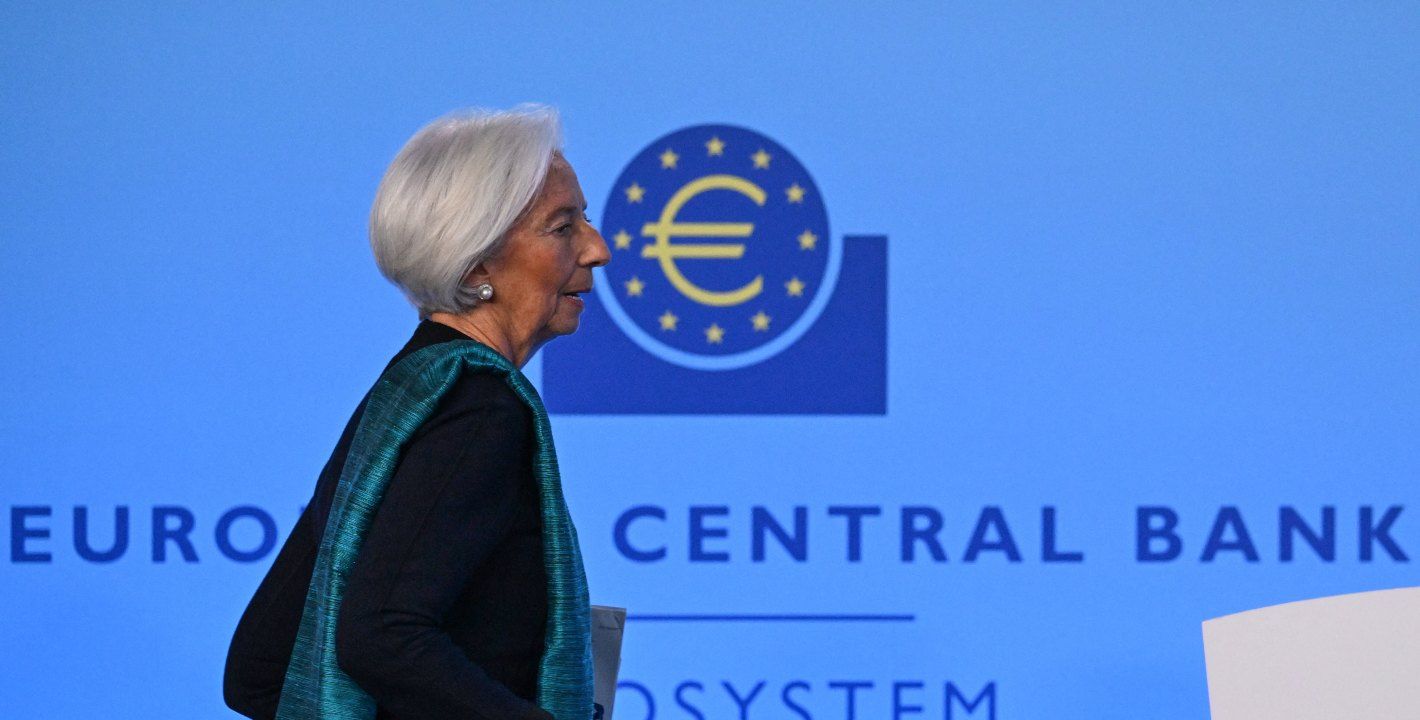
2026 has started in crisis, as the actions of unpredictable leaders shape an increasingly volatile global environment. To shift from crisis response to strategic foresight, what under-the-radar issues should the EU prepare for in the coming year?
Thomas de Waal
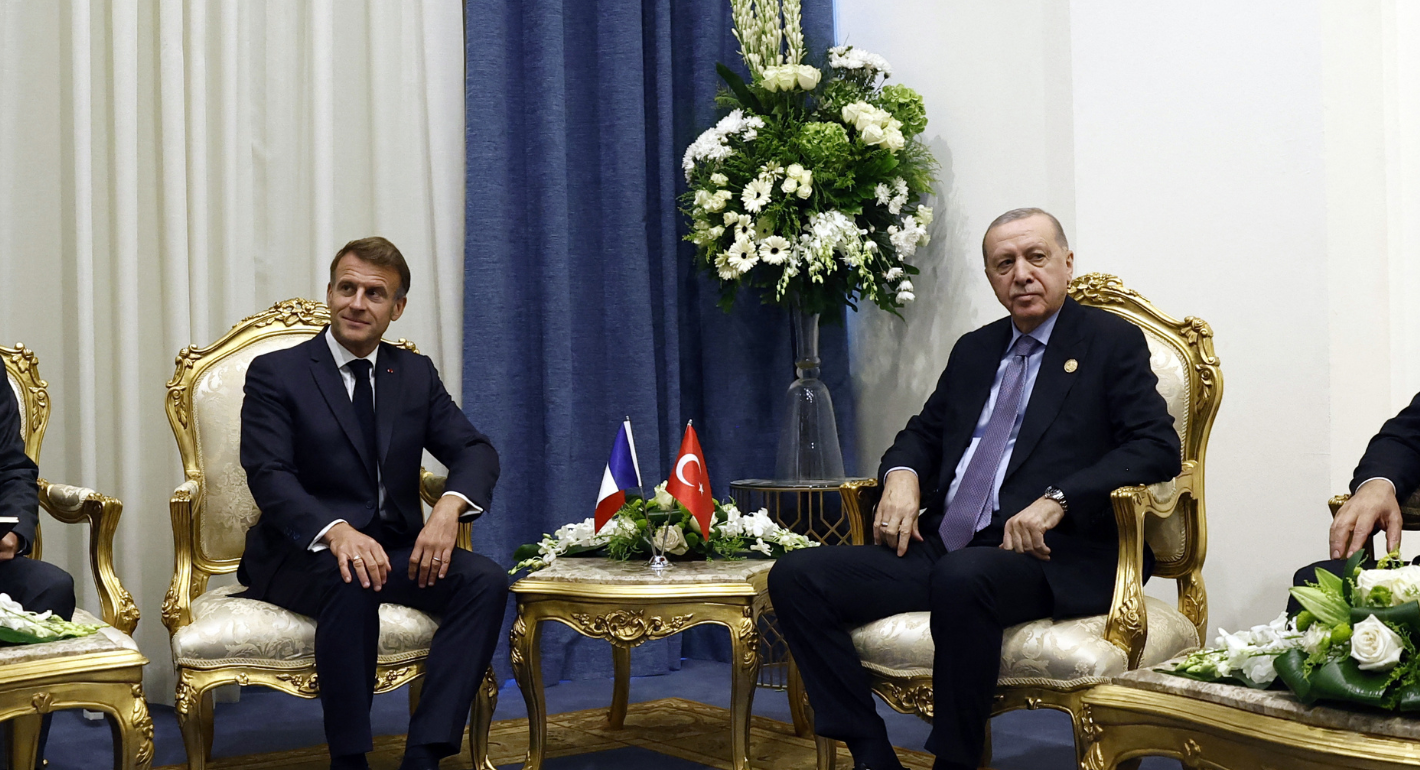
A renewal of relations between France and Turkey is vital to strengthen European strategic autonomy. To make this détente a reality, Paris and Ankara should move beyond personal friction and jointly engage with questions of Black Sea security.

Romain Le Quiniou