

Commentary
The EU lacks leadership and strategic planning in the South Caucasus, while the United States is leading the charge. To secure its geopolitical interests, Brussels must invest in new connectivity for the region.
Zaur Shiriyev
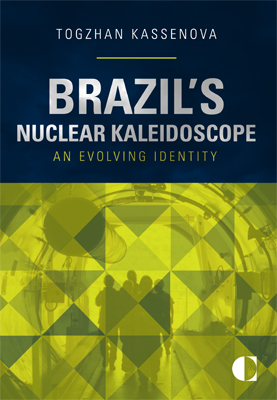
Remarkably little attention is paid to Brazilian voices on the country’s nuclear policy. Brazilians paint a picture of an emerging power seeking nuclear independence and searching for its role in the global order.
There is no shortage of international commentary on Brazil’s nuclear policy, especially its advanced nuclear fuel cycle and nuclear submarine program. But remarkably little attention is paid to Brazilian voices on these issues. Brazilians paint a picture of an emerging power seeking nuclear independence and searching for its role in the global order.
The nuclear industry is more ambitious than the government. Industry representatives believe Brazil could industrialize uranium conversion and enrichment if the government prioritizes the effort.
The nuclear submarine program has multiple drivers. Brazil is pursuing development of a nuclear submarine to protect its coast and offshore natural resources and to stave off potential enemies approaching from the sea. Naval bureaucratic interests also drive the program. But above all, this quest reflects Brazil’s desire to bolster its international standing.
Brazil will forcefully defend its interests on the global nuclear scene. Brasília’s assertive nuclear policy is indicative of the tensions intensifying within the global nuclear order between nuclear-armed and non-nuclear-weapon states, between disarmament and nonproliferation, and between nonproliferation and peaceful uses of nuclear energy. Brasília, for the foreseeable future, will criticize the unfairness of the nuclear order while attempting to carve out a role for itself in it.
For Brazil, the nuclear order is a microcosm of the world order. Brazil sees the global nuclear order and the world order more broadly as unfair and antiquated.
Carnegie does not take institutional positions on public policy issues; the views represented herein are those of the author(s) and do not necessarily reflect the views of Carnegie, its staff, or its trustees.
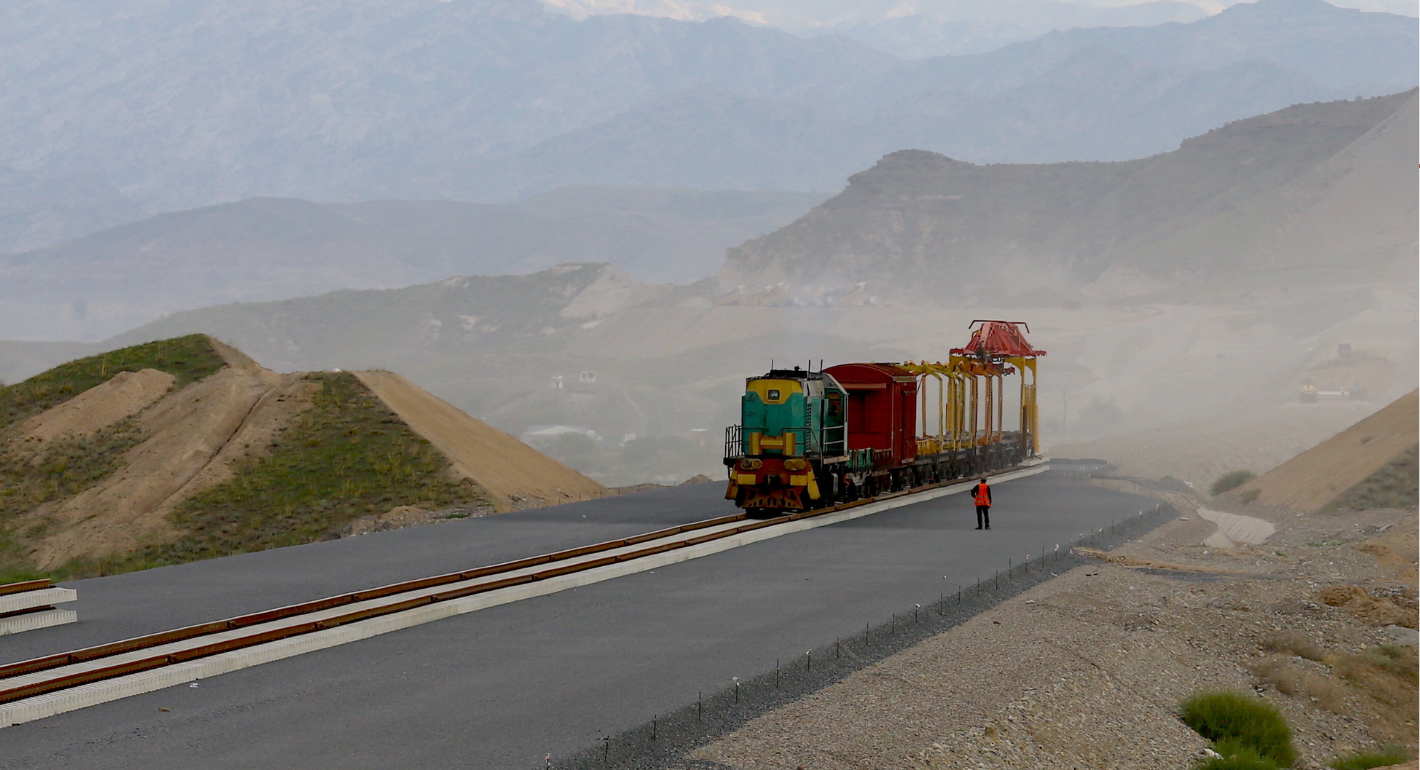
The EU lacks leadership and strategic planning in the South Caucasus, while the United States is leading the charge. To secure its geopolitical interests, Brussels must invest in new connectivity for the region.
Zaur Shiriyev
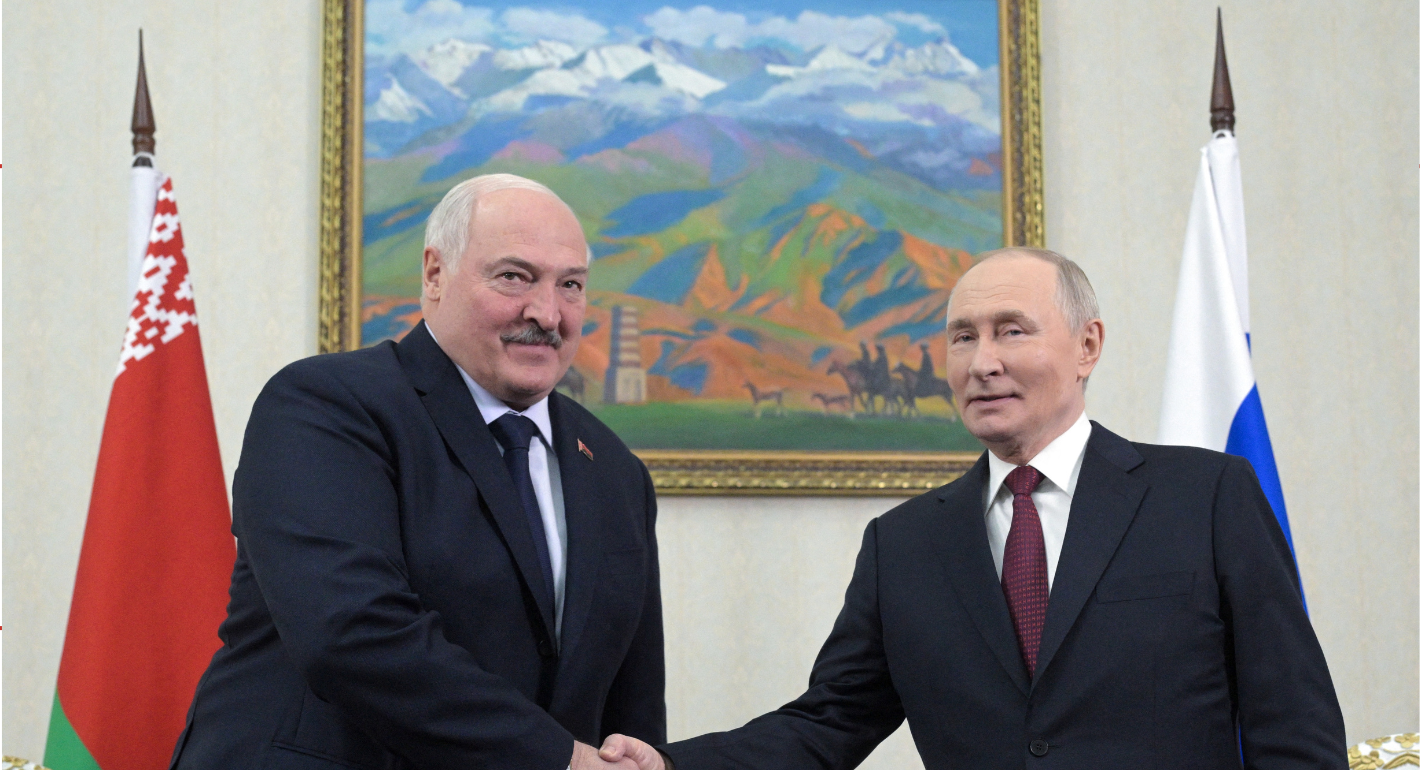
In return for a trade deal and the release of political prisoners, the United States has lifted sanctions on Belarus, breaking the previous Western policy consensus. Should Europeans follow suit, using their leverage to extract concessions from Lukashenko, or continue to isolate a key Kremlin ally?

Thomas de Waal, ed.
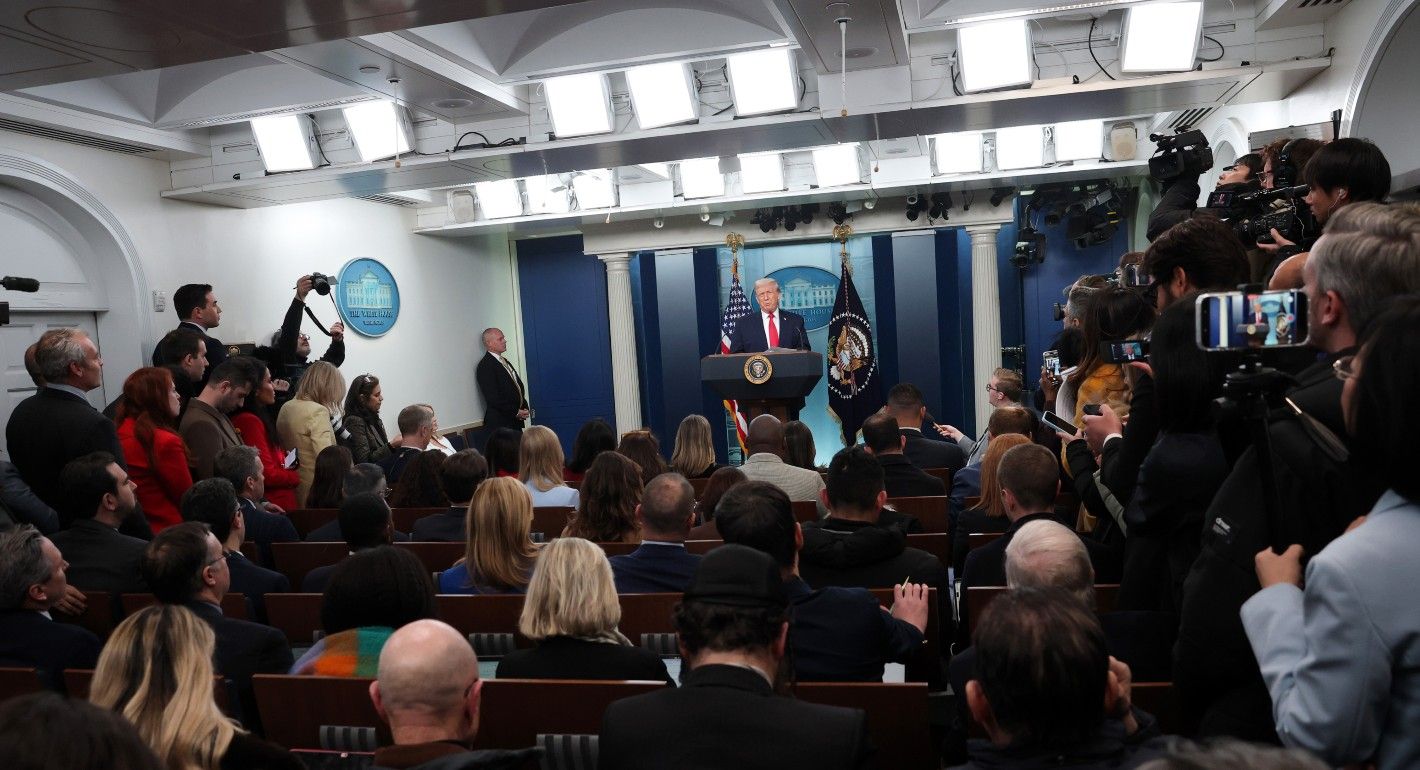
Carnegie scholars examine the crucial elements of a document that’s radically different than its predecessors.



James M. Acton, Saskia Brechenmacher, Cecily Brewer, …
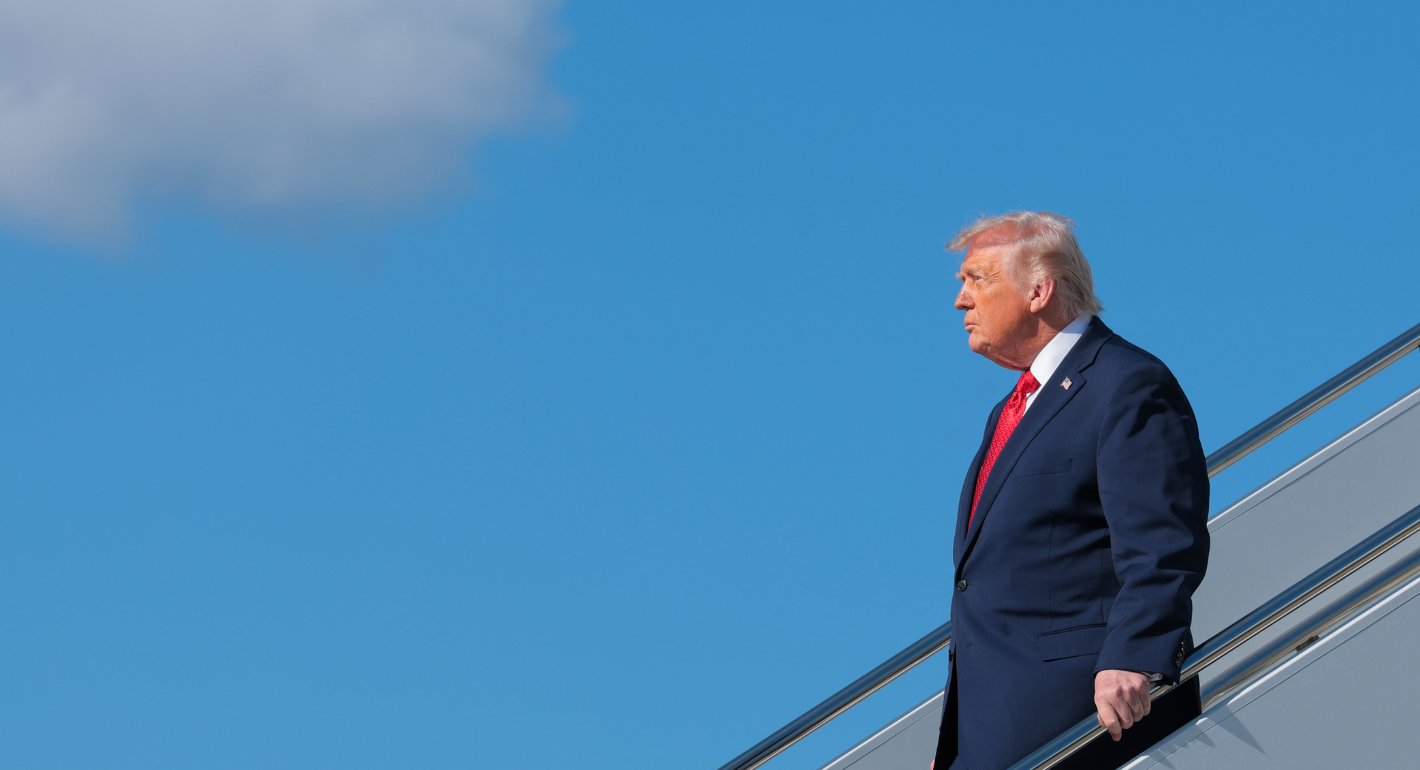
The hyper-personalized new version of global sphere-of-influence politics that Donald Trump wants will fail, as it did for Russia. In the meantime, Europe must still deal with a disruptive former ally determined to break the rules.
Thomas de Waal
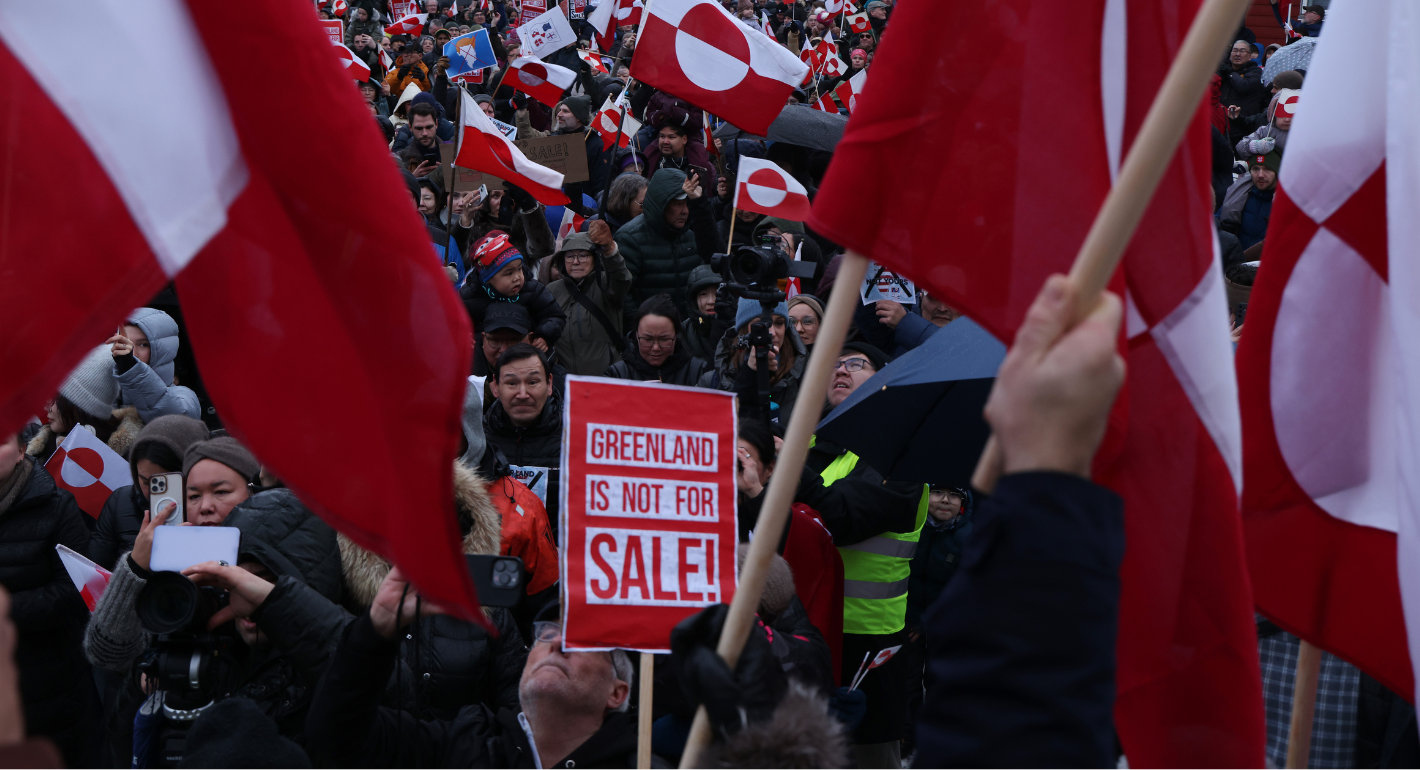
Between Greenland and U.S. interference in Europe’s democracies, transatlantic relations risk rising to an unprecedented level of crisis. Amid continued arguments on how Brussels should react, tough times lie ahead for European leaders.

Marc Pierini