

Commentary
As European leadership prepares for the sixteenth EU-India Summit, both sides must reckon with trade-offs in order to secure a mutually beneficial Free Trade Agreement.
Dinakar Peri
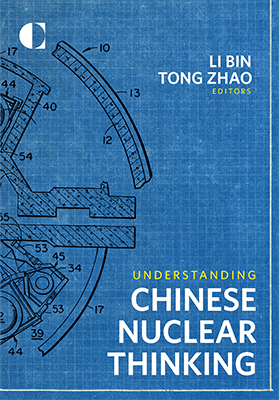
Critical differences between Chinese and U.S. thinking about nuclear weapons and deterrence result not merely from differing security environments and levels of military strength; they also exist because China and the United States have developed their own nuclear philosophies in implementing their security policies over many years.
Chinese and U.S. nuclear experts communicate regularly, but these exchanges often remain difficult and inefficient. Critical differences between Chinese and U.S. thinking about nuclear weapons and deterrence result not merely from differing security environments and levels of military strength; they also exist because China and the United States have developed their own nuclear philosophies in implementing their security policies over many years. A deeper understanding of these differences sheds light on the fundamental drivers of China’s nuclear policies and how such policies may evolve in the future.
China’s no-first-use policy for its nuclear weapons still serves its national security interests. Notwithstanding recent debates, the policy continues to effectively guide China’s nuclear-weapon development and operations, and its nuclear-arms-control diplomacy.
Chinese experts weigh both technical and political factors in their calculation of strategic stability. They especially worry about instability caused by technical lagging. To reduce the danger of nuclear war, Chinese analysts favor the maintenance of an effective firebreak between nuclear weapons and conventional conflict.
China views nuclear proliferation and nuclear terrorism as growing national security challenges. Beijing emphasizes the importance of addressing the root causes of proliferation and supports greater international cooperative efforts to mitigate these risks.
China has made its nuclear policy and practices more transparent in recent years. But such transparency needs to be organized more systematically to make U.S.-China nuclear dialogue more effective.
Other countries’ nuclear-weapon strategies are increasingly influencing traditional Chinese nuclear thinking and nuclear-weapon policy. Consequently, growing debates in China about its nuclear-weapon policy could result in some deployments of new Chinese weapons, as seen in other nuclear-armed states.
Carnegie does not take institutional positions on public policy issues; the views represented herein are those of the author(s) and do not necessarily reflect the views of Carnegie, its staff, or its trustees.
As European leadership prepares for the sixteenth EU-India Summit, both sides must reckon with trade-offs in order to secure a mutually beneficial Free Trade Agreement.

Dinakar Peri
Carnegie scholars examine the crucial elements of a document that’s radically different than its predecessors.



James M. Acton, Saskia Brechenmacher, Cecily Brewer, …
The hyper-personalized new version of global sphere-of-influence politics that Donald Trump wants will fail, as it did for Russia. In the meantime, Europe must still deal with a disruptive former ally determined to break the rules.

Thomas de Waal

Between Greenland and U.S. interference in Europe’s democracies, transatlantic relations risk rising to an unprecedented level of crisis. Amid continued arguments on how Brussels should react, tough times lie ahead for European leaders.

Marc Pierini
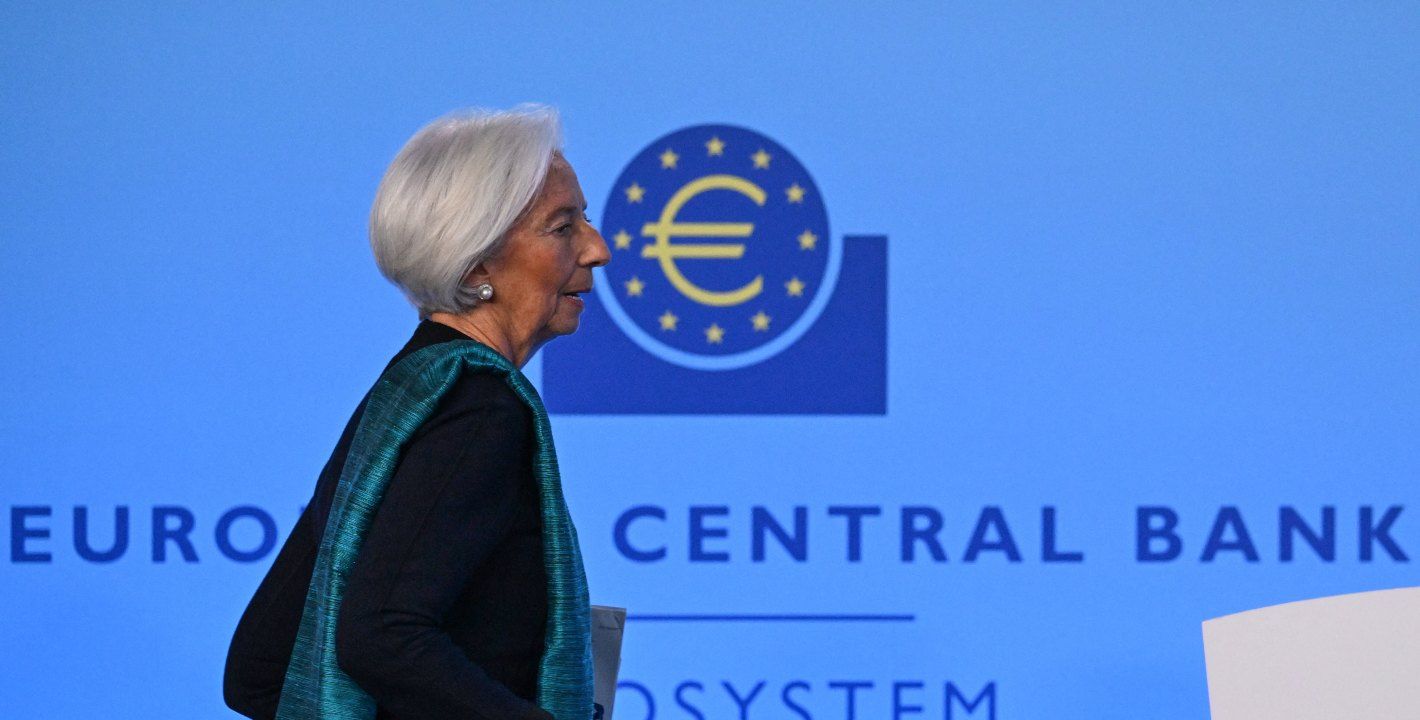
2026 has started in crisis, as the actions of unpredictable leaders shape an increasingly volatile global environment. To shift from crisis response to strategic foresight, what under-the-radar issues should the EU prepare for in the coming year?
Thomas de Waal