

Commentary
As European leadership prepares for the sixteenth EU-India Summit, both sides must reckon with trade-offs in order to secure a mutually beneficial Free Trade Agreement.
Dinakar Peri
{
  "authors": [
    "Judy Dempsey"
  ],
  "type": "commentary",
  "blog": "Strategic Europe",
  "centerAffiliationAll": "",
  "centers": [
    "Carnegie Endowment for International Peace",
    "Carnegie Europe"
  ],
  "collections": [
    "Turkey’s Transformation"
  ],
  "englishNewsletterAll": "",
  "nonEnglishNewsletterAll": "",
  "primaryCenter": "Carnegie Europe",
  "programAffiliation": "",
  "programs": [],
  "projects": [],
  "regions": [
    "Europe",
    "Türkiye",
    "Middle East",
    "Western Europe",
    "Germany"
  ],
  "topics": [
    "EU",
    "Democracy"
  ]
}
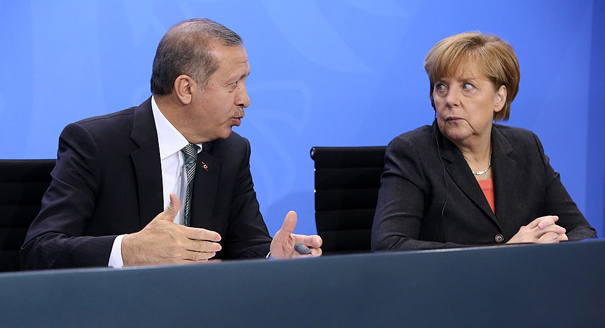
The EU’s refugee agreement with Turkey that Angela Merkel helped secure is becoming embroiled in a struggle between Berlin and Ankara over media freedom in Germany.
If Turkey’s President Recep Tayyip Erdoğan had his way, he would have the German satirist Jan Böhmermann behind bars by now. The reason? During his regular late-night talk show on March 31, Böhmermann issued a blistering attack on Erdoğan in the form of a satirical poem. Seated before the Turkish flag and a portrait of Erdoğan, Böhmermann accused the president of, among other things, sex with goats and sheep. The comedian also stated that Erdoğan loved to “repress minorities, kick Kurds and beat Christians while watching child porn.”
Instead of ignoring Böhmermann’s satirical taunts, Erdoğan resorted to a habit he has been relentlessly pursuing in recent months: attempting to silence criticism, satire, and anything that dares to mock or question the policies of the Turkish president—by putting writers and journalists in jail. Erdoğan claimed that Böhmermann had insulted not just him personally but the entire Turkish population. He intends to seek redress in the German courts.
The affair has put German Chancellor Angela Merkel on the spot. It was she who spearheaded a deal with Turkey in March 2016 to stem the flow of refugees trying to reach EU countries, particularly Germany. Under the terms of that accord, Turkey will take back refugees and migrants stranded in Greece in return for €6 billion ($6.8 billion) of EU financial assistance as well as promises by EU countries to take their share of other refugees and by the EU to open new chapters of Ankara’s accession negotiations.
Human rights organizations have criticized Merkel and the EU not only for subcontracting out the refugee problem but also for undermining the laws designed to protect refugees—something that EU leaders deny.
Wanting to keep relations between Berlin and Ankara on an even keel, Merkel told Turkish Prime Minister Ahmet Davutoğlu that Böhmermann’s poem was “deliberately offensive,” while others even said it was vulgar and not worthy of being called satire. But then artists and writers came to the satirist’s defense. In an open letter published by the German weekly Die Zeit, some 70 artists and prominent persons demanded that proceedings be dropped.
Michael Bertrams, a former president of the Constitutional Court of North Rhine-Westphalia, urged the federal government not to authorize a prosecution on charges of insulting a foreign head of state, as sought by Erdoğan. “[The government] would surrender not only Jan Böhmermann but also the freedoms of opinion and artistic expression to an autocrat and despot who flouts civil rights in his own country in a gross manner,” Bertrams said.
Indeed, a new report by English PEN, an organization that seeks to uphold literary freedom, makes for depressing reading about Erdoğan’s growing repression of the media. During 2015, the report states, “more than 30 journalists [were] in jail, more than 100 were detained, close to a thousand bans on publication were issued and access to more than 42,000 websites [was denied].”
The report goes on to argue how Erdoğan’s intimidation strategy has been to treat any criticism as a personal affront and to bring charges against those responsible. Many journalists face potential jail terms on charges of insulting the president or prime minister “for no more than voicing criticism.” Since 2014, there have been 1,845 cases based on charges of insulting the president. The accused include caricaturists, a thirteen-year-old boy, lawyers, and party leaders.
In recent days, Merkel has toughened her stance on the Böhmermann case. She said on April 12 that press freedom in Germany was nonnegotiable and must be kept apart from the refugee issue. “Freedom of the press, opinion and science apply and are completely separate from [the refugee agreement],” she insisted.
That is easier said than done. What is now certain is that by trying to muzzle Böhmermann, Erdoğan has shown how he deals with criticism back home. He won’t have done himself any favors in Germany.
Carnegie does not take institutional positions on public policy issues; the views represented herein are those of the author(s) and do not necessarily reflect the views of Carnegie, its staff, or its trustees.
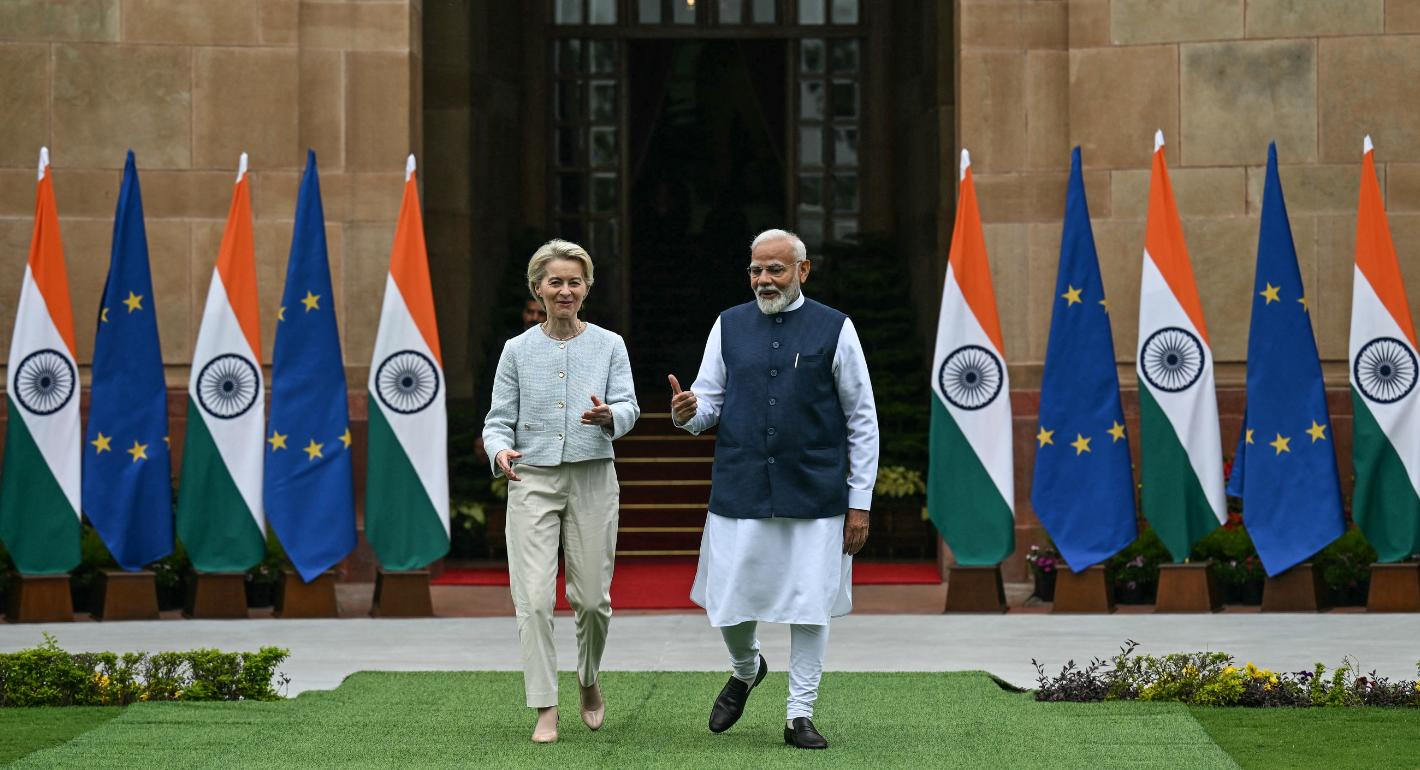
As European leadership prepares for the sixteenth EU-India Summit, both sides must reckon with trade-offs in order to secure a mutually beneficial Free Trade Agreement.

Dinakar Peri
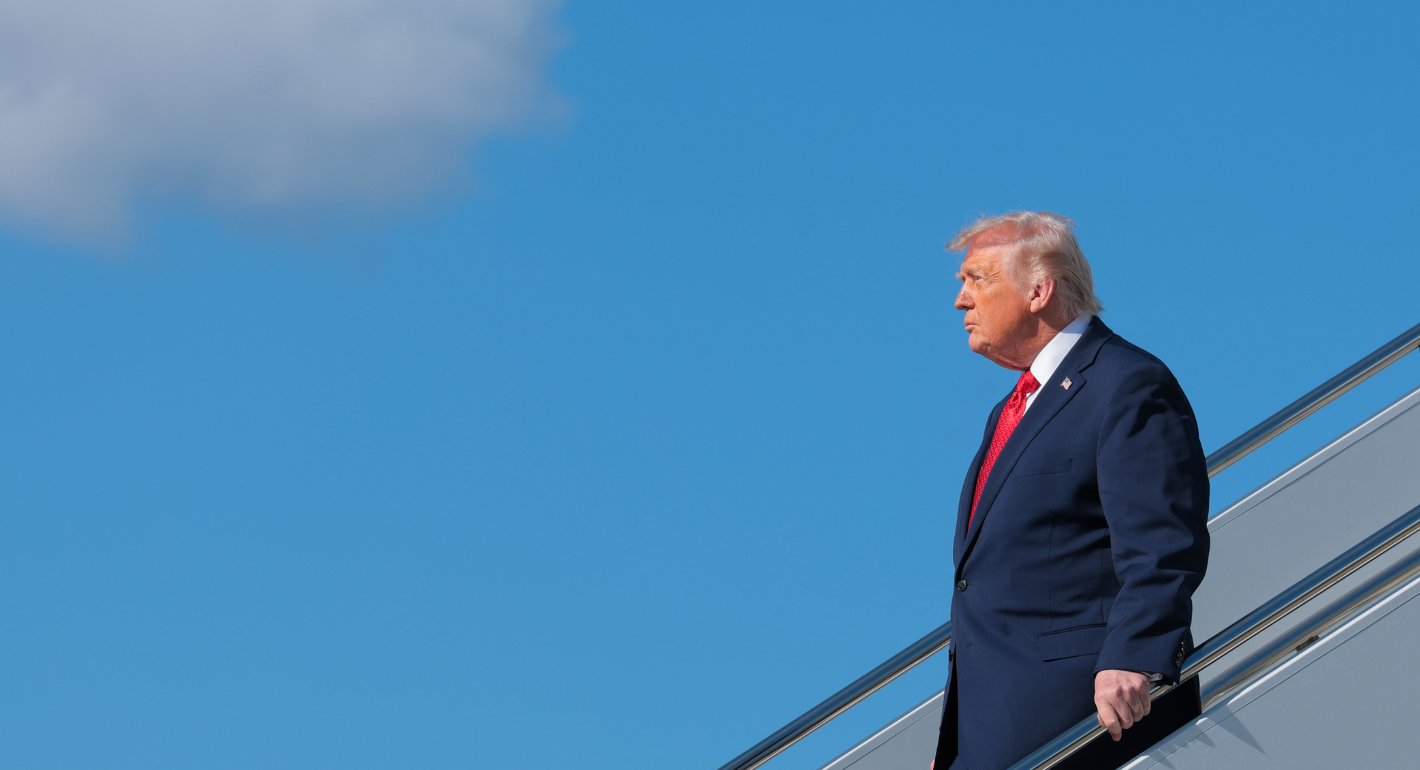
The hyper-personalized new version of global sphere-of-influence politics that Donald Trump wants will fail, as it did for Russia. In the meantime, Europe must still deal with a disruptive former ally determined to break the rules.

Thomas de Waal
2026 has started in crisis, as the actions of unpredictable leaders shape an increasingly volatile global environment. To shift from crisis response to strategic foresight, what under-the-radar issues should the EU prepare for in the coming year?
Thomas de Waal
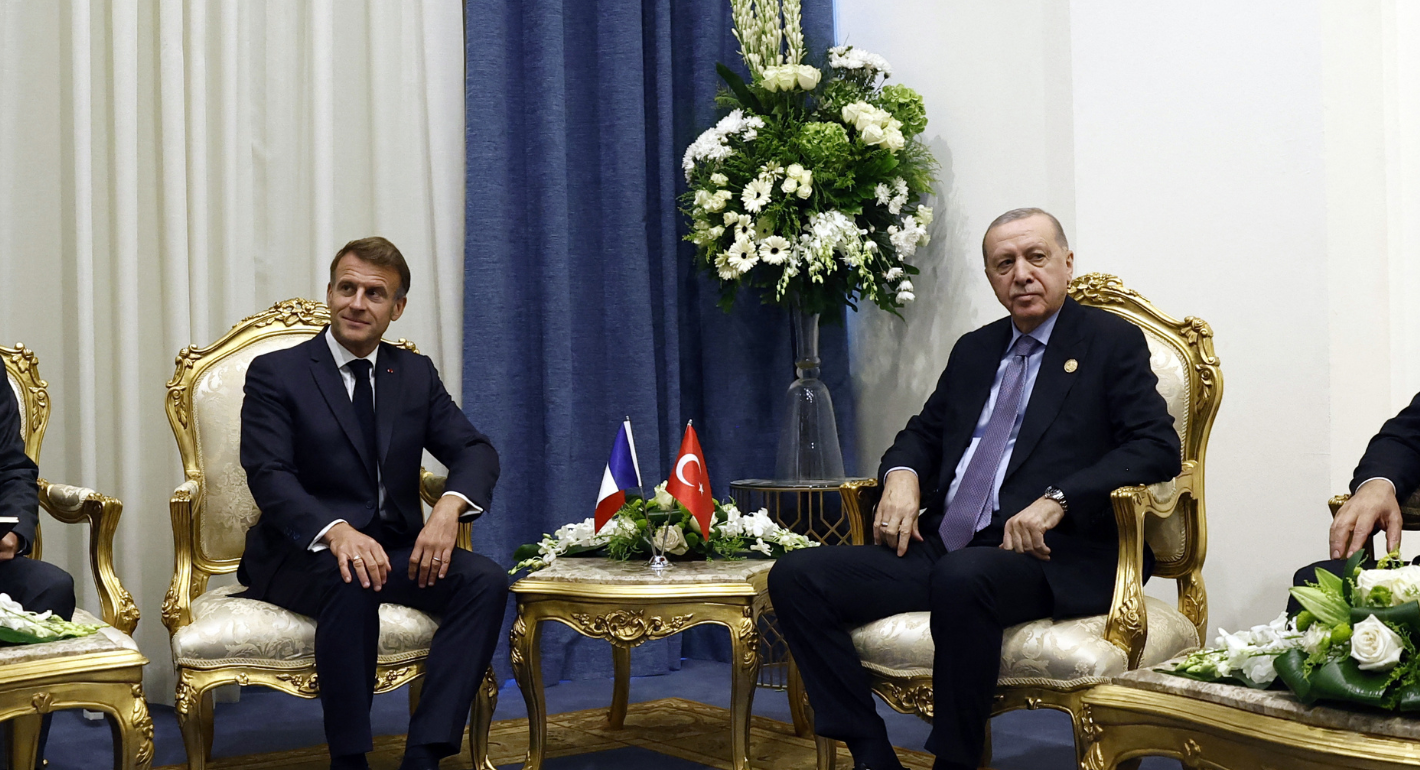
A renewal of relations between France and Turkey is vital to strengthen European strategic autonomy. To make this détente a reality, Paris and Ankara should move beyond personal friction and jointly engage with questions of Black Sea security.
Romain Le Quiniou
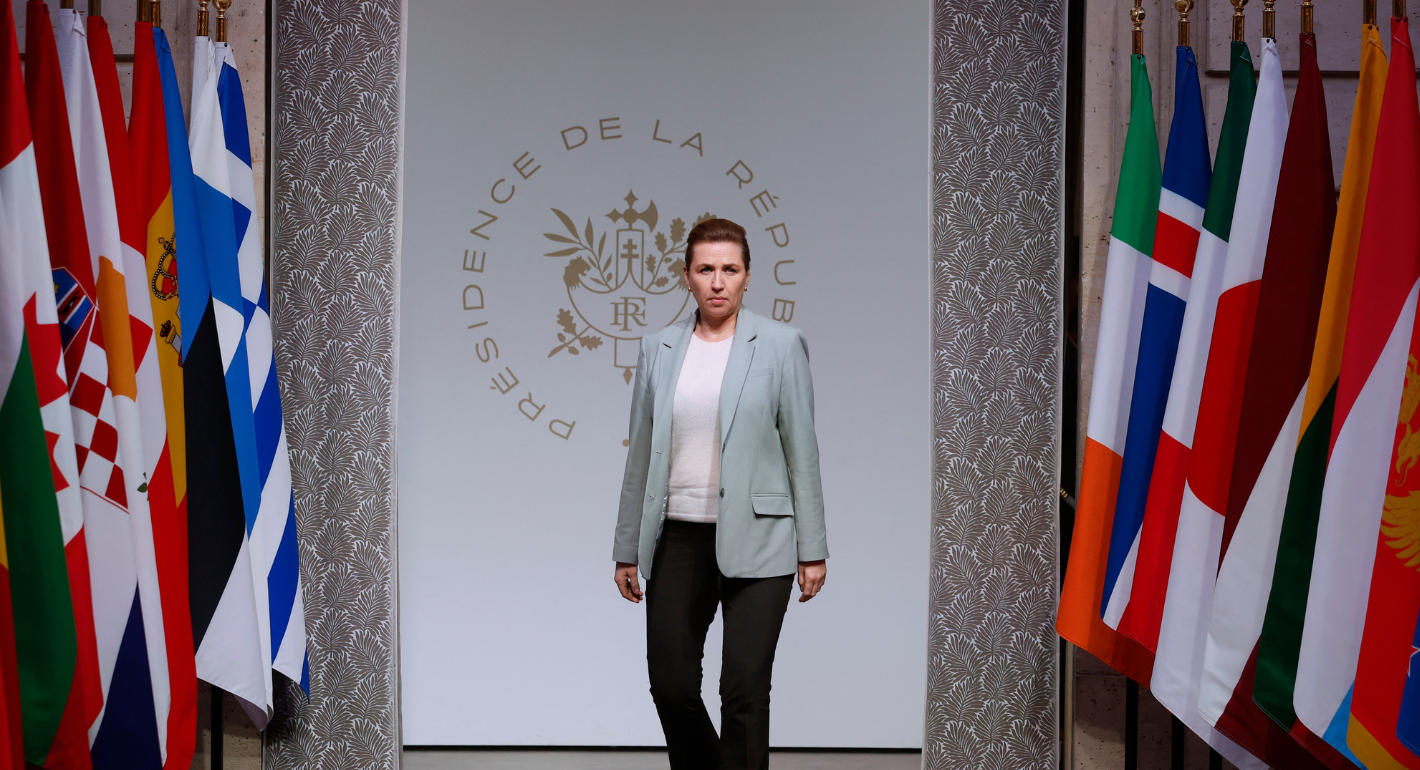
Europe is designing a new model of collective security that no longer relies on the United States. For this effort to succeed, solidarity between member states that have different threat perceptions is vital.

Erik Jones