

Commentary
As European leadership prepares for the sixteenth EU-India Summit, both sides must reckon with trade-offs in order to secure a mutually beneficial Free Trade Agreement.
Dinakar Peri
{
  "authors": [
    "Nona Mikhelidze"
  ],
  "type": "commentary",
  "blog": "Strategic Europe",
  "centerAffiliationAll": "",
  "centers": [
    "Carnegie Endowment for International Peace",
    "Carnegie Europe"
  ],
  "collections": [
    "Europe’s Eastern Neighborhood"
  ],
  "englishNewsletterAll": "",
  "nonEnglishNewsletterAll": "",
  "primaryCenter": "Carnegie Europe",
  "programAffiliation": "",
  "programs": [],
  "projects": [],
  "regions": [
    "Russia",
    "Europe",
    "Eastern Europe",
    "Caucasus",
    "Georgia",
    "Western Europe"
  ],
  "topics": [
    "Foreign Policy",
    "Democracy",
    "Political Reform",
    "EU"
  ]
}
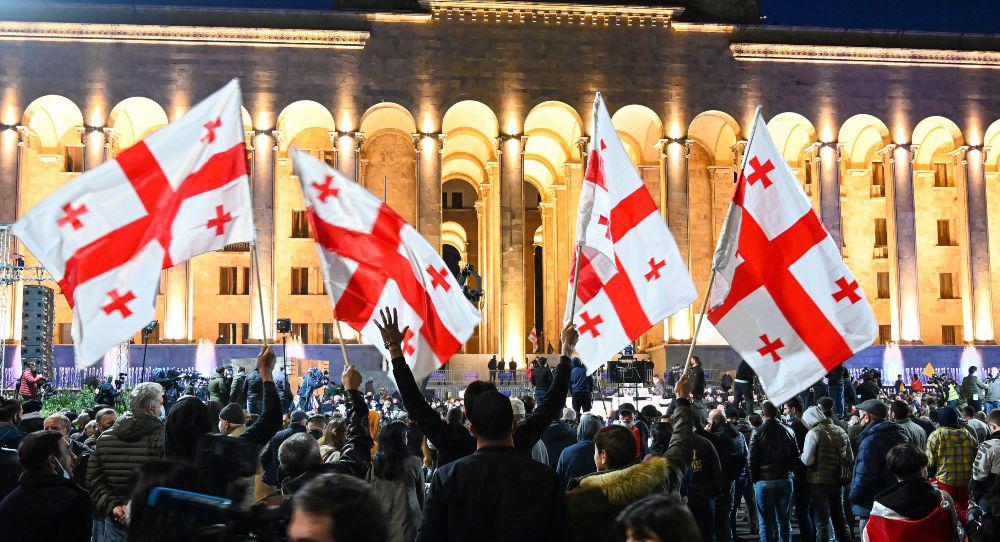
Georgia has missed the chance to achieve a coalition government and end the tradition of one-party rule. After its 2020 parliamentary election, the country seems doomed to another four years of oligarchic rule.
This blog is part of EU-LISTCO, an innovative and timely project that investigates the challenges facing Europe’s foreign policy. A consortium of fourteen leading research institutions and universities aims to identify risks connected to areas of limited statehood and contested orders—and the EU’s ability to respond.
***
Another contested election. This time in Georgia, where a parliamentary election was held on October 31, 2020.
According to the Central Election Commission (CEC), the ruling Georgian Dream (GD) party won with 48 percent of the vote. Speaking of massive falsifications, the opposition parties did not recognize the results and refused to participate in the second round of the election on November 21.
Consequently, for the very first time in its post-Soviet history, Georgia saw a one-party runoff where GD won all thirty seats allocated through the majoritarian system, giving it a possibility to form a single-party government to run the country for the next four years.
According to local NGOs, the election was marred by significant shortcomings in all stages of voting. There was violence against voters, vote buying, attacks on journalists, movement of unauthorized persons in the vicinity of election districts, and in some cases breaches of voter secrecy. The Georgian Young Lawyers’ Association described the vote as the most poorly organized election since GD came to power in 2012.
But it was the rigged constituencies that caused the biggest anger among the opposition parties and their supporters.
Almost eight hours after polling stations closed, the CEC released the preliminary results. This gave rise to suspicion among the opposition that the results were possibly manipulated. These suspicions were reinforced by the results of the parallel count carried out by the International Society for Fair Elections and Democracy (ISFED), according to which the ruling party received 45.8 percent—and not 48.16 percent as officially observed by the CEC.
Moreover, ISFED claimed that approximately 8 percent of the summary protocols showed discrepancies between the number of ballots and the number of signatures in the voter lists.
Despite less competitive runoffs of November 21, according to civil society organizations, the GD mobilized activists at polling stations to exercise psychological pressure on voters and obstruct the activities of election observers. Once again, there were cases of vote buying and multiple voting.
After the first round on October 31, international election observers did not question its legitimacy in their preliminary assessment. They concluded that, overall, fundamental freedoms had been respected—but refrained from assessing it as free and fair. Moreover, the mission led by the OSCE Parliamentary Assembly declared that “pervasive allegation of pressure on voters and blurring the line between the ruling party and the state reduced public confidence in some aspects of the process.”
As for the EU, it called for “ensuring the highest democratic standard throughout the entire electoral process, including during the second round . . . as well as a fair, transparent and rigorous handling of all complaints and appeals.”
With the benefit of hindsight, October 31 should have been a turning point in the Georgian political reality.
For the first time, the electorate was given a chance to end Georgia’s tradition of one-party rule and achieve a coalition government. This was the expectation not only of the opposition parties and their supporters but also of civil society. Georgia missed that chance.
As it stands now, the opposition parties refuse to enter parliament and have announced a mass protest, demanding new elections. Politicians inspired by the unrest in Belarus seem to be betting on mass protests, as the opposition today only considers two possible scenarios for political development in Georgia: either a new election or a continuation of the rule of Georgian oligarch Bidzina Ivanishvili, GD’s founder and informal governor.
However, with the coronavirus pandemic, it is unlikely that there will be a sustained revolutionary move to bring about new elections and serious political change in the country.
Most probably, Georgia is doomed to another four years of oligarchic rule. That will consist of informal governance, behind-the-scenes policymaking, weak checks and balances, and a judiciary under political influence and controlled by different interest groups. Recommendations by civil society organizations will be disregarded, NGOs will be demonized.
Where does this leave the EU’s role?
Over the years, the EU has been rather moderate in criticizing the Georgian government’s semi-authoritarian tendencies. Brussels has been cautious in its actions toward Tbilisi. It has been reluctant to insist on Georgia strengthening its democracy and unwilling to get embroiled in local political tensions.
After the 2020 election resulted in a one-party parliament, it is evident that the EU’s strategy of “flexibility” and “stabilization” has failed. Signing the association agreement with Georgia in 2014 did not suffice to trigger the necessary development of democracy; it needs a serious follow-up in terms of political and financial conditionality from the EU’s side.
Georgia is still committed—at least officially—to the path of European integration. This gives the EU strong leverage to critically assess the actions of the Georgian government and its failures in the transition process toward democracy.
Brussels cannot afford more instability and uncertainty in a region that has proved highly combustible in the past. However, it has to understand that lasting stability can only be achieved through meaningful democratic transformation.
Nona Mikhelidze is Head of the Eastern Europe and Eurasia Programme at the Istituto Affari Internazionali.

Carnegie does not take institutional positions on public policy issues; the views represented herein are those of the author(s) and do not necessarily reflect the views of Carnegie, its staff, or its trustees.
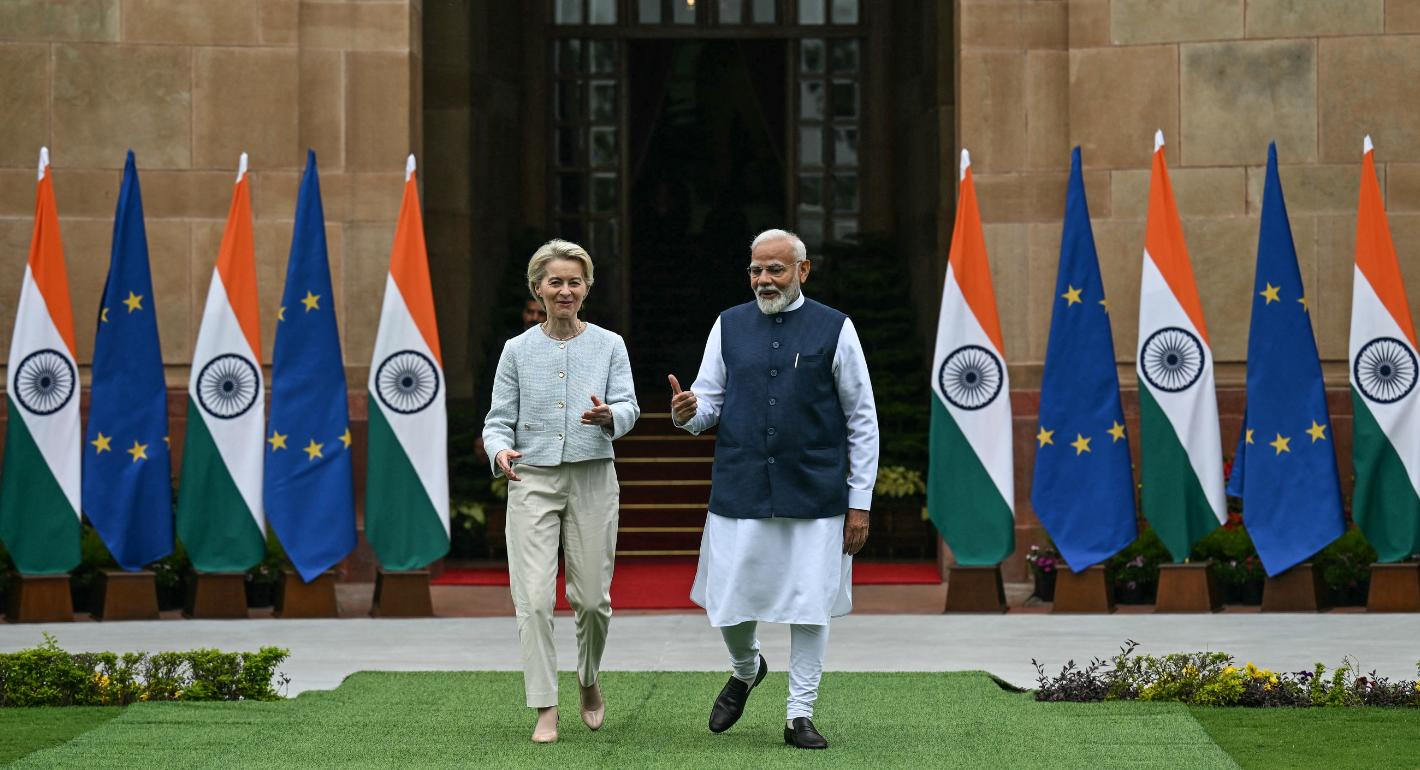
As European leadership prepares for the sixteenth EU-India Summit, both sides must reckon with trade-offs in order to secure a mutually beneficial Free Trade Agreement.

Dinakar Peri
The hyper-personalized new version of global sphere-of-influence politics that Donald Trump wants will fail, as it did for Russia. In the meantime, Europe must still deal with a disruptive former ally determined to break the rules.

Thomas de Waal
2026 has started in crisis, as the actions of unpredictable leaders shape an increasingly volatile global environment. To shift from crisis response to strategic foresight, what under-the-radar issues should the EU prepare for in the coming year?
Thomas de Waal
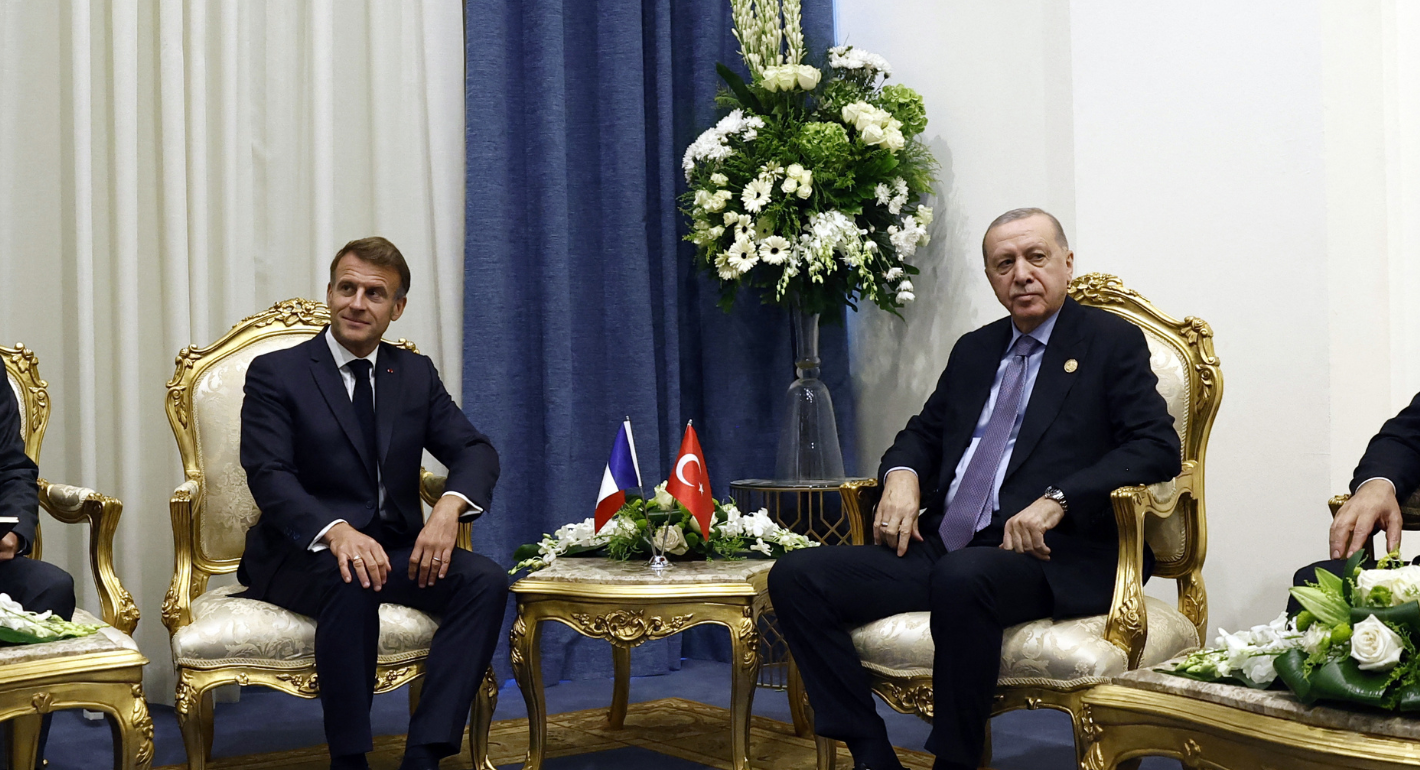
A renewal of relations between France and Turkey is vital to strengthen European strategic autonomy. To make this détente a reality, Paris and Ankara should move beyond personal friction and jointly engage with questions of Black Sea security.
Romain Le Quiniou
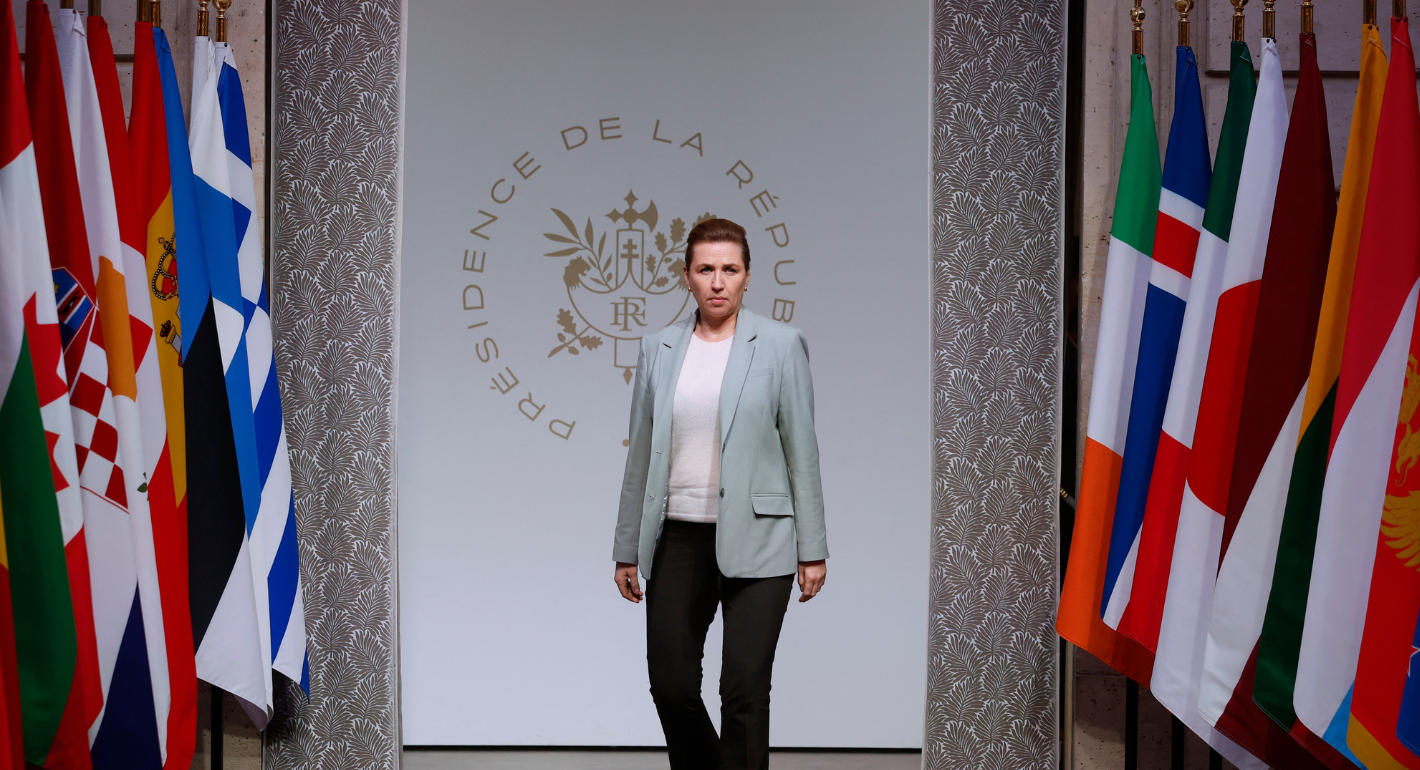
Europe is designing a new model of collective security that no longer relies on the United States. For this effort to succeed, solidarity between member states that have different threat perceptions is vital.

Erik Jones