

Commentary
As European leadership prepares for the sixteenth EU-India Summit, both sides must reckon with trade-offs in order to secure a mutually beneficial Free Trade Agreement.
Dinakar Peri
{
  "authors": [
    "Rosa Balfour"
  ],
  "type": "commentary",
  "blog": "Strategic Europe",
  "centerAffiliationAll": "",
  "centers": [
    "Carnegie Endowment for International Peace",
    "Carnegie Europe"
  ],
  "collections": [
    "Transatlantic Cooperation"
  ],
  "englishNewsletterAll": "",
  "nonEnglishNewsletterAll": "",
  "primaryCenter": "Carnegie Europe",
  "programAffiliation": "",
  "programs": [],
  "projects": [],
  "regions": [
    "Middle East",
    "Europe",
    "North America",
    "United States",
    "Iraq",
    "Western Europe"
  ],
  "topics": [
    "Foreign Policy",
    "Democracy",
    "EU"
  ]
}
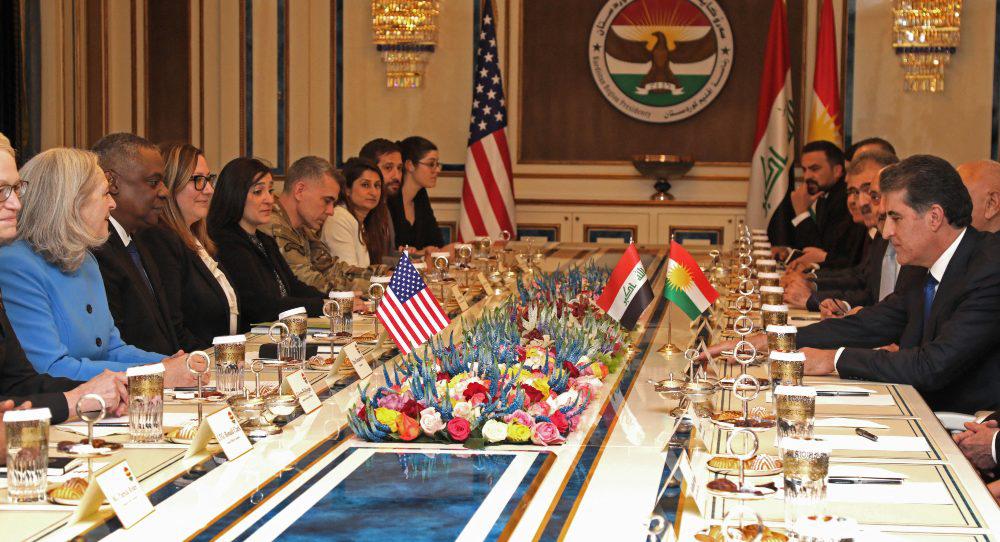
The United States and its European allies are still grappling with the consequences of their invasion of Iraq. As Russia continues its invasion of Ukraine, it is time to understand the lessons from 2003.
A large majority of Europeans knew that the invasion of Iraq in March 2003 was wrong. Its justification was built—not very credibly—on what was soon proven to be a lie, namely that Iraq held weapons of mass destruction. Regime change through military intervention was overwhelmingly seen as ethically unsustainable, however heinous Saddam Hussein’s regime was, and the return on the fight against terrorism remains unclear even today. Millions of Europeans took to the streets to stop the war in what may have been the greatest anti-war protests in history.
What we, as Europe and the general West, did not know at the time was how much and for how long that wrong decision would haunt us. Looking back in time inevitably runs the risk of reading history through single events—the coincidence of marking the twentieth anniversary of the invasion of Iraq as Russia is continuing its invasion of Ukraine may force parallels that otherwise would not be thought about. Cognizant of that risk, it is interesting to unpack how the war in Iraq affected European foreign policy.
France and Germany refused to join the U.S.-led coalition of the willing, but a majority of EU member states did regardless of public opposition, with Tony Blair’s Britain among the leading countries. Central European countries, still not members of the EU or NATO, threw their weight behind then-U.S. president George W. Bush’s military adventure. U.S. secretary of defense at the time, Donald Rumsfeld, thundered about a major rift by spitefully pitting the “new” Europe against the “old”—a tactic in which later president Donald Trump excelled.
The dramatic rift at the time was, with hindsight, quite rapidly healed. In December that year, the EU approved its first security strategy, which went very far in mending the divisions caused by the war in Iraq. In 2003 the EU also launched its first operations abroad, under the rubric of its Common Security and Defence Policy, with a military mission in North Macedonia and a police mission in Bosnia and Herzegovina. In mid-2004, NATO and the EU welcomed its new members from Central Europe. In a historical transformation, the EU grew from fifteen to twenty-five members and the fears that the greater numbers would paralyze decision-making did not materialize, despite the divisions over Iraq.
But the war cast a longer and more damaging shadow beyond the functioning of the European Union. The instability in the wider Middle East inevitably had repercussions on Europe. If the war in Iraq marked the beginning of the end of the U.S. unipolar moment, Europe was exposed to the consequences. The EU’s policy toward North Africa and the Middle East was built on the regional stability that the United States could project there. Between 2003 and 2004, the EU optimistically and ambitiously launched its European Neighbourhood Policy to “promote a ring of well governed countries […] with whom we can enjoy close and cooperative relations.” There are plenty of reasons for which the contrast between the ambitions of twenty years ago and the realities of today is so stark. But some of these reasons were influenced by the string of events that stemmed from that war.
The distorted and garbled justifications for the Iraq war continue to cause backlash to this day. Underpinning the EU’s relations with the rest of the world was the goal of supporting human rights and democratic reform. The conflation of regime change with democracy promotion put EU policies under serious strain. Even if the reputational damage on the EU was never as severe as that on the United States, EU claims that universalism and United Nations (UN)-enshrined principles were guiding its democracy support abroad were tarnished by the war. By the time of the Arab Spring uprisings, EU high sounding rhetoric on supporting human rights and principles had turned into more of a humble whisper. Collaboration of EU member states, on dubious legal bases, in the rendition of terrorist suspects to the United States was another stain.
Another victim of the Iraq war was the liberal internationalism that had provided the ideological underpinning for a set of international initiatives, from the “responsibility to protect” to international justice. The EU, too, had designed its international image around these optimistic principles to guide international relations. Ill-fated European military interventionism or abstentionism in the crises that erupted in the upended Middle East put the lofty goals of responsibility to protect to rest.
Leaving aside the obvious gap between rhetoric and reality, all its members have subjected their actions to the jurisdiction of the International Criminal Court, which last week indicted Russian President Vladimir Putin for war crimes committed against children. The lack of accountability of U.S. actions in Iraq is now haunting the pursuit of accountability of Russian war crimes in Ukraine.
Indeed, this is where perhaps the longest shadow of Iraq hangs: it marks the beginning of the age of impunity, as former British foreign secretary David Miliband defines our times, in which “power is exercised without accountability.” Reckless military intervention, the distortion of international law, the manipulation of international institutions, and the consequent impunity are the lessons that authoritarian leaders around the world have learnt from the invasion of Iraq.
Today, when Europeans talk to their partners in the Global South, they hear many reasons for which the rest of the world is not aligning with the United States and Europe on Russia’s invasion of Ukraine. For some, the war in Iraq is morally equivalent to the war in Ukraine. It is hard to escape the accusations of hypocrisy; the need to understand how the rest of the world views European actions is perhaps a lesson that has only now started to sink in.
It is, of course, erroneous to retroactively ascribe a multitude of complex consequences to a single event, running the risk of a “Whig interpretation of history.” For those of us who observed the upending of international principles and developments in the Middle East, Iraq perhaps was a symbolic turning point after which it became naïve to imagine a better world.
It gave Putin a lesson in impunity. It gave the West a lesson that with power come responsibility and accountability.
Carnegie does not take institutional positions on public policy issues; the views represented herein are those of the author(s) and do not necessarily reflect the views of Carnegie, its staff, or its trustees.
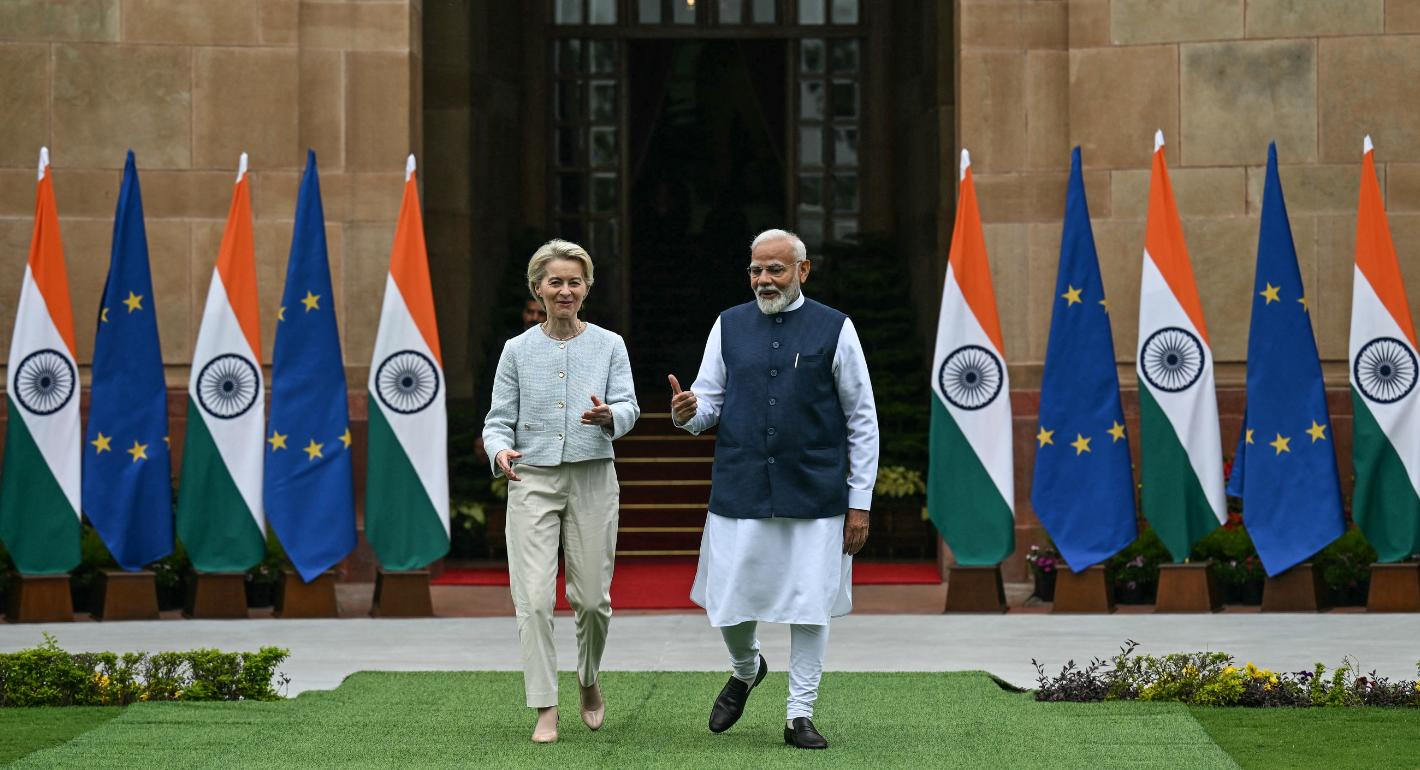
As European leadership prepares for the sixteenth EU-India Summit, both sides must reckon with trade-offs in order to secure a mutually beneficial Free Trade Agreement.

Dinakar Peri
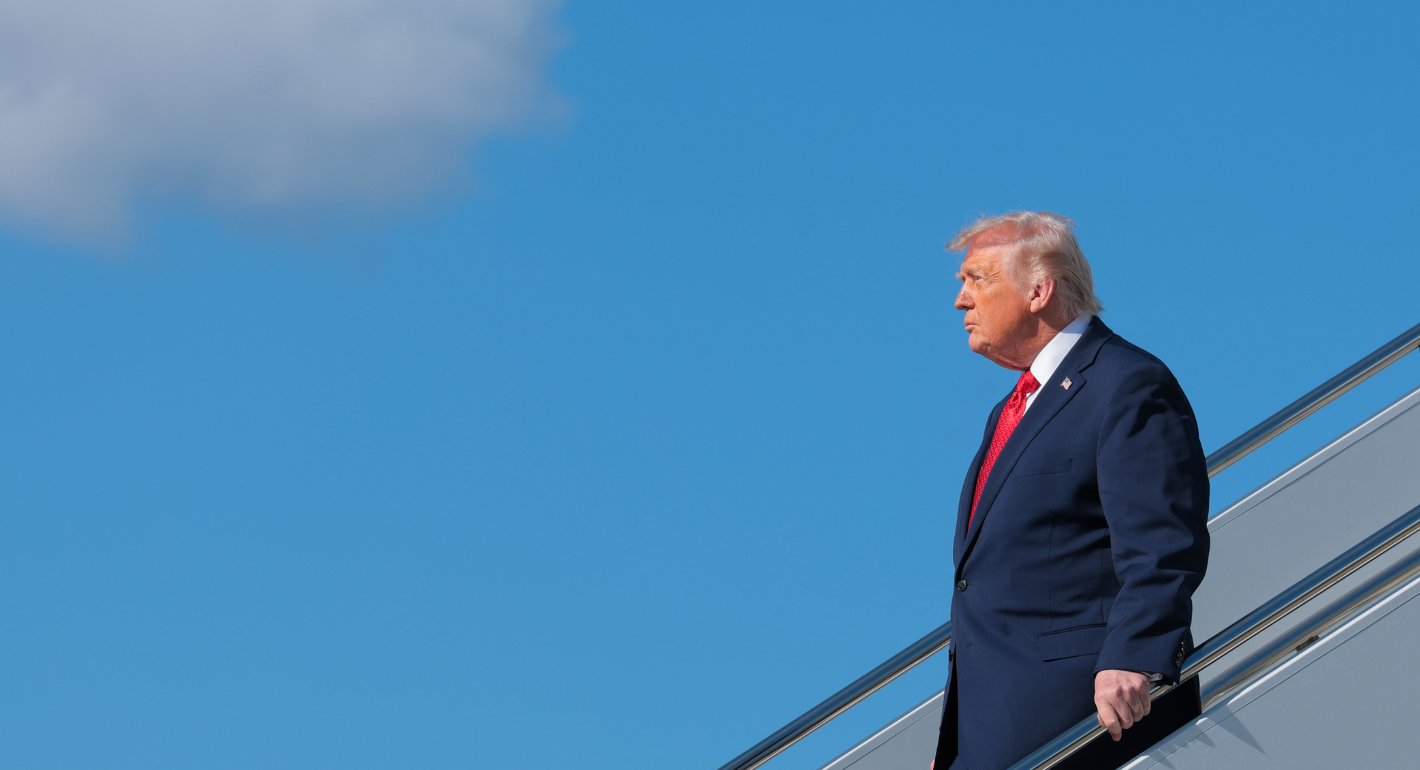
The hyper-personalized new version of global sphere-of-influence politics that Donald Trump wants will fail, as it did for Russia. In the meantime, Europe must still deal with a disruptive former ally determined to break the rules.

Thomas de Waal
2026 has started in crisis, as the actions of unpredictable leaders shape an increasingly volatile global environment. To shift from crisis response to strategic foresight, what under-the-radar issues should the EU prepare for in the coming year?
Thomas de Waal
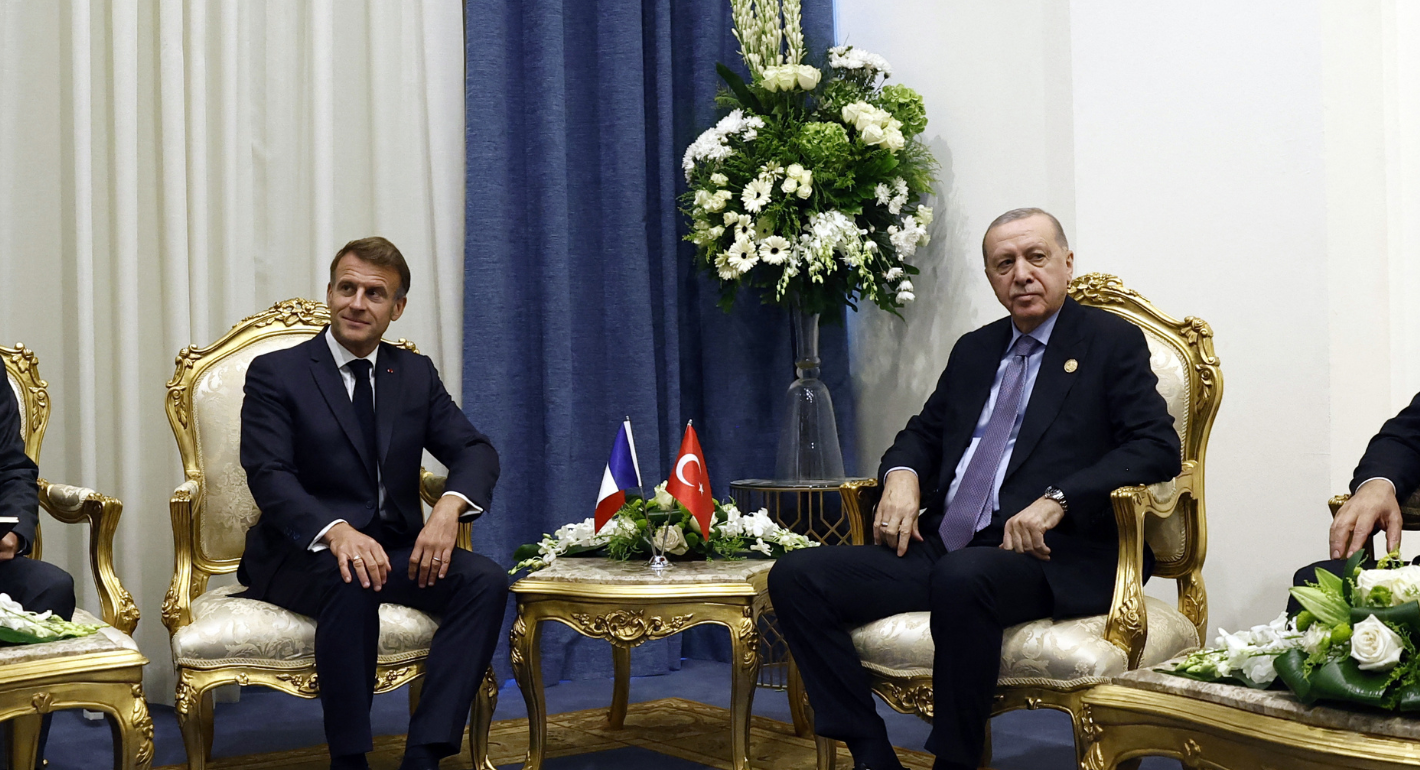
A renewal of relations between France and Turkey is vital to strengthen European strategic autonomy. To make this détente a reality, Paris and Ankara should move beyond personal friction and jointly engage with questions of Black Sea security.

Romain Le Quiniou
Europe is designing a new model of collective security that no longer relies on the United States. For this effort to succeed, solidarity between member states that have different threat perceptions is vital.

Erik Jones