

Commentary
As European leadership prepares for the sixteenth EU-India Summit, both sides must reckon with trade-offs in order to secure a mutually beneficial Free Trade Agreement.
Dinakar Peri
{
  "authors": [
    "Rosa Balfour",
    "Sinan Ülgen"
  ],
  "type": "commentary",
  "blog": "Strategic Europe",
  "centerAffiliationAll": "",
  "centers": [
    "Carnegie Endowment for International Peace",
    "Carnegie Europe"
  ],
  "englishNewsletterAll": "",
  "nonEnglishNewsletterAll": "",
  "primaryCenter": "Carnegie Europe",
  "programAffiliation": "",
  "programs": [],
  "projects": [],
  "regions": [
    "United States",
    "Europe"
  ],
  "topics": [
    "Economy",
    "Security",
    "Foreign Policy",
    "EU"
  ]
}
Donald Trump’s victory underscores the need for the EU to rethink its political economic model. As it adapts its policies, the union must recognize the trade-offs between its quest for economic security and its global identity as a champion of the rules-based order.
Earlier this week, U.S. President-elect Donald Trump showcased an extreme example of economic statecraft: He threatened Canada and Mexico, two of America’s major economic partners and like-minded nations, with higher import tariffs if they did not more effectively curtail cross-border drug trafficking and the flow of illegal migrants. This is a textbook definition of economic statecraft: the use of economic means to achieve foreign policy goals.
America’s focus on making itself “great again”—even to the detriment of the economic security of its allies—is the most substantive shock to the rules-based international order, which is embedded in the EU’s DNA. It upends the neoliberal economic model geared toward interdependence and the social contract that underpinned it.
The outcome of the U.S. presidential election should, as a result, compel European leaders to accelerate their rethink of the EU’s political and economic model. But if the Europeans want to retain their specificity on the international stage, they will need to find a way to balance the urgent need to accelerate their growth and reinforce their economic security with the development needs of their partners in Asia, Africa, and Latin America. At the moment, the EU is struggling to build consensus among its member states on both imperatives.
This will be the challenge for the newly approved European Commission that will start its term on December 1, 2024. The monumental list of policy reforms that need to be carried out is by now well known. During the past months the EU commissioned a series of reports authored by former Italian prime minister Enrico Letta, former European Central Bank president Mario Draghi, and former Finnish president Sauli Niinistö. They all point in the same direction: a more integrated, green, innovative, digital European economy in which a mix of private and public investment can strengthen and expand the single market and make it globally competitive and attractive.
But the contrast between the consensus among experts on the way forward and the political landscape in Europe could not be greater. So far, most European capitals are refusing to beef up the financial resources dedicated to bolstering the EU. Even if Trump’s victory in the United States were to jolt Europeans into displaying the leadership and political will to do so—and that is a big if—each of the long lists of recommendations in these authoritative reports would require addressing a number of dilemmas and making tough choices with politically costly trade-offs.
The EU will need to craft a green and innovative industrial policy strategy that can compete, in relative terms, with state interventionism and protectionism in the United States and China while maintaining fair competition in the single market. To increase competitiveness, the EU will have to make difficult choices about which industrial sectors to privilege, which European champions to promote, as well as how to redistribute wealth within Europe.
Great industrial transitions always entail winners and losers. But European welfare systems needed to accompany the transition have been battered by a decade of austerity. Without adequate investments, addressing defense, climate, and digitalization priorities at the same time could become conflictual, poisoning the political debate.
Crafting the EU’s economic statecraft internationally will be challenged by the likely demand from the next U.S. administration for greater alignment with Washington on China, Europe’s second largest trading partner. More broadly, the EU will have to strike a balance between its aspirations for economic security and broader foreign policy goals to avoid undermining the rules-based international order and its own global role.
This responsibility will in turn require the new EU leadership to make a concerted effort to acknowledge the external ramifications of its burgeoning economic statecraft. More often than not, the policy measures encapsulated by this fast-evolving framework have significant repercussions for the rest of the world. Driven by domestic political, economic, and social needs, and ultimately shaped by difficult internal negotiations, European policies impact the outside world in ways that are not always properly assessed. As a result, when EU policymakers emphasize carbon leakage, developing nations hear “green protectionism,” and when there is talk about technological sovereignty they hear “digital divide.”
The EU should therefore be more cognizant of the inherent trade-offs between its aspirations for economic security and its global identity as the flag bearer of a norms-based multilateral system. This balance will be crucial to maintaining credibility and legitimacy on the international stage at a time when Trump-guided policies risk severely undermining the international rules-based order, which was gradually built over many decades by the joint vision and political will of generations of American and European leaders.
These imperatives demonstrate the pressing need for the EU to balance its economic statecraft with broader strategic goals, avoiding a disproportionate focus on immediate prerogatives at the expense of long-term order-related and global public goods. It is therefore only by relearning the art of the strategic management of interdependence that the EU can hope to achieve the twin objectives of ensuring its future economic resilience while safeguarding the multilateral rules-based order that will visibly be imperiled by the actions of its main transatlantic ally in the next four years.
Carnegie does not take institutional positions on public policy issues; the views represented herein are those of the author(s) and do not necessarily reflect the views of Carnegie, its staff, or its trustees.
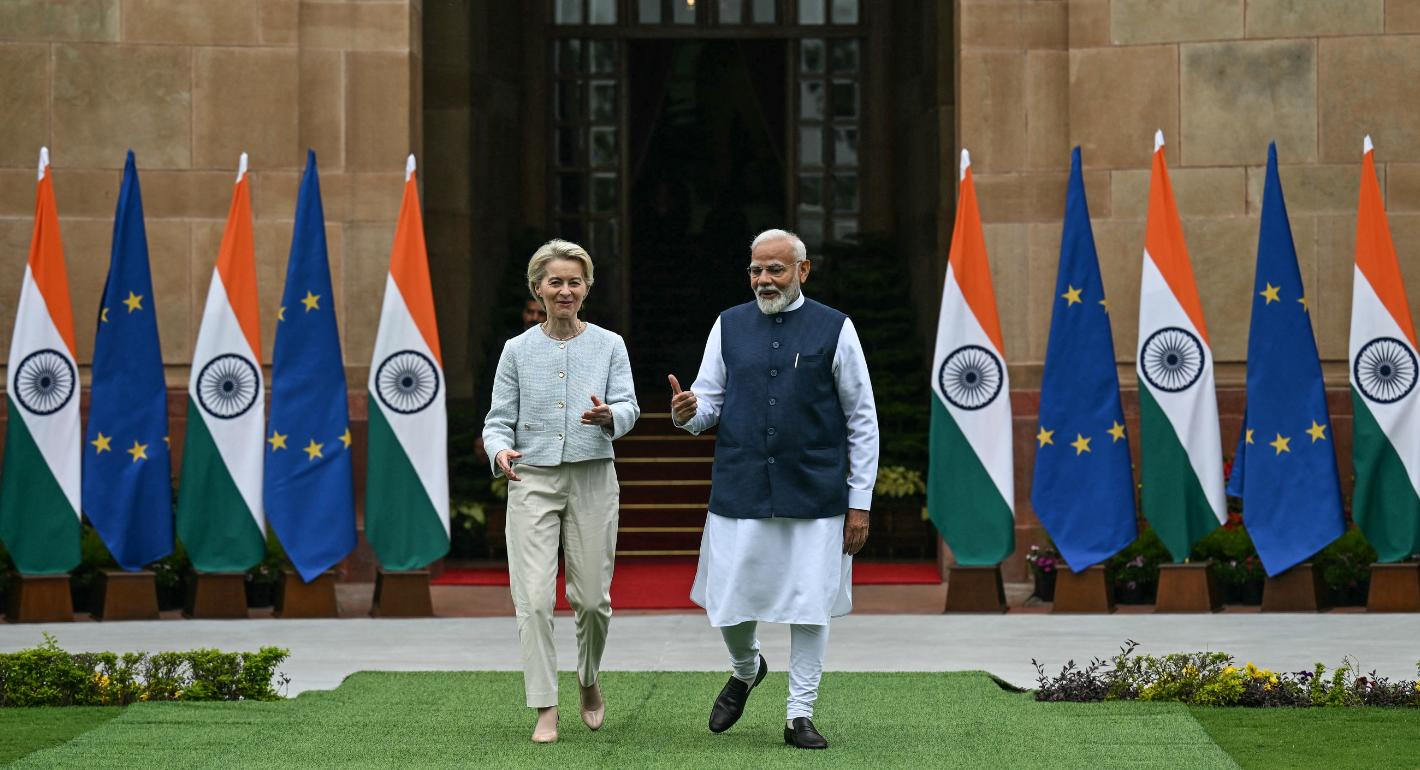
As European leadership prepares for the sixteenth EU-India Summit, both sides must reckon with trade-offs in order to secure a mutually beneficial Free Trade Agreement.

Dinakar Peri
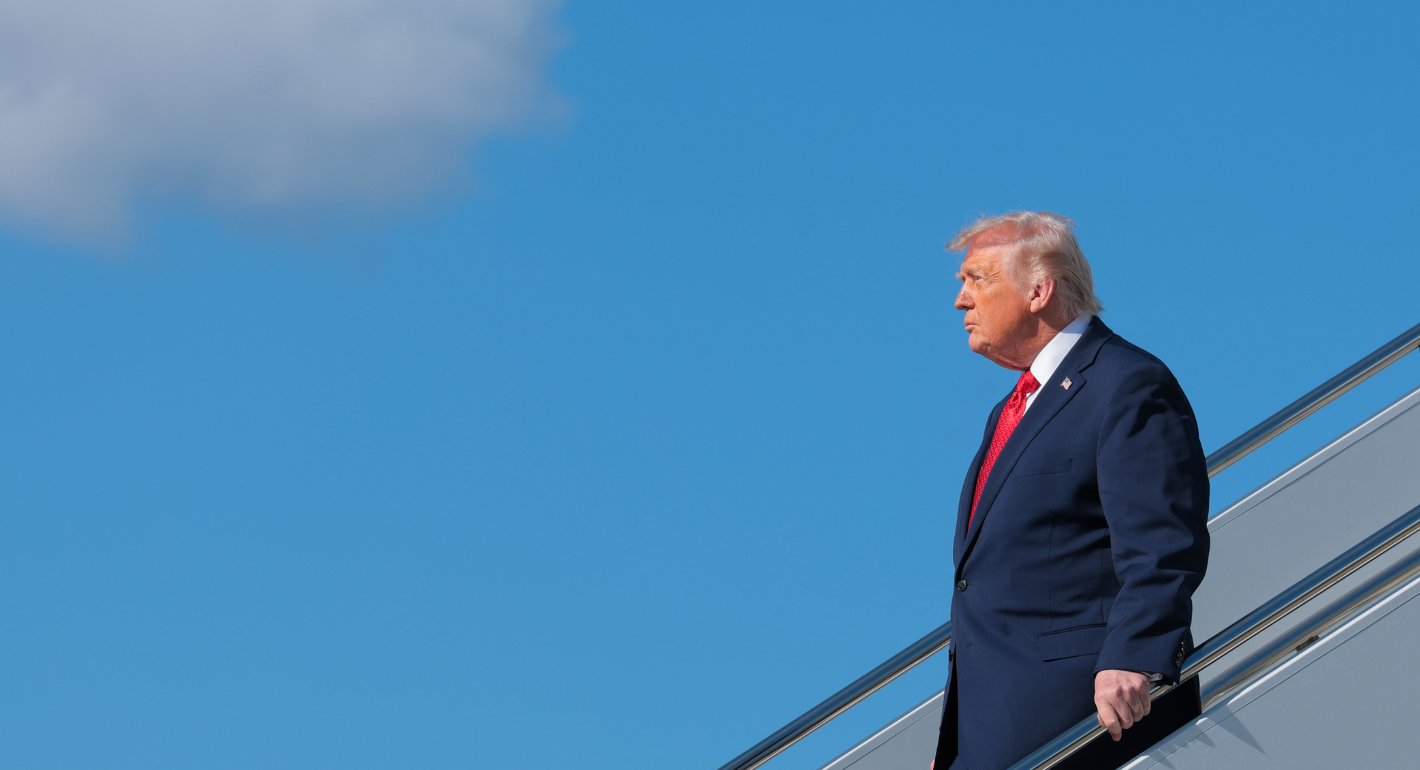
The hyper-personalized new version of global sphere-of-influence politics that Donald Trump wants will fail, as it did for Russia. In the meantime, Europe must still deal with a disruptive former ally determined to break the rules.

Thomas de Waal
2026 has started in crisis, as the actions of unpredictable leaders shape an increasingly volatile global environment. To shift from crisis response to strategic foresight, what under-the-radar issues should the EU prepare for in the coming year?
Thomas de Waal
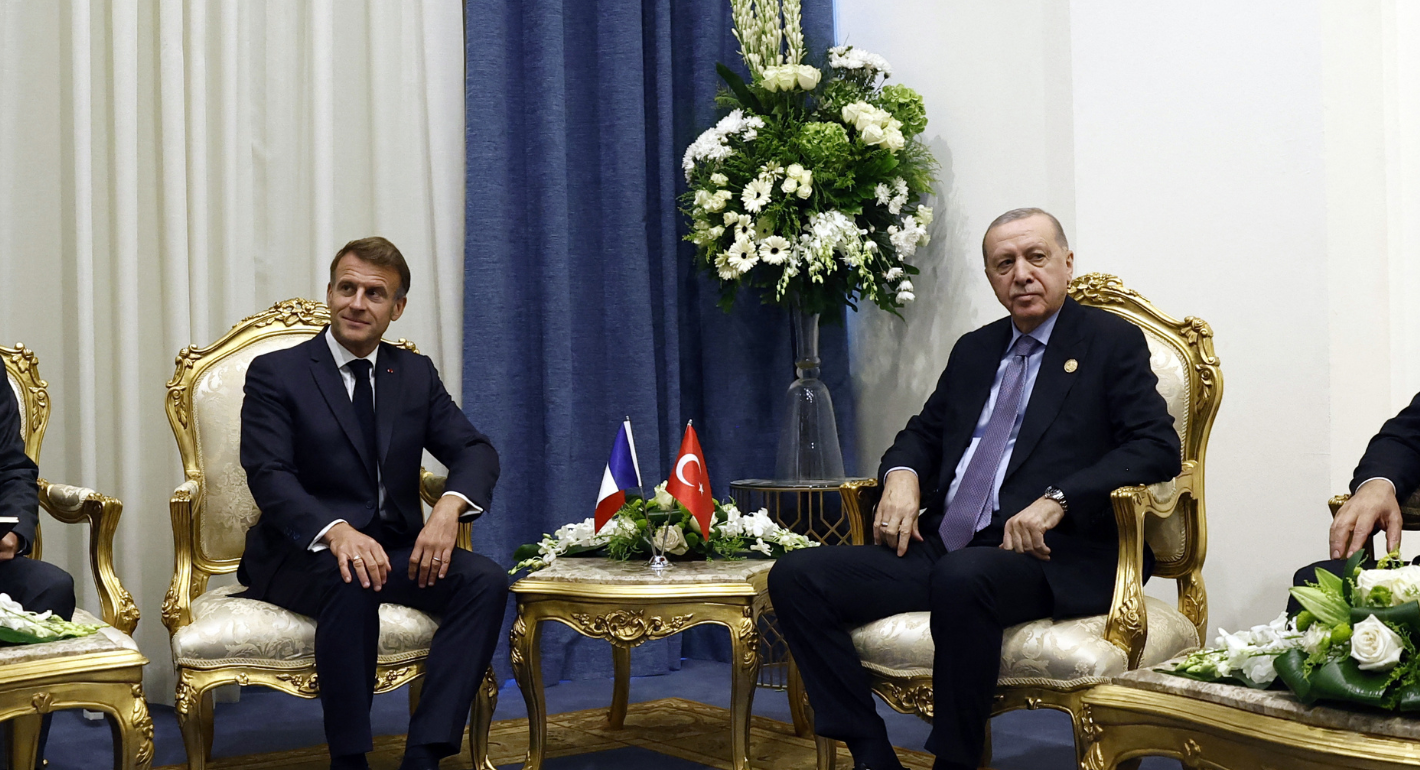
A renewal of relations between France and Turkey is vital to strengthen European strategic autonomy. To make this détente a reality, Paris and Ankara should move beyond personal friction and jointly engage with questions of Black Sea security.
Romain Le Quiniou
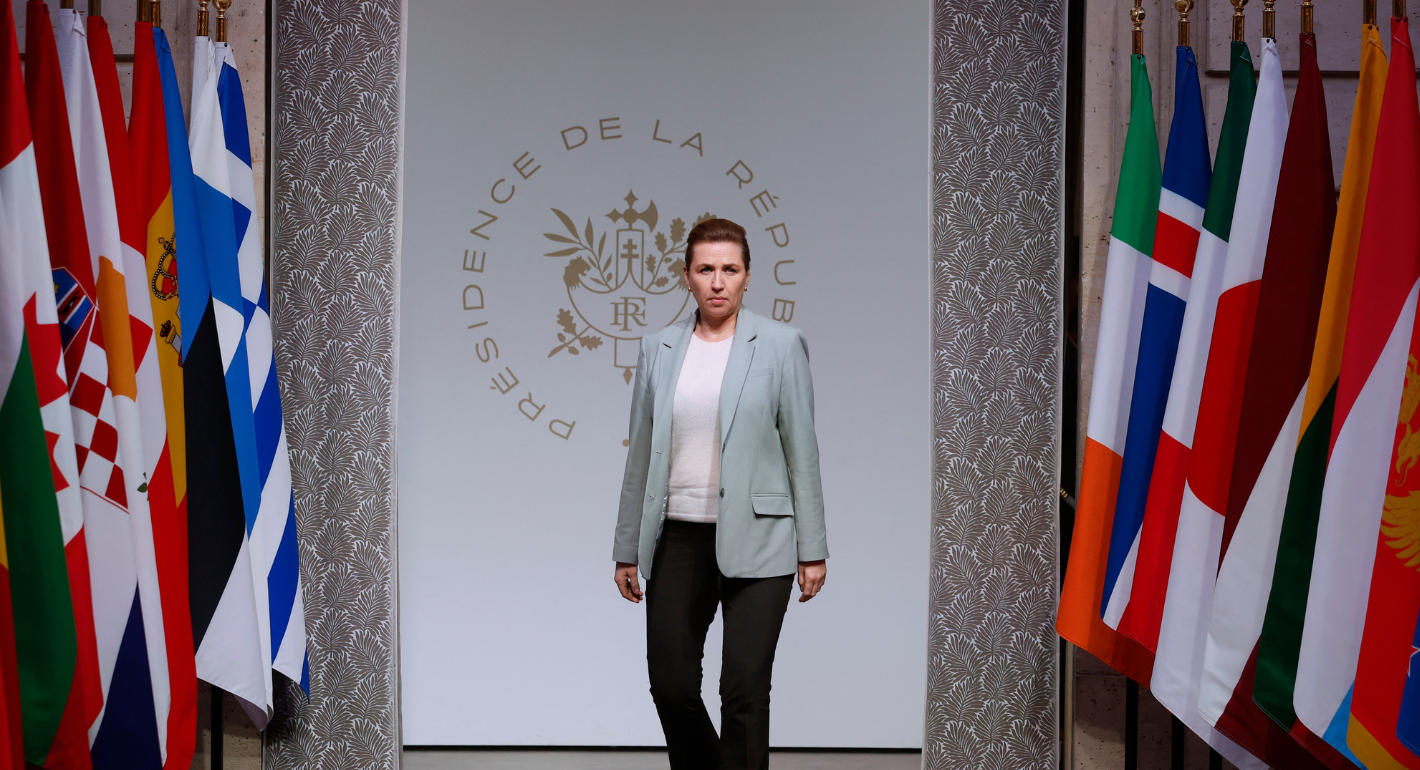
Europe is designing a new model of collective security that no longer relies on the United States. For this effort to succeed, solidarity between member states that have different threat perceptions is vital.

Erik Jones