

Commentary
Venezuelans deserve to participate in collective decisionmaking and determine their own futures.
Jennifer McCoy
{
  "authors": [
    "Matt Ferchen"
  ],
  "type": "legacyinthemedia",
  "centerAffiliationAll": "",
  "centers": [
    "Carnegie Endowment for International Peace",
    "Carnegie China"
  ],
  "collections": [
    "China and the Developing World",
    "China’s Foreign Relations"
  ],
  "englishNewsletterAll": "",
  "nonEnglishNewsletterAll": "",
  "primaryCenter": "Carnegie China",
  "programAffiliation": "",
  "programs": [],
  "projects": [],
  "regions": [],
  "topics": [
    "Economy"
  ]
}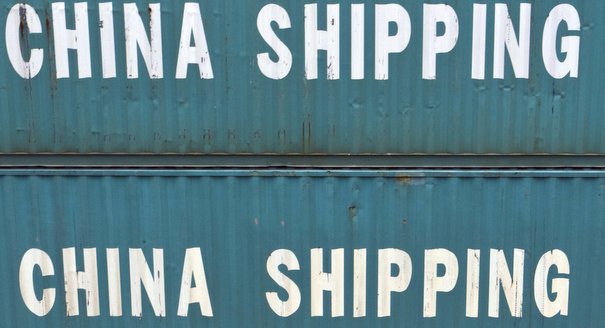
China’s domestic development drive has prompted it to develop trade relations with Latin America. While generating positive economic results for both sides in the short-term, the threat of Latin America once again falling into a pattern of export dependency—this time with China—looms large.
Source: Chinese Journal of International Politics

In his article ‘China-Latin America Relations: Long-Term Boon or Short-Term Boom?’, Dr. Matt Ferchen pinpoints the resultant dual narratives, some describing the China–Latin America relationship as complementary and others emphasizing dependency. The author demonstrates, however, that no assessment of the health and stability of the China–Latin America relationship can be complete without better understanding of Chinese commodity demand. Chinese demand for key Latin American commodities, including mineral resources such as iron ore, is based on a boom in domestic Chinese heavy industrial production, which in turn has fueled a global commodity boom of inputs to feed it. Chinese industrial (over)production has increased only as a result of stimulus and credit policies in the wake of the global financial crisis, causing concern inside and outside of China about capacity and asset bubbles.
The basis of China–Latin America trade and investment relations, therefore, the author emphasizes, is both narrower and more fragile than commonly understood. To align overly optimistic expectations about the health and sustainability of China–Latin America relations, both sides need to assess more realistically the many challenges to maintaining the boom in economic relations of the last decade.
This article was originally published in the Chinese Journal of International Politics.
Carnegie does not take institutional positions on public policy issues; the views represented herein are those of the author(s) and do not necessarily reflect the views of Carnegie, its staff, or its trustees.
Venezuelans deserve to participate in collective decisionmaking and determine their own futures.

Jennifer McCoy
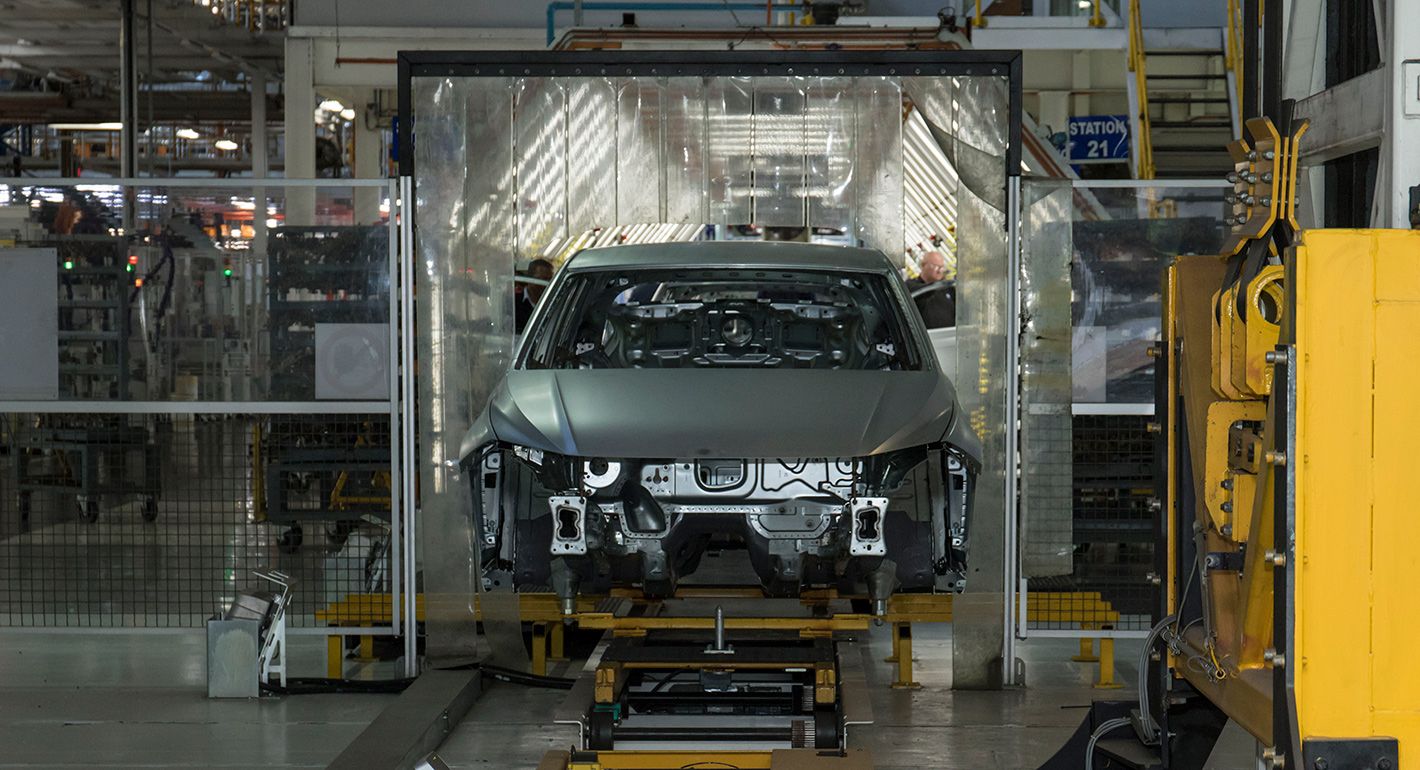
German manufacturing firms in Africa add value, jobs, and skills, while benefiting from demand and a diversification of trade and investment partners. It is in the interest of both African economies and Germany to deepen economic relations.
Hannah Grupp, Paul M. Lubeck
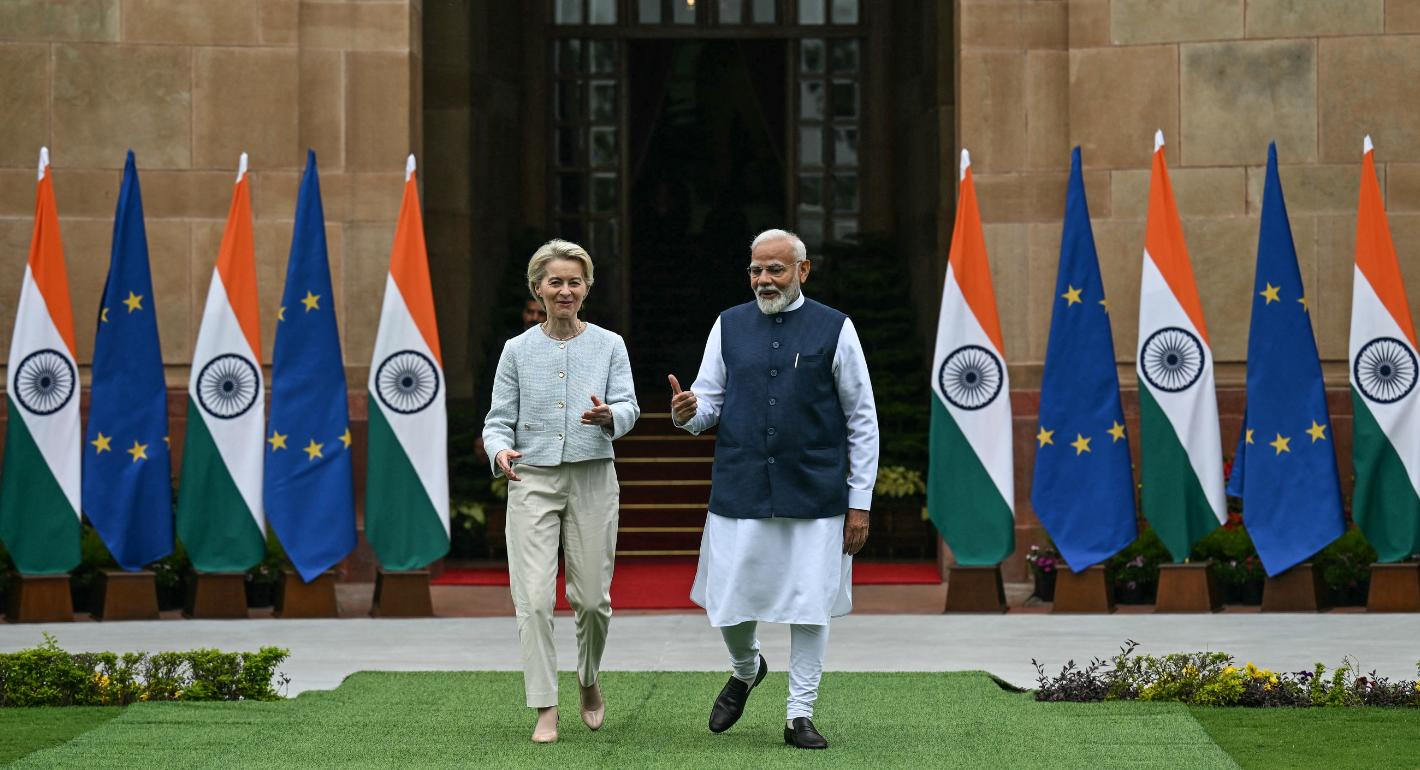
As European leadership prepares for the sixteenth EU-India Summit, both sides must reckon with trade-offs in order to secure a mutually beneficial Free Trade Agreement.

Dinakar Peri
Global development needs imagination to update the purposes, structures, and systems of outmoded institutions to make them fit for today’s world.

David McNair
African countries need to adapt to a new era of U.S. trade relations.

Kholofelo Kugler, Georgia Schaefer-Brown