

Commentary
The supposed threats from China and Russia pose far less of a danger to both Greenland and the Arctic than the prospect of an unscrupulous takeover of the island.
Andrei Dagaev
{
  "authors": [
    "Dmitri Trenin"
  ],
  "type": "legacyinthemedia",
  "centerAffiliationAll": "",
  "centers": [
    "Carnegie Endowment for International Peace",
    "Carnegie Russia Eurasia Center"
  ],
  "collections": [],
  "englishNewsletterAll": "",
  "nonEnglishNewsletterAll": "",
  "primaryCenter": "Carnegie Russia Eurasia Center",
  "programAffiliation": "",
  "programs": [],
  "projects": [],
  "regions": [
    "North America",
    "United States",
    "Russia"
  ],
  "topics": [
    "Foreign Policy"
  ]
}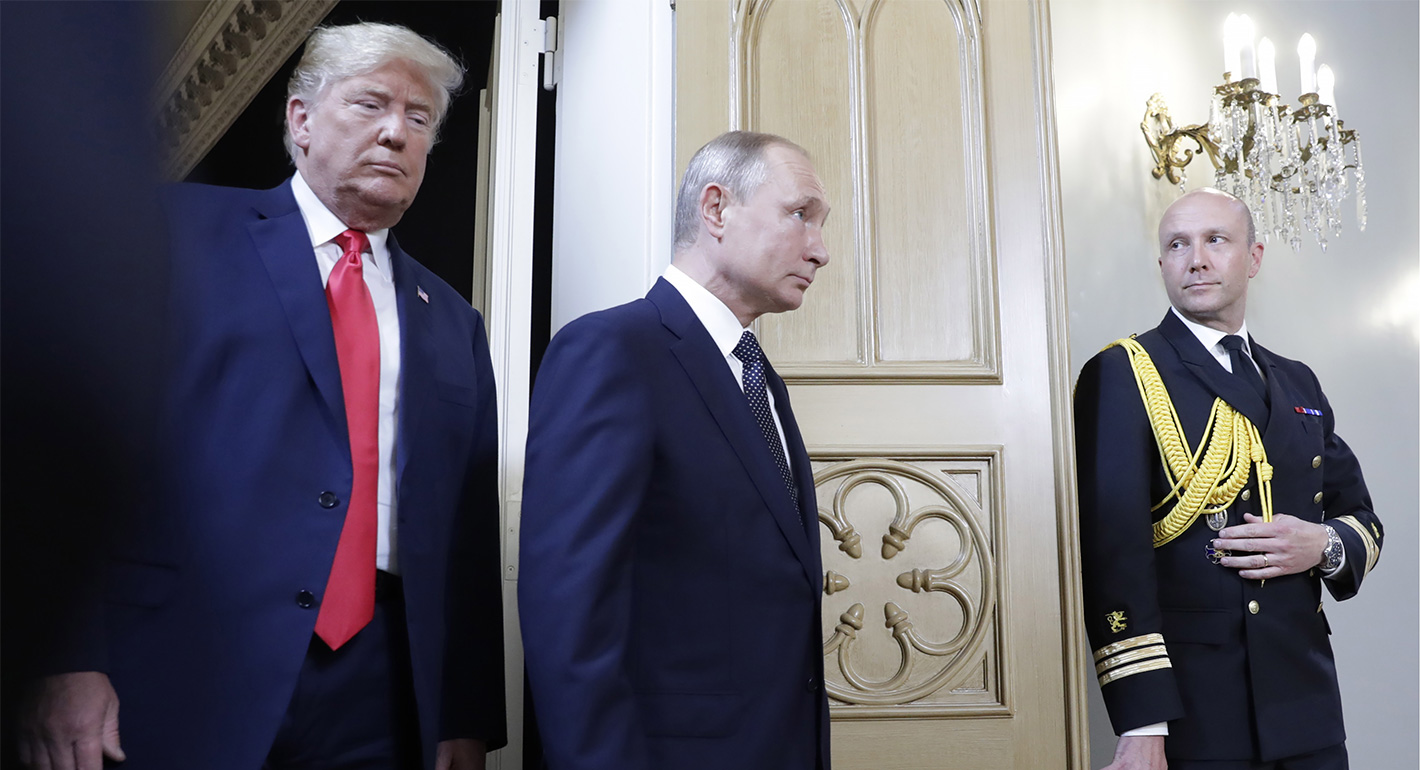
It will be a long time before the U.S. and Russia will reach a new normal in their relationship. The most important thing is that they keep their current confrontation cold, just as they managed with the previous one.
Source: InsideOver
When in November 2016 Donald Trump was elected President of the United States of America, there was celebration on the floor of the Russian State Duma. To Russians, Trump’s victory came unexpected, as it did to most people, including Trump himself. In the atmosphere of worsening US-Russian relations, Trump’s election campaign was useful to the Kremlin as his rhetoric was exposing the flaws of the US democratic system and the hypocrisy of the US ruling elite. In particular, Trump was blasting Hillary Clinton, who, seven years before, had been encouraging youthful Russian urbanites protesting against a rigged election to the Duma, and demanding “a Russia without Putin.” Clinton was not only seen as a continuation of Barack Obama, the president who insulted Vladimir Putin by calling Russia a “regional power”; some in Moscow feared that her intention to impose a no-fly zone in Syria, where Russian forces had been operating since 2015, risked leading to a direct military collision between the two powers.
Despite his colorful personality, in the words of President Putin, Trump appealed to Russian expectations of an American president who would put ideology to one side and adopt a realistic view on international relations and conduct a foreign policy squarely based on national interests. Such an American leader, it was hoped, would be amenable to a series of trade-offs with Russia, a sort of a “grand bargain.” Once the deal was done, the hope in the Kremlin was, the unfortunate page in the US-Russian relations created by the Ukraine crisis, would be turned. The Ukraine issue would be settled on terms that would be acceptable to Russia; the US sanctions imposed in the wake of events in Crimea and Donbass would be lifted; and Moscow and Washington would resume collaboration on an equal basis in places such as Syria, Afghanistan, and North Korea. To make things easier for the incoming US president, Putin decided not to retaliate against Obama’s expulsion of dozens of Russian diplomats and the seizure of Russian diplomatic property in the United States.
Even though the Mueller investigation report has rejected the notion of a Trump-Russia collusion, it supported the claim of Russia’s involvement in the 2016 US presidential elections campaign. It is safe to assume that there was some interference – which, to the Russians, was something that all countries, starting with the United States itself, do, but also always deny. It is also safe to assume that the impact of the combined likely Russian interference, from hacking to social media accounts to television broadcasts, was relatively minor. Russian Duma members may have cheered Trump’s election publicly, and some Russian government officials may have congratulated themselves privately, but Russia did not elect Donald Trump the 45th President of the United States. Knowledgeable people in Moscow also believed, initially, that accusations to the contrary, understandable as they were from the bitterly disappointed Democrats, would die down soon after the Trump inauguration. The Kremlin set about preparing for an early US-Russian summit.
Soon, however, it was the Kremlin’s turn to become disappointed. While it saw the selection of Rex Tillerson as Trump’s Secretary of State as a welcome sign of emerging interest-based realism, the early dismissal of General Michael Flynn as the National Security Adviser rang alarm bells. Hopes of a stand-alone Putin-Trump summit were dashed, and their first get-together on the margins of the G20 meeting in Hamburg in July 2017 yielded mixed results, in which the negatives soon outweighed the positives. Putin did succeed to extend the meeting with his US counterpart to more than twice its originally planned length, but the very public backlash against the suspected Trump-Russia collusion blocked any progress achieved in the private talks between the two leaders. The actual result of the Hamburg mission was the passing by the US Congress of a sanctions passage which was not only much harsher than anything ordered by Barack Obama, but which for the first time since the start of the Ukraine crisis enshrined US sanctions against Russia in law. President Trump, knowing he had no chance to override the nearly unanimous vote supporting the sanctions, was left with no choice other than signing the new legislation.
August 2017 was the month when the new reality in US-Russia relations finally set in. America’s Russia policy was no longer in the hands of the White House. It was led by a Congress where, for the first time ever, Russia faced a coalition of both major parties firmly aligned against it. To many Democrats, punishing Russia was a way of preventing the Republican President from selling out America’s interests to a foreign country.
To Republicans, being very tough on Russia absolved them of any charges of the White House’s collusion with the Kremlin. Thus Russia, which for decades during the Cold War had been an implacable ideological foe, a formidable geopolitical rival, and a colossal security threat to the United States, stopped being a foreign policy issue at all and transformed into a political football to be kicked around by both home teams.
The situation lasts to this very day. Putin’s fresh attempt, against all odds, to build a working relationship with Trump, during their ill-fated summit in Helsinki in July 2018, resulted in an even bigger public relations disaster than the Hamburg meeting a year before. The refusal by the White House to hold another encounter with the Russian president on the margins of the G20 event in Argentina in November 2018 finally convinced Putin that there was no more sense trying harder. Reluctantly, he gave up on Donald Trump. As it stands today, the US-Russia agenda has shrunk to just one item: avoiding a direct military collision between the two countries’ militaries, either as a result of an incident – say, in Syria, or of an escalation of the simmering conflict in eastern Ukraine. Meanwhile, the relationship continues to deteriorate. In the short term, it will likely get worse before it gets even worse.
Looking ahead, it will all depend on the domestic politics in both countries. The 2020 election in the United States will be the first landmark with major implications. Even if re-elected, Donald Trump is unlikely to be able or even willing to stabilize relations with Russia. A successful Democratic candidate, for his part, will probably start with a tough approach toward Russia, but he might have a strategy for dealing with it beyond heaping more and more sanctions on Moscow. Russia’s election is not scheduled before 2024, and even then the real configuration of power after Putin’s current term expires is not clear. In the longer term, the end of the Putin era will probably usher in a reassessment of policies across the board, and a major realignment of competing elite groups and a degree of restlessness within society at large. Both countries will be mostly preoccupied with their domestic issues, but they will be using foreign policy as a political tool or resource. It will be a long time before America and Russia will reach a new normal in their relationship. The most important thing is that they keep their current confrontation cold, just as they managed with the previous one.
Carnegie does not take institutional positions on public policy issues; the views represented herein are those of the author(s) and do not necessarily reflect the views of Carnegie, its staff, or its trustees.
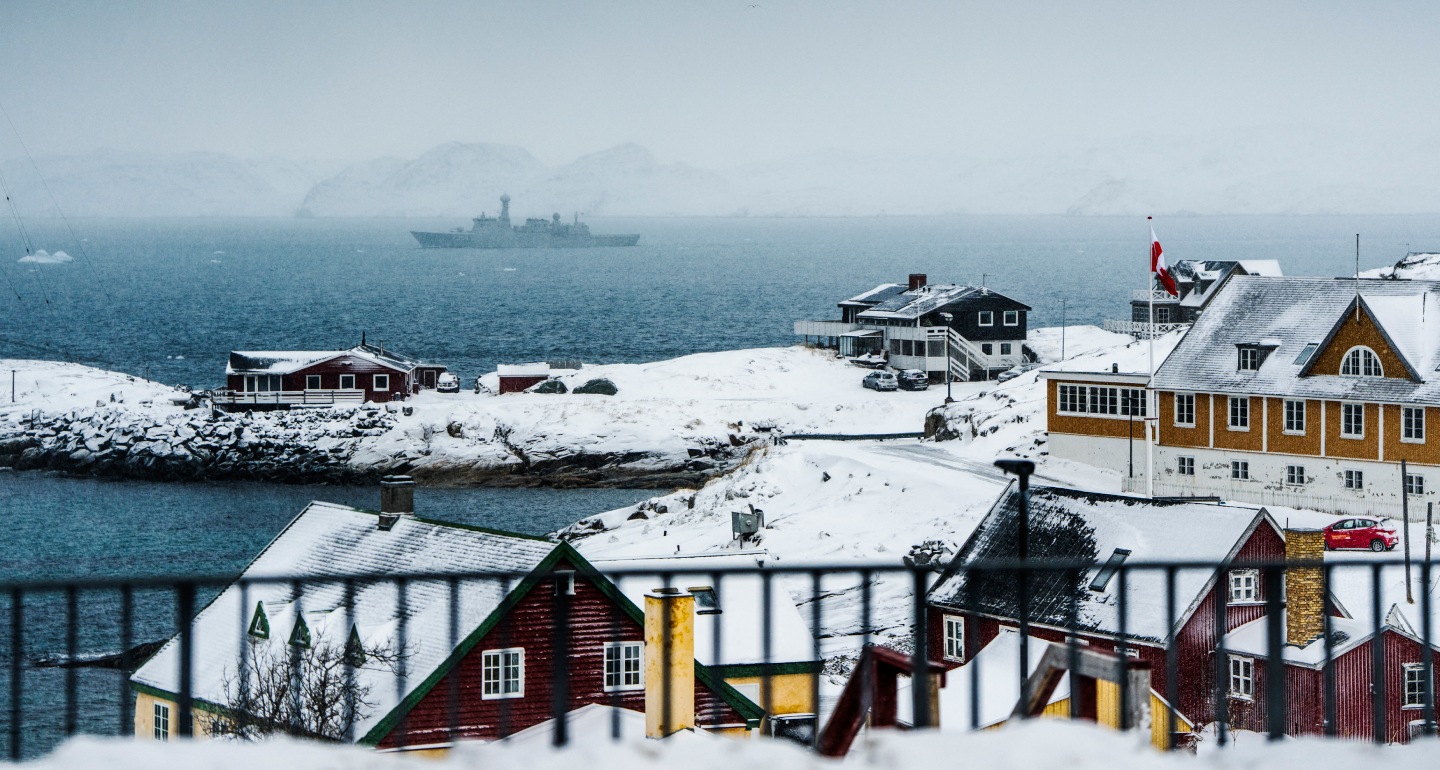
The supposed threats from China and Russia pose far less of a danger to both Greenland and the Arctic than the prospect of an unscrupulous takeover of the island.

Andrei Dagaev
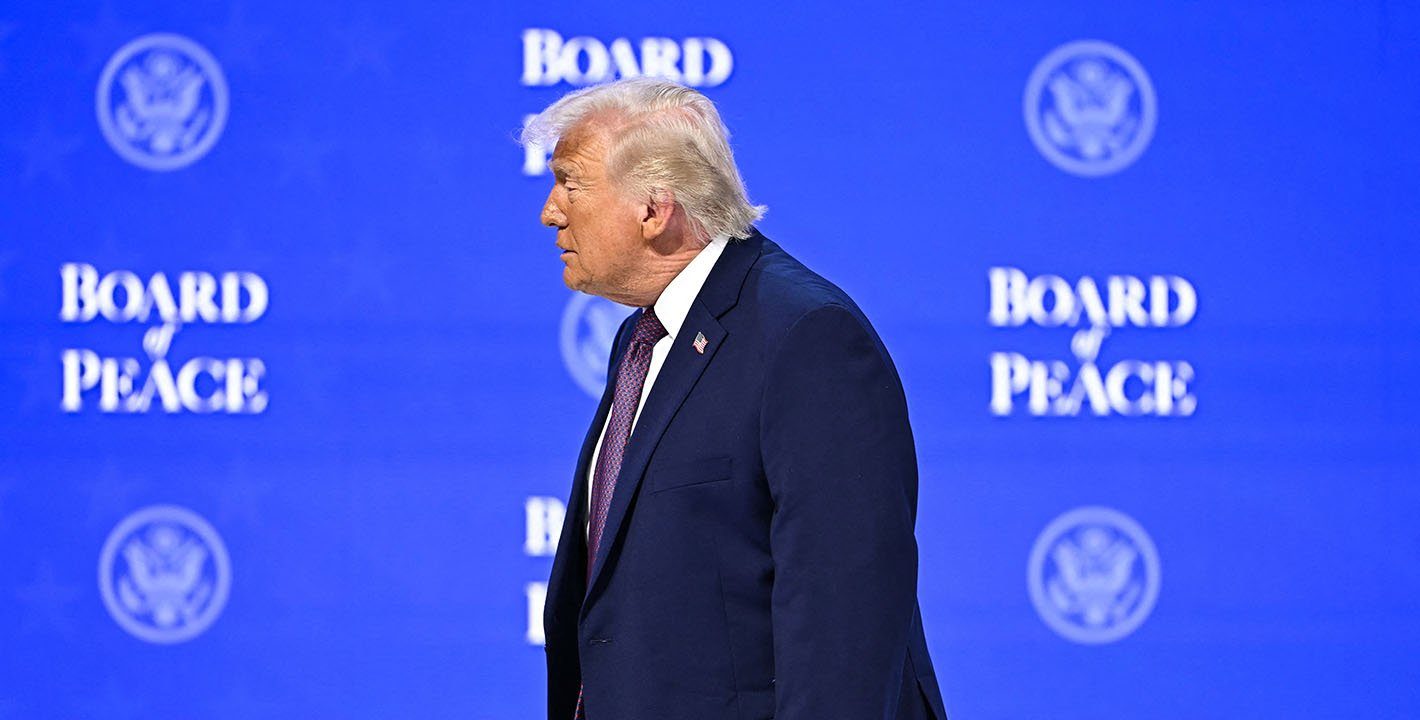
Implementing Phase 2 of Trump’s plan for the territory only makes sense if all in Phase 1 is implemented.

Yezid Sayigh
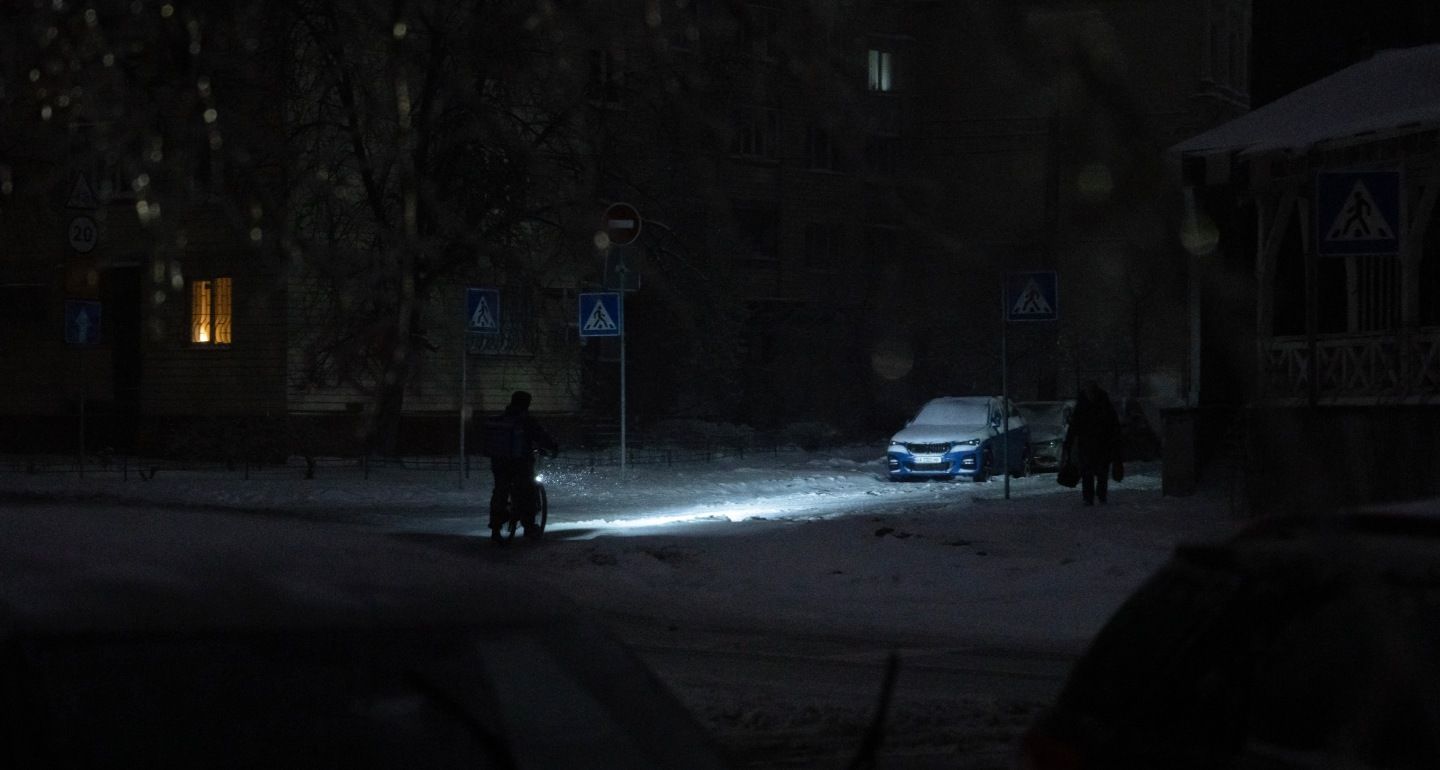
Western negotiators often believe territory is just a bargaining chip when it comes to peace in Ukraine, but Putin is obsessed with empire-building.

Andrey Pertsev
When democracies and autocracies are seen as interchangeable targets, the language of democracy becomes hollow, and the incentives for democratic governance erode.

Sarah Yerkes, Amr Hamzawy
Unexpectedly, Trump’s America appears to have replaced Putin’s Russia’s as the world’s biggest disruptor.

Alexander Baunov