

Commentary
A conversation with Karim Sadjadpour and Robin Wright about the recent protests and where the Islamic Republic might go from here.
Aaron David Miller, Karim Sadjadpour, Robin Wright
{
  "authors": [
    "Lyu Jinghua",
    "Gaurav Kalwani"
  ],
  "type": "other",
  "centerAffiliationAll": "",
  "centers": [
    "Carnegie Endowment for International Peace"
  ],
  "collections": [
    "Major Power Tech Relations",
    "Cyber and Digital Policy"
  ],
  "englishNewsletterAll": "",
  "nonEnglishNewsletterAll": "",
  "primaryCenter": "Carnegie Endowment for International Peace",
  "programAffiliation": "",
  "programs": [
    "Technology and International Affairs"
  ],
  "projects": [],
  "regions": [
    "North America",
    "United States",
    "East Asia",
    "China",
    "Iran"
  ],
  "topics": [
    "Foreign Policy",
    "Technology"
  ]
}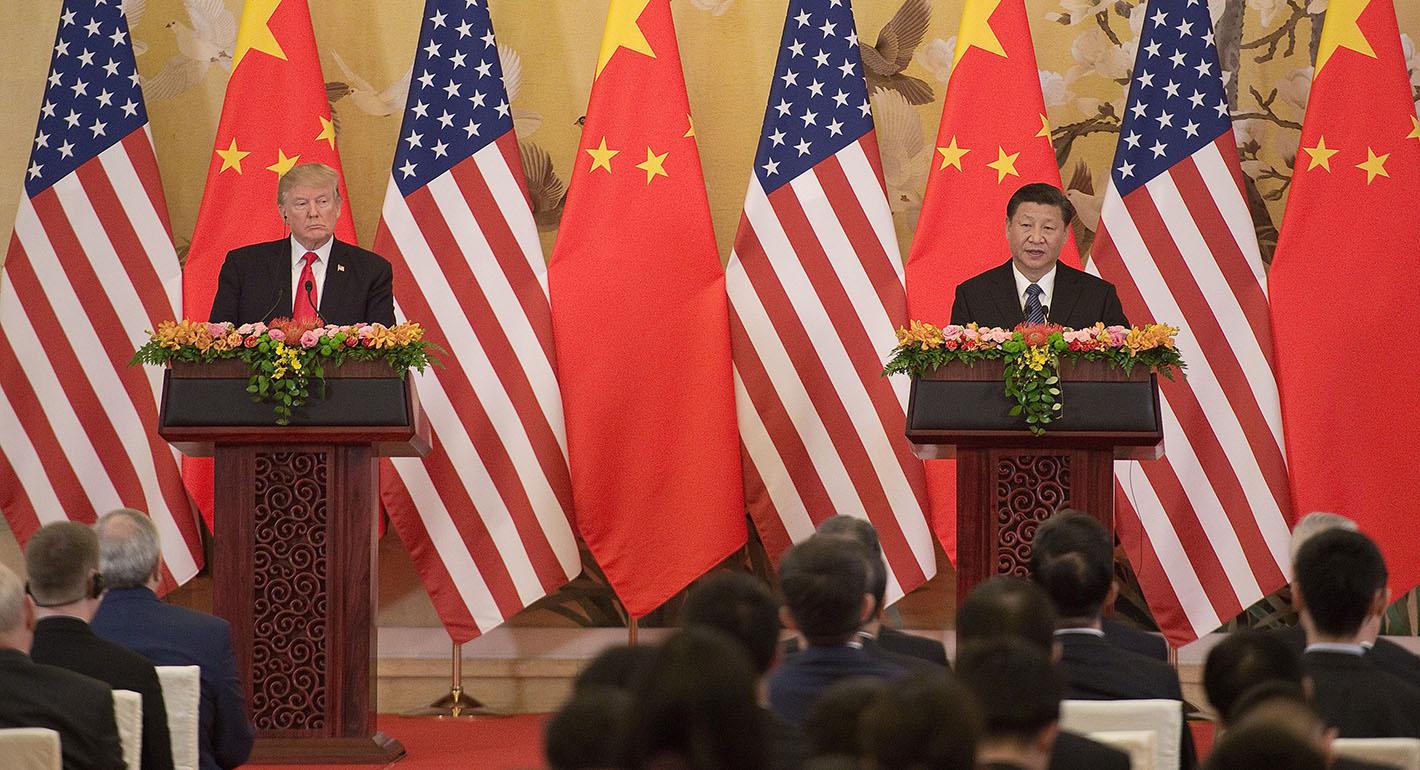
Although cyberspace represents a relatively new facet of the U.S.-China relationship, controversies within this domain have rapidly evolved into critical and contentious issues in the eyes of both parties, affecting a wide swath of policy areas such as trade, defense, transparency, and the rule of law.
Source: Turkish Policy Quarterly
Although cyberspace represents a relatively new facet of the US-China relationship, controversies within this domain have rapidly evolved into critical and contentious issues in the eyes of both parties, affecting a wide swath of policy areas such as trade, defense, transparency, and the rule of law. Understanding the development and underlying factors of tensions, the concerns of both sides, and the way in which these problems combine in the poorly managed competition over 5G will be crucial to moderating friction and building the future digital world.
This publication was originally published in the Turkish Policy Quarterly.
Carnegie does not take institutional positions on public policy issues; the views represented herein are those of the author(s) and do not necessarily reflect the views of Carnegie, its staff, or its trustees.
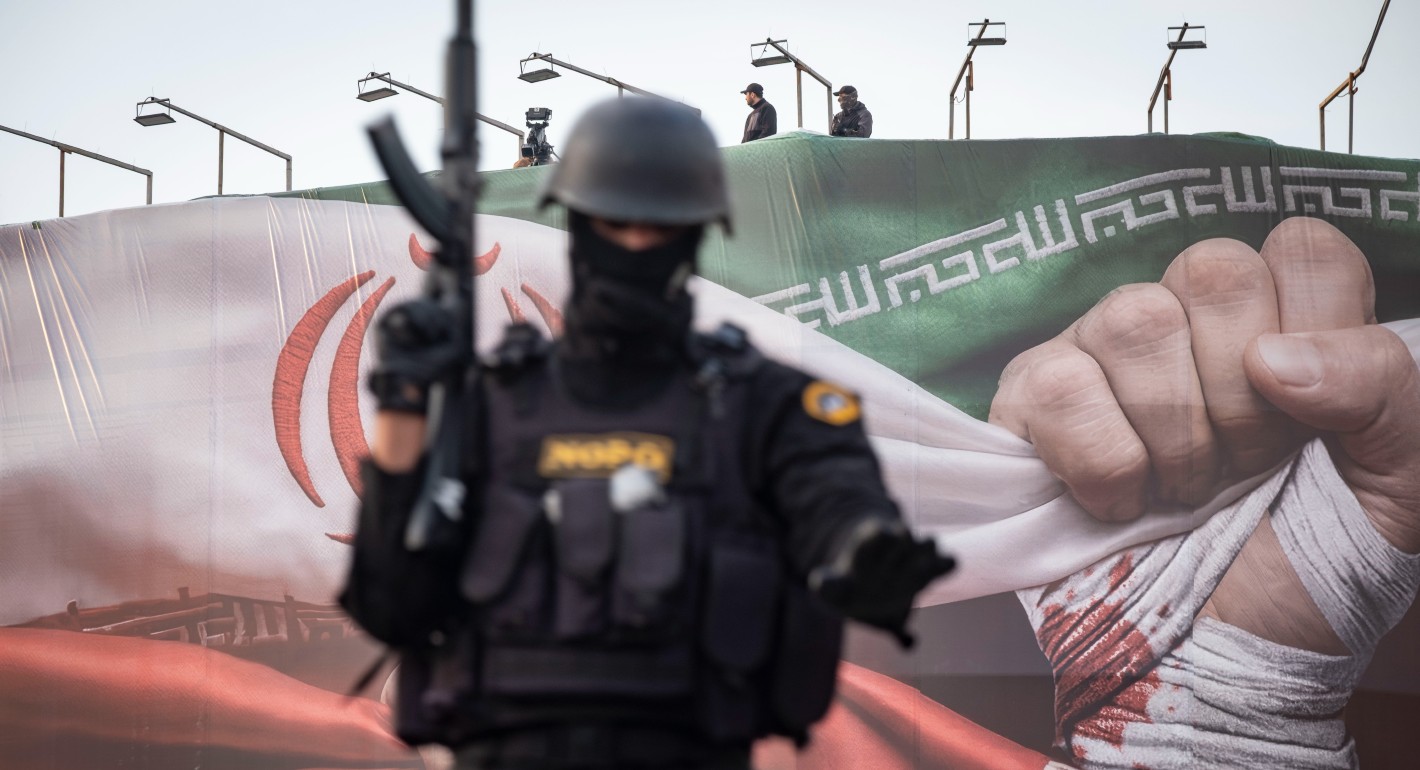
A conversation with Karim Sadjadpour and Robin Wright about the recent protests and where the Islamic Republic might go from here.

Aaron David Miller, Karim Sadjadpour, Robin Wright
Implementing Phase 2 of Trump’s plan for the territory only makes sense if all in Phase 1 is implemented.
Yezid Sayigh
Western negotiators often believe territory is just a bargaining chip when it comes to peace in Ukraine, but Putin is obsessed with empire-building.
Andrey Pertsev
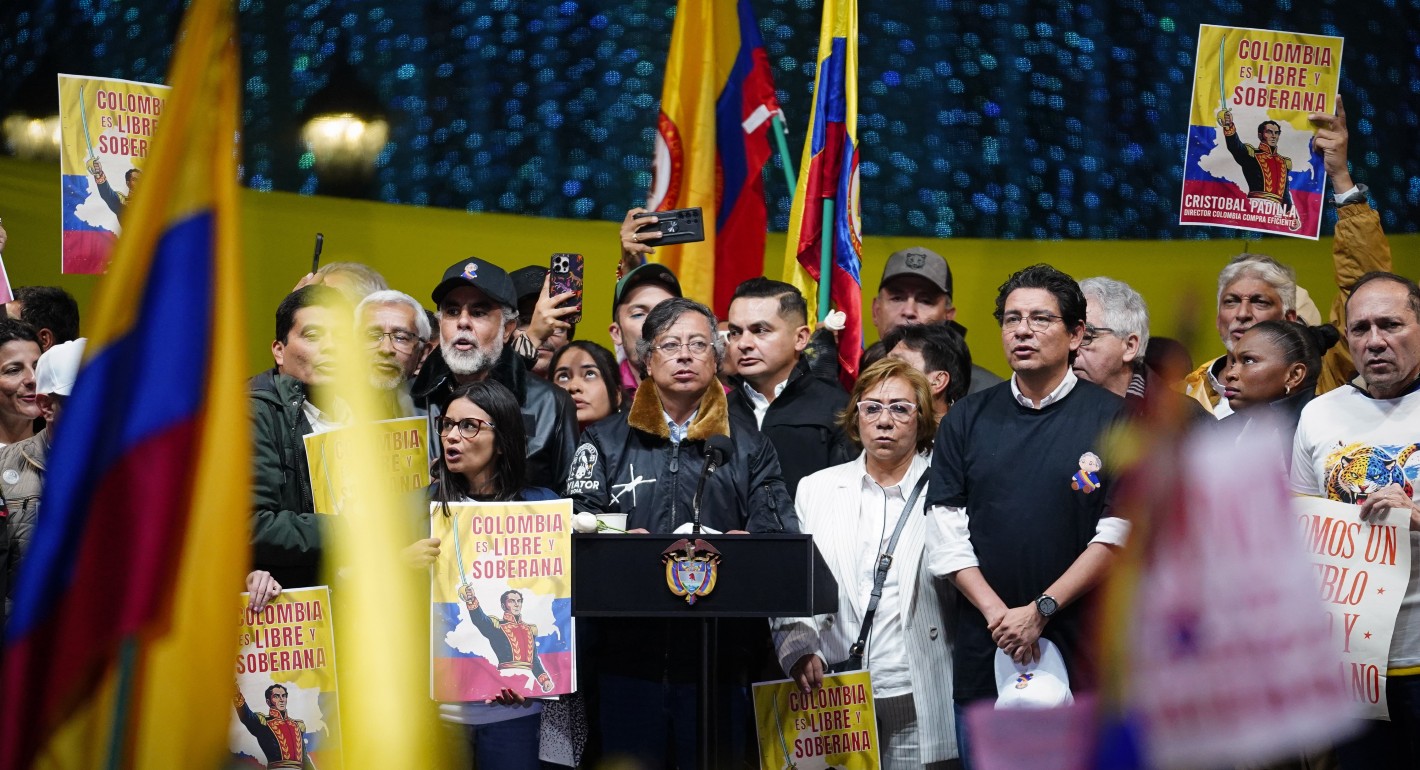
When democracies and autocracies are seen as interchangeable targets, the language of democracy becomes hollow, and the incentives for democratic governance erode.
Sarah Yerkes, Amr Hamzawy
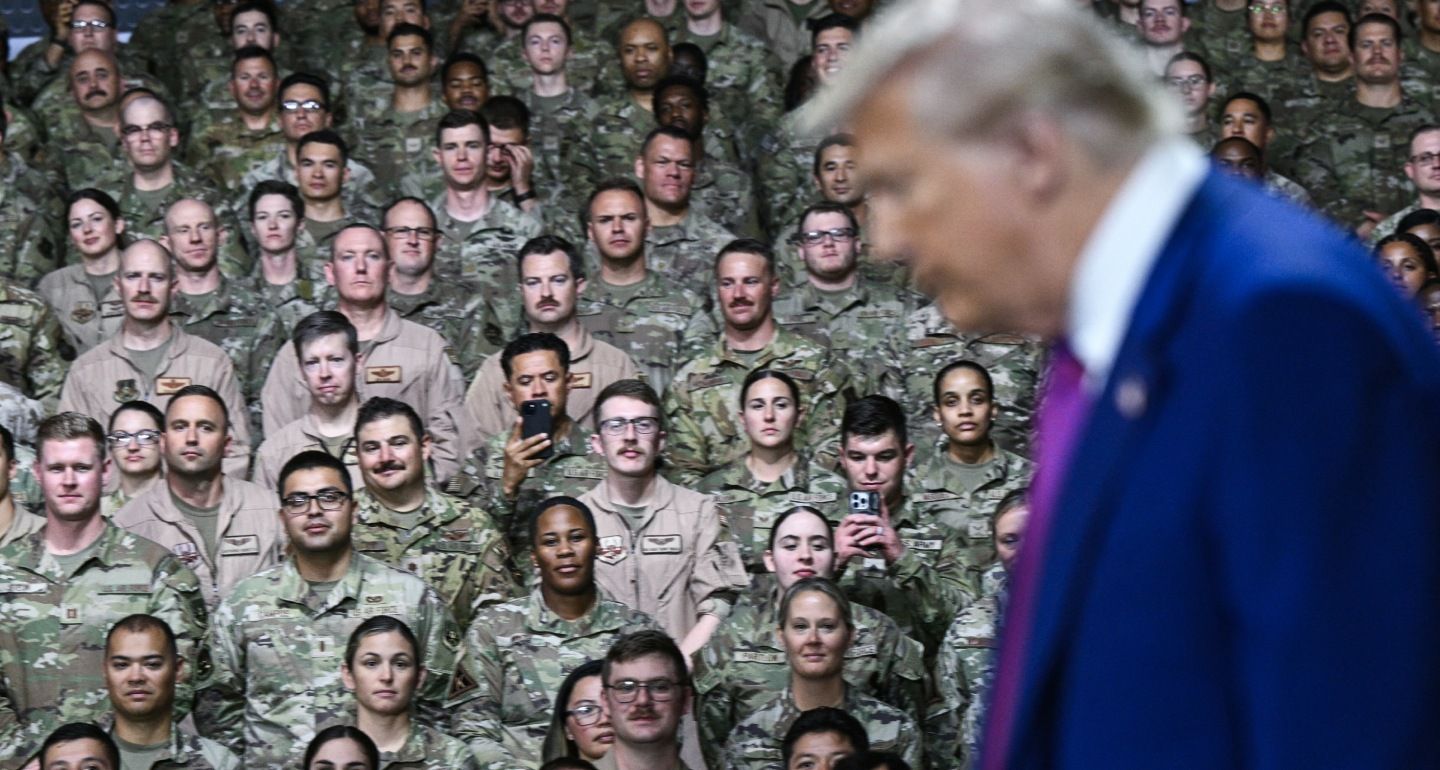
Unexpectedly, Trump’s America appears to have replaced Putin’s Russia’s as the world’s biggest disruptor.
Alexander Baunov