

Commentary
Six months into the conflict, Hamas continues to challenge the Israeli army—raising questions about Israel’s ability to eradicate the group.
Reham Owda
{
  "authors": [
    "Shahd Safi"
  ],
  "type": "commentary",
  "blog": "Sada",
  "centerAffiliationAll": "",
  "centers": [
    "Carnegie Endowment for International Peace"
  ],
  "collections": [
    "The Gaza War and Regional Reverberations"
  ],
  "englishNewsletterAll": "",
  "nonEnglishNewsletterAll": "",
  "primaryCenter": "Carnegie Endowment for International Peace",
  "programAffiliation": "",
  "programs": [
    "Middle East"
  ],
  "projects": [],
  "regions": [],
  "topics": []
}
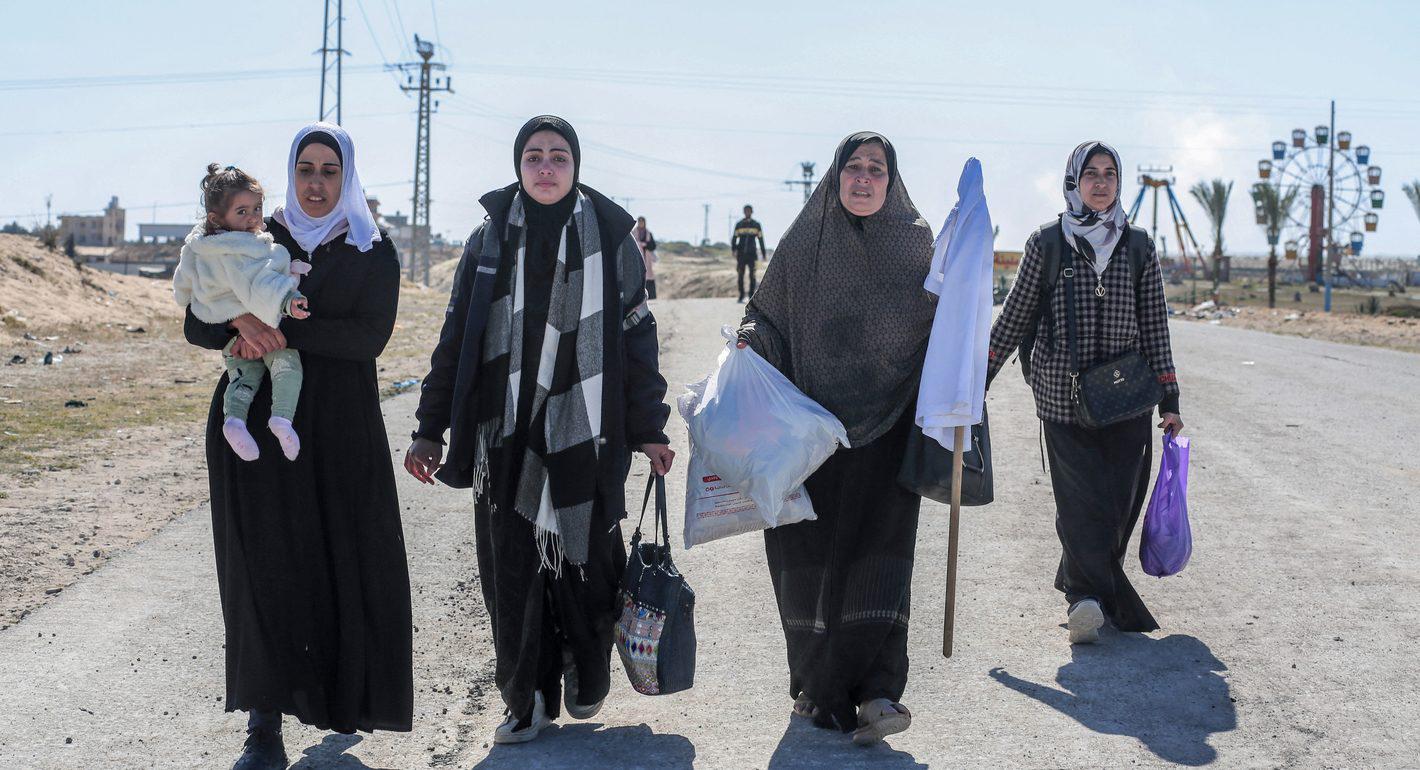
The story of Reham, a young mother sheltering in Rafah, illustrates the impact of Israel’s war on women and families.
According to recent estimates, since October 7, 70 percent of civilians killed in Gaza have been women and children and nearly a million women and girls have been displaced. Israel’s assault on reproductive rights is a key part of how the war has disproportionately affected Palestinian women, which Reem Alsalem—the UN Special Rapporteur on violence against women and girls—described as “relentless and particularly alarming.”
Reham, a 24-year-old Palestinian woman in Gaza, has felt this assault firsthand. Before October 7, she lived in a cozy apartment that her husband built after years of work in construction. When the war broke out, her husband lost his job and only source of income. Now, Reham and her family have been displaced Gaza City three times, and currently are sheltering in a tent in Al Nuseirat Camp, in the south of Rafah, with her husband and four young sons.
“Our house consisted of three bedrooms, a living room, a kitchen, and a bathroom. It was fully and elegantly furnished. We took such good care of it, but now all we have is a one-room tent,” Reham said in an interview for Sada. “Our house was completely destroyed, so we don't know where we’ll go after the assault ends.”
In addition to losing her home, Reham also lost her five-month pregnancy when she went into shock at the news that her parents’ house had been hit by a direct airstrike, killing two of her brothers. Even if she had carried her pregnancy to term, women in Gaza are being forced to give birth under dangerous and inhumane conditions—with Gaza’s health facilities under attack, there isn’t enough anesthesia, medicine, water, or sanitary supplies. Nor would surgical intervention be possible under these conditions.
“Before the attack, Reham was lovely and warm. It’s so depressing to see her like this—worn out and silent most of the time, when she was so talkative and social before. When my eyes meet her eyes, I feel how lost she is,” Reham’s husband said.
“Even when I have my period, I can’t shower often or take care of my personal hygiene the way I used to. I can only shower in a tent that lacks four walls and a decent bath, and I feel my privacy is violated,” Reham informed Sada. “We had to place a tank in a large hole we dug in the ground, which we use to relieve ourselves, along with five other families. I feel humiliated—I miss the simple comforts of my life before the attack.”
Every human in Gaza is suffering from hunger and thirst, but because Reham’s tent is near the border with Egypt, her family is far from aid and sometimes they go days without water. Reham cannot get any milk for her youngest son, Sannad, who now must consume canned food along with the rest of the family. Sannad is most affected by the incessant cold temperatures inside the tent, and he and the entire family are constantly falling ill—with no medicine accessible.
Having already lost a pregnancy, Reham is extremely anxious for her family’s future. “My neighbor was killed by an airstrike while giving birth, alongside her husband. My two brothers were killed while trying to escape my parents’ house. My brother is now an amputee. What’s next? Who will be killed next? Will it be me?
Dr. Alice Rothchild recently argued that the only way for women and children to be healthy and free is to immediately stop the fighting, restore necessary services, and start to rebuild—an outcome that requires the constant pressure of women and feminists across the globe. As Reham notes, “everyday, there’s news of Gazan women being killed or displaced, and I wonder how the feminist movement will react. Will they do anything for the women of Gaza?”
Shahd Safi is an Arabic/English translator and teacher, freelance journalist, social media coordinator, and human rights advocate based in Gaza.
Carnegie does not take institutional positions on public policy issues; the views represented herein are those of the author(s) and do not necessarily reflect the views of Carnegie, its staff, or its trustees.
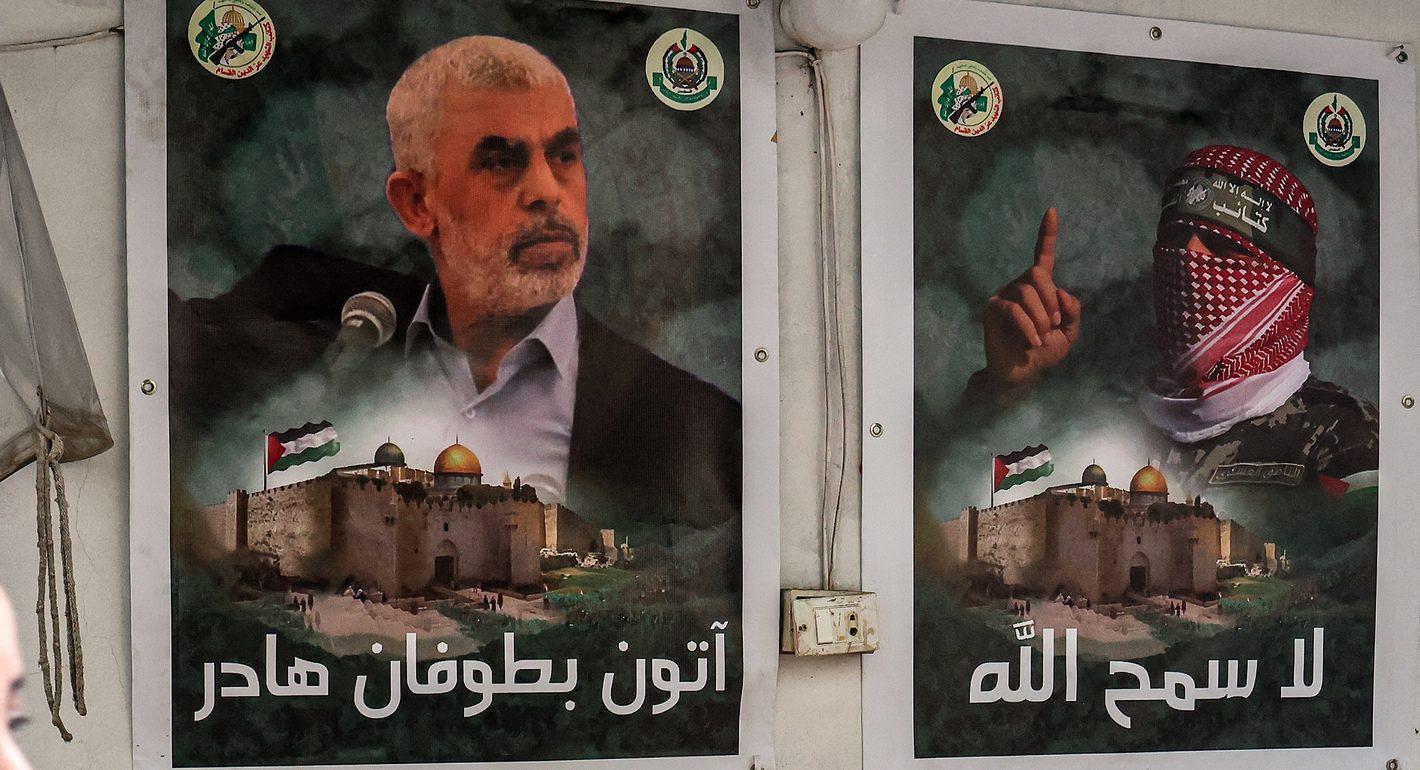
Six months into the conflict, Hamas continues to challenge the Israeli army—raising questions about Israel’s ability to eradicate the group.
Reham Owda
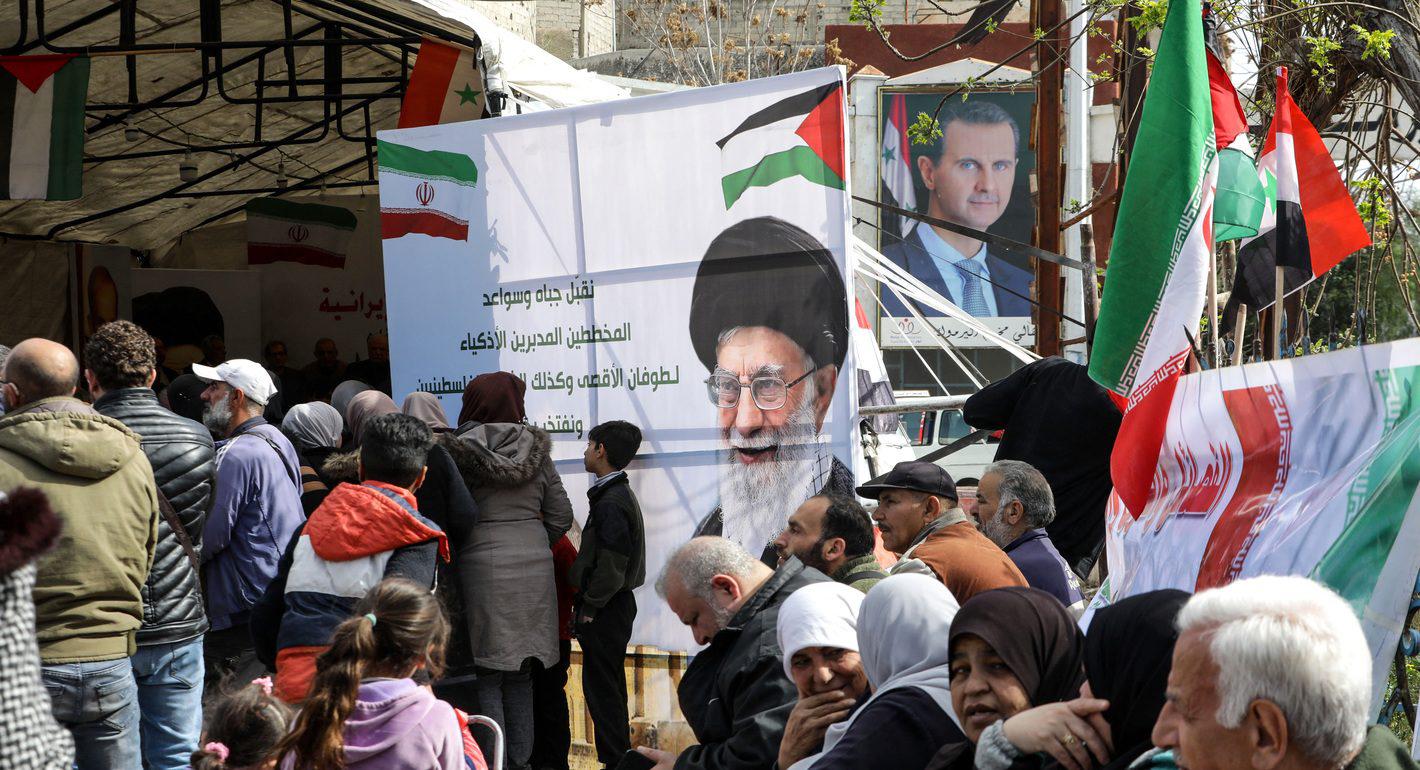
Iran’s adventurism may push Damascus to commit to Saudi-led efforts and reintegrate into the Arab fold.
Faysal Abbas Mohamad
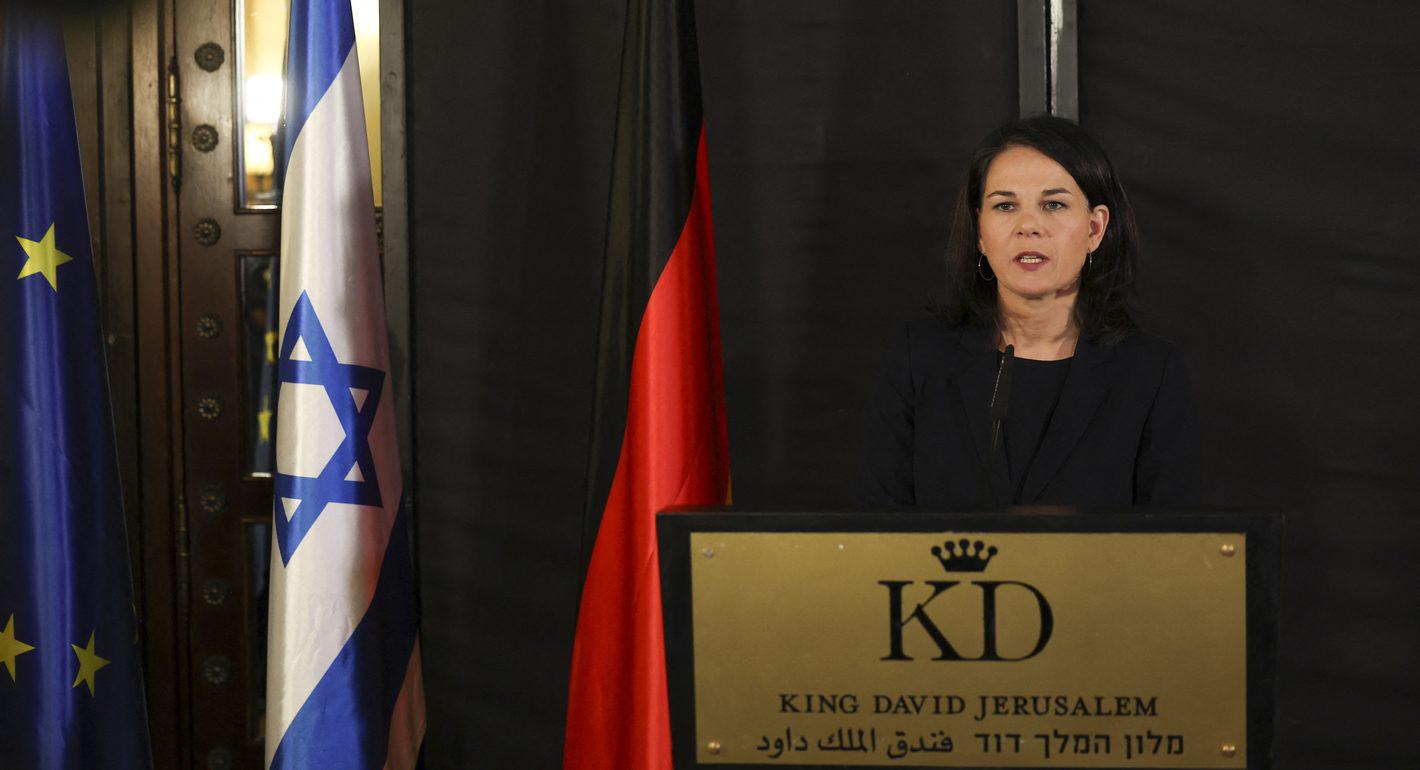
By unconditionally supporting Israel’s war, Germany is increasingly isolating itself on the global stage.
Lena Obermaier
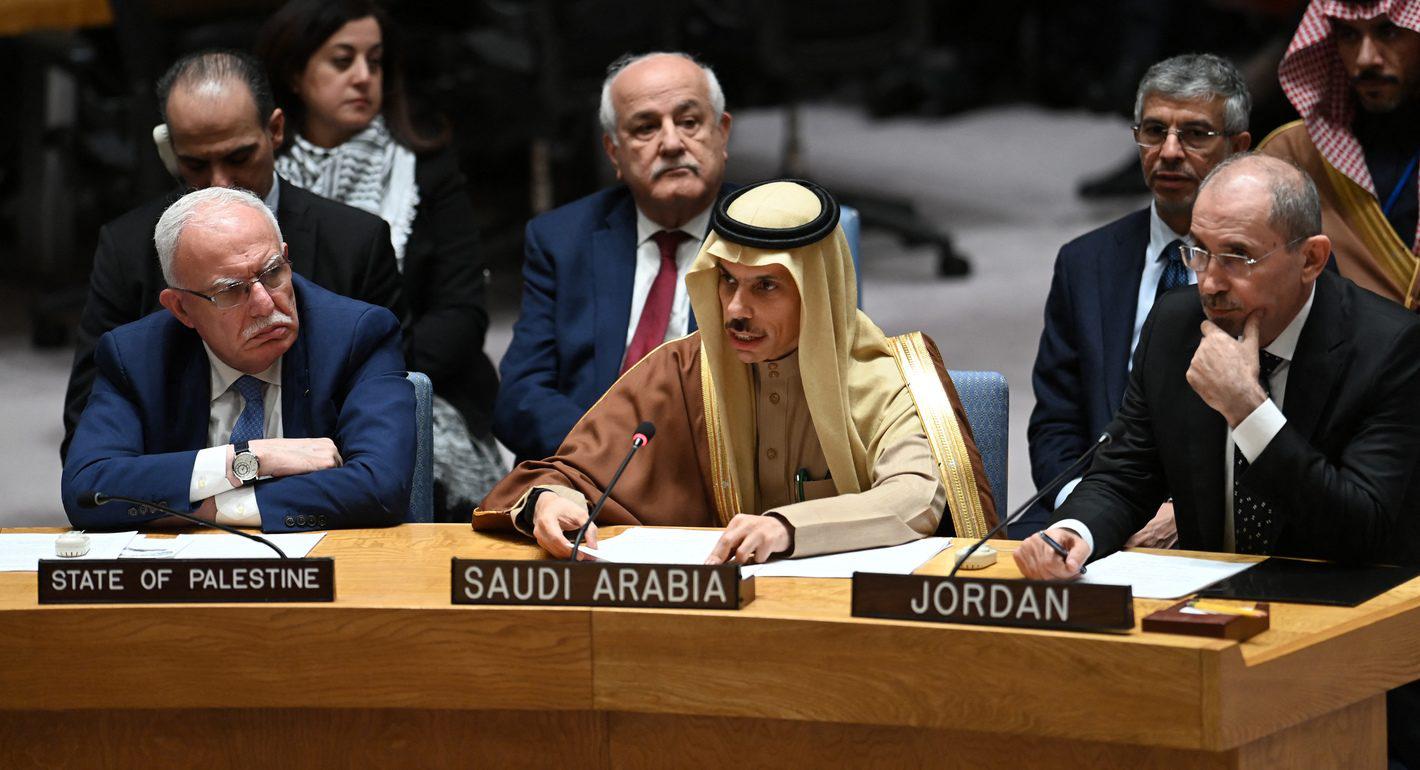
Saudi Arabia has long been perceived in the Arab world as a champion of the Palestinian cause, but developments over the past two decades suggest an imminent transformation.
Safa Nasser
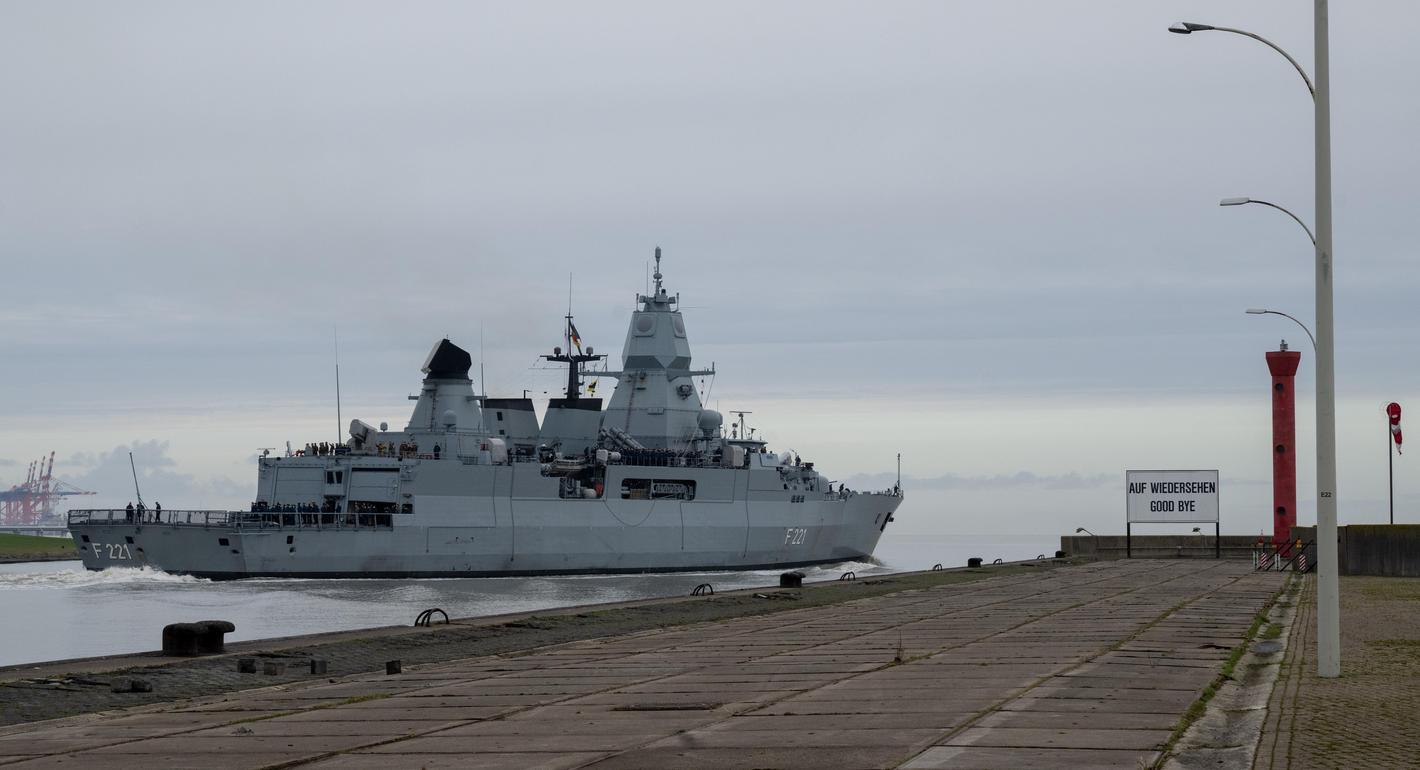
Alongside the U.S.-led Operation Prosperity Guidance, the European Union's Aspides naval mission aims to protect the Red Sea region.
Shimaa Samir Muhammed Hussein