

Commentary
Six months into the conflict, Hamas continues to challenge the Israeli army—raising questions about Israel’s ability to eradicate the group.
Reham Owda
{
  "authors": [
    "Shimaa Samir Muhammed Hussein"
  ],
  "type": "commentary",
  "blog": "Sada",
  "centerAffiliationAll": "dc",
  "centers": [
    "Carnegie Endowment for International Peace"
  ],
  "collections": [
    "The Gaza War and Regional Reverberations"
  ],
  "englishNewsletterAll": "menaTransitions",
  "nonEnglishNewsletterAll": "",
  "primaryCenter": "Carnegie Endowment for International Peace",
  "programAffiliation": "MEP",
  "programs": [
    "Middle East"
  ],
  "projects": [],
  "regions": [],
  "topics": []
}
Source: Getty
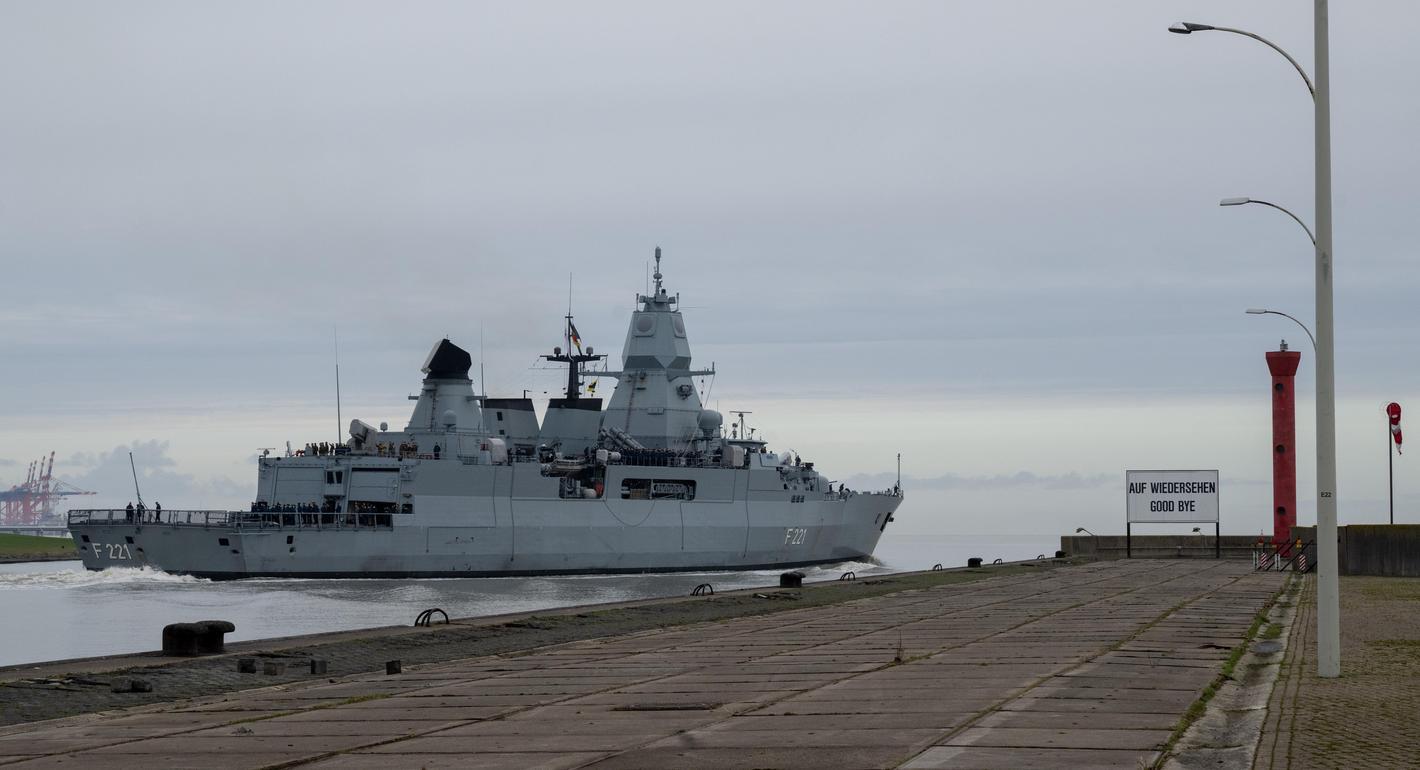
Alongside the U.S.-led Operation Prosperity Guidance, the European Union's Aspides naval mission aims to protect the Red Sea region.
On January 31, at a meeting of EU defense ministers, the EU High Representative for Foreign Affairs and Security Policy Josep Borrell formally introduced Aspides, a new navy mission that will “participate in escorting the merchants’ ships in the Red Sea facing the attacks by the Houthis.” Launched on February 19, the mission will not engage in military strikes against the Houthis, according to Borrell.
Seven EU countries plan to participate in Aspides, which will be headquartered in Greece, due to its prominent role in global shipping. However, Italy and France—both of which had hoped to lead the mission— opted to contribute only one ship instead of the initially proposed three. Similarly, Spain decided to abstain from the mission entirely, citing its extensive commitments to missions abroad.
The critical question is whether Aspides will be able to limit itself to defensive operations, or if it will instead further militarize the Red Sea—an outcome European countries seek to avoid, given the importance of the region to their own economies. However, their own divergent interests have created divisions about participating in the mission and the size of the EU’s naval presence.
EU countries are also skeptical about the declared goals of Operation Prosperity Guidance, which was launched in parallel to Israel’s military operation the Gaza Strip. Some have suggested that the operation is simply a pretext to bolster U.S. military presence in the Red Sea, to protect Israel’s security, to undermine Russian influence in the region, and to control the passage of Chinese trade.
This has raised fears among several European countries that Aspides could be similarly accused of being deployed to support Israel. They are also concerned about becoming entangled in escalating confrontations with the Houthis, with unforeseen consequences—not to mention the tensions that could arise from the presence of multiple military missions in a crucial international waterway and their effect on Europe’s economic stability.
Moreover, it does not seem likely that a defensive European mission in the Red Sea could successfully eliminate the Houthi military threat, or even stop them from looting the contents of hijacked ships and amassing economic gain. Here, Iran’s role in supporting the Houthis, whether by providing intelligence or through logistical assistance, to enable them to sustain their attacks cannot be overlooked. But as long as the international community is unable to pressure Israel to end its assault on Gaza, the Houthis will capitalize on Palestinian suffering to internationalize their cause, increase support for popular resistance movements, and bolster their popularity in Yemen, which has waned amidst ongoing domestic crises.
The Houthis frame their attacks on ships bound for Israel as an element of armed resistance against both the Israeli enemy and its maritime supporters, rather than as serving their own interests. They are helped in this regard by the fact that some countries participating in the Aspides mission, such as Germany and Italy, are supporters of Israel and whose ships can Houthis can try to brand as legitimate targets.
The European division regarding the Aspides mission is evidence that the EU’s presence in the region aims only to protect the interests of its members and has no intention of confronting the Houthis. Disagreement about these interests, however, may cause the mission to be short-lived; for while the EU nations may converge on the mission's main goal, their divergence over individual objectives could lead to tensions at the operational level. More broadly, the fact that some countries in the region oppose the growing militarization in the Red Sea could weaken international support for and ultimately undermine the mission.
Shaima Samir Mohamed Hussein is the head of the Department of International Relations at the British University AHUMI in London and Editor-in-Chief of the Journal of Extremism and Armed Groups, issued by the Arab Democratic Center in Berlin.
Shimaa Samir Muhammed Hussein
Carnegie does not take institutional positions on public policy issues; the views represented herein are those of the author(s) and do not necessarily reflect the views of Carnegie, its staff, or its trustees.

Six months into the conflict, Hamas continues to challenge the Israeli army—raising questions about Israel’s ability to eradicate the group.
Reham Owda
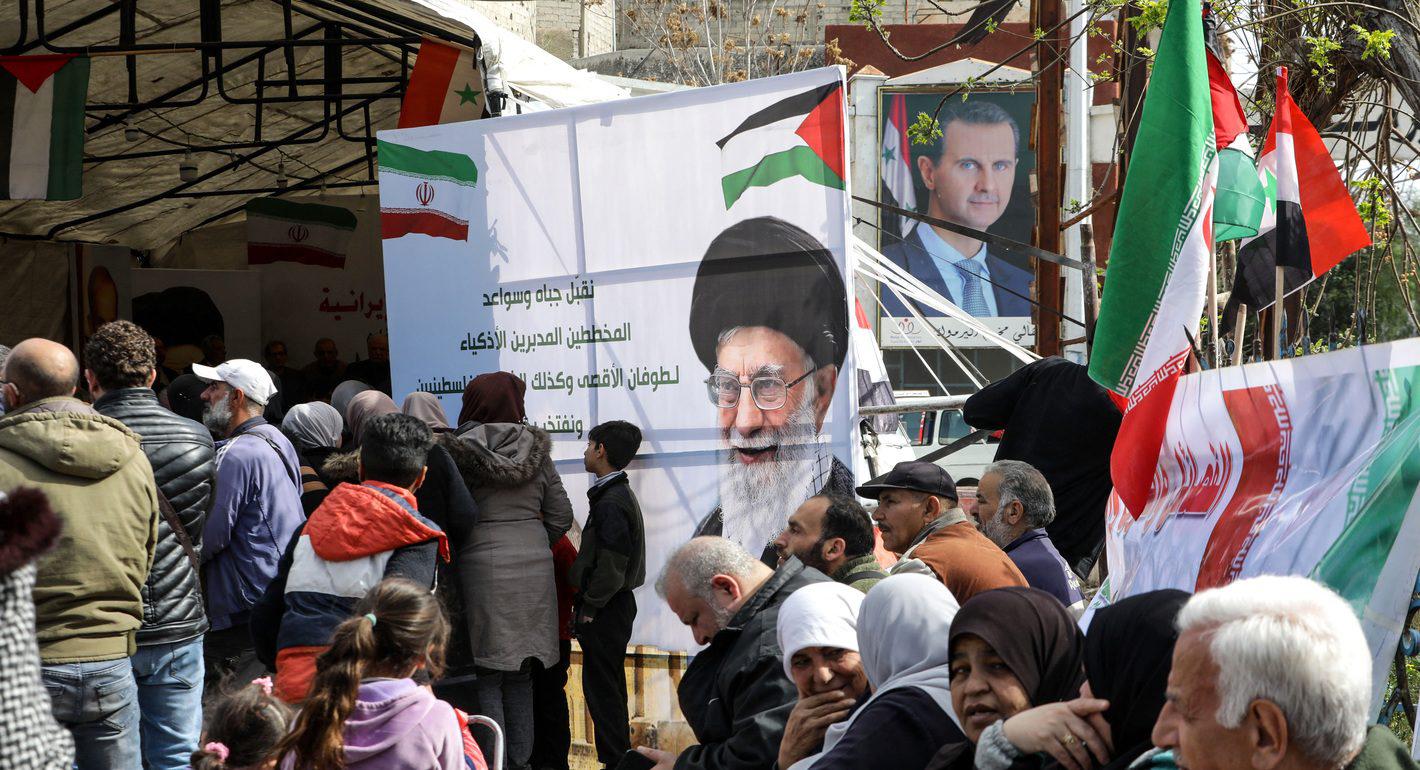
Iran’s adventurism may push Damascus to commit to Saudi-led efforts and reintegrate into the Arab fold.
Faysal Abbas Mohamad

By unconditionally supporting Israel’s war, Germany is increasingly isolating itself on the global stage.
Lena Obermaier
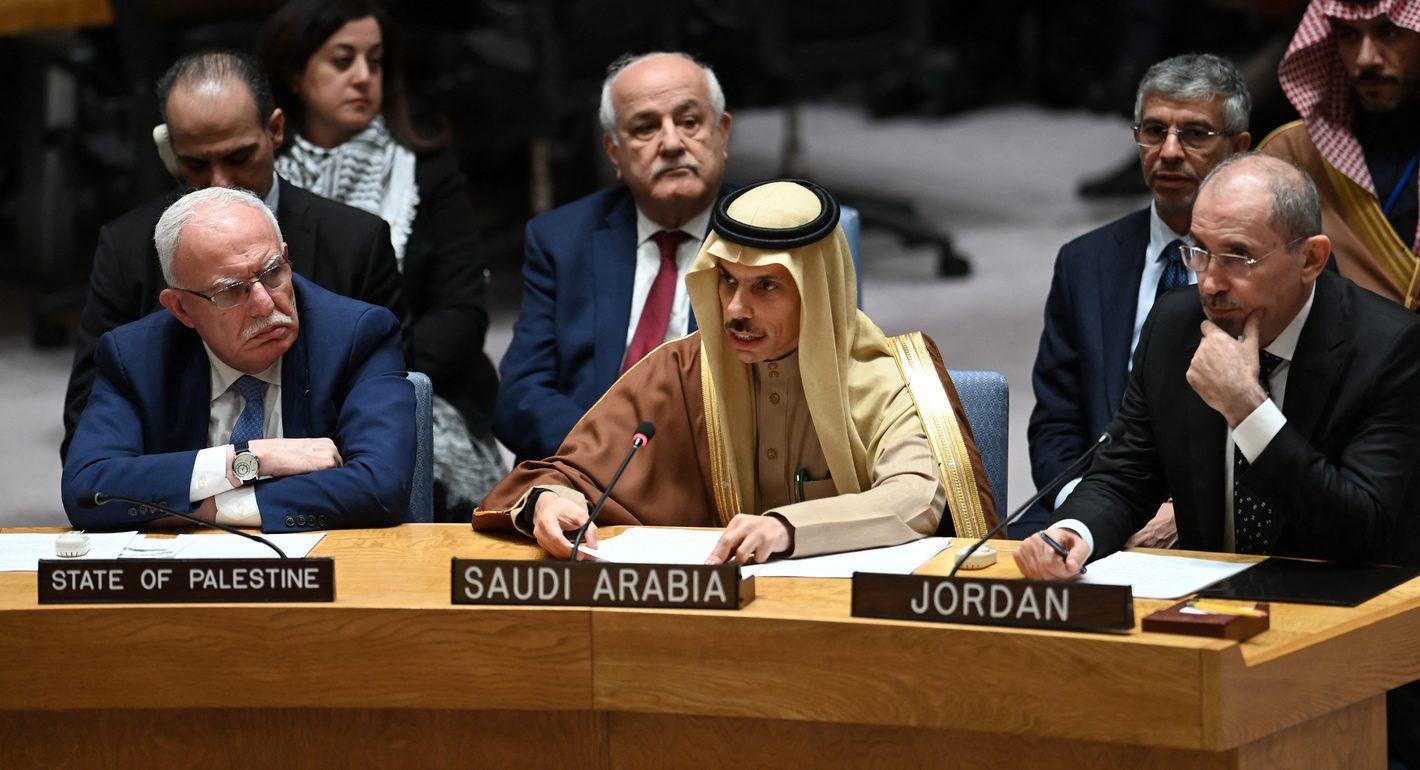
Saudi Arabia has long been perceived in the Arab world as a champion of the Palestinian cause, but developments over the past two decades suggest an imminent transformation.
Safa Nasser
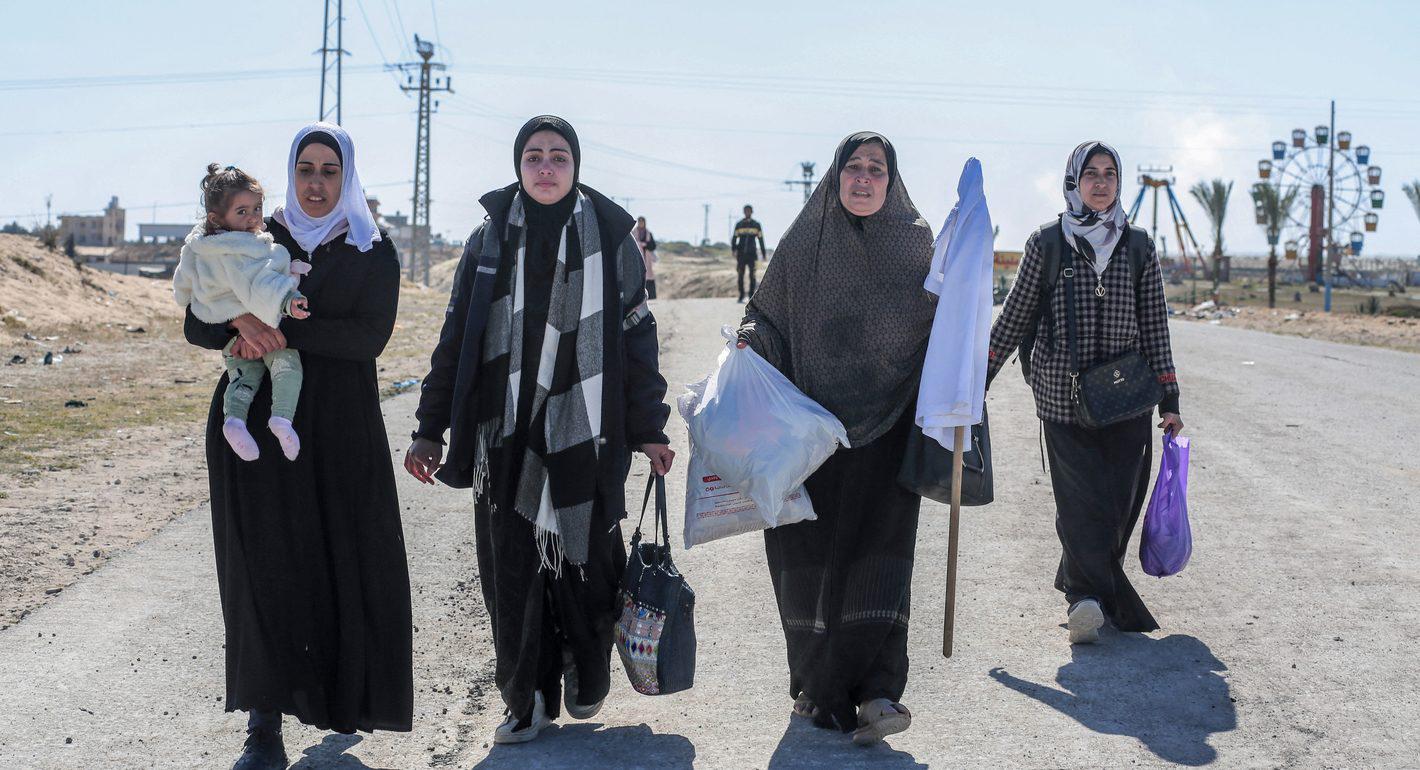
The story of Reham, a young mother sheltering in Rafah, illustrates the impact of Israel’s war on women and families.
Shahd Safi