

Commentary
Six months into the conflict, Hamas continues to challenge the Israeli army—raising questions about Israel’s ability to eradicate the group.
Reham Owda
{
  "authors": [
    "Safa Nasser"
  ],
  "type": "commentary",
  "blog": "Sada",
  "centerAffiliationAll": "",
  "centers": [
    "Carnegie Endowment for International Peace"
  ],
  "collections": [
    "The Gaza War and Regional Reverberations"
  ],
  "englishNewsletterAll": "",
  "nonEnglishNewsletterAll": "",
  "primaryCenter": "Carnegie Endowment for International Peace",
  "programAffiliation": "",
  "programs": [
    "Middle East"
  ],
  "projects": [],
  "regions": [],
  "topics": []
}
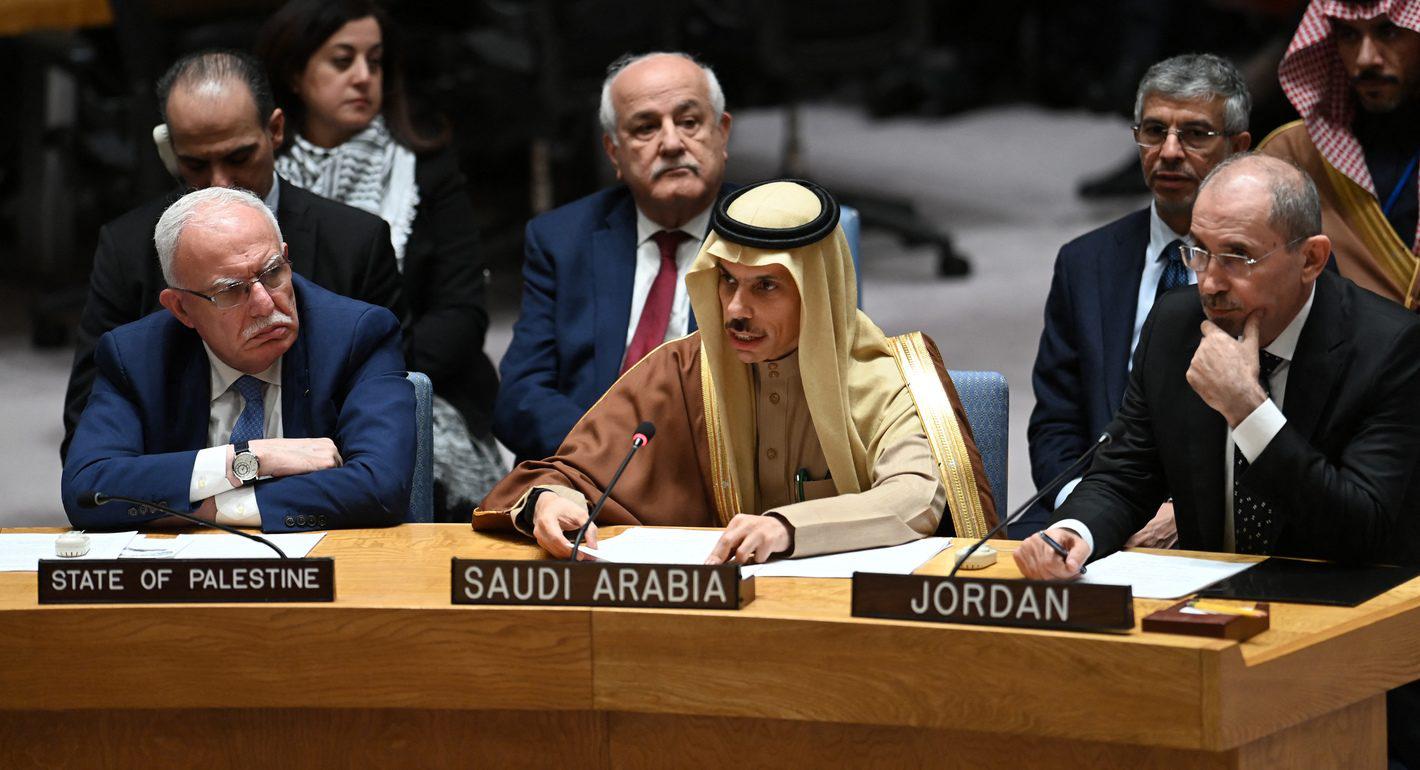
Saudi Arabia has long been perceived in the Arab world as a champion of the Palestinian cause, but developments over the past two decades suggest an imminent transformation.
"Teach your children that Palestine is occupied and that there exists no state called Israel." These were words of King Faisal bin Abdulaziz, who ruled Saudi Arabia until 1975, and whose reign is still considered the most staunchly supportive of Palestine in popular memory.
Those who lived through that era and subsequent periods will recall that Saudi state media refrained from even naming Israel, instead using terms like "the Zionist enemy," "the occupation army," and "the minister of war." During periods of intense conflict in the Palestinian territories, official channels would promptly suspend regular programming in observance of a "mourning period" and dedicate extensive airtime to reporting events and launching donation campaigns for the Palestinians.
It is only by remembering this history that one can grasp the drastic shift in Saudi Arabia’s position. Today, the Riyadh Season entertainment and sports festival continues amidst the ongoing conflict in the Gaza Strip, and Saudi writers and media professionals regularly adopt the Israeli narrative when documenting the realities of the war.
This was a gradual shift that took place over many years, but began after the attacks of September 11, 2001 and the accusations of Saudi involvement. Saudi Arabia hastened to absolve itself of the charge that it propagated a "culture of death" and religious extremism by adopting a media discourse critical of religion. Palestine and the factions of the "Islamic resistance", which had already been rejected by the international community and the Arab axis of "moderation,” eventually became targets of this discourse. On more than one occasion when Gaza was bombed, the Saudi press ridiculed the Palestinian resistance and aligned with Israel, justifying its attacks as responses to Hamas' provocations.
The Al-Arabiya channel, founded in 2003, bolstered Saudi Arabia's new direction by adopting a media approach that some saw as serving the interests of the West, paving the way for normalization in the region, and promoting the idea of Israel's historical right to the land of Palestine.
The transformation also extended to the country's official religious establishment. In 2012, the Ministry of Islamic Affairs instructed the Imams of the Grand Mosque in Mecca to abstain from any supplication against Jews at the conclusion of their Friday sermons, emphasizing that "praying for the destruction of Jews and Christians is not in accordance with Sharia." Instead, sermons emerged that reinterpreted Aqeedat Al-Walaa wal Baraa, the doctrine of Allegiance and Disavowal, emphasizing that religious beliefs about non-Muslims loyalty should not extend to international relations.
In late 2020, after the Abraham Accords established diplomatic relations between Israel and the UAE, Saudi Arabia revised its school curricula to eliminate content that depicted Jews in a negative light. Now, normalization is no longer a secret nor a distant dream: Saudi Crown Prince Mohammed bin Salman openly declared, during a recent interview with Fox News, that his country was steadily moving towards normalizing its relations with Israel.
However, given Israel's status as the "historical enemy" of the Saudis, preparing public opinion to accept normalization has required redirecting this hostility towards a different target. On social media, Saudi accounts have launched daily campaigns against Palestinians, under the pretext of responding to tweets deemed offensive to Saudi Arabia. Phrases like "Palestinians hate us" and "Palestinians sold their land" have circulated widely on popular websites, while hashtags such as “Palestine is not my cause” and “Israel is not my enemy” have also gained traction. There have also been campaigns that aim to sow doubt about historical events, including the killing of Muhammad al-Durra in 2000, and undermine Palestinians’ historical connection to the land writ large.
Many argue that the discourse on social media does not accurately reflect the Saudi popular position, suggesting that Saudis silently oppose their government's policy. The results of a recent opinion poll, which indicated that Israel remains unpopular with the majority of Saudis, seems to support this idea. A small percentage of the population may accept normalization, provided it remains limited to economic relations alone. However, even this minority has dwindled during the recent conflict in Gaza, though it remains higher than pre-Abraham Accords levels. Perhaps, then, it is only a matter of time before a new Saudi Arabia emerges, one where Palestine has no place.
Yet regardless of official state and media support for normalization, it is likely to face enduring resistance among the Saudi population, even if obscured by the state's tight security control. The Palestinian cause is deeply rooted in the Saudi collective consciousness—exemplified by the video of a Saudi child brought to tears by the suffering in Gaza—and will remain so current and future generations of Saudi citizens.
Safa Naser is an independent journalist and researcher from Yemen. Follow her on X @SafaNaser.
Carnegie does not take institutional positions on public policy issues; the views represented herein are those of the author(s) and do not necessarily reflect the views of Carnegie, its staff, or its trustees.
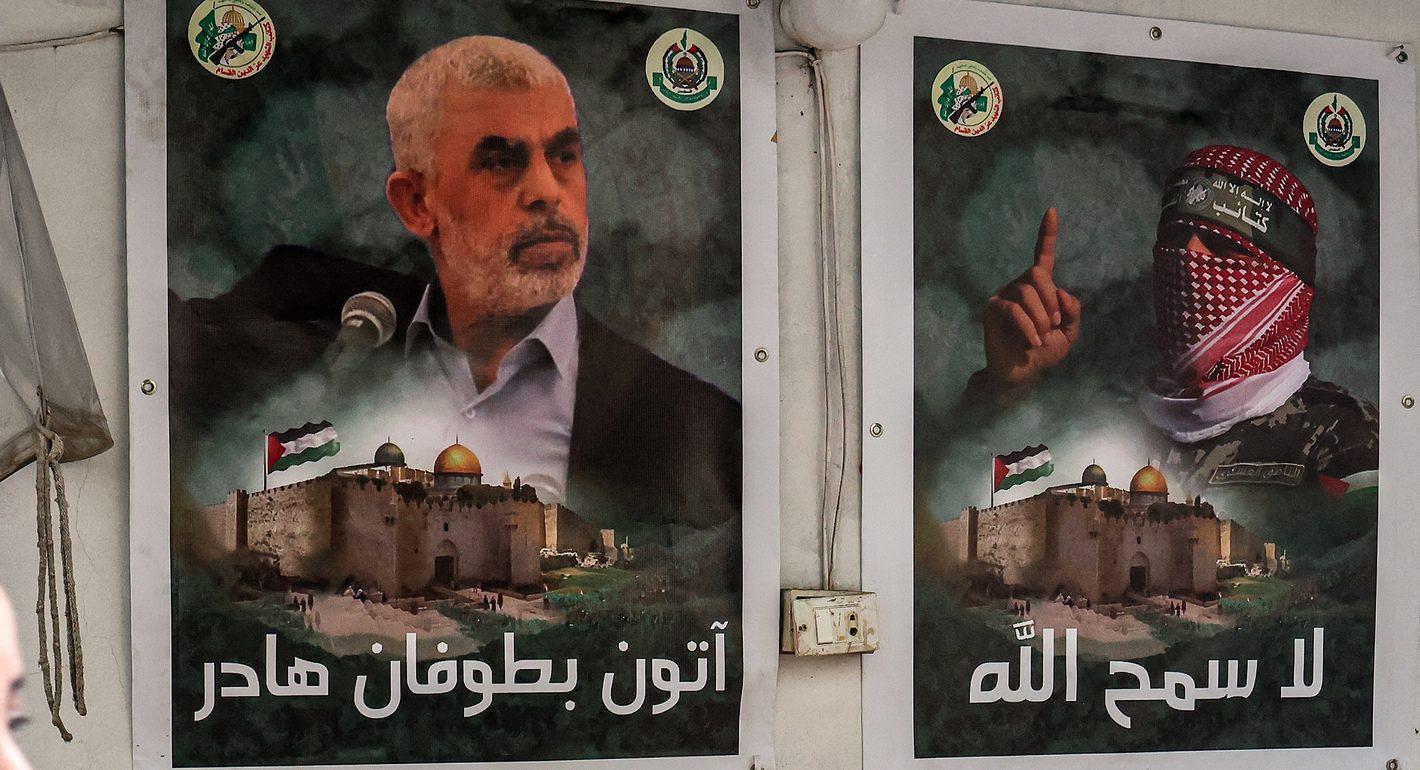
Six months into the conflict, Hamas continues to challenge the Israeli army—raising questions about Israel’s ability to eradicate the group.
Reham Owda
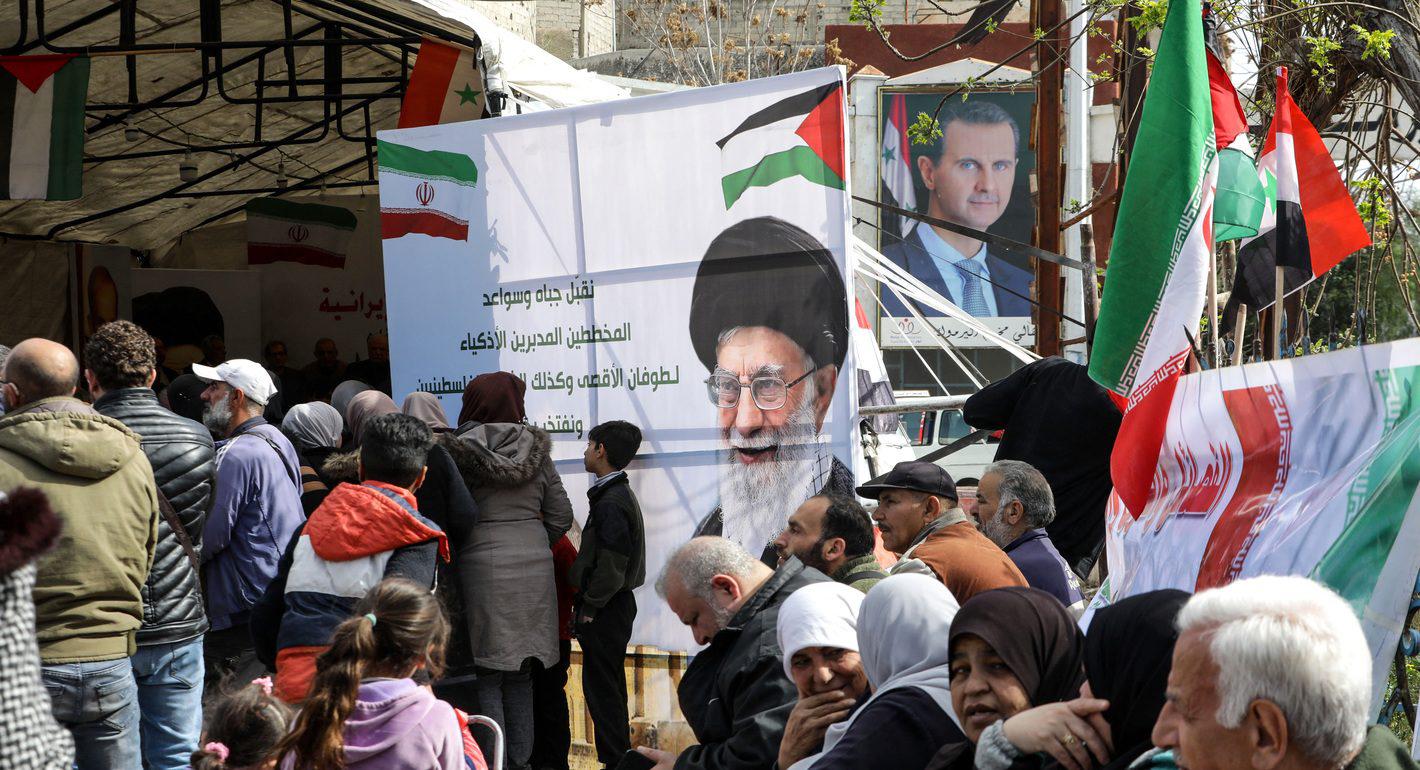
Iran’s adventurism may push Damascus to commit to Saudi-led efforts and reintegrate into the Arab fold.
Faysal Abbas Mohamad
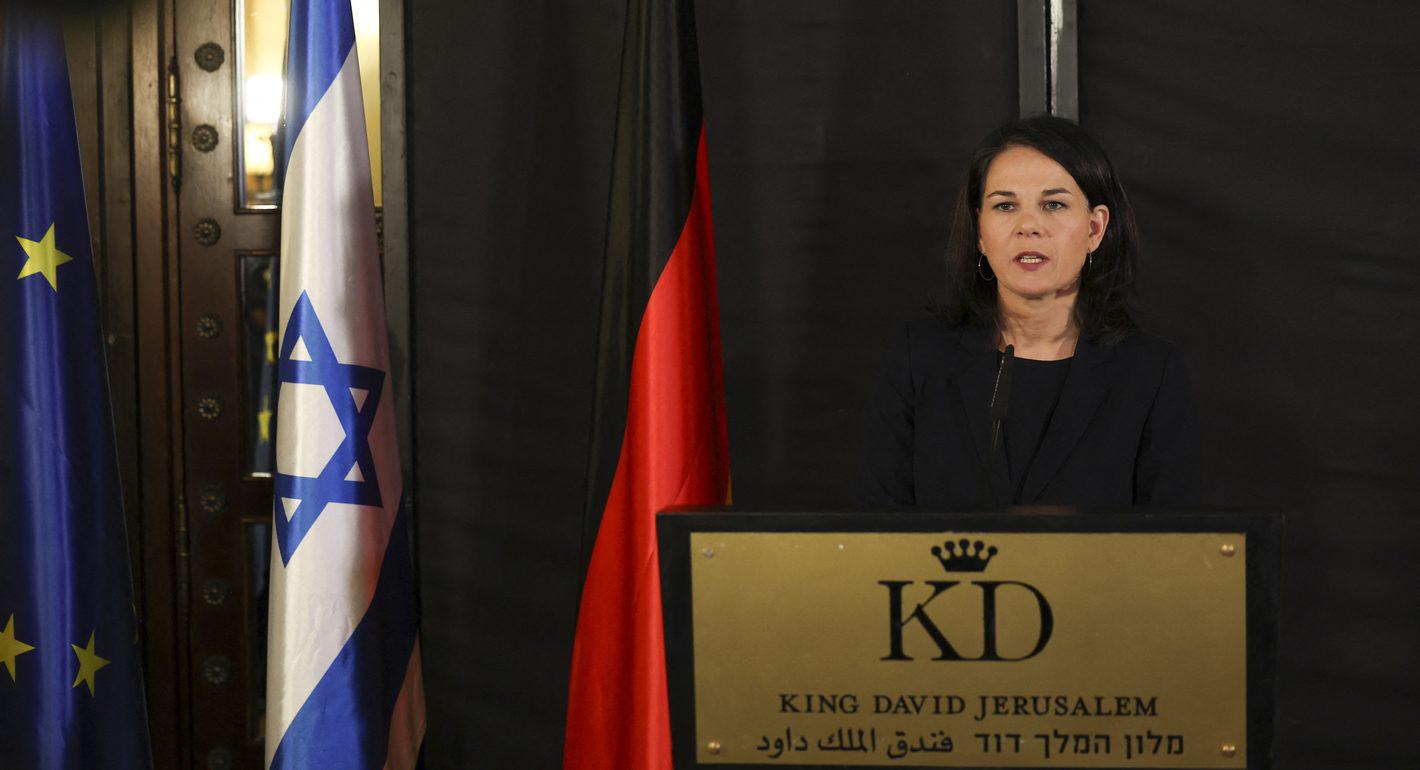
By unconditionally supporting Israel’s war, Germany is increasingly isolating itself on the global stage.
Lena Obermaier
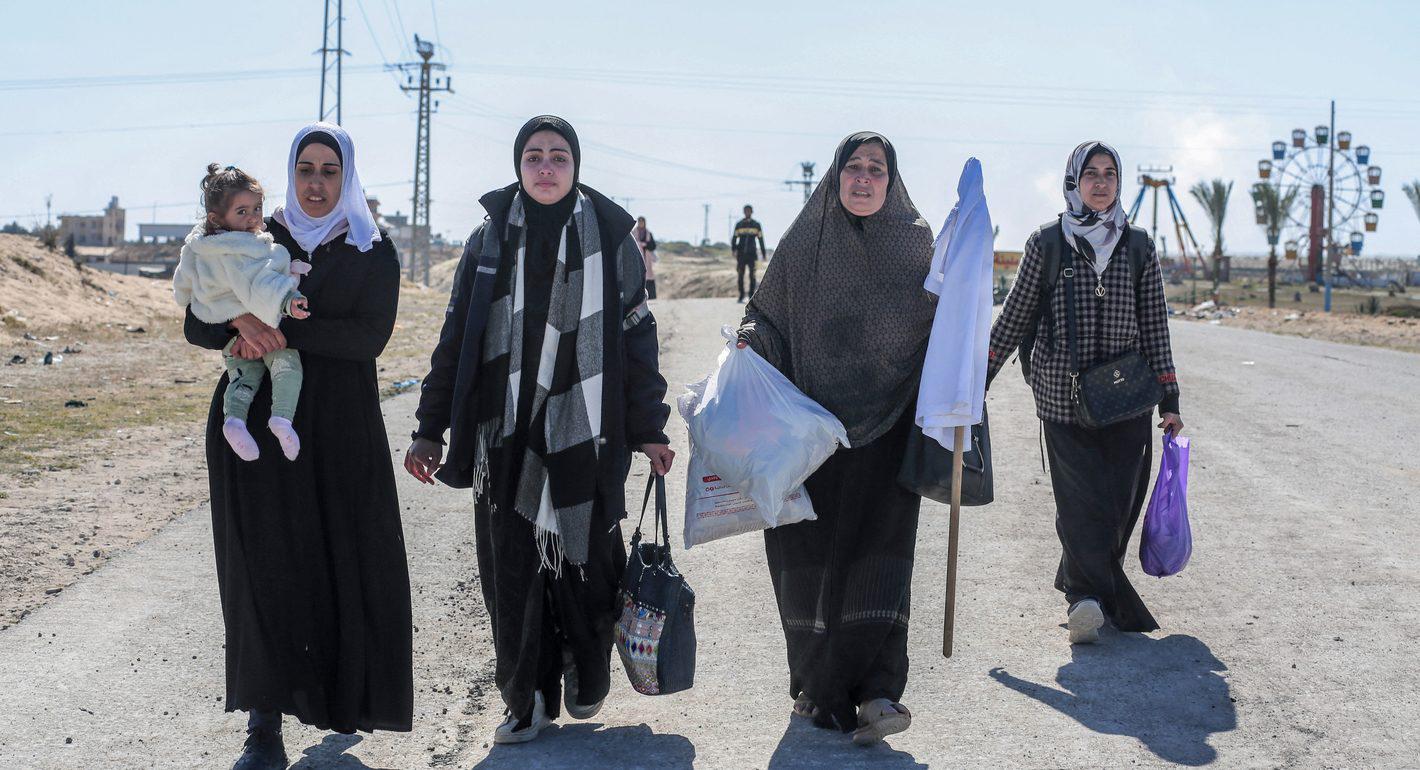
The story of Reham, a young mother sheltering in Rafah, illustrates the impact of Israel’s war on women and families.
Shahd Safi
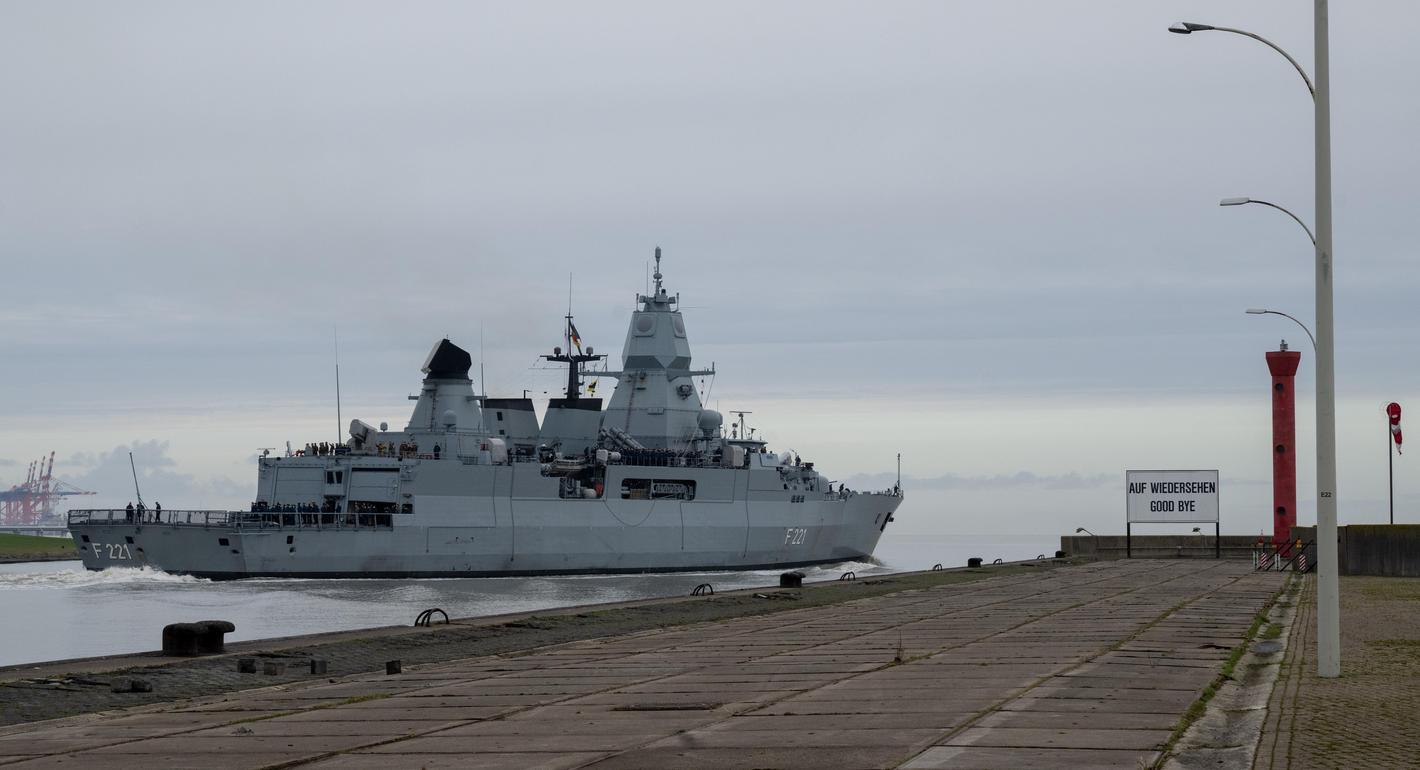
Alongside the U.S.-led Operation Prosperity Guidance, the European Union's Aspides naval mission aims to protect the Red Sea region.
Shimaa Samir Muhammed Hussein