

Commentary
Six months into the conflict, Hamas continues to challenge the Israeli army—raising questions about Israel’s ability to eradicate the group.
Reham Owda
{
  "authors": [
    "Lena Obermaier"
  ],
  "type": "commentary",
  "blog": "Sada",
  "centerAffiliationAll": "",
  "centers": [
    "Carnegie Endowment for International Peace"
  ],
  "collections": [
    "The Gaza War and Regional Reverberations"
  ],
  "englishNewsletterAll": "",
  "nonEnglishNewsletterAll": "",
  "primaryCenter": "Carnegie Endowment for International Peace",
  "programAffiliation": "",
  "programs": [
    "Middle East"
  ],
  "projects": [],
  "regions": [],
  "topics": []
}
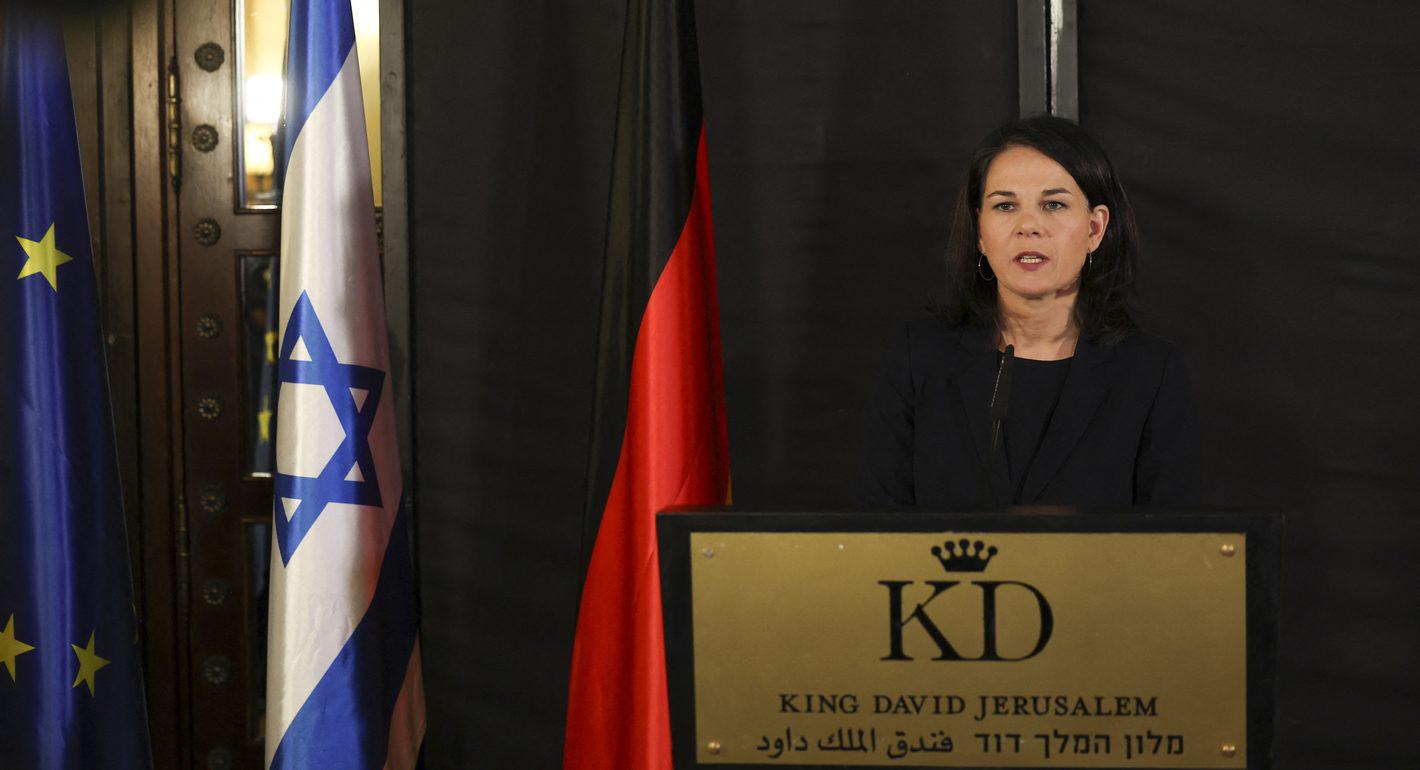
By unconditionally supporting Israel’s war, Germany is increasingly isolating itself on the global stage.
“In these days we are all Israelis.” These were the words of German Foreign Minister Annalena Baerbock, during her first visit to Israel after Hamas’ October attack. Her statement encapsulates the Staatsräson, a cornerstone of German foreign policy, which sees Israel's security as intrinsically linked to Germany’s national interest—and which many German decisionmakers see as a logical consequence of Germany’s responsibility for the Holocaust. Baerbock, who came to office championing a feminist foreign policy, has since issued only mild criticism of Israel’s operations in the Gaza Strip, urging Netanyahu to “do more to protect civilians.” Indeed, even as the Palestinian death toll has skyrocketed, Israel has enjoyed unconditional political and material support from Germany’s ruling and opposition parties: defense export approvals to Israel have risen nearly tenfold from 2022, Berlin joined other countries in suspending funding to UNRWA, and even pledged to intervene on Israel’s behalf in South Africa’s case accusing Israel of genocide in Gaza at the International Court of Justice (ICJ).
German support for Israel goes back to the years immediately following the Second World War. Reparations and diplomacy paved the way for positive Israeli-German relations and for West Germany to overcome its pariah status. More recently, German politicians have insisted upon continued political and material support for Israel as a national obligation—most vehemently by Angela Merkel in 2008, when she codified the Staatsräson in a speech to the Israeli Knesset. But the current government has gone even further: since October 7, Chancellor Olaf Scholz has regularly reiterated that "Germany stands firmly by Israel’s side," while Germany’s Federal Minister of Justice has suggested that a declaration of Israel’s right to exist should be a requirement for German naturalization, and advocates of Palestinian human rights have faced an unprecedented wave of repression.
As the only European country that tirelessly tries to learn from its past atrocities, Germany’s leaders have clearly forgotten the main lesson of humanitarian universalism—an irony that was not lost on Namibia, who condemned its former colonial ruler in the strongest terms for intervening at the ICJ. Ironically, the Staatsräson has also had an adverse effect on Jews themselves, who comprise close to thirty percent of those cancelled in recent years for alleged antisemitic statements by state-funded German institutions. In December, the Heinrich Böll Foundation reportedly withdrew its support from co-sponsoring the Hannah Arendt Prize for political thought to journalist Masha Gessen because they drew parallels between Gaza and Jewish ghettos.
However, the Staatsräson not only has been detrimental for Palestinians and progressive Jews, but also has severely undermined Germany’s international credibility. In recent years, amidst a global rise in authoritarianism, Western countries have tried to position themselves as the last remaining bastions of freedom and democracy. It was only last year that Scholz pledged in a Foreign Affairs op-ed that Germany would be “doing everything it can” to foster an international order based on democracy, security, and prosperity. In the context of the Russia-Ukraine war, Scholz has affirmed before the Bundestag that the primary issue is “whether power is allowed to prevail over the law…or whether we have it in us to keep warmongers like Putin in check.“ But by shielding the Israeli government from any and all criticism, and by supporting its unchecked destruction of the Gaza Strip, Scholz has failed to commit to the very ideas he deemed necessary to “successfully navigate the geopolitical rifts of our time.”
Apart from the moral devastation and the geopolitical fallout, this position is dangerous diplomatically: advice or reproach from Germany will be viewed much more skeptically, including from “warmongers like Putin.” For now, Germany is unlikely to abandon the Staatsräson—but if German leaders “are all Israelis”, then they, too, may find themselves abandoned on the global stage.
Lena Obermaier is a PhD candidate in Middle East Politics at the University of Exeter and an Emergent Scholar at Global Perspectives.
Carnegie does not take institutional positions on public policy issues; the views represented herein are those of the author(s) and do not necessarily reflect the views of Carnegie, its staff, or its trustees.
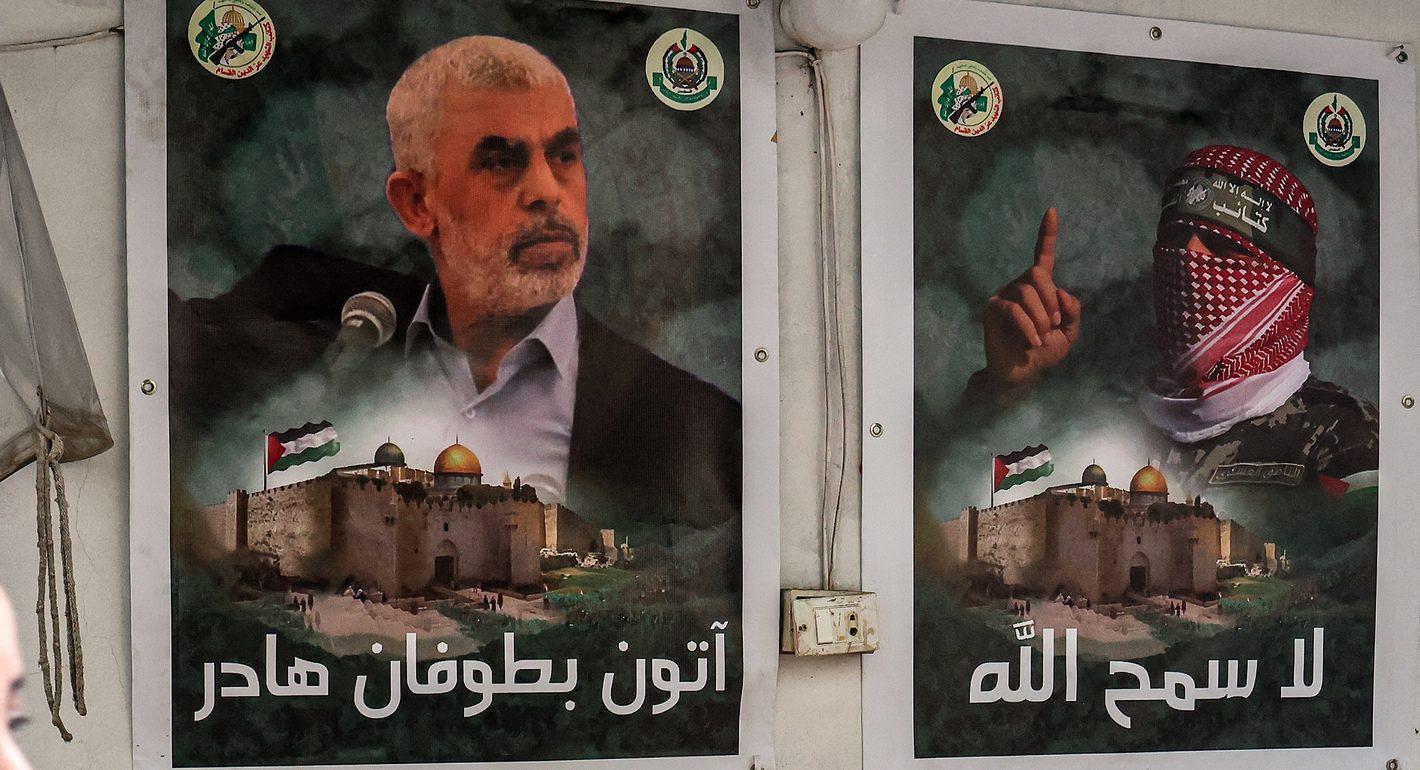
Six months into the conflict, Hamas continues to challenge the Israeli army—raising questions about Israel’s ability to eradicate the group.
Reham Owda
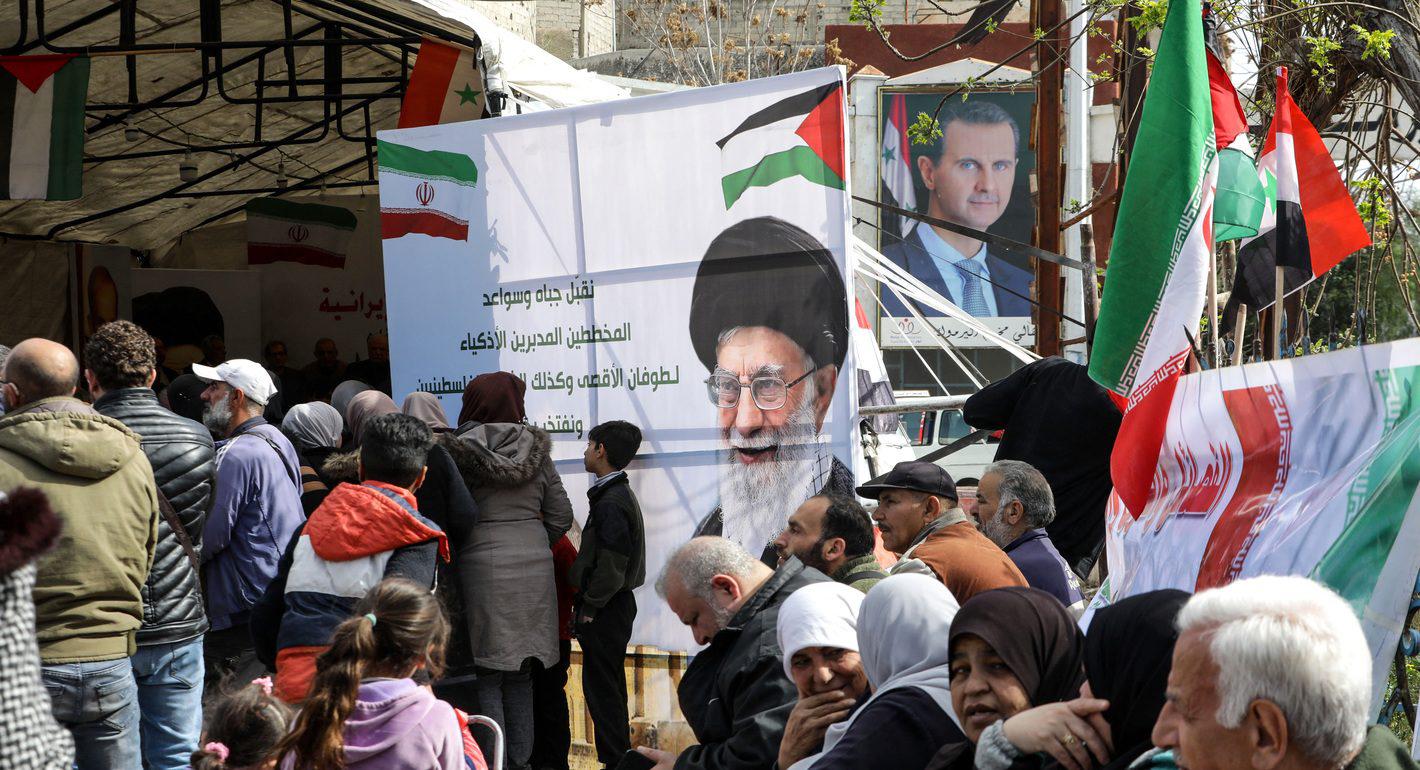
Iran’s adventurism may push Damascus to commit to Saudi-led efforts and reintegrate into the Arab fold.
Faysal Abbas Mohamad
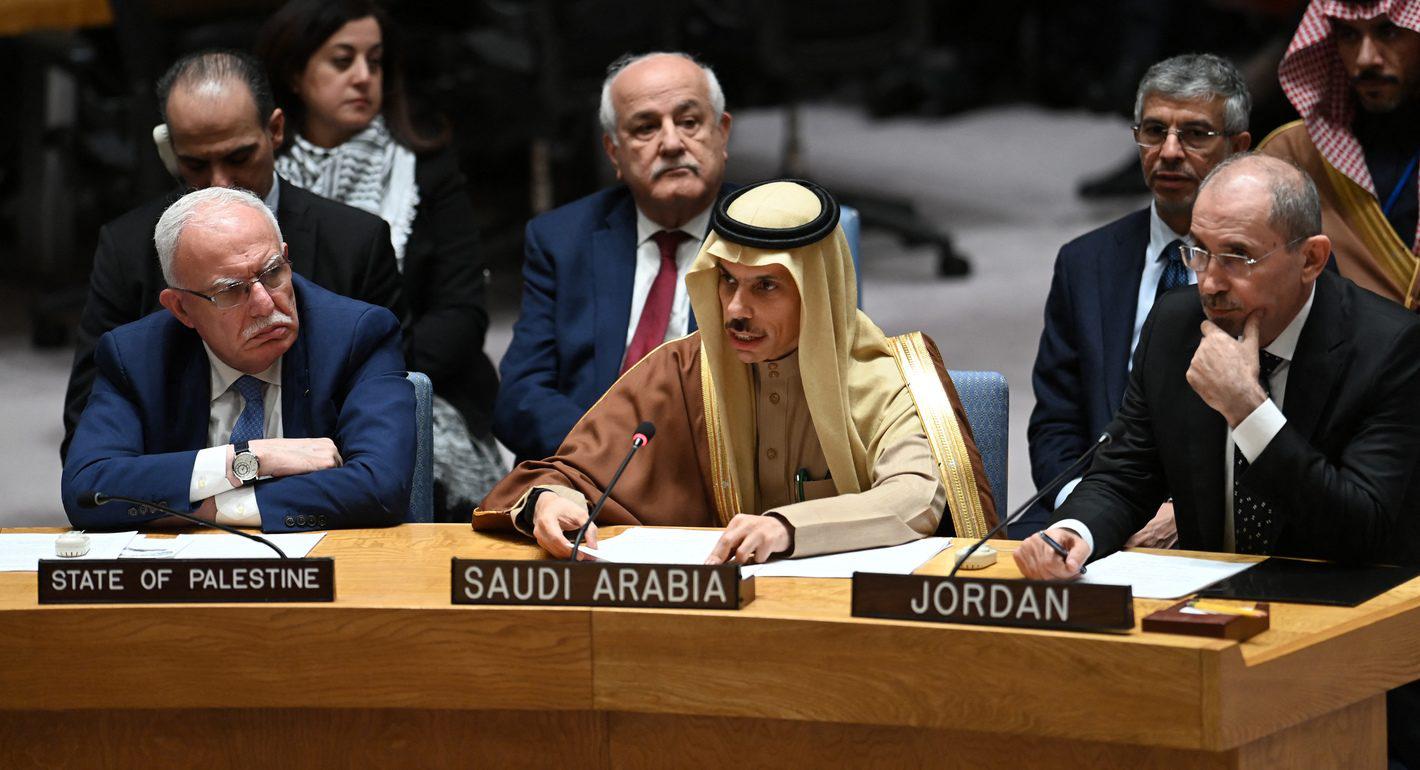
Saudi Arabia has long been perceived in the Arab world as a champion of the Palestinian cause, but developments over the past two decades suggest an imminent transformation.
Safa Nasser
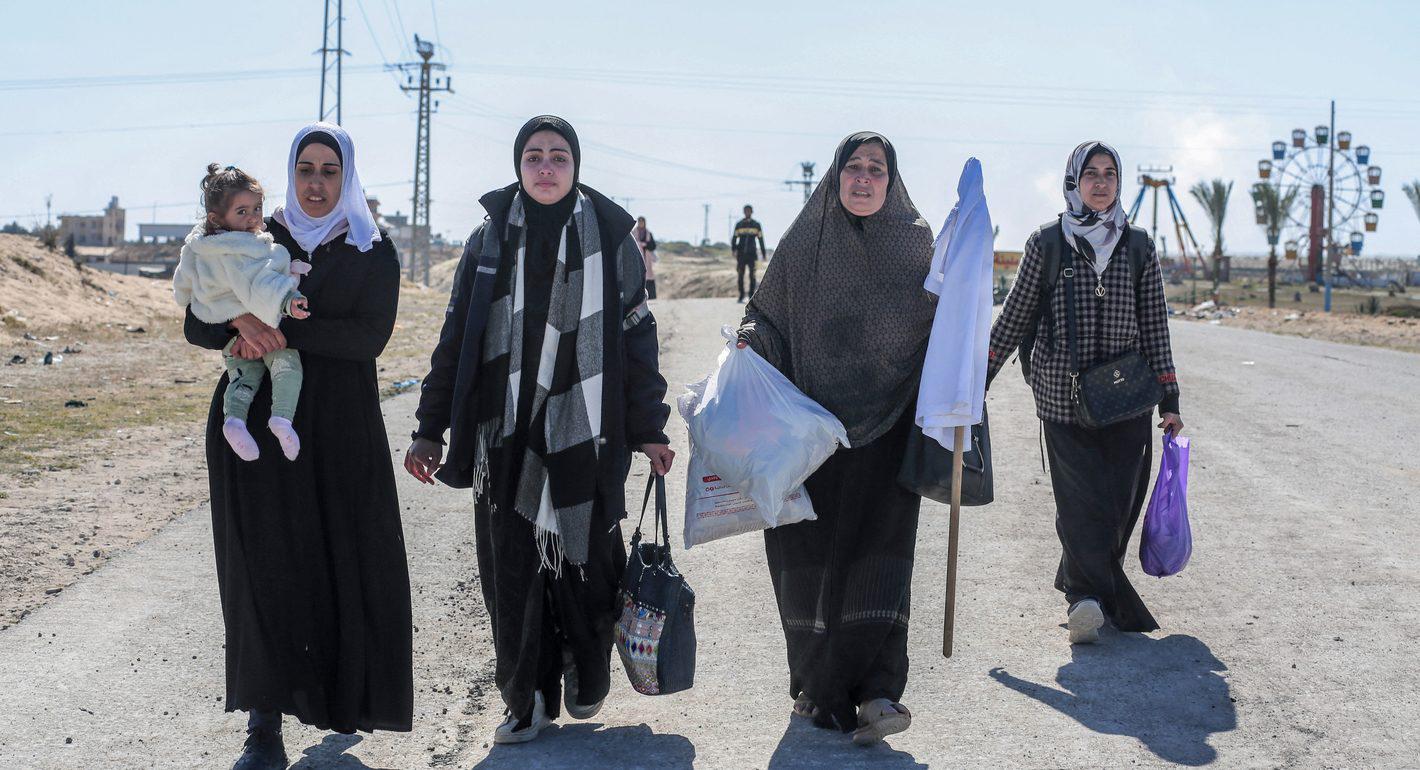
The story of Reham, a young mother sheltering in Rafah, illustrates the impact of Israel’s war on women and families.
Shahd Safi
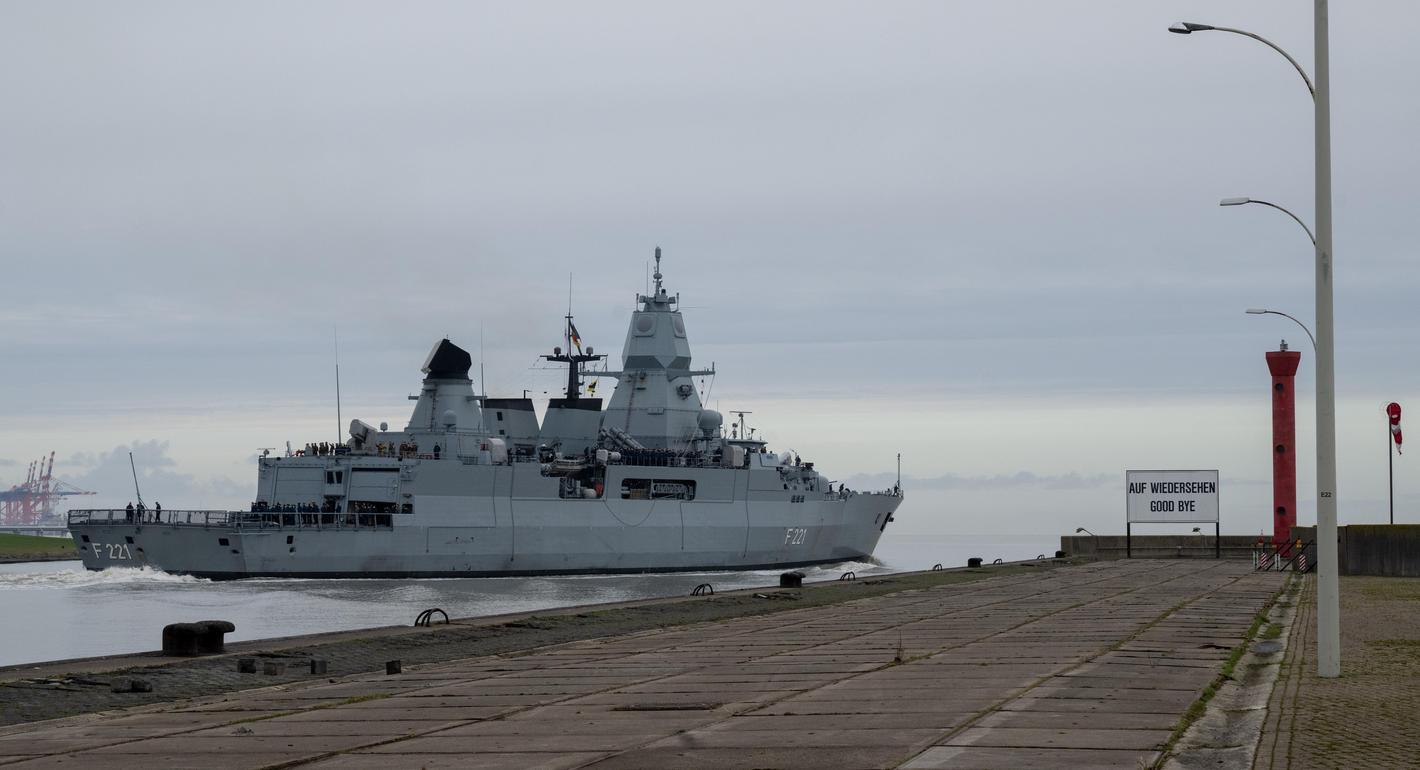
Alongside the U.S.-led Operation Prosperity Guidance, the European Union's Aspides naval mission aims to protect the Red Sea region.
Shimaa Samir Muhammed Hussein