

Commentary
Six months into the conflict, Hamas continues to challenge the Israeli army—raising questions about Israel’s ability to eradicate the group.
Reham Owda
{
  "authors": [
    "Faysal Abbas Mohamad"
  ],
  "type": "commentary",
  "blog": "Sada",
  "centerAffiliationAll": "",
  "centers": [
    "Carnegie Endowment for International Peace"
  ],
  "collections": [
    "The Gaza War and Regional Reverberations"
  ],
  "englishNewsletterAll": "",
  "nonEnglishNewsletterAll": "",
  "primaryCenter": "Carnegie Endowment for International Peace",
  "programAffiliation": "",
  "programs": [
    "Middle East"
  ],
  "projects": [],
  "regions": [],
  "topics": []
}
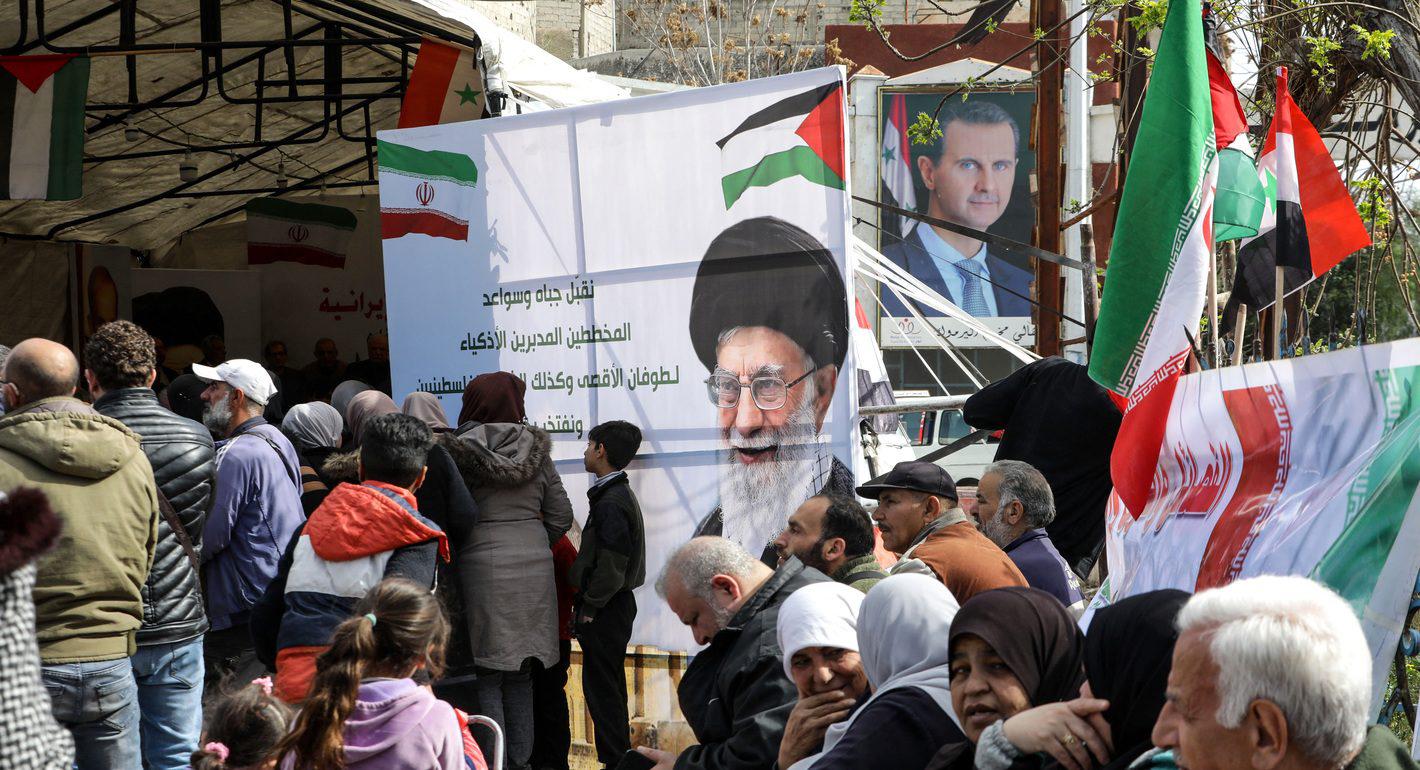
Iran’s adventurism may push Damascus to commit to Saudi-led efforts and reintegrate into the Arab fold.
Mounting tensions between Israel and Iran have placed the regime of Syrian president Bashar al-Assad in an increasingly uncomfortable position. The Israeli attack on the Iranian consulate in Damascus on April 1, the retaliatory Iranian assault on Israel 12 days later, and the most recent Israeli airstrikes on Iranian soil—which marked an unprecedented escalation in the low-intensity shadow war between Tel Aviv and Tehran—risks catalyzing a much wider conflagration.
Despite its performative rhetoric, the regime in Damascus has long sought to avoid any direct confrontation with Israel. Could the prospect of an Iranian response to Israel from Syrian territory lead the regime to rethink its relationship with Tehran, and by extension, propel its leadership towards the Arab bloc?
In exchange for full rapprochement, Arab states have demanded that Damascus commit to three objectives in Syria: a political settlement (largely to facilitate refugee repatriation), a crackdown on drug smuggling, and the reduction of Iran’s influence. Here, Arab states have employed a carrot and stick approach. In the aftermath of the devastating February 2023 earthquake, these states saw an opportunity to deepen engagement with the regime. Pledges for reconstruction finance, for instance, were made alongside enhanced diplomatic contacts with Assad’s regime: the UAE dispatched its ambassador to Damascus in January 2024, after more than a decade without high-level representation, while Saudi Arabia followed its acceptance of the credentials of a Syrian ambassador in December 2023 with the appointment of a charge d’affaires to resume consular activities.
However, since his attendance of the Arab League (AL) summit in May 2023—which ended a twelve-year suspension of Syria’s membership— Assad has not made any serious efforts to meet the AL’s demands, and several states have pushed back against this intransigence. Jordan has gradually expanded its military incursions inside southern Syria in what is likely a Gulf-supported campaign against drug smuggling, an economic lifeline for the regime that is also bolstered by Iran. Frustrated Saudi officials also reportedly repudiated Assad in November 2023 for failing to accommodate Arab demands.
Despite increasingly vocal critiques from the Saudi-led bloc, and mounting escalations between Israel and Iran, Syrian officials have thus far been unrepentant. In the Jeddah summit in May 2023, Assad stated that “changing one’s embrace does not change affiliation,” a clear reference to his alliance with Iran. Assad has also repeatedly charged that the Arab states failed to “offer practical solutions” to the Syrian conflict. Syrian Foreign Minister Faisal al-Mikdad even deflected blame onto the AL for the stalled “step-for-step” paradigm for rehabilitating Syria.
In the current moment, barring a major conflict between Iran and Israel in Syria that could threaten his already tenuous hold on power, Assad is not likely to give in to the pressure of the Arab bloc or to meaningfully dilute his relationship with Iran. Additionally, Iranian calculations make significant escalation with Israel unlikely. While Iran’s response on April 13 was certainly unprecedented, the nature of the attack—which was limited and telegraphed —indicated that it was intended to send a somewhat performative deterrent signal without triggering a massive U.S.-Israeli response.
Still, Israeli attacks on border areas in southern Lebanon risk igniting a conflict between Hezbollah and Tel Aviv. Given that Iran’s assault on Israel was launched in part from Syrian territory, it is possible any further Israeli retaliation could include an attack on targets across Syria, particularly in the south. In recent weeks, Russia has deployed additional forces to Syrian-controlled areas of the Golan Heights, ostensibly to “de-escalate tensions” in Quneitra and Daraa. Yet they failed to prevent Iran’s recent operation, suggesting that Moscow is unable to contain tensions on this front.
Assad has yet to shift away from Iran and towards meaningful cooperation with neighboring Arab states. However, as hostilities between Israel and Iran increase, Assad’s aversion to risk may finally lead him to distance himself from Iran’s regional adventurism.
Faysal Abbas Mohamad is a retired Syrian-Canadian professor of Middle Eastern politics and international relations, as well as a longtime dissident who was an eyewitness to the Syrian uprising. Follow him on Twitter @fmohamad2.
Carnegie does not take institutional positions on public policy issues; the views represented herein are those of the author(s) and do not necessarily reflect the views of Carnegie, its staff, or its trustees.

Six months into the conflict, Hamas continues to challenge the Israeli army—raising questions about Israel’s ability to eradicate the group.
Reham Owda
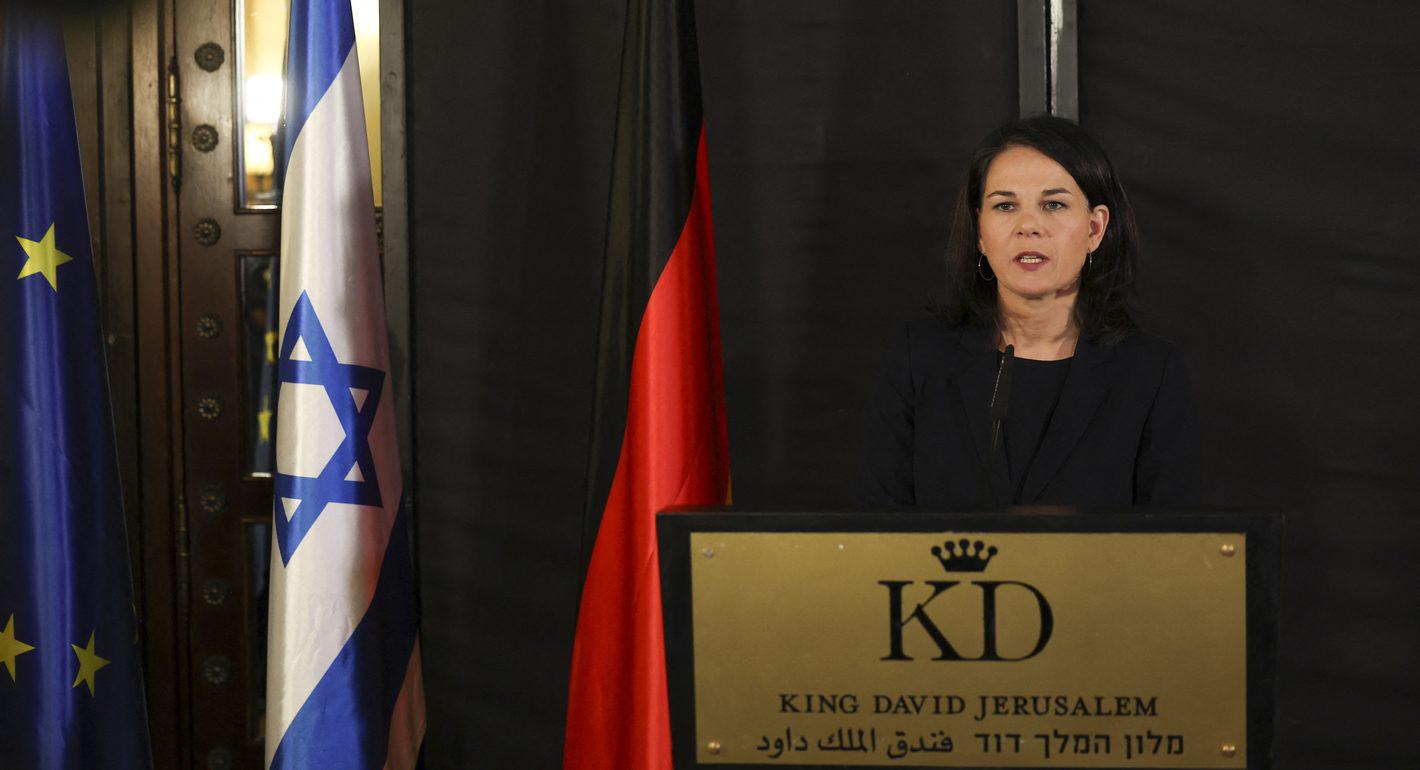
By unconditionally supporting Israel’s war, Germany is increasingly isolating itself on the global stage.
Lena Obermaier
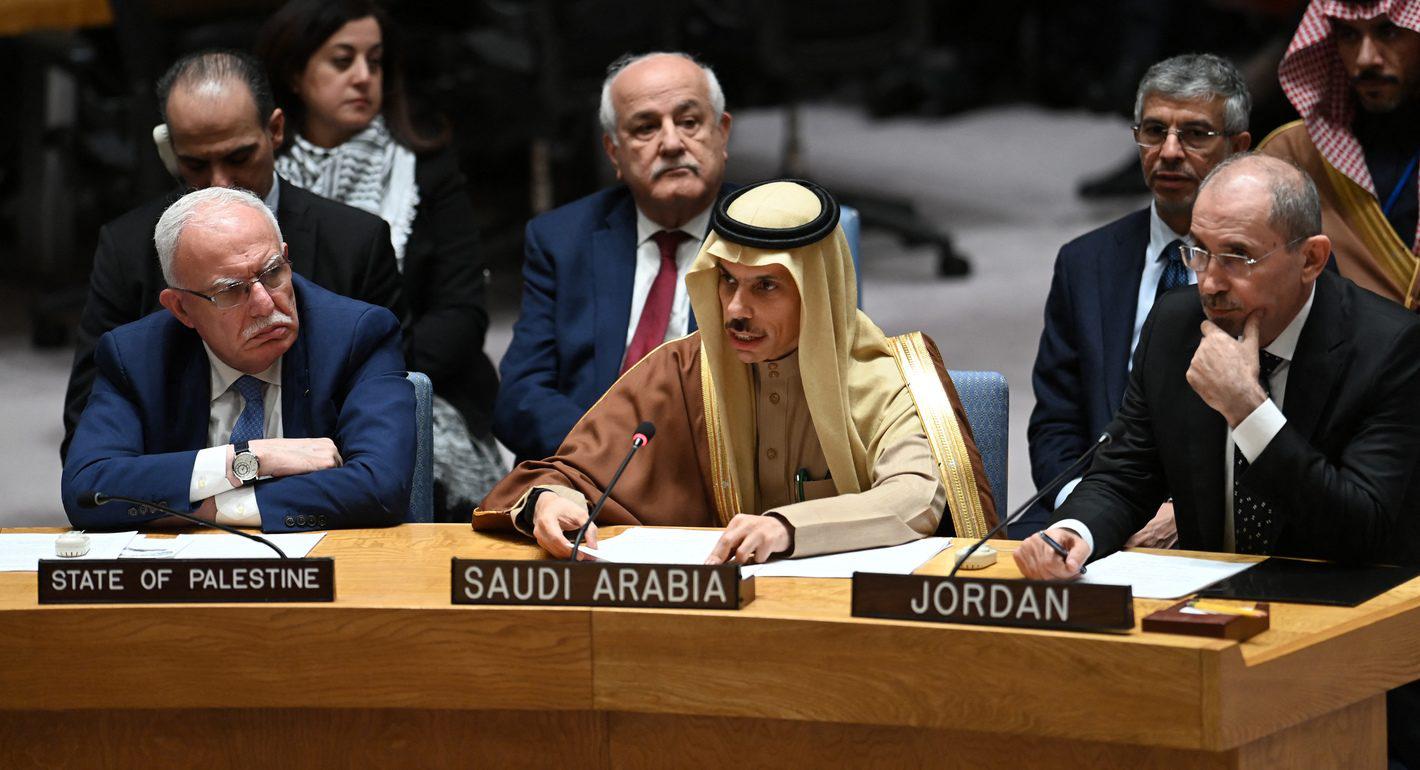
Saudi Arabia has long been perceived in the Arab world as a champion of the Palestinian cause, but developments over the past two decades suggest an imminent transformation.
Safa Nasser
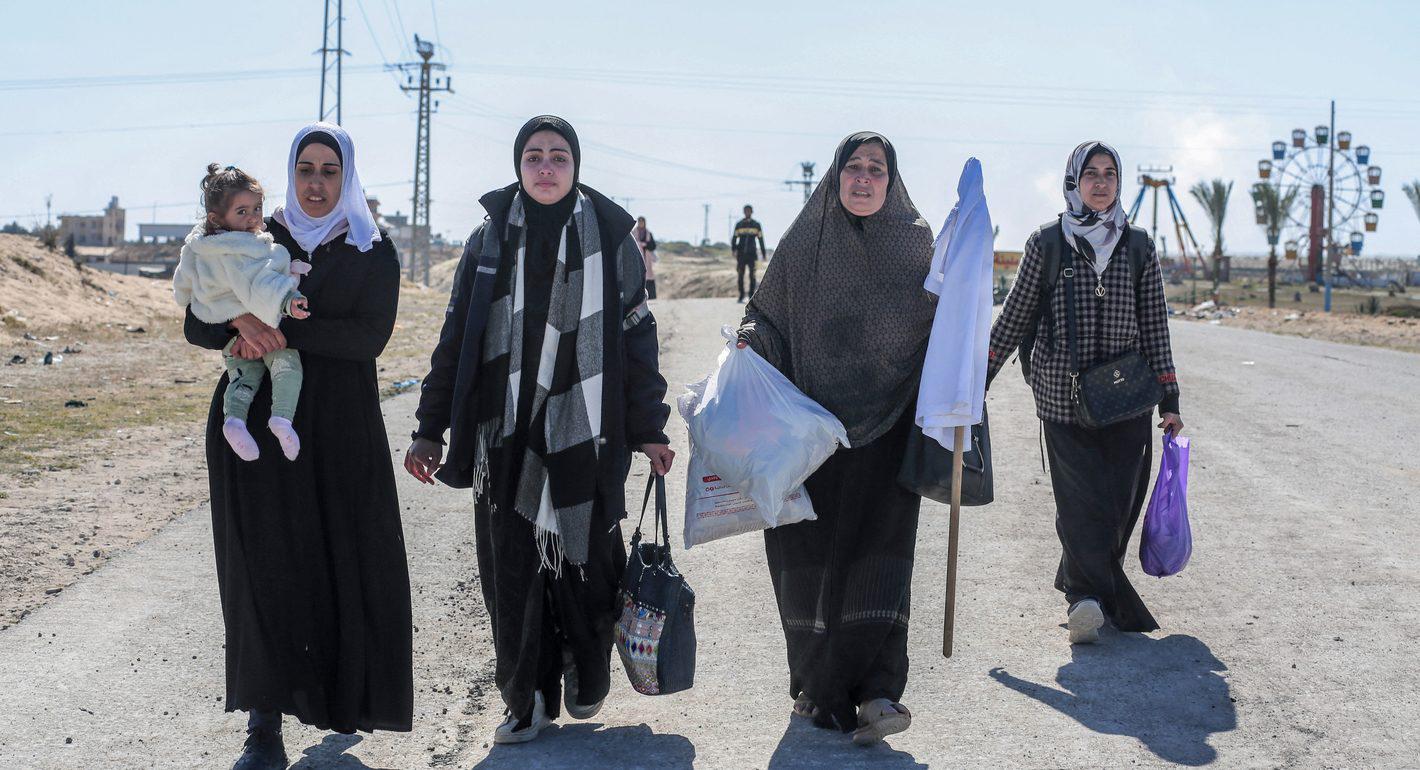
The story of Reham, a young mother sheltering in Rafah, illustrates the impact of Israel’s war on women and families.
Shahd Safi
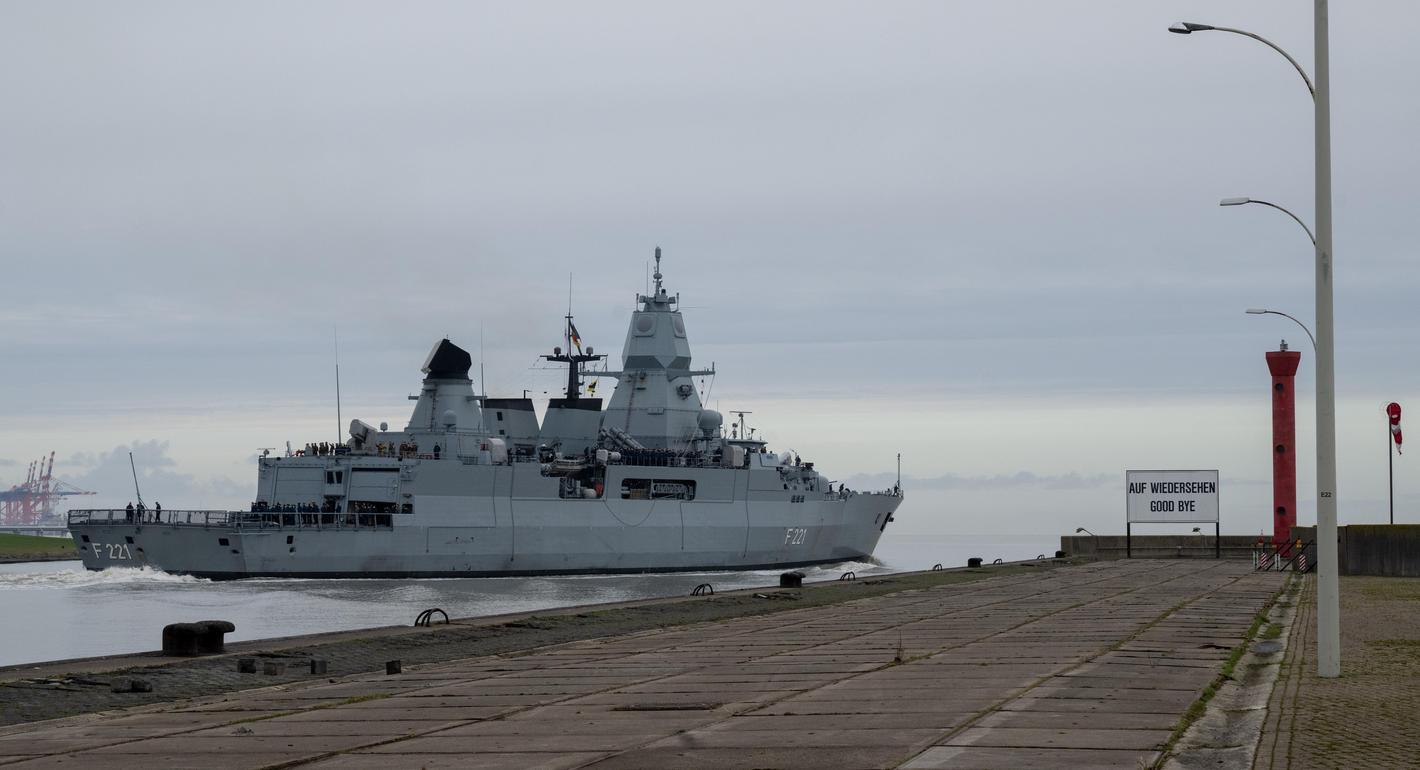
Alongside the U.S.-led Operation Prosperity Guidance, the European Union's Aspides naval mission aims to protect the Red Sea region.
Shimaa Samir Muhammed Hussein