

Article
Леонид Гозман, Michael McFaul
{
  "authors": [
    "Michael McFaul"
  ],
  "type": "legacyinthemedia",
  "centerAffiliationAll": "dc",
  "centers": [
    "Carnegie Endowment for International Peace"
  ],
  "collections": [],
  "englishNewsletterAll": "ctw",
  "nonEnglishNewsletterAll": "",
  "primaryCenter": "Carnegie Endowment for International Peace",
  "programAffiliation": "russia",
  "programs": [
    "Russia and Eurasia"
  ],
  "projects": [],
  "regions": [
    "Caucasus",
    "Russia"
  ],
  "topics": [
    "Foreign Policy"
  ]
}
REQUIRED IMAGE
Source: Carnegie
President Bush is poised to have a terrific trip on his first
visit to Russia. He will sign an agreement with President Vladimir Putin that
will eliminate thousands of nuclear weapons. He and Mr. Putin will celebrate
a new, closer relationship between the North Atlantic Treaty Organization and
Russia, paving the way for an uneventful expansion of the alliance this fall.
Mr. Bush will proclaim Russia a market economy and urge Russian integration
into the West. Finally, Mr. Bush and Mr. Putin will make joint statements about
their shared commitment to the war on terrorism.
The summit will be only a partial success, however, if Bush fails to push for greater democracy. Soviet, then Russian, democratization was indispensable in preparing all the achievements of the upcoming summit. Autocratic Russia opposed NATO, resisted arms control and suppressed markets. Democratic Russia has sought to join the West and cooperate with the United States. A return to dictatorship in Russia would quickly undermine all of these achievements.
Unfortunately, the trend in Russia is going away from democracy. Most worrying has been Mr. Putin's disregard for human rights in Chechnya. Russia must defend its borders and respond to terrorist acts, such as the attack, said to have been by Islamic fundamentalists, in Dagestan earlier this month. The conduct of the Russian armed forces and units of the Ministry of the Interior in Chechnya, however, does not serve these purposes. Russian tactics in Chechnya have been routinely inhumane, especially against civilians. These methods have inspired more fanaticism within Chechnya and made Russia less secure.
Mr. Putin also has silenced many of his critics. He and his surrogates have gone on the offensive against critical independent media outlets, seizing control of NTV — the country's only national opposition network — and threatening others. Through new laws and registration procedures, Mr. Putin's government has also limited the freedoms and powers of independent trade unions, political parties and nongovernmental organizations like the Glasnost Defense Foundation, the Socio-Ecological Union and the Russo-Chechen Friendship Society. The state security service has stepped up harassment of investigative journalists, human rights activists, environmental leaders and academics.
Mr. Putin has even weakened alternative power centers within the state. His so-called reform of the upper house of parliament, the Federation Council, has gravely weakened this once important check on presidential power. Most disturbing, as demonstrated by the recent election in Ingushetia, the Russian federal government has begun to manipulate elections by disqualifying front-running candidates deemed unacceptable. Even Mr. Putin's generally positive legal reforms are tainted by the selective application of the law for political purposes.
In isolation, any one of the anti-democratic trends might not be cause for alarm. Taken as a whole, they cannot be ignored.
Why should Mr. Bush or the American people care? First, the obvious: Democracy is a good system of government and one desired by Russians. In nationwide polls in 2000, 60 percent of respondents believed democracy was a very good or fairly good system of government for Russia, while only 24 percent portrayed it as fairly bad or very bad. Eighty-seven percent of Russians think it important to elect the country's leaders. Most Russians are not willing to take the trade of more order for less freedom. Nearly 80 percent believe the military should not rule Russia.
Second, dictatorship is unlikely to help the economy. Russia needs a more effective state to sustain markets. There is no reason to assume, however, that an autocratic regime in Russia would be an effective state. Russia's last autocratic regime — the Soviet Union — produced neither an efficient state nor economic growth. In the post-communist world, the correlation between democracy and economic growth is robust.
Third, an autocratic Russia will eventually threaten the United States. Such a Russia would depend on the military, the intelligence services and military industries to stay in power. Many in these sectors distrust the United States and seek to reassert Russian influence in Georgia, Ukraine and Central Asia; to sell nuclear technologies to Iran; and to increase weapon sales to Iraq. The negative impact of an antidemocratic Russia on American security interests would be direct.
On his visit to Moscow, Mr. Bush must speak the truth about Russia's democratic backsliding. He needs particularly to speak about Chechnya, acknowledging that terrorists there must be stopped but emphasizing that not all Chechens are terrorists and the only road to peace and security in the Caucasus is political, not military. Second, if Mr. Bush truly values his relationship with Mr. Putin, then he should speak candidly about the democratic criteria for genuine partnership between our nations. Third, he must make a special effort to meet with those in Russia fighting for democracy and human rights.
Mr. Putin is not a dictator, and he wants Russia to become a thriving capitalist economy fully integrated into the West. Rhetorically, he also has championed democracy. This is why Mr. Bush's message in Moscow could have a significant impact. By emphasizing democratization, he could impress on Mr. Putin the urgency of moving in the right direction now.
Michael McFaul is a Hoover Institution fellow and professor of political science
at Stanford University.
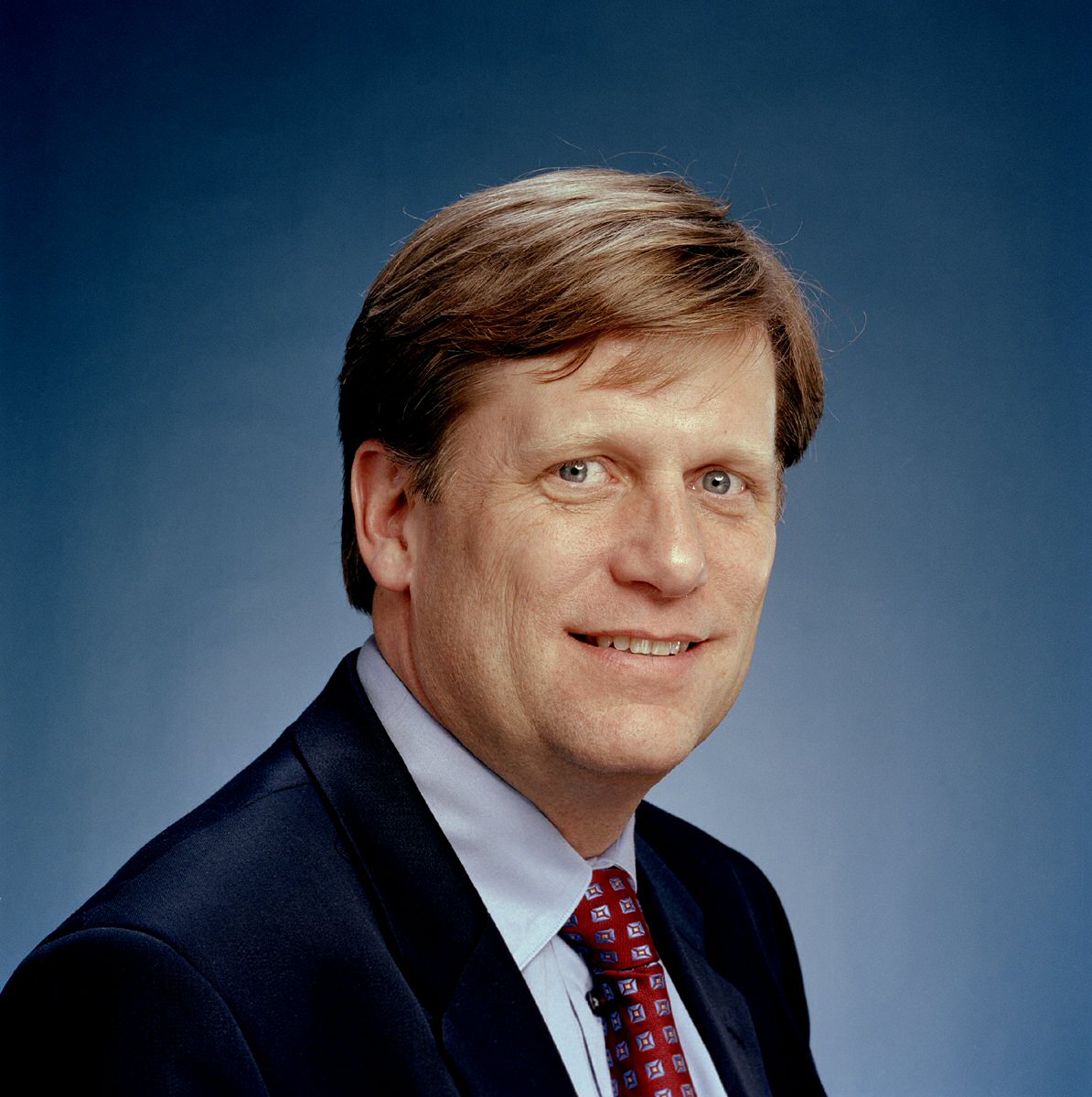
Former Senior Associate
In addition to his role at Carnegie, McFaul is Peter and Helen Bing Senior Fellow at the Hoover Institution and associate professor of political science at Stanford University.
Recent Work
Леонид Гозман, Michael McFaul
Michael McFaul, Sanja Tatic
Carnegie does not take institutional positions on public policy issues; the views represented herein are those of the author(s) and do not necessarily reflect the views of Carnegie, its staff, or its trustees.

The new U.S.–Denmark–Greenland agreement will help Washington exert political, economic, and financial dominance under the guise of security. Yet, it acknowledged Copenhagen’s and Nuuk’s sovereignty on the island.

Marc Pierini

A summer of escalation in the Black Sea has hurt Ukraine economically and is exacerbating world food security. A truce is needed—as is a broader reframing of Europe’s Ukraine strategy.

Thomas de Waal

Are Germany’s economic, industrial, and political struggles becoming a liability for the EU’s ability to rise to the geopolitical moment?

Rym Momtaz, ed.

European Commission President Ursula von der Leyen is about to give her annual address on the state of the EU. Here’s what she won’t—but should—say.
Rym Momtaz

The aftermath of the Ceuta crisis shows Europe has drawn the wrong lessons. Rather than doubling down on failed migration policies, the EU needs to address the underlying roots of such episodes.

Richard Youngs