

Article
Thomas Carothers, McKenzie Carrier
{
  "authors": [
    "Thomas Carothers"
  ],
  "type": "legacyinthemedia",
  "centerAffiliationAll": "dc",
  "centers": [
    "Carnegie Endowment for International Peace"
  ],
  "collections": [],
  "englishNewsletterAll": "democracy",
  "nonEnglishNewsletterAll": "",
  "primaryCenter": "Carnegie Endowment for International Peace",
  "programAffiliation": "DCG",
  "programs": [
    "Democracy, Conflict, and Governance"
  ],
  "projects": [],
  "regions": [
    "North America",
    "United States",
    "Iraq"
  ],
  "topics": [
    "Political Reform",
    "Democracy",
    "Foreign Policy"
  ]
}
REQUIRED IMAGE
Coming out of the war in Iraq, however, the Bush team appears to be in danger of losing a workable balance between the security and democracy imperatives. The administration's recent scramble to reconfigure U.S. policy on free trade agreements is a case in point.
Source: Carnegie
Originally published May 19, 2003 in the Washington Post.
A deep tension over democracy has pervaded the war on terrorism from the beginning. On the one hand, promoting democracy widely and effectively in the Muslim world is essential to eliminating the roots of anti-American political extremism. On the other hand, pursuing Islamist terrorist organizations has required the United States to seek closer cooperation and friendlier ties with an assortment of undemocratic governments, including those in Pakistan, Uzbekistan, Malaysia, Egypt and Jordan.
In carrying out the war on terrorism, the Bush administration has seemed at least willing to try to mitigate this tension. In some countries, such as Uzbekistan, U.S. officials have leavened the new security relationship with quiet criticism on rights and democracy shortcomings.
Coming out of the war in Iraq, however, the Bush team appears to be in danger of losing a workable balance between the security and democracy imperatives. The administration's recent scramble to reconfigure U.S. policy on free trade agreements is a case in point.
It has rushed to sign a free trade agreement with Singapore, and it has explicitly linked its action to Singapore's support of the Iraq war. Meanwhile, Chile, which had long been first in line to conclude such an accord under the president's new trade promotion authority, has been pointedly snubbed. Bush officials make no secret of the fact that they are making Chile pay a price for not having backed a second U.N. resolution authorizing war in Iraq.
The administration's vindictiveness is dispiriting and unworthy of a great power. Has President Bush never heard of the simple maxim of generosity in victory? Is it not possible to be an ally of the United States and disagree with the U.S. government without being subjected to political and economic punishment?
Moreover, the administration's actions on the free trade agreements send counterproductive signals on democracy. The administration is rewarding a dictatorship, the Singaporean government, for overriding the views of its people, a majority of whom, as in every country except the United States and Israel, opposed the war. At the same time it is punishing a democracy, the Chilean government, for having tried to take into account the views of its people in crafting a diplomatic approach to the war. And Chile is a key democracy in a very troubled region, Latin America, where democracy badly needs some visible signs of U.S. support.
It is crucial to remember that in the U.N. debates, Chile did not resort to stubborn, anti-U.S. intransigence. Like some of the other small countries sitting as nonpermanent members of the Security Council, it did not seek to put itself in the hot seat between the contending big powers. And once there it made a good-faith effort to balance the harshly conflicting domestic and international pressures it faced.
The administration has also made worrisome noises toward Turkey. During his recent trip there, Deputy Defense Secretary Paul Wolfowitz blasted Turkey for not backing the United States in the war on Iraq. Wolfowitz publicly regretted that the Turkish military did not play a "strong leadership role" on this issue, one that "we would have expected." One wonders what Wolfowitz believes is the appropriate role for civilian authority over the military in a democracy. Coming in a country where the military has regularly run roughshod over civilian politics and undermined democracy, Wolfowitz's comments were hardly supportive of deeper democratic principles.
If the war in Iraq is truly to turn out to have been a war for democracy, Bush and his advisers need to respect that principle more broadly. Most of the world's people opposed the war because they believed the democracy rationale was only a cover for narrower U.S. interests and a U.S. determination to inflict its will on weaker states. For the Bush administration, therefore, showing it is serious about following through with democracy-building in Iraq is only one part of establishing the legitimacy of the war. Showing that America's stated pro-democracy stance worldwide will not be reflexively trumped by security concerns or simple postwar pique is an equally necessary part of this campaign for legitimacy.

Harvey V. Fineberg Chair for Democracy Studies; Director, Democracy, Conflict, and Governance Program
Thomas Carothers, director of the Carnegie Endowment for International Peace’s Democracy, Conflict, and Governance Program, is a leading expert on comparative democratization and international support for democracy.
Recent Work

Thomas Carothers, McKenzie Carrier
Thomas Carothers, McKenzie Carrier
Carnegie does not take institutional positions on public policy issues; the views represented herein are those of the author(s) and do not necessarily reflect the views of Carnegie, its staff, or its trustees.
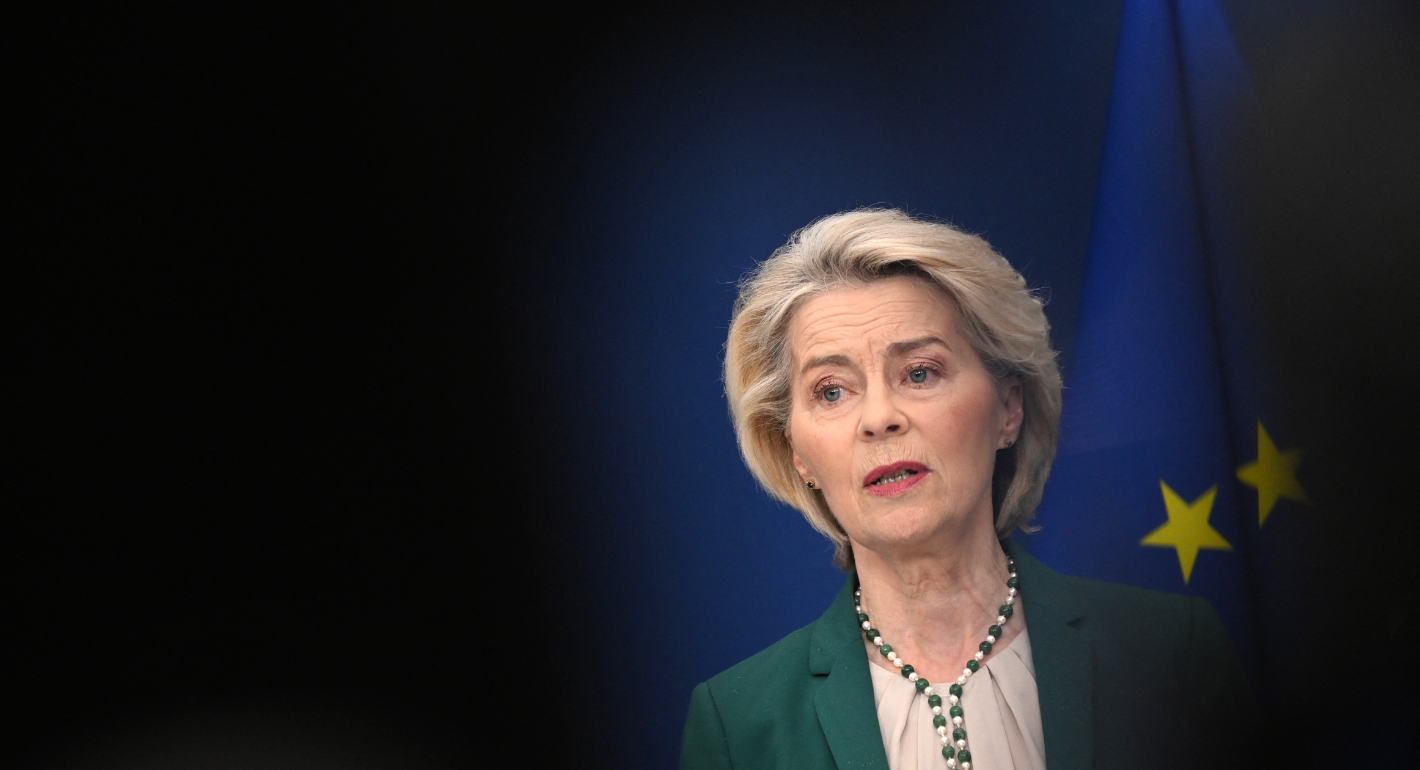
Following Ursula von der Leyen’s gaffe equating Turkey to Russia and China, relations with Ankara risk deteriorating even further. Without better, more consistent diplomatic messaging, how can the EU pretend to be a geopolitical power?

Sinan Ülgen
Closer EU-UK ties could help address urgent European concerns. But is the EU ready for rapprochement with the United Kingdom?

Rym Momtaz, ed.
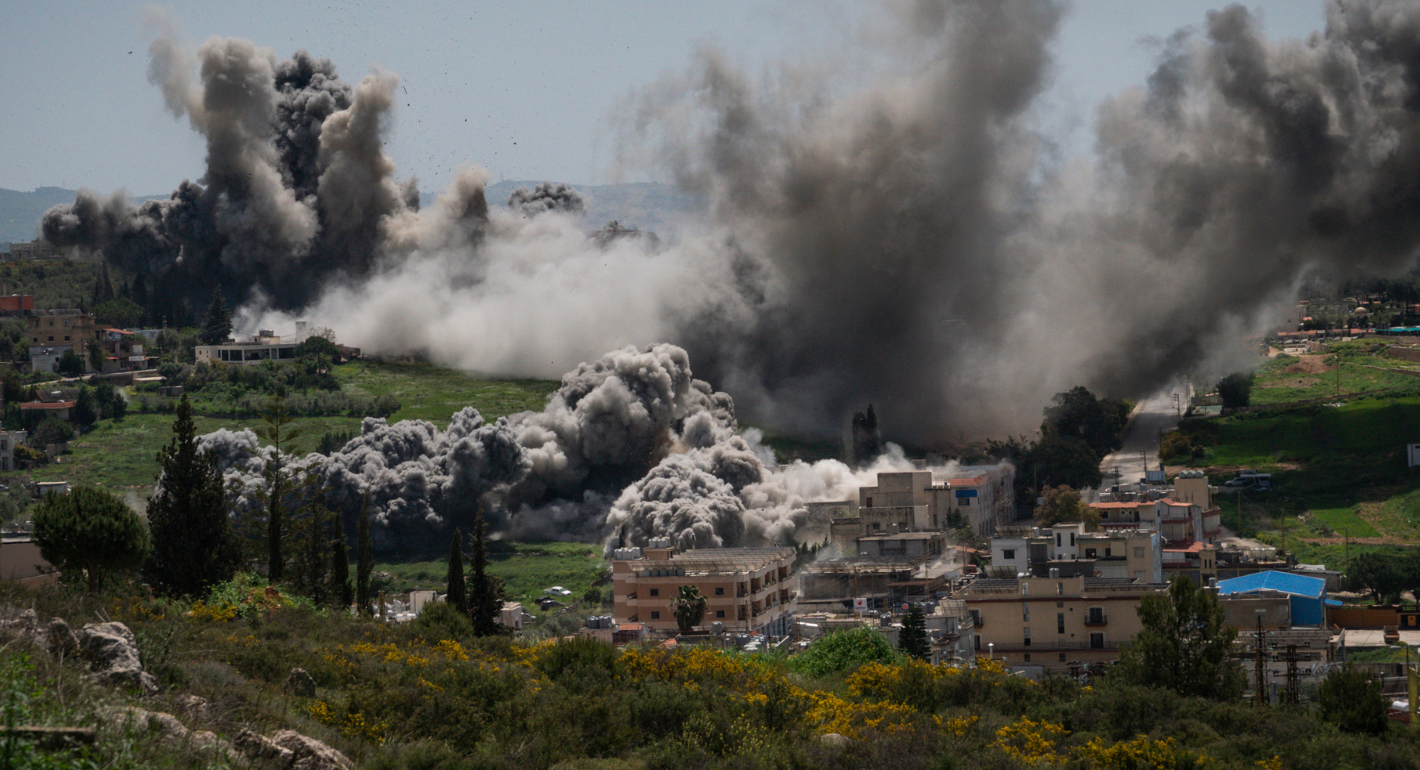
Europe has been standing by while its Southern neighborhood is being redrawn by force. To establish a path to peace between Israel and Lebanon, it’s time for Europeans to get involved with hard power.
Rym Momtaz
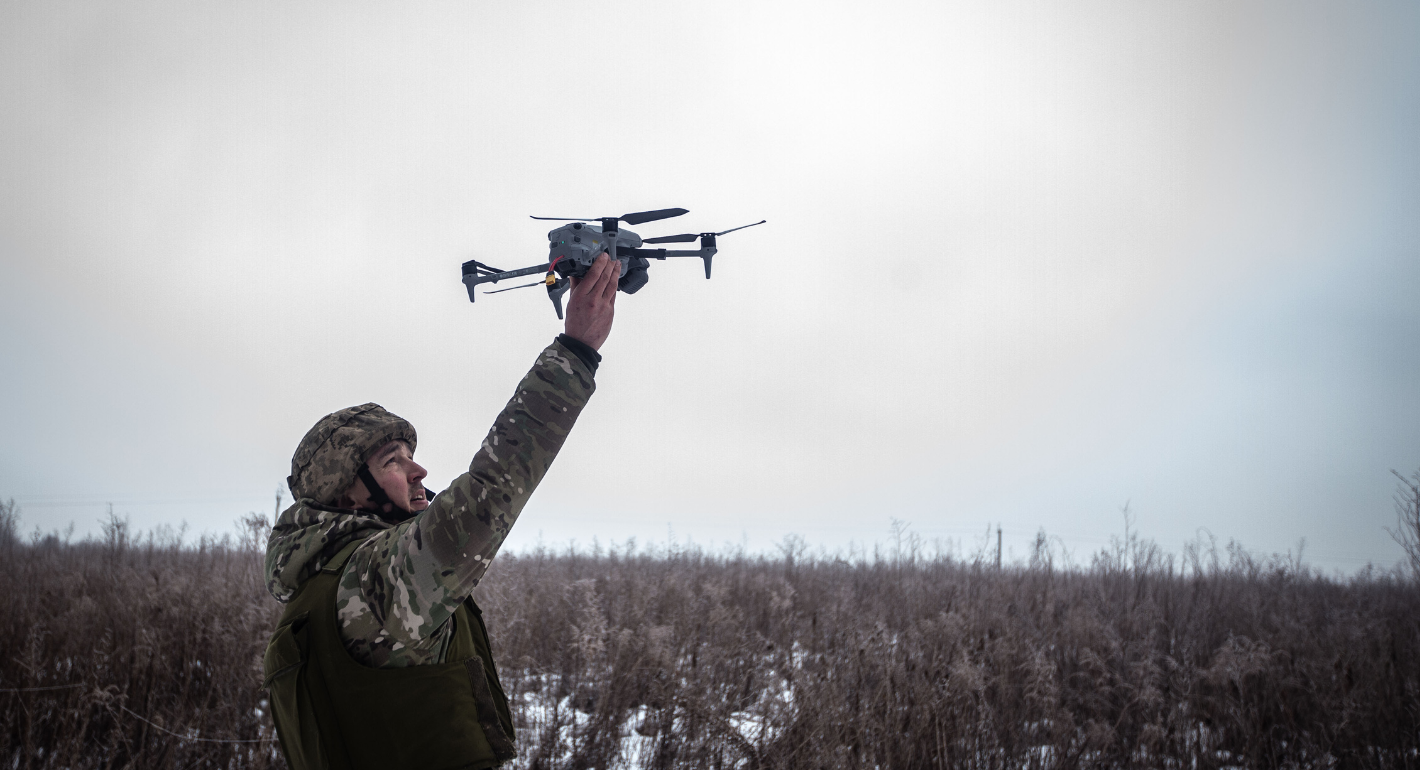
In Ukraine, Gaza, and Iran, AI warfare has come to dominate, with barely any oversight or accountability. Europe must lead the charge on the responsible use of new military technologies.

Raluca Csernatoni
Montenegro and Albania are frontrunners for EU enlargement in the Western Balkans, but they can’t just sit back and wait. To meet their 2030 accession ambitions, they must make a strong positive case.


Dimitar Bechev, Iliriana Gjoni