

Other
Fiona Hill, Anatol Lieven, Thomas de Waal
{
  "authors": [
    "Anatol Lieven"
  ],
  "type": "legacyinthemedia",
  "centerAffiliationAll": "",
  "centers": [
    "Carnegie Endowment for International Peace"
  ],
  "collections": [],
  "englishNewsletterAll": "",
  "nonEnglishNewsletterAll": "",
  "primaryCenter": "Carnegie Endowment for International Peace",
  "programAffiliation": "",
  "programs": [],
  "projects": [],
  "regions": [
    "North America",
    "United States"
  ],
  "topics": [
    "Political Reform",
    "Democracy",
    "Foreign Policy"
  ]
}
Source: Getty
Source: Financial Times

But for the Democrats, making foreign policy a foundation for the struggle to win the presidency in 2008 comes up against two immense obstacles. The first is that, by its messianic rhetoric of spreading "freedom" in the world and confronting "evil", the administration has seized control of a national myth that is common to the great majority of Americans, and has most often been expressed in the past by Democrat leaders.
The second obstacle is that, despite this messianic rhetoric, in practice the Bush administration in most parts of the world is pursuing a rather cautious and realist strategy. It is not carrying out the kind of extreme actions that would alarm many ordinary Americans and lead to repeated splits in the Republican party.
Whatever it has done in the past and may do again in future, at the moment the foreign policy sins of the Bush administration are of omission rather than commission. Thus, dominant forces in the administration are not doing nearly enough to push Israel towards peace with the Palestinians, but they are doing far more than in their first term. They are not moving towards detente with Iran, but equally they do not seem close to attacking that country. They are not prepared to listen to the Europeans on many issues, but they are working for the public appearance of harmony and co-operation.
Most of President George W. Bush's policy towards China has been characterised by considerable pragmatism and restraint. His summit with President Vladimir Putin in Bratislava, and the latest visit to Moscow of Condoleezza Rice, US secretary of state, demonstrate a generally pragmatic approach to relations with Russia.
Intellectually and morally, this combination of messianism and pragmatism is extremely contradictory. And in particular cases, the Democrats can embarrass the administration by pointing out the contradictions. They cannot, however, make such attacks the centrepiece of their own foreign policy approach. For exactly this same contradiction has over time characterised Democratic administrations too; it is no temporary phenomenon but a deep and apparently permanent feature of American political culture.
Americans as a nation want to feel that they are very good people and, at the same time, to serve their own interests - like most people, no doubt, but more so and more obviously.
This is not without its dangers. It can increase international perceptions of American hypocrisy and mendacity. It is in permanent danger of being shown up by events - for example, an anti-American democratic movement in a Muslim country leading to renewed US support for dictatorship and repression.
It is also an unstable mixture that, if subjected to shocks, can contribute to reckless international adventures, such as Vietnam and Iraq, partly justified to the American people in terms of America's moral mission.
Within America, however, this mixture works very well indeed. By stealing the Democrats' Wilsonian trousers while avoiding further international adventures, the Republicans have almost paralysed their opponents. Except when a Bolton comes along to concentrate their attention, internal Democratic discussions on foreign policy at present are generally a mixture of nitpicking, imitation and confusion.
There is, of course, one immensely powerful strain in the American historical tradition that is almost absent from the national debate: namely isolationism, and this will probably be the case for a long time. Leaving aside America's stake in the world economy and interest in innumerable international issues, a turn towards isolationism would have to mean drastically reducing US dependence on imported oil, drastically reducing US support for Israel, and drastically cutting employment in the US foreign and security establishment.
The US establishment is therefore united in ruling out even a mild version of isolationism. Whether this will be true forever remains an open question, given the immense financial, human and moral costs to the US of the present strategy of global domination.
The writer is author of America Right or Wrong: An Anatomy of American Nationalism (Harper Collins/OUP)


Former Senior Associate
Recent Work

Fiona Hill, Anatol Lieven, Thomas de Waal
Carnegie does not take institutional positions on public policy issues; the views represented herein are those of the author(s) and do not necessarily reflect the views of Carnegie, its staff, or its trustees.
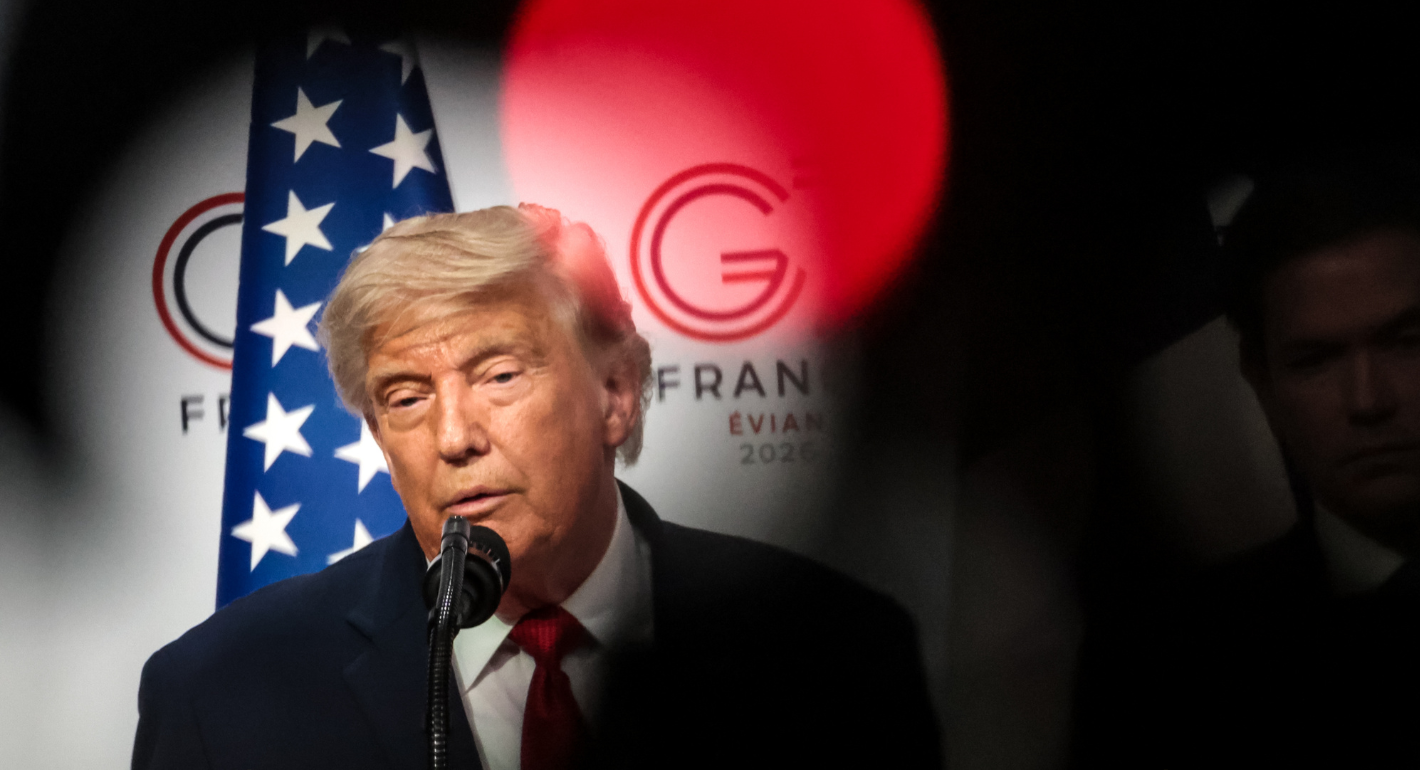
There is an elephant in the room when it comes to the EU’s upcoming security strategy: Donald Trump. Unless European leaders acknowledge the depth of the transatlantic crisis, true autonomy will remain out of reach.

Stefan Lehne

Europe’s industrial supply chains leave it vulnerable to global shocks. The EU needs a pragmatic green industrial strategy that balances durable partnerships and bolsters homegrown clean tech without sacrificing low-carbon ambition.


Milo McBride, Pauline Gerard
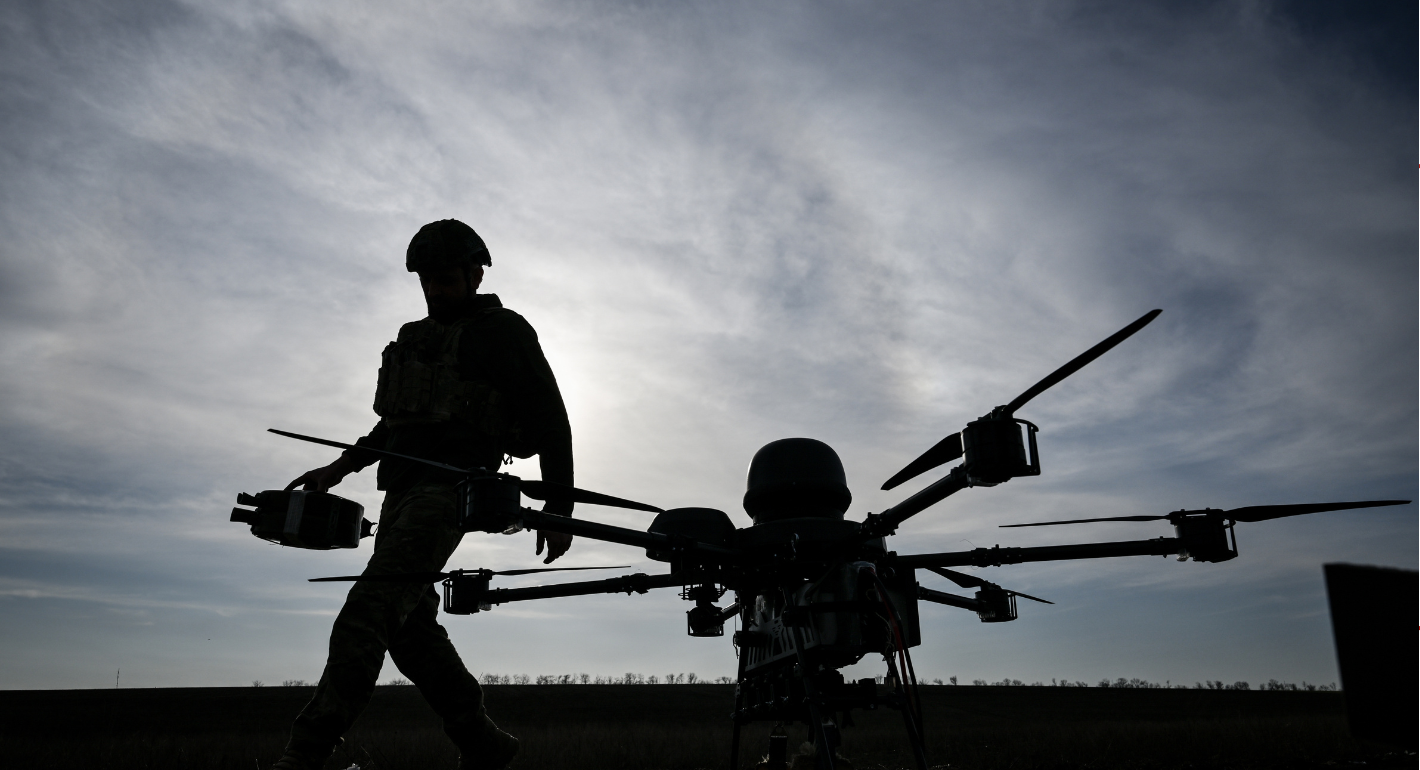
Defense tech innovations will be at the heart of Europe’s new security strategy. But so far, Brussels has been making moves without a broader plan, undermining readiness and credibility.

Raluca Csernatoni

When the U.S.-Iran memorandum of understanding was announced, the UK, France, Germany, and Italy declared their readiness to help demine the Strait of Hormuz and lift nuclear sanctions on Tehran. But does Europe need new tools to recover a diplomatic role?

Rym Momtaz, ed.
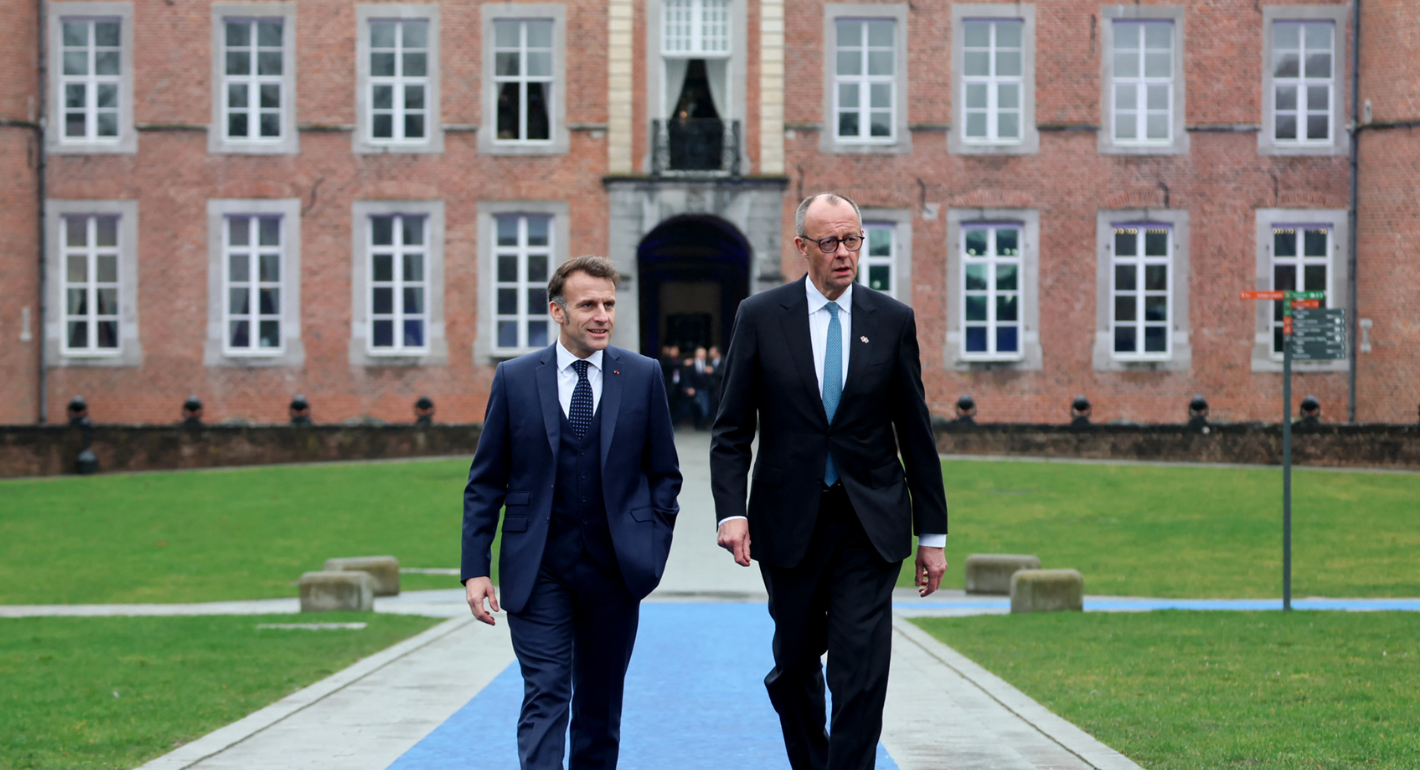
The Franco-German relationship is on the rocks again. But unlike previous moments of tension, the epochal changes on the world stage require that both step up investment in their bilateral ties.
Rym Momtaz