• Research
  • Strategic Europe
  • About
  • Experts
Carnegie Europe logoCarnegie lettermark logo
EUUkraine
  • Donate
{
  "authors": [
    "Husain Haqqani"
  ],
  "type": "testimony",
  "centerAffiliationAll": "dc",
  "centers": [
    "Carnegie Endowment for International Peace"
  ],
  "collections": [],
  "englishNewsletterAll": "",
  "nonEnglishNewsletterAll": "",
  "primaryCenter": "Carnegie Endowment for International Peace",
  "programAffiliation": "SAP",
  "programs": [
    "South Asia"
  ],
  "projects": [],
  "regions": [
    "South Asia",
    "Pakistan"
  ],
  "topics": [
    "Political Reform",
    "Democracy",
    "Security",
    "Foreign Policy",
    "Nuclear Policy"
  ]
}
Source: Getty

Testimony

The United States and Pakistan: Navigating a Complex Relationship

Testimony by Husain Haqqani before the the U.S. Commission on International Religious Freedom.

Link Copied
By Mr. Husain Haqqani
Published on Jun 30, 2005

On June 30, 2005, Husain Haqqani, Visiting Scholar, Carnegie Endowment for International Peace and Associate Professor of International Relations, Boston University testified before the the U.S. Commission on International Religious Freedom at a hearing on "The United States and Pakistan: Navigating a Complex Relationship."


I would like to begin by thanking the members of the U.S. Commission on International Religious Freedom for the privilege of testifying before you on the situation in Pakistan and U.S. relations with this extremely important country.


Pakistan and the United States have been allies since the 1950s but their relations have been far from tension free. When it emerged as an independent state in 1947, Pakistan was considered a moderate Muslim nation that could serve as a model for other emerging independent Muslim states. Pakistan’s founder, Muhammad Ali Jinnah, was a Shia Muslim. Its first law minister was a Hindu. Its foreign minister belonged to the Ahmadiyya religious community. Although Pakistan’s birth was accompanied by religious riots and communal violence, the country’s founders clearly intended to create a non-sectarian state that would protect religious freedoms and provide the Muslims of South Asia an opportunity to live in a country where the constituted a majority. Continued >>

Click on the link to the right for the full text of this testimony.  
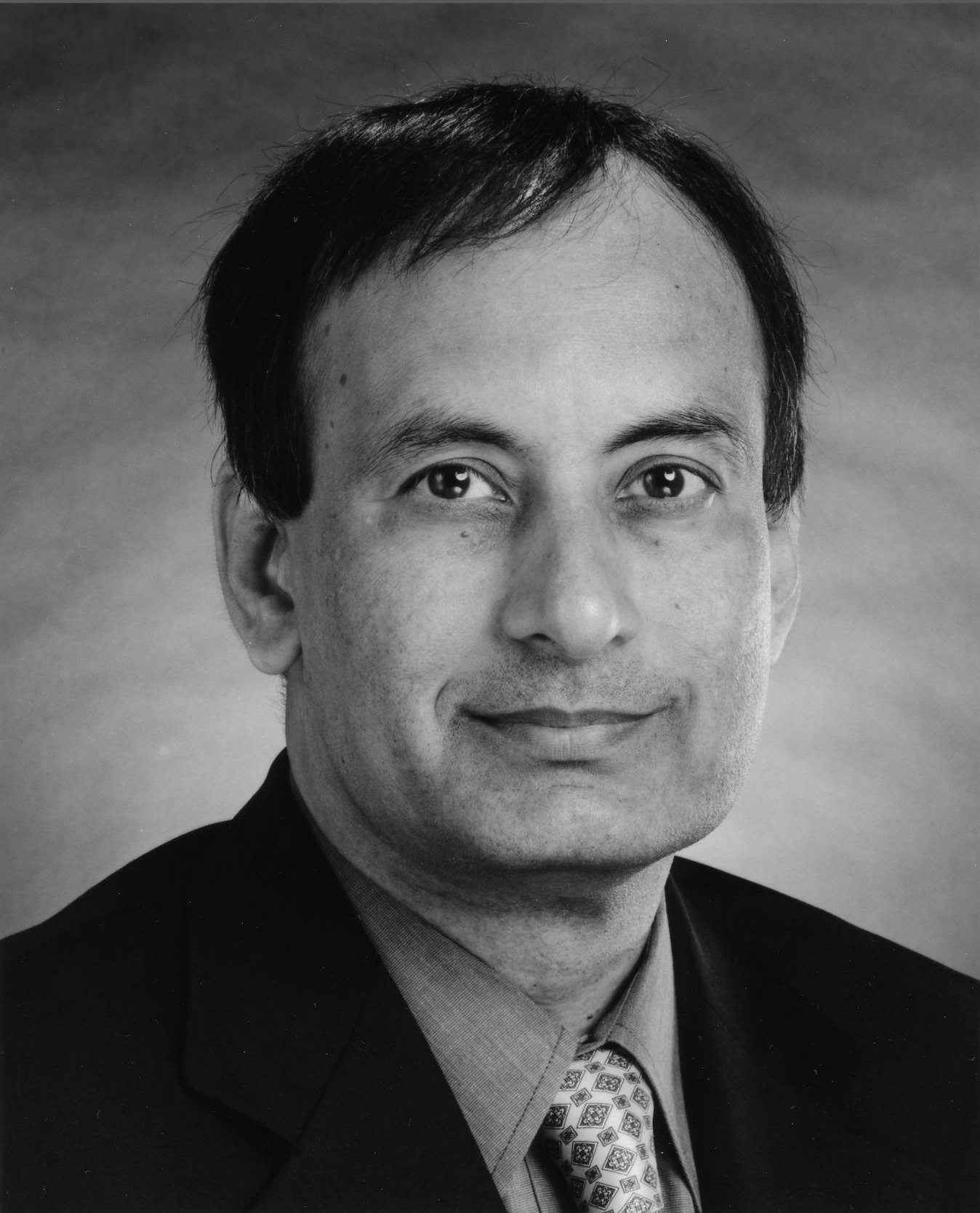
About the Author

Mr. Husain Haqqani

Former Visiting Scholar

    Recent Work

  • Report
    India and Pakistan: Is Peace Real This Time?: A Conversation between Husain Haqqani and Ashley J. Tellis

      Mr. Husain Haqqani, Ashley J. Tellis

  • Other
    America's New Alliance with Pakistan: Avoiding the Traps of the Past

      Mr. Husain Haqqani

Mr. Husain Haqqani
Former Visiting Scholar
Husain Haqqani
Political ReformDemocracySecurityForeign PolicyNuclear PolicySouth AsiaPakistan

Carnegie does not take institutional positions on public policy issues; the views represented herein are those of the author(s) and do not necessarily reflect the views of Carnegie, its staff, or its trustees.

More Work from Carnegie Europe

  • Commentary
    Strategic Europe
    Global Instability Makes Europe More Attractive, Not Less

    Europe isn’t as weak in the new geopolitics of power as many would believe. But to leverage its assets and claim a sphere of influence, Brussels must stop undercutting itself.

      Dimitar Bechev

  • Commentary
    Strategic Europe
    Europe on Iran: Gone with the Wind

    Europe’s reaction to the war in Iran has been disunited and meek, a far cry from its previously leading role in diplomacy with Tehran. To avoid being condemned to the sidelines while escalation continues, Brussels needs to stand up for international law.

      Pierre Vimont

  • Commentary
    Strategic Europe
    Taking the Pulse: Can European Defense Survive the Death of FCAS?

    France and Germany’s failure to agree on the Future Combat Air System (FCAS) raises questions about European defense. Amid industrial rivalries and competing strategic cultures, what does the future of European military industrial projects look like?

      • Rym Momtaz

      Rym Momtaz, ed.

  • Research
    New Approaches to Defending Global Civil Society

    New thinking is needed on how global civil society can be protected. In an era of major-power rivalry, competitive geopolitics, and security primacy, civil society is in danger of getting squeezed – in some countries, almost entirely out of existence.

      Richard Youngs, ed., Elene Panchulidze, ed.

  • Commentary
    Strategic Europe
    Macron Makes France a Great Middle Power

    France has stopped clinging to notions of being a great power and is embracing the middle power moment. But Emmanuel Macron has his work cut out if he is to secure his country’s global standing before his term in office ends.

      • Rym Momtaz

      Rym Momtaz

Get more news and analysis from
Carnegie Europe
Carnegie Europe logo, white
Rue du Congrès, 151000 Brussels, Belgium
  • Research
  • Strategic Europe
  • About
  • Experts
  • Projects
  • Events
  • Contact
  • Careers
  • Privacy
  • For Media
  • Gender Equality Plan
Get more news and analysis from
Carnegie Europe
© 2026 Carnegie Endowment for International Peace. All rights reserved.








