

Paper
Paul Salem
{
  "authors": [
    "Paul Salem"
  ],
  "type": "other",
  "centerAffiliationAll": "dc",
  "centers": [
    "Carnegie Endowment for International Peace",
    "Malcolm H. Kerr Carnegie Middle East Center"
  ],
  "collections": [],
  "englishNewsletterAll": "menaTransitions",
  "nonEnglishNewsletterAll": "",
  "primaryCenter": "Malcolm H. Kerr Carnegie Middle East Center",
  "programAffiliation": "MEP",
  "programs": [
    "Middle East"
  ],
  "projects": [],
  "regions": [
    "Levant",
    "Syria",
    "Middle East",
    "Israel"
  ],
  "topics": [
    "Political Reform",
    "Foreign Policy"
  ]
}
Source: Getty
An Israeli–Syrian peace deal is a real possibility and would have a positive effect on the Middle East and U.S. interests there. But the two sides will not reach an agreement without U.S. leadership. The incoming administration should use a balance of pressure, incentives, and robust diplomacy to make the agreement a reality.
An Israeli–Syrian peace deal is a real possibility and would have a positive effect on the Middle East and U.S. interests there. But the two sides will not reach an agreement without U.S. leadership. The incoming administration should use a balance of pressure, incentives, and robust diplomacy to make the agreement a reality, concludes a new paper by the director of the Carnegie Middle East Center.
Paul Salem argues that President-elect Barack Obama should continue the Bush administration’s policy of pressuring Syria to keep out of Lebanon and Iraq, which has helped push Syria towards a peace agreement. But the new administration must pursue a more balanced approach with strong diplomacy to reach a land-for-peace deal over the occupied Golan Heights.
Key Conclusions:
Salem concludes:
“The issues between Israel and Syria are complex, and the challenge of shifting Syria’s strategic posture is even more demanding. Turkish prime minister Recep Tayyip Erdogan has done an excellent job so far. But it will take a fully empowered U.S. secretary of state or presidential envoy—and, eventually, direct presidential engagement—to achieve a breakthrough on the Syrian–Israeli track.”
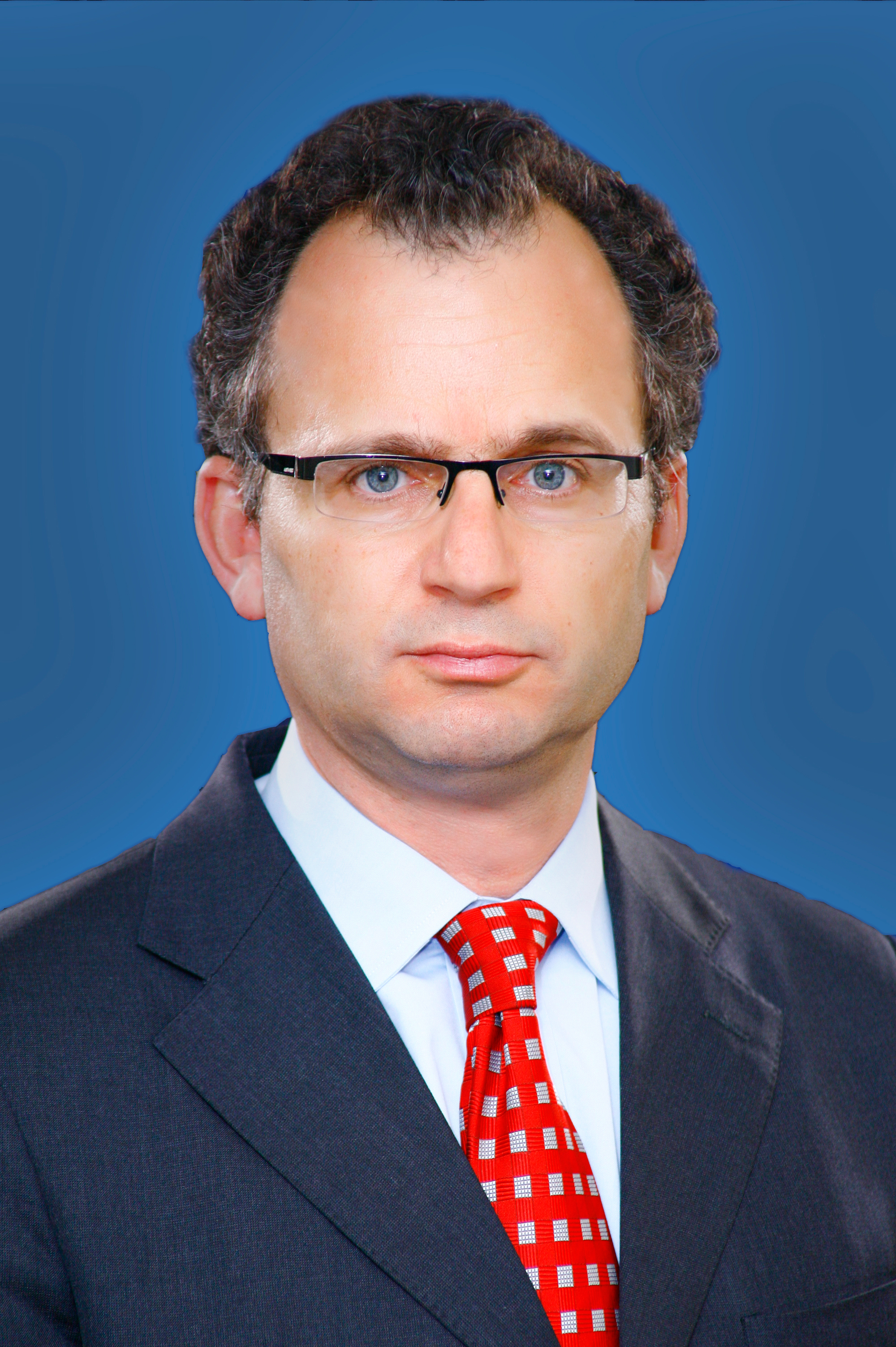
Senior Fellow at the Middle East Institute
Paul Salem is a senior fellow at the Middle East Institute.
Recent Work
Paul Salem
Paul Salem
Carnegie does not take institutional positions on public policy issues; the views represented herein are those of the author(s) and do not necessarily reflect the views of Carnegie, its staff, or its trustees.

The aftermath of the Ceuta crisis shows Europe has drawn the wrong lessons. Rather than doubling down on failed migration policies, the EU needs to address the underlying roots of such episodes.

Richard Youngs

Canadian Prime Minister Mark Carney has twice inspired praise for standing up to U.S. President Donald Trump: at the 2026 World Economic Forum in Davos and on Canada-U.S. trade negotiations. Is Carney showing a third way better than the EU has in dealing with the Trump administration?

Rym Momtaz, ed.

The EU’s responses to two recent incidents expose the gulf between European perceptions and capabilities. Unless the union can bridge that gap, it will never become a real geostrategic power.
Rym Momtaz

European states control several Overseas Countries and Territories around the world that carry strategic, economic, and environmental weight. As great powers challenge the rules-based order, defending them is a geopolitical imperative for Europe.

Marc Pierini

As we close out another season of Strategic Europe, it is worth taking stock of the deep shifts underway.
Rym Momtaz