

In The Media
David Rothkopf
{
  "authors": [
    "David Rothkopf"
  ],
  "type": "legacyinthemedia",
  "centerAffiliationAll": "",
  "centers": [
    "Carnegie Endowment for International Peace"
  ],
  "collections": [],
  "englishNewsletterAll": "",
  "nonEnglishNewsletterAll": "",
  "primaryCenter": "Carnegie Endowment for International Peace",
  "programAffiliation": "",
  "programs": [],
  "projects": [],
  "regions": [
    "North America",
    "United States",
    "Middle East",
    "Iran",
    "Israel",
    "Palestine",
    "Yemen",
    "East Asia",
    "Japan",
    "North Korea"
  ],
  "topics": [
    "Climate Change",
    "Foreign Policy"
  ]
}
Source: Getty
From Argentina to Yemen, there are ten political stories that may erupt this summer.
Source: Foreign Policy

As we've seen just in the past couple of days, "engagement" doesn't seem to be doing the trick with North Korea. When you have two countries that have been pointing guns at each other for half a century and one of them is run by the kind of guy who makes Mahmoud Ahmadinejad look like Albert Schweitzer trouble is always just a Dear Leader moodswing away. When one of those countries starts firing torpedoes at the other, that raises the temperature a bit ... and when that same country has a diplomatic tantrum because its neighbor actually doesn't like having its ships sunk, you get a sense of how off-balance and dangerous the whole thing is. (You also get dictionary editors everywhere rushing to insert North Korea's reaction into the official definition of chutzpah right where "burying your husband in a rented suit" used to be.) While most people assume this is just one of those periodic Korean peninsula hiccups, you never know.
These places are just two examples of plenty where conditions are chronically horrible and getting worse. If you're going to worry about the Koreas where the stakes are high and both sides would pay an unimaginable price for a conflict, don't rule out conflicts in places where everyone has a gun and life is cheap.
Speaking of places not to rule out, over the years few places have proven themselves more reliable breeding grounds for warfare than the borders of the state of Israel. And tensions are rising along the most northern of these as we speak. The Israelis are worried about growing stockpiles of missiles being deployed in Lebanon, new missile capabilities in Syria and Iranian mischief in both places. Of all the possibilities for tensions turning to a shooting war this summer, this one may top the list. And, what a great distraction it would make from Iran's nuclear issues (or what great cover for an Israeli strike against the Iranians who are paying for the missiles and underwriting Hezbollah trouble-makers in Lebanon and elsewhere).
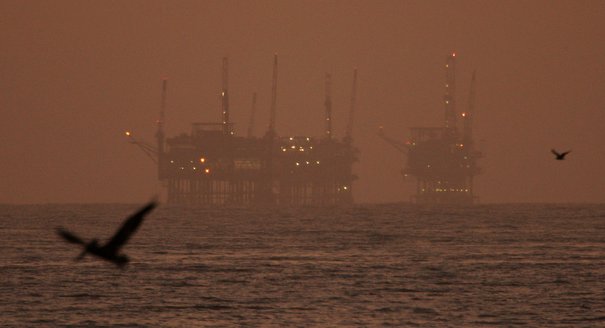
While Washington works itself up into a lather over the spill in the Gulf, it effectively ignores a much bigger catastrophe. A recent NPR report indicated that the amount of man made pollutants that have flowed into the Gulf during the current crisis flow into the air every 2 minutes or so. That's 30 crises like this an hour. 360 a day. Over 1,000 a month. That means this summer there will be 3000 crises like this offshore drilling calamity ... and throughout this period the likelihood that the U.S. government or the world move any closer to addressing this much larger, much less photogenic disaster is pretty close to zero.
Remember the financial crisis that took down Bear Sterns? Now we look at that as only prelude. Remember the one that took down Lehman, Merrill and AIG? Perhaps we'll look at that as just the appetizer. Because with the world economy now trembling at the thought of further deterioration in the Eurozone, it wouldn't take much to send us into territory that was unimaginable even two years ago. Likely? No. But possible? Well, let's see, Japan has a debt to GDP ratio that is worse than most of Europe's. What if the markets sour on lending them any more money? What if that takes down some of their banks and they start calling in IOUs and cut lending in places like China? Tim Geithner said this week that overall China's economy is not a bubble. Maybe so. But that doesn't mean it doesn't have some pretty big bubbles in it (see: real estate).
The big political story in the United States is supposed to be the losses Dems will suffer in mid-term elections in November. Big time members of the punditocracy are calling for a big swing to the right, a likely Republican take-over in the House and even the possibility of one in the Senate. But by the end of the summer, once campaigns have started in earnest, the loony, fringy, dysfunctionality of the "just say no" party will be revealed and the big surprise U.S. political story of the year will start to take shape. The Dems may have modest losses in November, but it won't be anything like the washout the chattering classes expect.
Despite Lionel Messi's dominance on the soccer field, Argentina won't win the World Cup this year. That'll be Spain. But maybe as the summer ticks on a few more people will start to realize that having done everything wrong and utterly alienated the financial system by telling the big banks to take a hike a few years ago, Argentina is actually having something like a recovery worthy of a tango. Oh, all is not rosy to be sure, but take a look at its per capita GDP in purchasing power parity terms. It just passed Chile to be number one in Latin America (according to Latin Business Chronicle). Between this and the U.S. dollar strengthening despite the fact that the U.S. has also done practically everything wrong (and China's flourishing for years despite its penchant for, how shall we put it, well, communism) who knows... this could be the summer that moral hazard makes its long awaited big comeback.
This is the least likely black swan on this list. But it is possible that once financial reform passes later this summer and is signed into law that someone will note that "the most sweeping financial reforms since the Great Depression" actually don't amount to much when it comes to fixing the problems we face. Mortgage defaults, unregulated global derivatives markets, unintended consequences of interconnectivity of markets, lack of global regulatory mechanisms, failure to address the trading culture's perversion of finance, etc... this is like the health care bill and Beatlemania: not the real thing, just an incredible simulation.
Ok, maybe I'm wrong. Maybe this is the most improbable of the Black Swans. But the folks in the White House are good people at heart and smart ones. Sooner or later they will realize that their mixed, incomplete record in office trumps the historic nature of their victory and that a little humility is in order ... if not because they feel that way then because by alienating even their most enthusiastic supporters they are doing themselves great political damage. As for the American people, they would do better with more realistic expectations. We all want Washington, Lincoln or Roosevelt whenever we elect a president. But the vast majority of the time we get Chester A. Arthur. Bush was Chester A. Arthur. Clinton was Chester A. Arthur. And in all likelihood Obama will end up being Chester A. Arthur.
Ok, never mind. This one is most likely. But the dangerous twist here is that cooperation from Iran is actually just them buying time to move toward their goal of possessing nuclear weapons technology. The only thing that will stop them from such a stalling course is if they are much further ahead of schedule than we think and that the big black swan of this summer will be the announcement that the world's largest state sponsor of terror will actually have gone nuclear.

Former Visiting Scholar
David Rothkopf was a visiting scholar at the Carnegie Endowment as well as the former CEO and editor in chief of the FP Group.
Recent Work
David Rothkopf
David Rothkopf
Carnegie does not take institutional positions on public policy issues; the views represented herein are those of the author(s) and do not necessarily reflect the views of Carnegie, its staff, or its trustees.
Closer EU-UK ties could help address urgent European concerns. But is the EU ready for rapprochement with the United Kingdom?

Rym Momtaz, ed.
Europe has been standing by while its Southern neighborhood is being redrawn by force. To establish a path to peace between Israel and Lebanon, it’s time for Europeans to get involved with hard power.
Rym Momtaz
In Ukraine, Gaza, and Iran, AI warfare has come to dominate, with barely any oversight or accountability. Europe must lead the charge on the responsible use of new military technologies.

Raluca Csernatoni
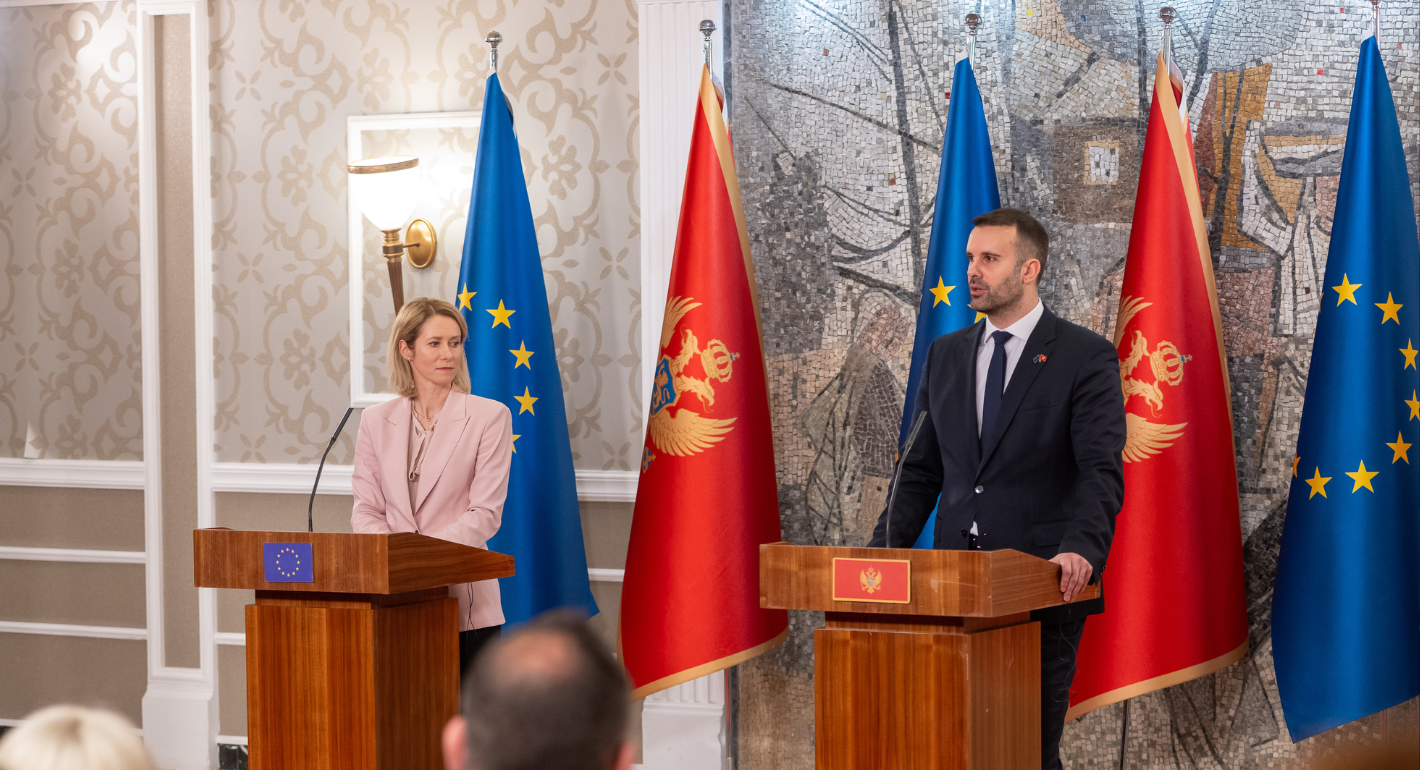
Montenegro and Albania are frontrunners for EU enlargement in the Western Balkans, but they can’t just sit back and wait. To meet their 2030 accession ambitions, they must make a strong positive case.


Dimitar Bechev, Iliriana Gjoni
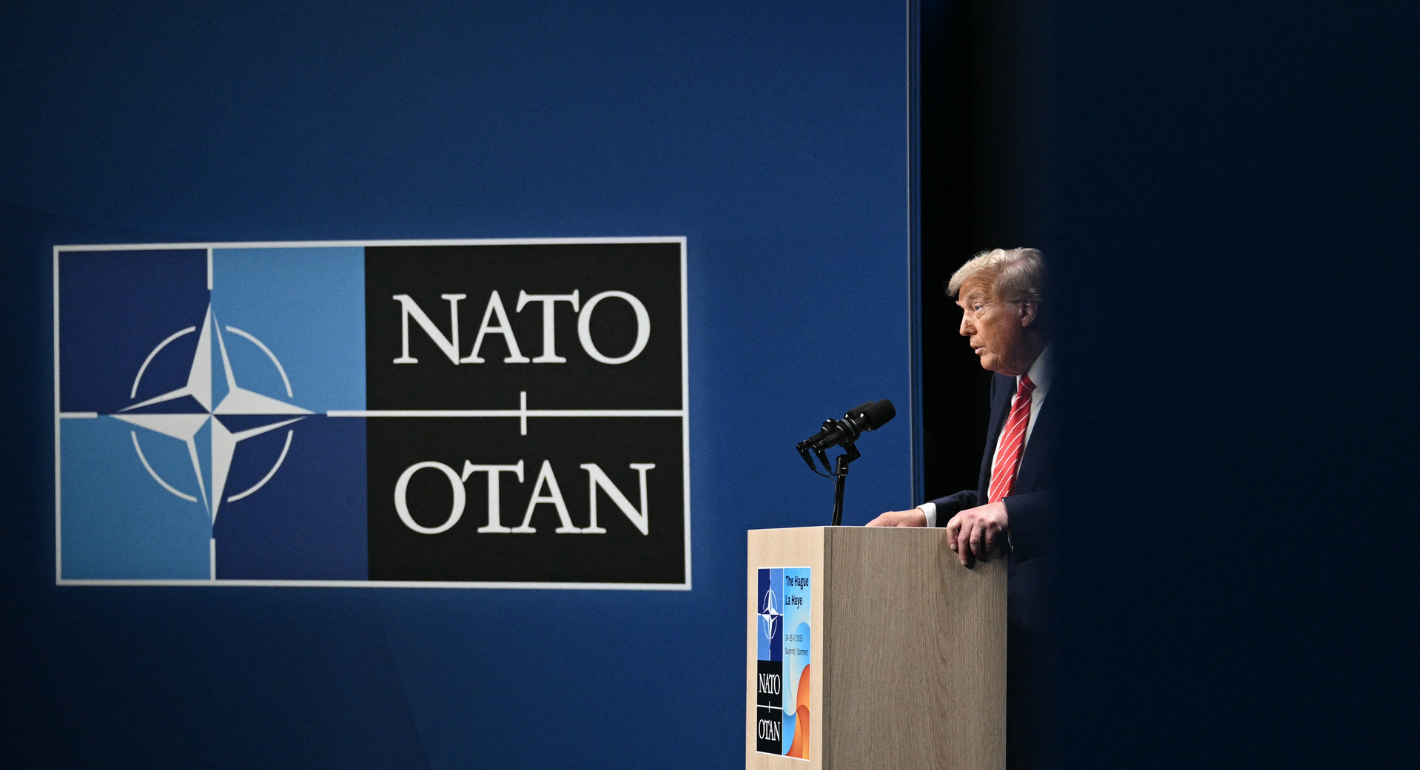
Donald Trump has repeatedly bashed NATO and European allies, threatening to annex Canada and Greenland and deploring their lack of enthusiasm for his war of choice in Iran. Is this latest round of abuse the final straw?
Rym Momtaz, ed.