

Commentary
- +2
Memduh Karakullukçu, Dmitri Trenin, Ümit Pamir, …
{
  "authors": [
    "Adnan Vatansever"
  ],
  "type": "legacyinthemedia",
  "centerAffiliationAll": "dc",
  "centers": [
    "Carnegie Endowment for International Peace",
    "Carnegie Europe",
    "Carnegie Russia Eurasia Center"
  ],
  "collections": [],
  "englishNewsletterAll": "ctw",
  "nonEnglishNewsletterAll": "",
  "primaryCenter": "Carnegie Endowment for International Peace",
  "programAffiliation": "SCP",
  "programs": [
    "Sustainability, Climate, and Geopolitics"
  ],
  "projects": [],
  "regions": [
    "Caucasus",
    "Russia",
    "Eastern Europe",
    "Western Europe",
    "Europe",
    "North America"
  ],
  "topics": [
    "Climate Change",
    "Foreign Policy"
  ]
}
Source: Getty
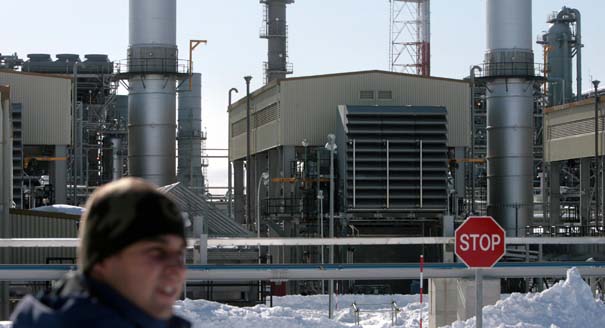
Russia’s supply of natural gas could hold the answer to Europe’s energy challenge, but a successful partnership between Russia and Europe will require greater mutual trust.
Source: European Energy Review

Europe needs to find a cost-effective approach to meet its ambitious climate objectives—cutting greenhouse gas emissions by 20 percent below 1990 levels by 2020. Improving energy efficiency will help and could deliver results at the lowest costs. But it won’t be enough. This means that Europe urgently needs to find the optimal mix of fuel—oil, natural gas, etc.—or its energy and environmental objectives will slip away.
The natural gas industry argues that it could offer a competitive solution. Eurogas, the European gas industry association, estimates that for every percentage increase in the share of gas in the European Union’s mix of fuel consumption over the next 20 years, Europe will reduce its emissions of carbon dioxide by 3 percent. Indeed, many of the old coal-fired power plants in Europe could be replaced with gas power plants—which emit almost 50 percent less carbon dioxide than coal plants—and they require little time to build and are relatively low cost.
If Europe wants to decarbonize the continent by relying more on natural gas, Russia could play a positive role just as it did in the past. At the height of the Cold War, Russia’s gas exports helped to alleviate Europe’s dependence on Middle East oil. Essentially, Moscow’s gas diplomacy served as a bridge between the two worlds separated by ideology.
For the last decade, however, the European-Russian gas partnership has run into problems. Two primary reasons stand out. The first obstacle is the “asymmetry” in European-Russian gas relations. Many Russian officials point out the mutual benefits and resulting interdependence created by the gas trade. However, this ignores the fact that one side in the value chain— Europe—is more dependent than the other. It is true that the Russian budget relies heavily on gas export revenues, but this does not change the fact that the potential costs of a gas-flow disruption for European countries would be disproportionately higher.
Choosing not to address this asymmetry could prove costly for both sides. Russia could lose export revenues as Europe looks for alternatives to meet its energy needs. Europe, on the other hand, may need to pay higher energy prices as it seeks help elsewhere to reduce its carbon footprint. Simply put, many EU policy makers will continue to equate a further shift to gas with an undesirable growing dependence on Russia. To avoid this, they will be willing to pay substantial subsidies for renewables and projects for alternative energy supplies.
The second challenge is Russia’s chronic underinvestment in its gas sector—which further increases Europeans’ reluctance to bet on (Russian) gas. This has led in part to the gradual erosion of Russia’s share in European gas imports. Gazprom’s share dropped from 43 percent in 2000 to 34 percent in 2008, and dipped even lower in the midst of the global recession last year. Norwegian gas and liquefied natural gas (LNG) helped to fill the gap as Europe’s indigenous supplies declined, requiring even larger amounts of gas imports.
To overcome these hurdles, both sides should expand the level of investment in each other’s gas sectors. Two things would make this more likely. One is a new thinking about mutual investments. By investing in European gas downstream, Russia will have even less incentive to see its gas flow interrupted. Using natural gas as a political weapon in former Soviet states will also become more costly. As a result, Europe should keep a more open mind for Russian investments. In the meantime, Russia should seek a major overhaul of the restrictive investment regime in its gas sector to encourage European companies interested in its gas potential.
But a new thinking may not be enough and may not come without a significant change in the existing set of players. Europe is more likely to perceive Russia as a partner if it starts negotiating with a more efficient, transparent, restructured, and autonomous Gazprom. Meanwhile, mutual investments should not be limited to Europe’s existing gas industry leaders. The EU’s newer members in Eastern and Central Europe—who suffer most from the unbalanced relationship—should set up a consortium to emerge as a potential new investor in Russia’s gas fields.
Meeting Europe’s climate targets will be costly and require help from multiple sources. Delaying action will only make it costlier. It’s time to reposition Russia as a partner in lowering Europe’s carbon footprint.
Former Senior Associate, Energy and Climate Program
Vatansever was a senior associate in the Energy and Climate Program where he specializes in the energy sectors of the former Soviet republics and Eastern Europe.
Recent Work
Memduh Karakullukçu, Dmitri Trenin, Ümit Pamir, …
Adnan Vatansever, Анна Корппоо
Carnegie does not take institutional positions on public policy issues; the views represented herein are those of the author(s) and do not necessarily reflect the views of Carnegie, its staff, or its trustees.
Closer EU-UK ties could help address urgent European concerns. But is the EU ready for rapprochement with the United Kingdom?

Rym Momtaz, ed.
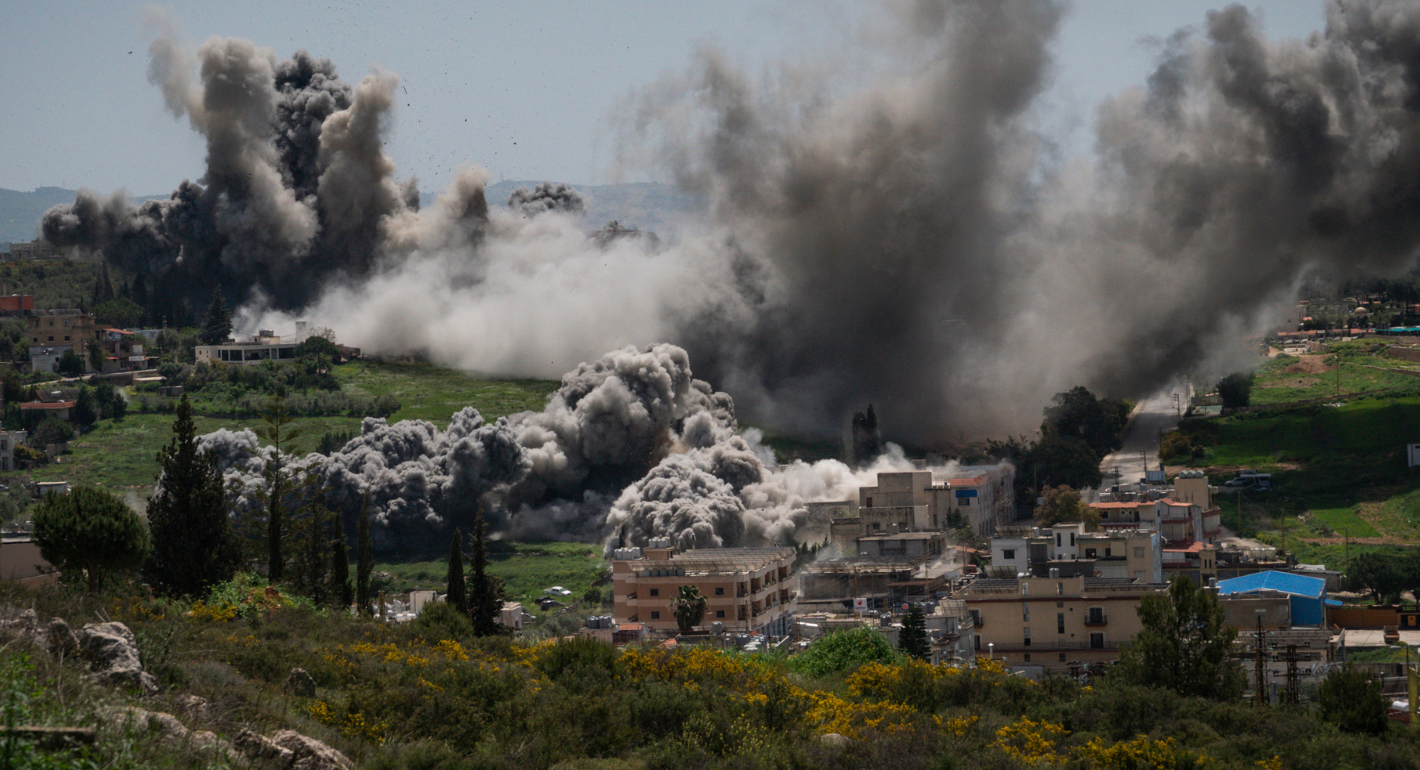
Europe has been standing by while its Southern neighborhood is being redrawn by force. To establish a path to peace between Israel and Lebanon, it’s time for Europeans to get involved with hard power.
Rym Momtaz
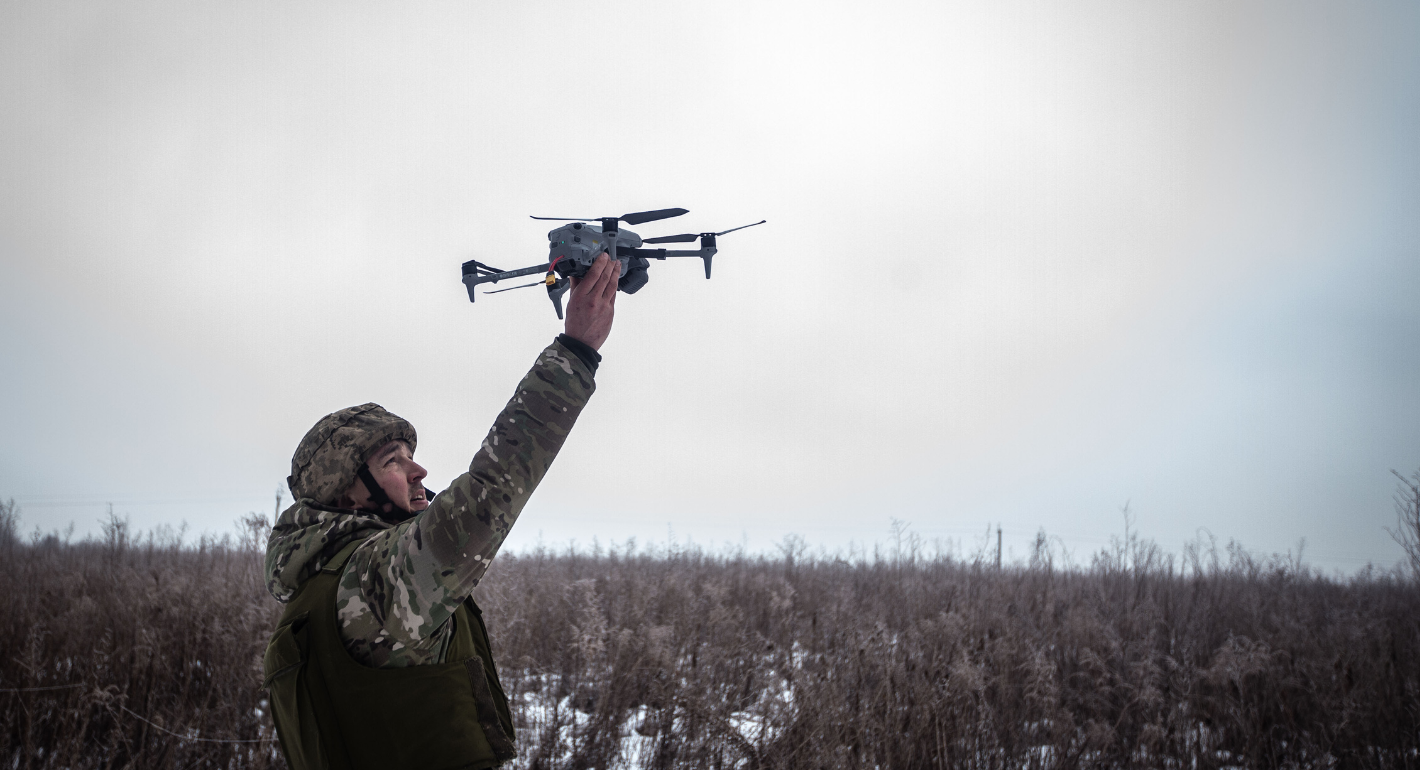
In Ukraine, Gaza, and Iran, AI warfare has come to dominate, with barely any oversight or accountability. Europe must lead the charge on the responsible use of new military technologies.

Raluca Csernatoni
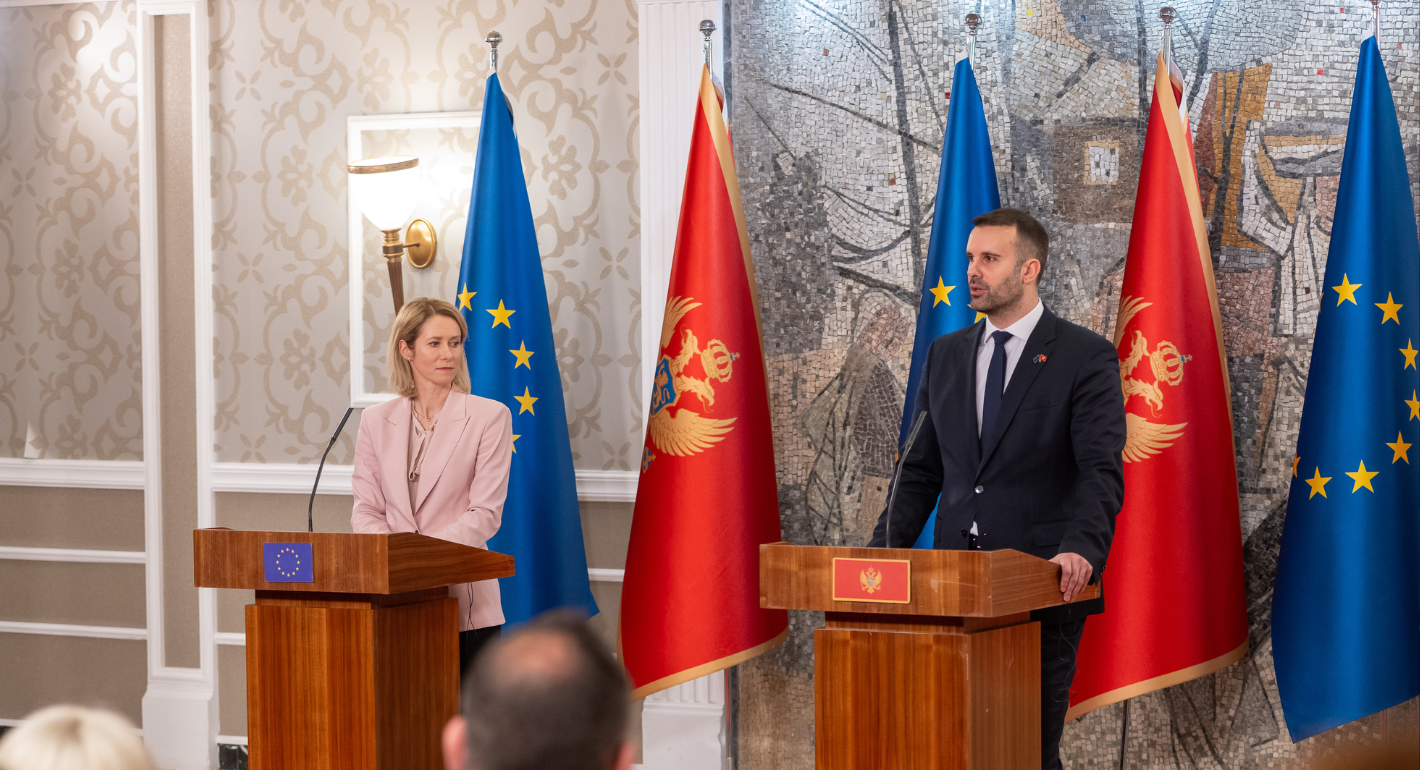
Montenegro and Albania are frontrunners for EU enlargement in the Western Balkans, but they can’t just sit back and wait. To meet their 2030 accession ambitions, they must make a strong positive case.


Dimitar Bechev, Iliriana Gjoni
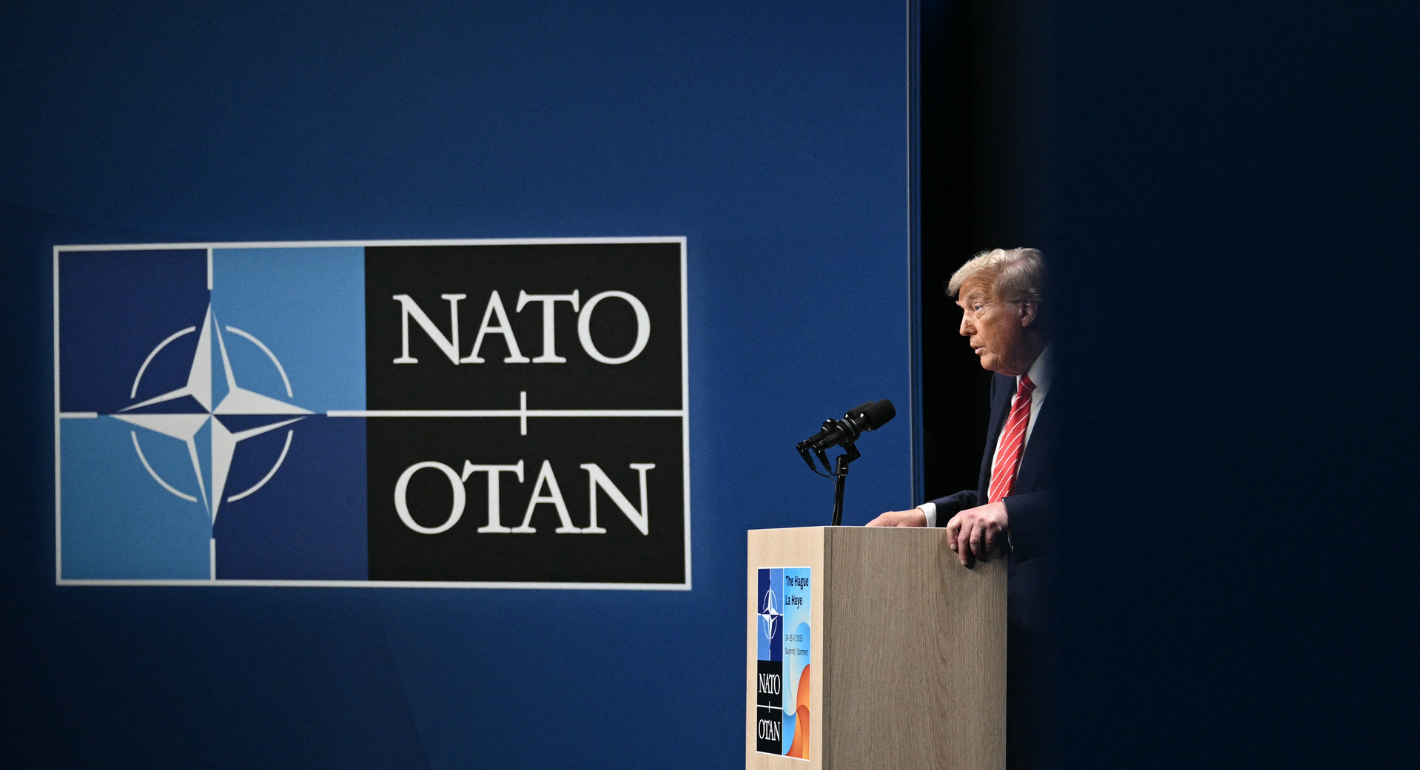
Donald Trump has repeatedly bashed NATO and European allies, threatening to annex Canada and Greenland and deploring their lack of enthusiasm for his war of choice in Iran. Is this latest round of abuse the final straw?
Rym Momtaz, ed.