

Q&A
Christopher Boucek
{
  "authors": [
    "Christopher Boucek"
  ],
  "type": "legacyinthemedia",
  "centerAffiliationAll": "dc",
  "centers": [
    "Carnegie Endowment for International Peace"
  ],
  "collections": [
    "Arab Awakening"
  ],
  "englishNewsletterAll": "menaTransitions",
  "nonEnglishNewsletterAll": "",
  "primaryCenter": "Carnegie Endowment for International Peace",
  "programAffiliation": "MEP",
  "programs": [
    "Middle East"
  ],
  "projects": [],
  "regions": [
    "Middle East",
    "Yemen"
  ],
  "topics": [
    "Political Reform"
  ]
}
Source: Getty
Yemen’s President Saleh has indicated that he is ready to relinquish power. It is important that the United States, its European partners, and Saudi Arabia assist Yemen during its critical transition period.
Source: MSNBC
The U.S. policy focus on Yemen has been largely driven by terrorism and security issues. Speaking on MSNBC’s Dylan Ratigan Show, Carnegie’s Christopher Boucek explained that “al-Qaeda has been the lens through which we view Yemen.” Yet Yemen is facing a host of systemic challenges that need to be addressed. The country suffers from chronic unemployment, corruption, a failing economy, and a population that is expected to double in twenty years. “Everything that could go wrong in Yemen is going wrong and focusing only on security ignores all the other instability,” argued Boucek. With Yemen’s President Saleh indicating that he is ready to relinquish power, it is important that the United States, its European partners, and Saudi Arabia assist Yemen during this transition period and not solely focus on counter-terrorism issues.

Former Associate, Middle East Program
Boucek was an associate in the Carnegie Middle East Program where his research focused on security challenges in the Arabian Peninsula and Northern Africa.
Recent Work
Christopher Boucek

Christopher Boucek, Karim Sadjadpour
Carnegie does not take institutional positions on public policy issues; the views represented herein are those of the author(s) and do not necessarily reflect the views of Carnegie, its staff, or its trustees.

Before the next wave of EU enlargement takes place, the union needs to grapple with thorny questions of how power is distributed among its members.


Emil Sondaj Hansen, Ditte Brasso Sørensen

As the EU confronts profound challenges, several leaders have called for fundamental reform to the union’s model—but only modest, superficial changes have resulted. What if Europe really could be reimagined from zero today: What should such a redesigned European order look like?

Richard Youngs, ed.

The EU’s new migration policy is not suited to today’s realities. With climate change increasingly becoming a driver of displacement, Europe needs to rethink its deterrence-focused approach.

Shana Tabak
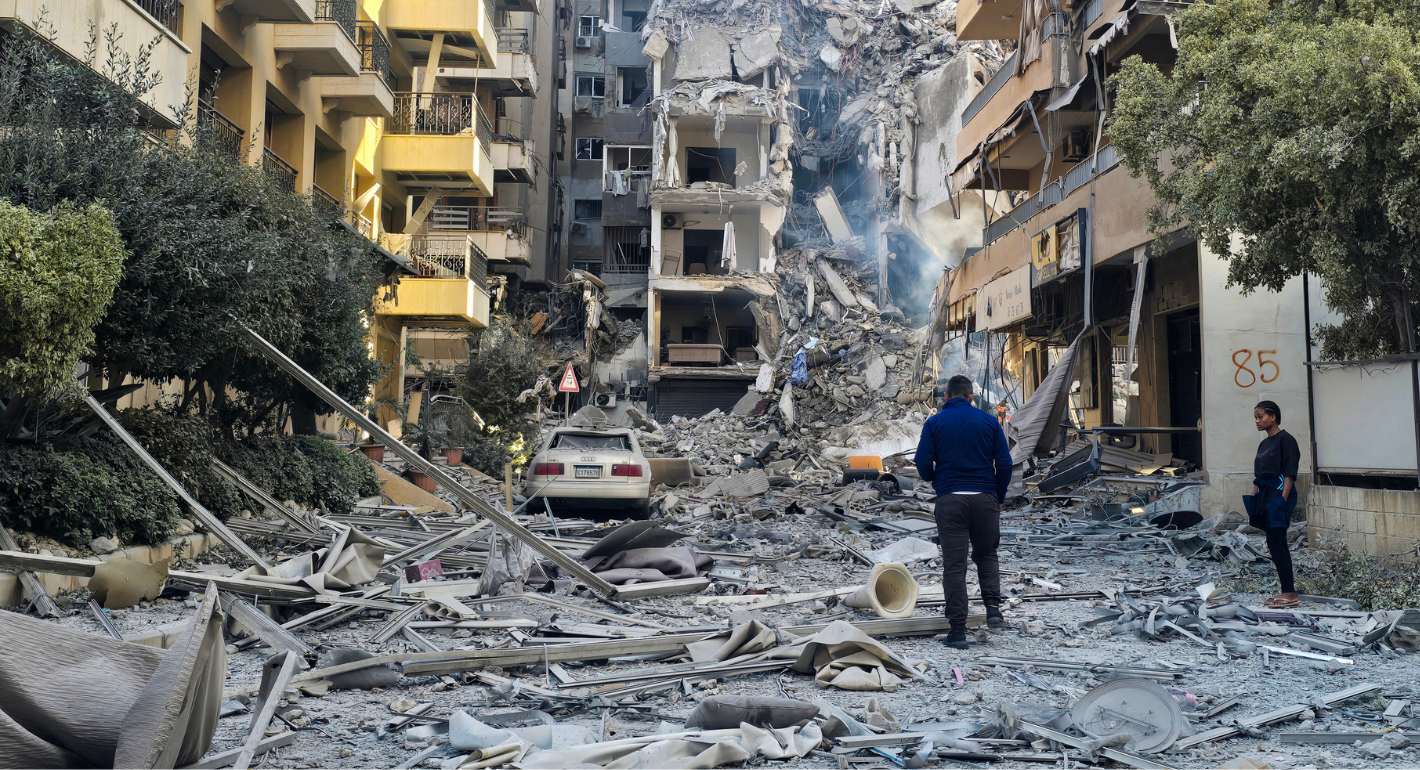
Europe seems to have accepted its sidelining in the Middle East. The EU must reassert its support for the international rules-based order and step up engagement.

Rym Momtaz
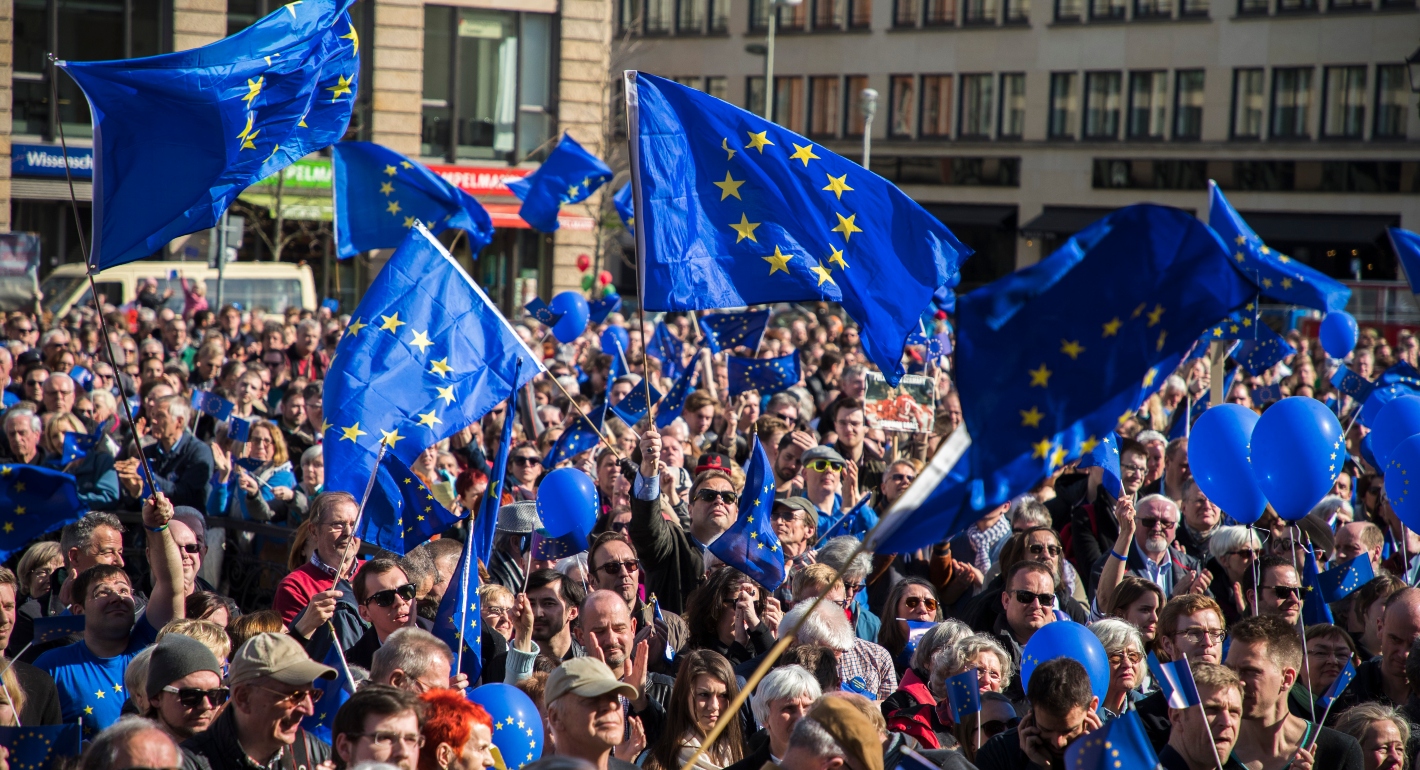
Preparing candidate countries for EU membership is no longer enough. As the enlargement process becomes a reality, the union must also prepare its own societies.

Iliriana Gjoni