

Q&A
Christopher Boucek
{
  "authors": [
    "Christopher Boucek"
  ],
  "type": "legacyinthemedia",
  "centerAffiliationAll": "dc",
  "centers": [
    "Carnegie Endowment for International Peace"
  ],
  "collections": [
    "Arab Awakening"
  ],
  "englishNewsletterAll": "menaTransitions",
  "nonEnglishNewsletterAll": "",
  "primaryCenter": "Carnegie Endowment for International Peace",
  "programAffiliation": "MEP",
  "programs": [
    "Middle East"
  ],
  "projects": [],
  "regions": [
    "Middle East",
    "Yemen"
  ],
  "topics": [
    "Political Reform"
  ]
}
Source: Getty
In a negotiated settlement to the political crisis and power struggle occurring in Yemen, the youth protesters who first took to the streets are likely to be cut out of any final deal, which will be made by the political elites.
Source: Viewpoint with James Zogby
The assassination attempt on Yemeni President Ali Abdullah Saleh, which resulted in his leaving the country for medical attention in Saudi Arabia, has only further complicated the political crisis in Yemen, explained Carnegie’s Christopher Boucek on Viewpoint with James Zogby. Boucek pointed out that the Yemeni constitution does not have a provision for what to do if the President is incapacitated. “The big question is whether the regime and Saleh’s son and nephews, who run the military, will be willing to give up power,” he said.
Further complicating the power struggle in Yemen is the variety of actors involved. Those who initially came out to protest--the youth, civil society, and human rights activists--were galvanized by similar issues as protesters in Egypt and Tunisia. They were eventually joined by the official opposition parties, known as the Joint Meeting Parties (JMP). Finally, elites outside of government, particularly from the al Ahmar family, have also entered the fray, introducing a new element of violence. Ultimately, said Boucek, “the youth are likely to get cut out when elites come together to make a deal and decided the political fate of Yemen.”

Former Associate, Middle East Program
Boucek was an associate in the Carnegie Middle East Program where his research focused on security challenges in the Arabian Peninsula and Northern Africa.
Recent Work
Christopher Boucek

Christopher Boucek, Karim Sadjadpour
Carnegie does not take institutional positions on public policy issues; the views represented herein are those of the author(s) and do not necessarily reflect the views of Carnegie, its staff, or its trustees.
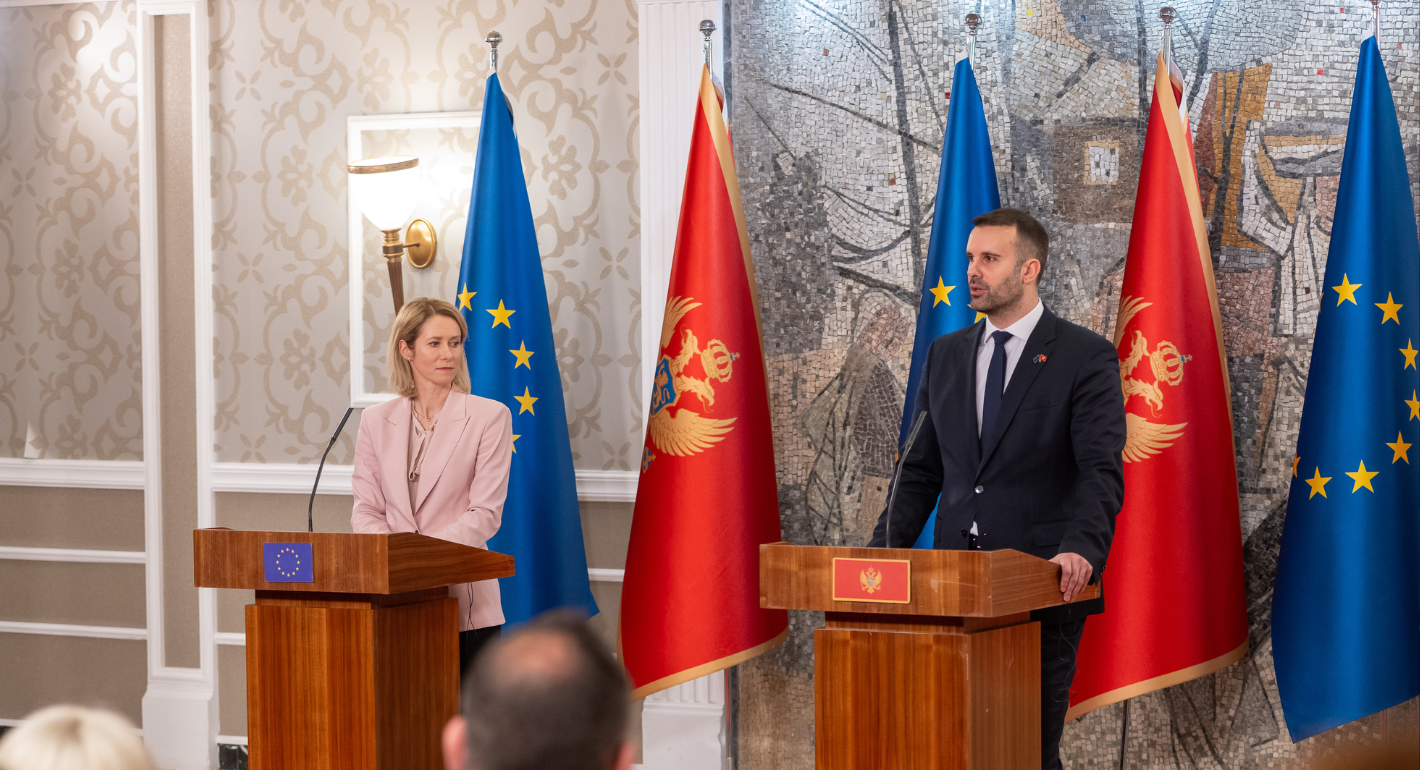
Montenegro and Albania are frontrunners for EU enlargement in the Western Balkans, but they can’t just sit back and wait. To meet their 2030 accession ambitions, they must make a strong positive case.


Dimitar Bechev, Iliriana Gjoni
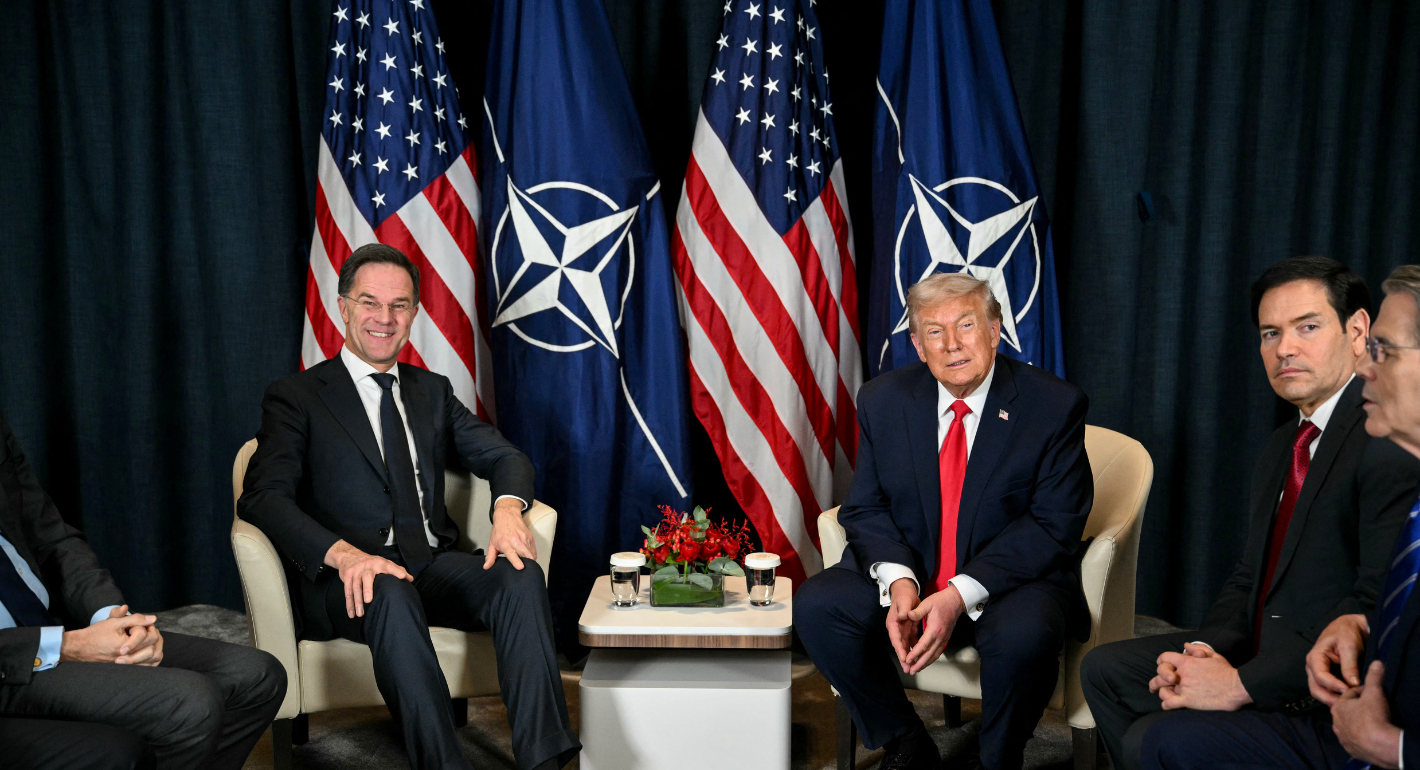
Donald Trump has demanded that European allies send ships to the Strait of Hormuz while his war of choice in Iran rages on. He has constantly berated NATO while the alliance’s secretary-general has emphatically supported him.

Rym Momtaz, ed.
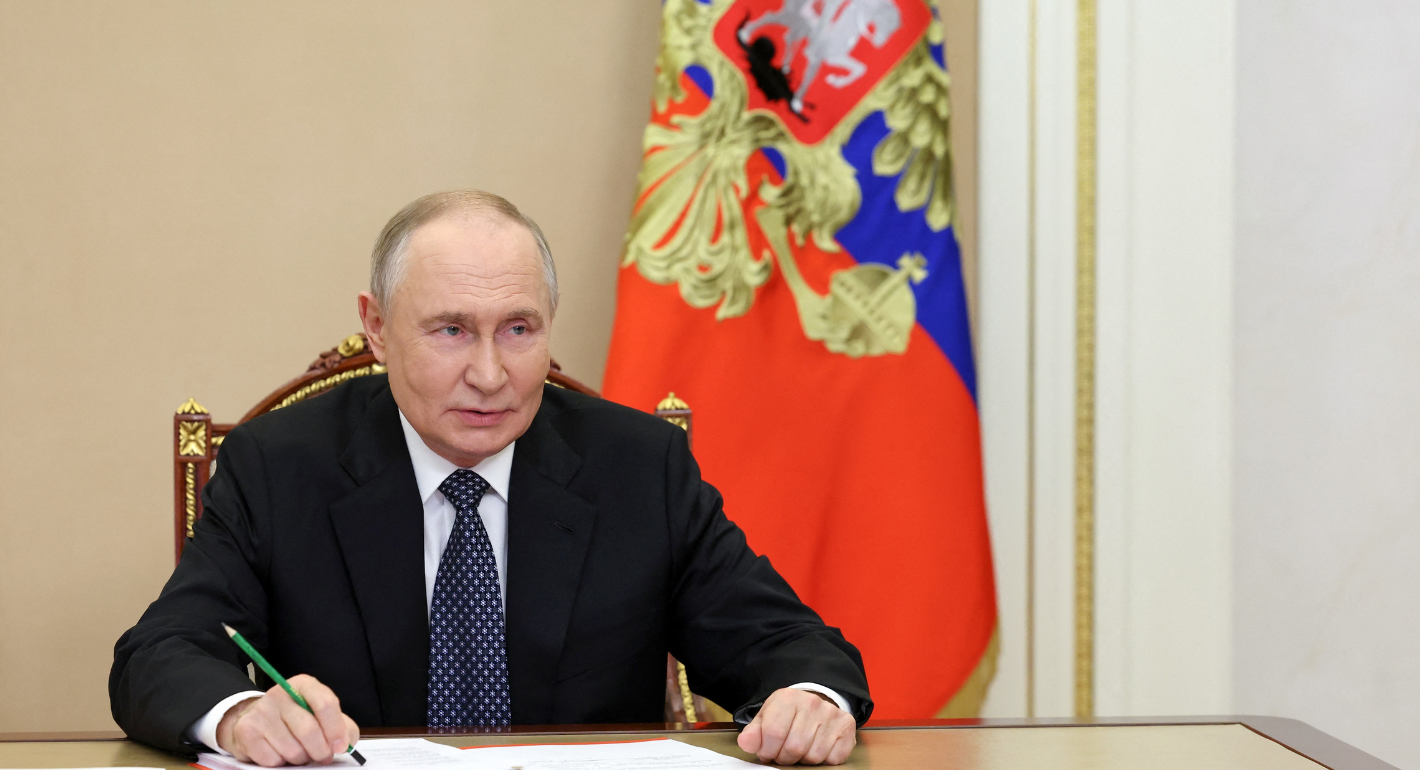
The war in Ukraine is costing Russia its leverage overseas. Across the South Caucasus and Middle East, this presents an opportunity for Europe to pick up the pieces and claim its own sphere of influence.

William Dixon, Maksym Beznosiuk
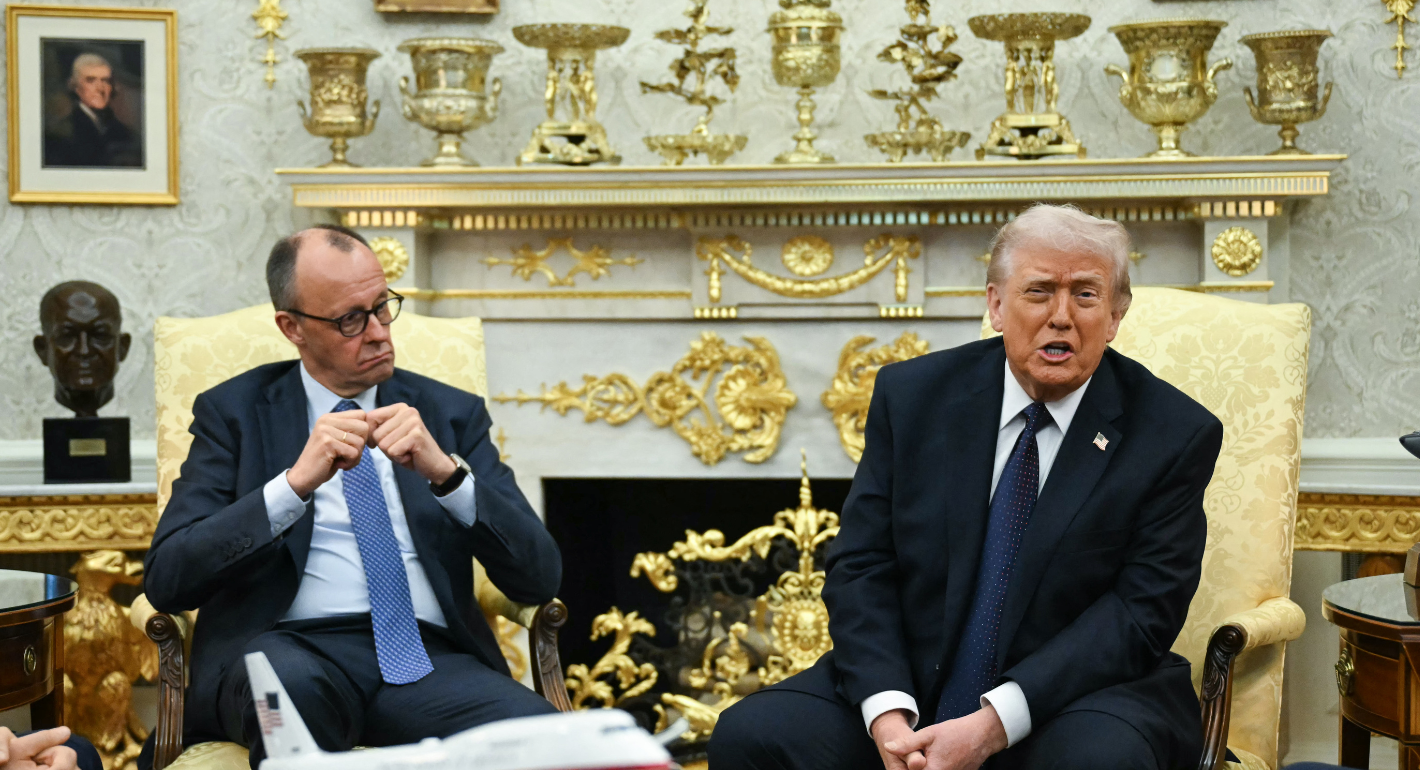
European reactions to the war in Iran have lost sight of wider political dynamics. The EU must position itself for the next phase of the crisis without giving up on its principles.

Richard Youngs
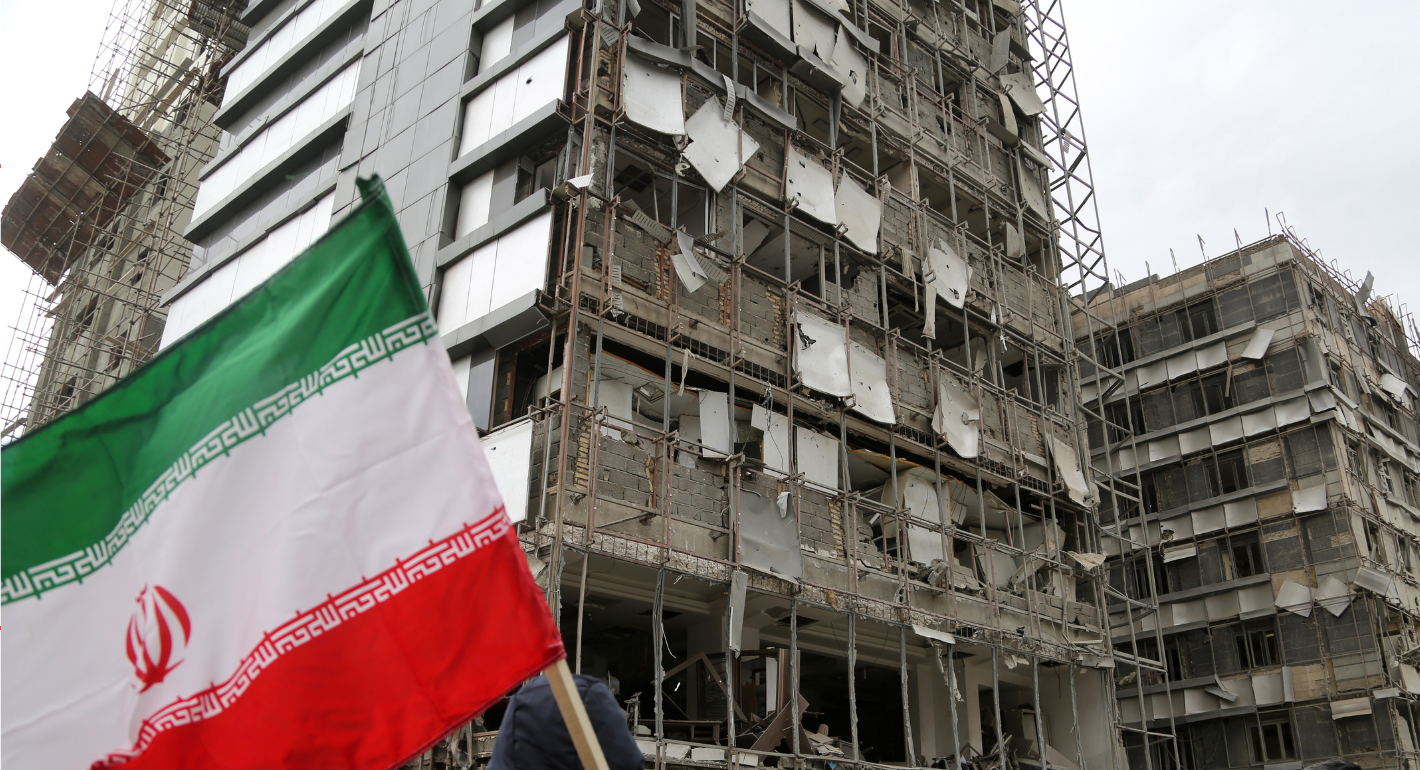
Europe’s reaction to the war in Iran has been disunited and meek, a far cry from its previously leading role in diplomacy with Tehran. To avoid being condemned to the sidelines while escalation continues, Brussels needs to stand up for international law.

Pierre Vimont