

Article
Thomas de Waal
{
  "authors": [
    "Thomas de Waal"
  ],
  "type": "testimony",
  "centerAffiliationAll": "dc",
  "centers": [
    "Carnegie Endowment for International Peace",
    "Carnegie Europe"
  ],
  "collections": [],
  "englishNewsletterAll": "ctw",
  "nonEnglishNewsletterAll": "",
  "primaryCenter": "Carnegie Europe",
  "programAffiliation": "russia",
  "programs": [
    "Russia and Eurasia"
  ],
  "projects": [],
  "regions": [
    "Caucasus",
    "Azerbaijan",
    "Armenia",
    "Georgia"
  ],
  "topics": [
    "Political Reform"
  ]
}
Source: Getty
After twenty years of independence, the countries of the South Caucasus have yet to become truly democratic and pluralistic societies.
Source: U.S. Helsinki Commission
In a briefing at the U.S. Helsinki Commission, Carnegie’s Thomas de Waal commented on the upcoming elections and the state of democracy in the South Caucasus. The governments of Armenia, Azerbaijan, and Georgia, he argued, resemble the Russian model of “a one-party state with managed democracy.” He added that “Azerbaijan is the most authoritarian and Georgia the most democratic, with Armenia somewhere in between.” De Waal described elections as an important “health-check on the state of democracy in these countries” but also pointed to bigger problems in each country’s political culture.
Instead of focusing exclusively on elections, he suggested that “widening the whole political space” would help create more pluralistic societies. Given the “big gap between what happens in the capital and in the rest of the country,” different strategies for capital cities and provinces are necessary. Independent media remains underdeveloped and stifled, while state “media and in particular television, which is the overwhelmingly dominant medium of news coverage, shape the political narrative in favor of the governing administration,” de Waal concluded.

Senior Fellow, Carnegie Europe
Thomas de Waal is a senior fellow at Carnegie Europe, specializing in Eastern Europe and the Caucasus.
Recent Work
Thomas de Waal
Thomas de Waal
Carnegie does not take institutional positions on public policy issues; the views represented herein are those of the author(s) and do not necessarily reflect the views of Carnegie, its staff, or its trustees.

As the EU confronts profound challenges, several leaders have called for fundamental reform to the union’s model—but only modest, superficial changes have resulted. What if Europe really could be reimagined from zero today: What should such a redesigned European order look like?

Richard Youngs, ed.
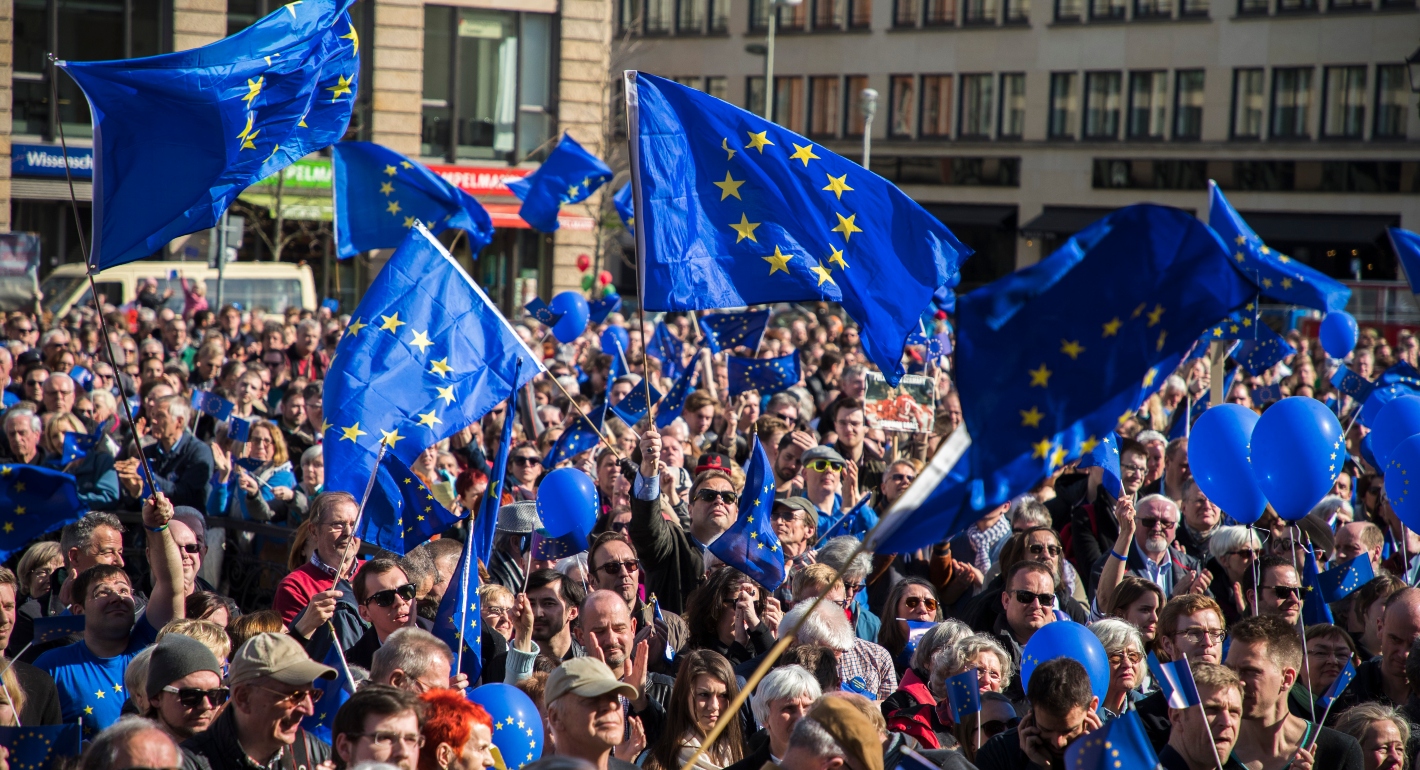
Preparing candidate countries for EU membership is no longer enough. As the enlargement process becomes a reality, the union must also prepare its own societies.

Iliriana Gjoni
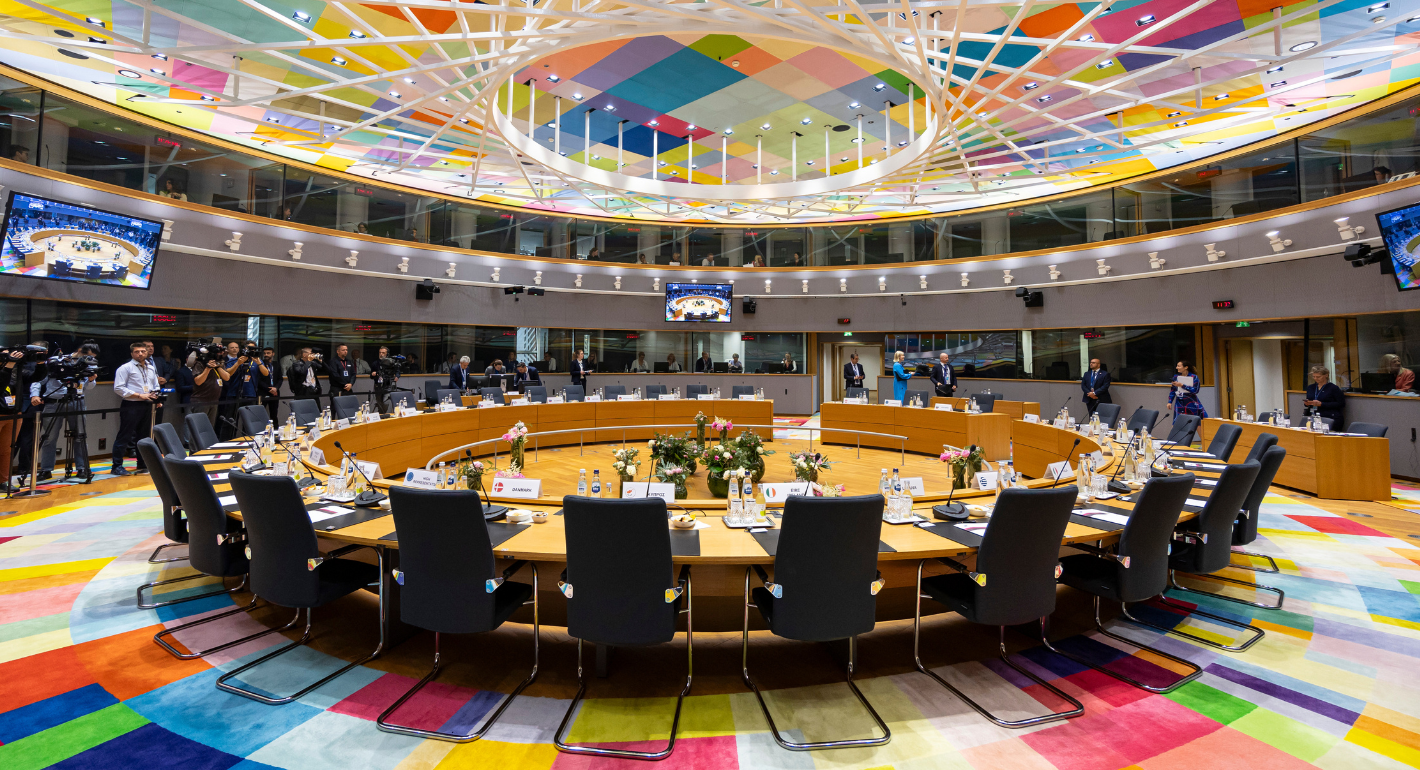
Countries face several hurdles in joining the EU, including the final stage of ratifying their accession treaties. Procedural reforms and substantive adjustments could help move the process forward.

Stefan Lehne
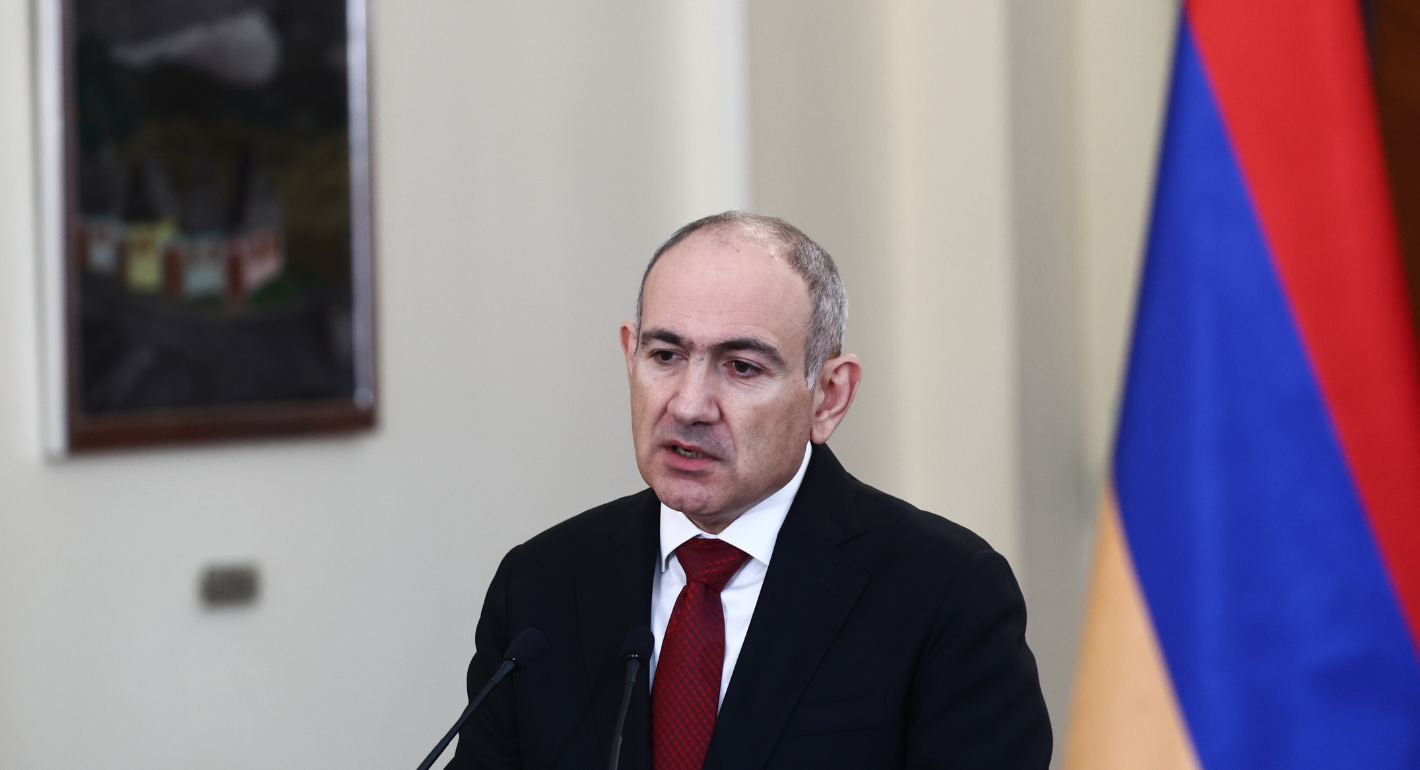
Europe has an interest in supporting Armenian leader Nikol Pashinyan as he tries to make peace with neighbors and loosen ties with Russia. But it is depersonalized support in the long term, not quickfire flash, that will win the day.
Thomas de Waal

Montenegro and Albania are frontrunners for EU enlargement in the Western Balkans, but they can’t just sit back and wait. To meet their 2030 accession ambitions, they must make a strong positive case.

Dimitar Bechev, Iliriana Gjoni