

Commentary
Judy Dempsey
{
  "authors": [
    "Judy Dempsey"
  ],
  "type": "legacyinthemedia",
  "centerAffiliationAll": "",
  "centers": [
    "Carnegie Endowment for International Peace",
    "Carnegie Europe",
    "Carnegie China"
  ],
  "collections": [
    "China’s Foreign Relations"
  ],
  "englishNewsletterAll": "",
  "nonEnglishNewsletterAll": "",
  "primaryCenter": "Carnegie Europe",
  "programAffiliation": "",
  "programs": [],
  "projects": [],
  "regions": [
    "Asia",
    "Europe"
  ],
  "topics": [
    "Foreign Policy",
    "EU",
    "Economy"
  ]
}
Source: Getty
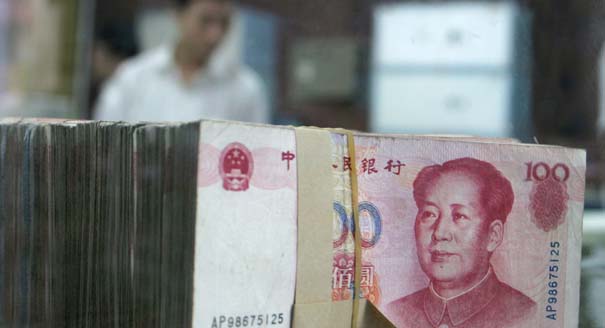
European Union nations are increasingly making their own bilateral deals with China, damaging the unifying efforts of the E.U. trade commissioner.
Source: New York Times

The issues are well known. For European companies, they include the protection of intellectual property rights, ending the dumping of Chinese goods on European markets and coming clean about the generous state subsidies given to Chinese firms when they bid for contracts or snap up European companies.
Mr. De Gucht is no pushover when it comes to dealing with China. But because of the euro crisis, E.U. countries are increasingly going it alone with China and ignoring the E.U. Commission. Big and small member states are vying with each other to win business in China and to attract Chinese investments in their own countries.It’s as if all the downsides of doing business with China have been forgotten.
Here in Germany, the small and midsize companies known as the Mittelstand, which in the past complained about the difficulties of doing business in China, now play down problems like red tape and corruption. Given the economic climate, they prefer to lie low rather than speak out.
Some of the big German companies, including the carmakers, do speak out from time to time. They are weighty enough, and they have the ear of Chancellor Angela Merkel, who was in China last week, a visit I discuss in this week’s Letter from Europe.
Ms. Merkel used to be much more confrontational with China, calling often for more respect of human rights and press freedoms. She wants a strong economy and jobs to prevail in Germany over the next 12 months before the next federal elections. China can oblige.
Such attitudes do not help Mr. De Gucht, as national interests are prevailing in ways that prevent Europe from having a strong and united position in how to deal with China. Beijing can only be smiling.

Nonresident Senior Fellow, Carnegie Europe
Judy Dempsey is a nonresident senior fellow at Carnegie Europe
Recent Work
Judy Dempsey
Judy Dempsey
Carnegie does not take institutional positions on public policy issues; the views represented herein are those of the author(s) and do not necessarily reflect the views of Carnegie, its staff, or its trustees.
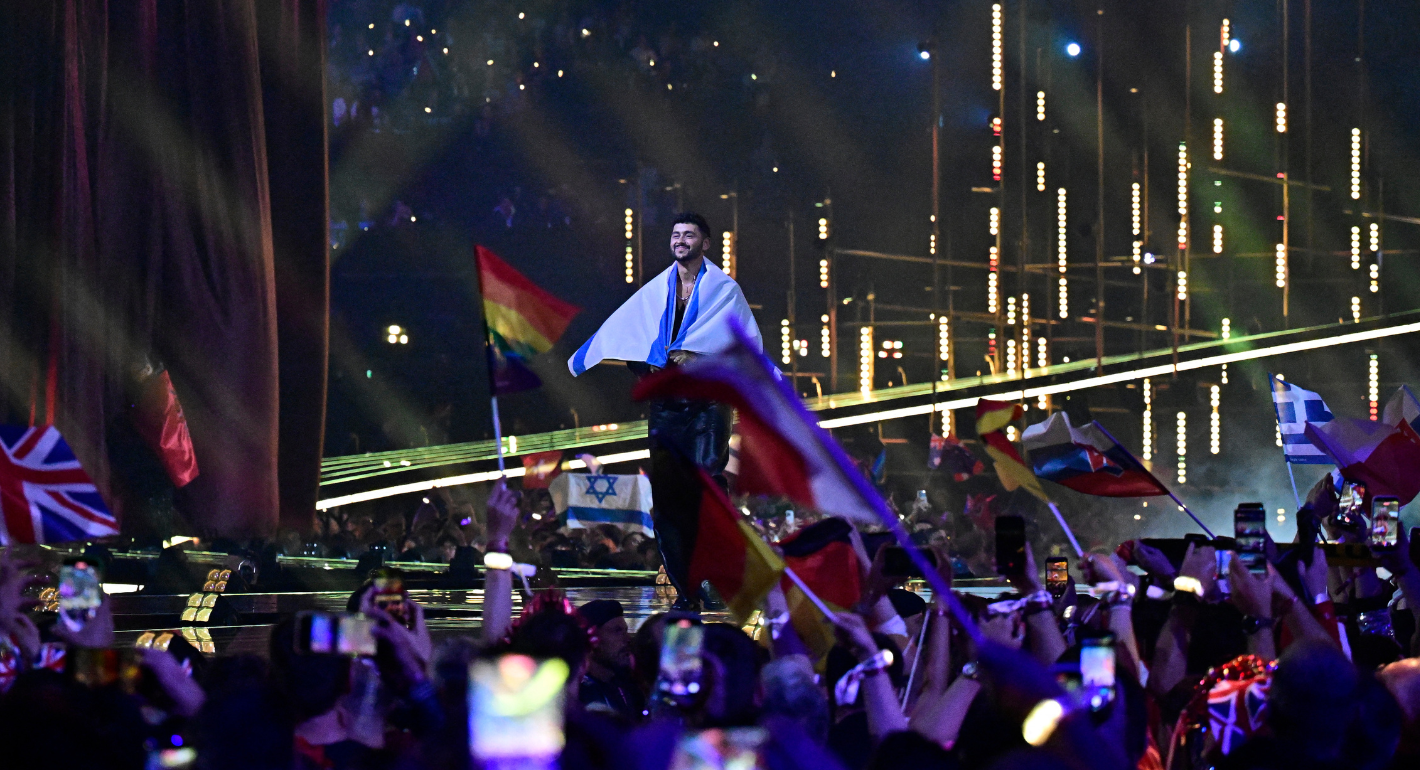
Five countries staged the biggest political boycott in Eurovision history over Israel’s participation. With the FIFA World Cup and other sporting or cultural touchstones on the horizon, are boycotts effective?

Rym Momtaz, ed.
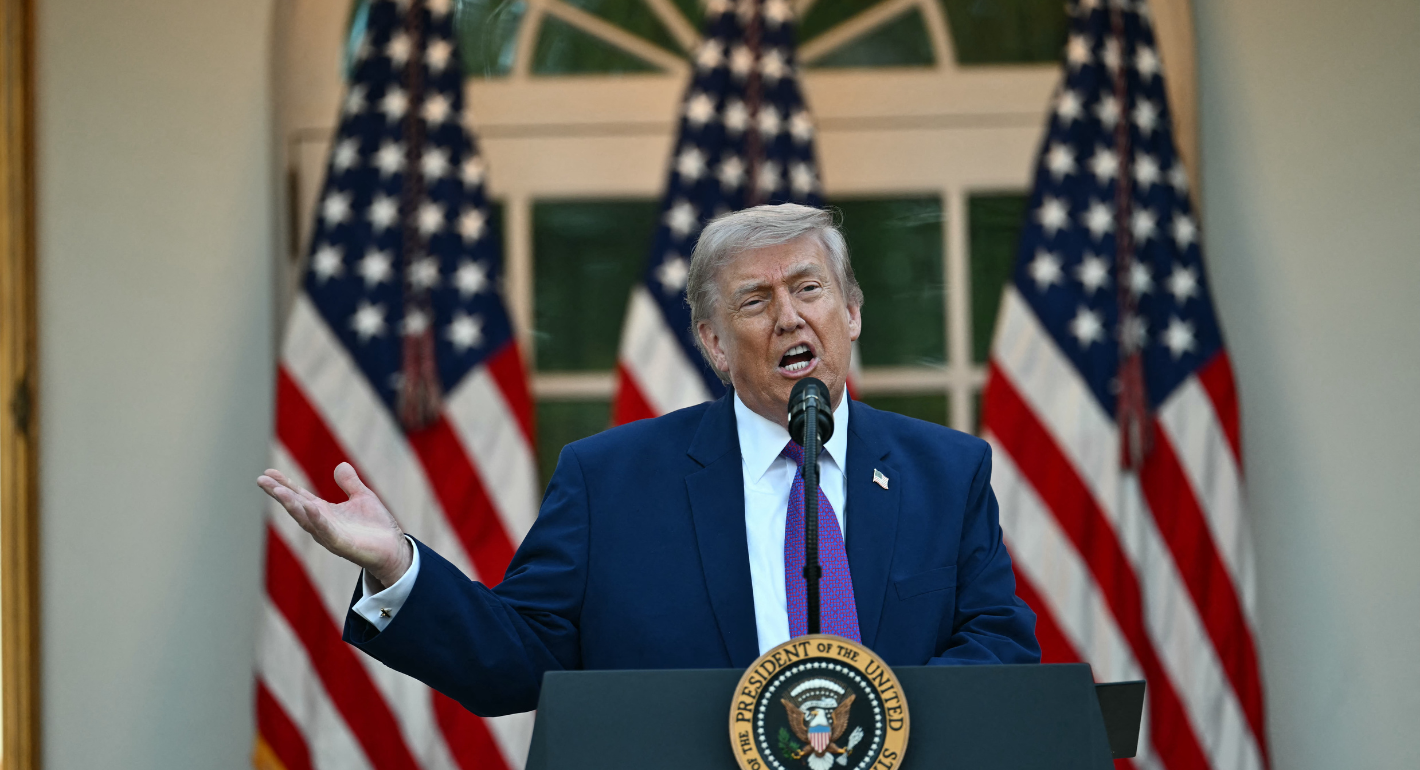
The full list of humiliations Europe has endured since Donald Trump returned to the White House makes for grim reading. But Washington’s adversarial approach to its allies undermines its own power base.
Rym Momtaz
The closure of the Strait of Hormuz has triggered a global energy crisis, but Europe is stuck in reaction mode. Without more strategic foresight, the EU will remain dependent on fossil fuels and will never be truly secure.


Milo McBride, Pauline Gerard
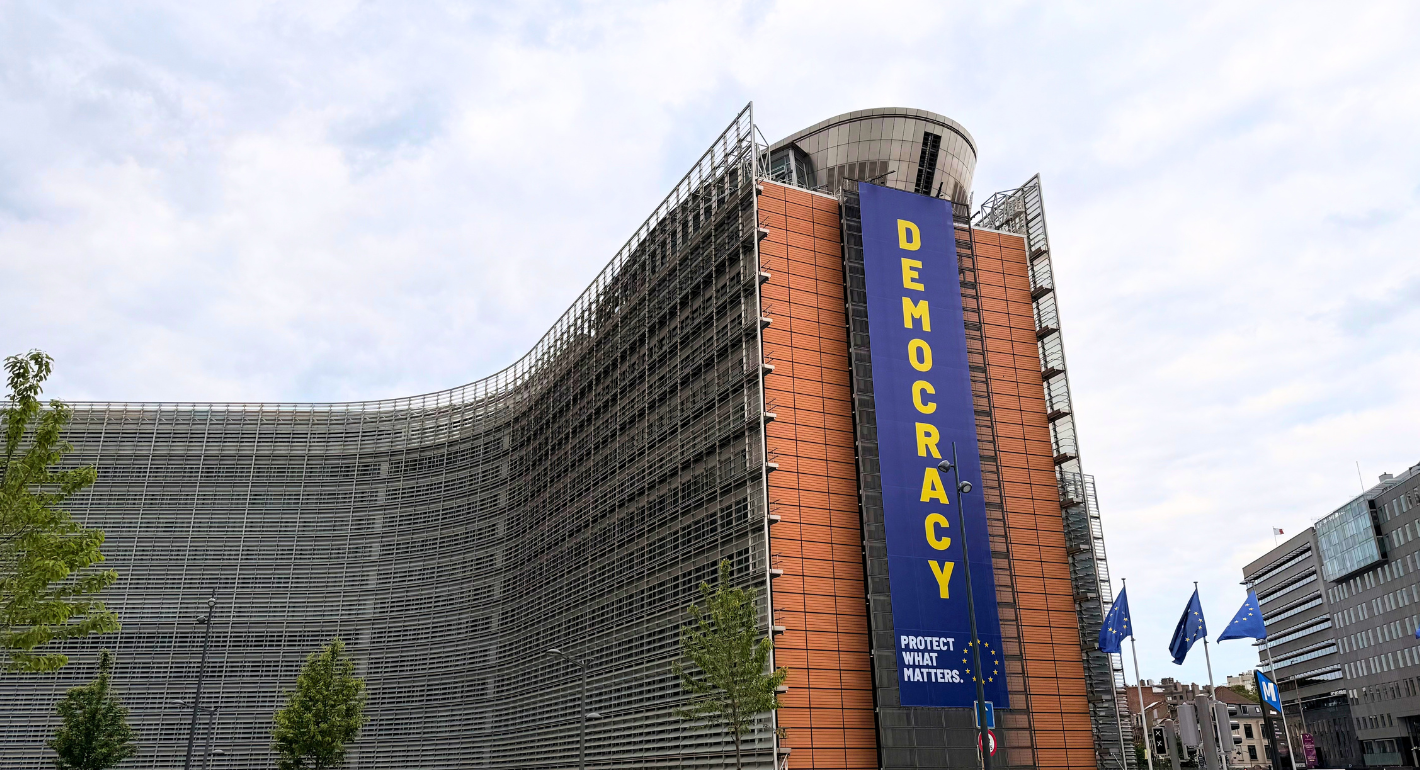
Debate is heating up on how Turkey could be integrated into a common European defense framework. Commercial and industrial deals offer a better chance at alignment than sweeping political efforts.

Marc Pierini
After spending much of 2025 trying to placate Donald Trump, some European leaders are starting to change posture. But is even a hostile Washington still so important to Europe that the U.S. president’s outbursts are worth putting up with?
Rym Momtaz, ed.