

Commentary
Uri Dadush
{
  "authors": [
    "Uri Dadush"
  ],
  "type": "legacyinthemedia",
  "centerAffiliationAll": "",
  "centers": [
    "Carnegie Endowment for International Peace"
  ],
  "collections": [],
  "englishNewsletterAll": "",
  "nonEnglishNewsletterAll": "",
  "primaryCenter": "Carnegie Endowment for International Peace",
  "programAffiliation": "",
  "programs": [],
  "projects": [],
  "regions": [
    "North America",
    "United States",
    "Western Europe"
  ],
  "topics": [
    "Economy",
    "Trade"
  ]
}
Source: Getty
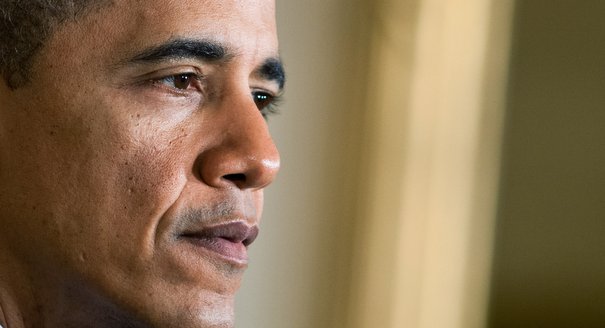
The prospects that the United States will find a solution for the fiscal cliff’s impending tax increases and spending cuts seem promising.
Source: ABC (Australia)

Uri Dadush, Director, Carnegie International Economics Program: Thank you for having me.
Ticky Fullerton: Now overnight Republican speaker John Boehner was making positive noises about the fiscal cliff and indeed the president himself was suggesting that perhaps the whole thing could be resolved within about four weeks.
Uri Dadush: I certainly hope that this will happen. It's very, very difficult to predict with any precision how they will come out, but I think there's a good likelihood that they will arrive at some kind of compromise. But very likely that's not going to be enough and more will have to be done in terms of some adjustment of the tax rates, particularly on the wealthier Americans, in exchange for some reductions in social security and Medicare.
Ticky Fullerton: Even if there is compromise, we still have unsustainable levels of debt in the United States. Do you see more fiscal cliffs looming down the track?
Uri Dadush: Yes, this is the beginning of the story. What we are - what we've had now for many years is we've had very large fiscal expansions and deficits caused by the recession and the reaction to the recession. The United States is just beginning the process of fiscal consolidation.
It's difficult to see right now the - a leadership coalesce in the United States in the sense of a consensus about how to deal with the very serious fiscal issues and inequality issues that confront the United States. And maybe it is going to take another election or two before both parties recognise that - and particularly the Republicans, frankly, that have lost out in the most recent one - realise that they're going to have to move to the centre in order for the country to move forward and for them to remain a credible force in American politics.
Ticky Fullerton: But do you think the US is headed in the right direction?
Uri Dadush: No, I'm not sure that it is yet. I think we'll have a much better idea of that in about three months' time as we see how the negotiations proceed.
Ticky Fullerton: How do you think the president's second term agenda will differ from his first one?
Uri Dadush: I think actually there's going to be a lot of continuity, but there will be some shifts. I think it is more likely that the president will take some risks, in particular in his the negotiations, perhaps take a tougher stance.
Also I would expect there to be more attention paid to trade policy because that's an important area for growth. It's been languishing for many years and it is grounds where the Republicans and the administration can find, can find ground to work together. So on things like the TPP, Trans-Pacific Partnership, perhaps a EU-US agreement.
Ticky Fullerton: Given the trade backdrop, what do you make of currency wars with safe havens like Japan continuing to protect their currencies while there's easing going on elsewhere?
Uri Dadush: I really think the whole currency war issue is vastly overplayed in the media and amongst interested politicians. I think that the key drivers of US and indeed EU monetary policies are domestic conditions and not trying to drive down their currency.
Ticky Fullerton: Hopping over to Europe, Greece has secured its third bailout. What do you make of the IMF's position in terms of Greece's ability to pay down its debt?
Uri Dadush: Well I actually think that the IMF has been playing a constructive role here because the IMF knows, as do a lot of independent observers, and indeed I believe the European core powers themselves know that Greece's debt is unsustainable and fundamentally unpayable. And so, the IMF has insisted on measures to do more to reduce the debt of Greece as part of the current arrangement. And I think they have succeeded to a degree.
Ticky Fullerton: Do you see European nations, especially Germany, having to take a haircut on loans, because all this is new lending we're talking about, isn't it?
Uri Dadush: Oh, yes, yes, I do, I do. All those countries are going to have to take a haircut on Greek debt. They already have of course to a degree, but - and they will have to take more.
But the issue is when is this politically feasible? And right now Germans are very concerned about their election a year from now about the domestic public opinion and that's part what of what explains the debates and the tensions over the deal, but I think everybody knows that in the end for Greece to stay in the euro, there is going to have to be more haircuts.
Ticky Fullerton: Dr Uri Dadush, it's very good to get your perspective. Thank you very much.
Uri Dadush: Thank you.
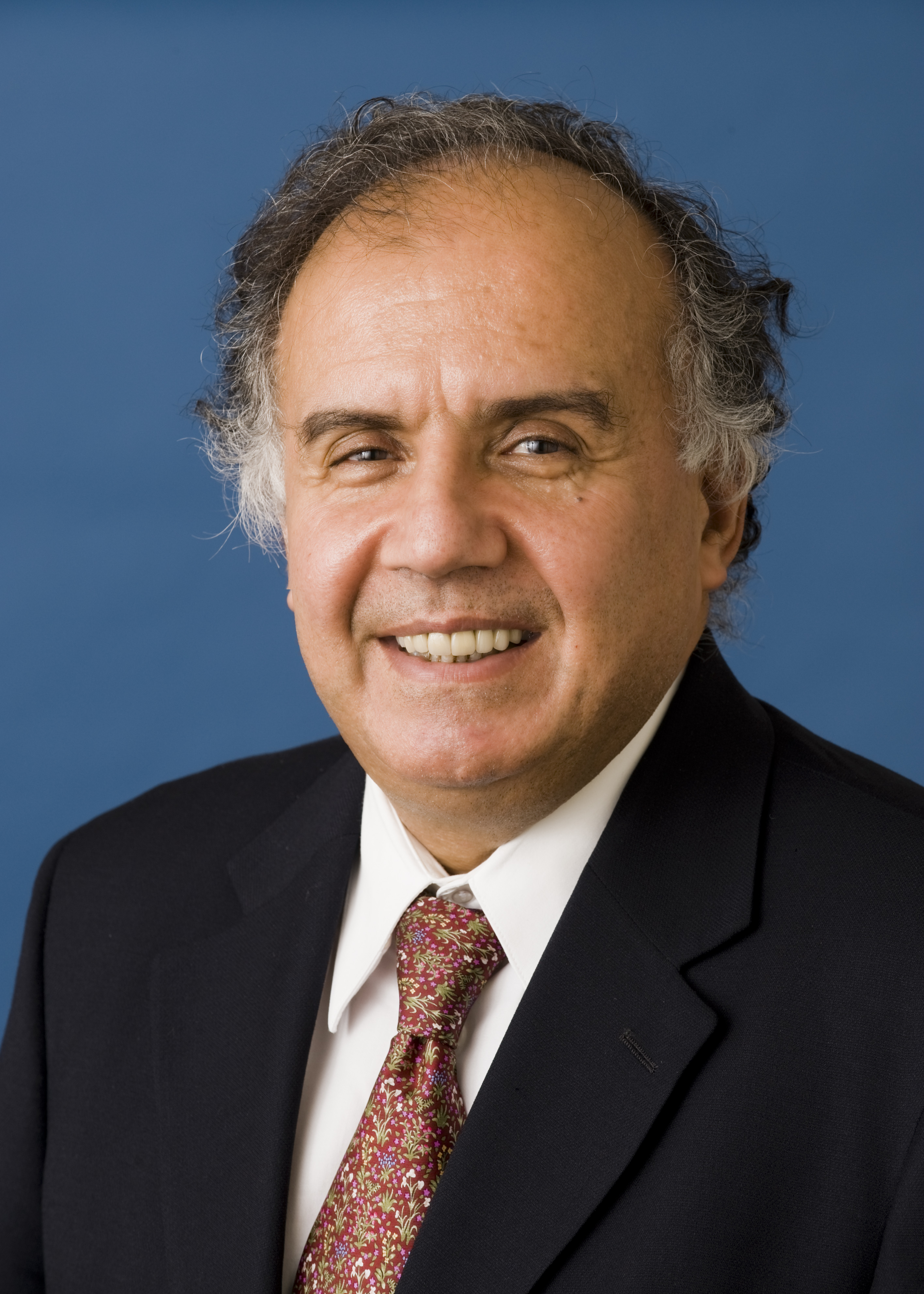
Former Senior Associate, International Economics Program
Dadush was a senior associate at the Carnegie Endowment for International Peace. He focuses on trends in the global economy and is currently tracking developments in the eurozone crisis.
Recent Work
Uri Dadush
Uri Dadush
Carnegie does not take institutional positions on public policy issues; the views represented herein are those of the author(s) and do not necessarily reflect the views of Carnegie, its staff, or its trustees.

The EU can impose sanctions but struggles to enforce them without the United States. With Washington increasingly disinterested in backing European interests, the bloc must now fend for itself.


Nicu Popescu, Tiago Antunes

With its public finances in shambles, the far right polling at 35 percent ahead of the 2027 presidential election, and a growing protest movement, is France’s crisis a threat to the EU’s geopolitical awakening?

Rym Momtaz, ed.

Ahead of a tough winter for Ukraine, Donald Trump’s swing back toward Russia bodes ill. But instead of panicking, Kyiv’s European allies are focusing on action.
Rym Momtaz

While the EU and European governments are embracing the much-lauded middle-power moment, this entails three difficult conundrums.

Richard Youngs

Europe is facing rising populism internally as well as external pressures from Russia, China, Turkey, and the United States.

Dimitar Bechev