

Article
Stefan Lehne
{
  "authors": [
    "Stefan Lehne"
  ],
  "type": "legacyinthemedia",
  "centerAffiliationAll": "",
  "centers": [
    "Carnegie Endowment for International Peace",
    "Carnegie Europe"
  ],
  "collections": [
    "Europe’s Eastern Neighborhood",
    "EU Integration and Enlargement"
  ],
  "englishNewsletterAll": "",
  "nonEnglishNewsletterAll": "",
  "primaryCenter": "Carnegie Europe",
  "programAffiliation": "",
  "programs": [],
  "projects": [],
  "regions": [
    "Europe",
    "Eastern Europe",
    "Western Europe"
  ],
  "topics": [
    "Foreign Policy",
    "EU",
    "Political Reform"
  ]
}
Source: Getty
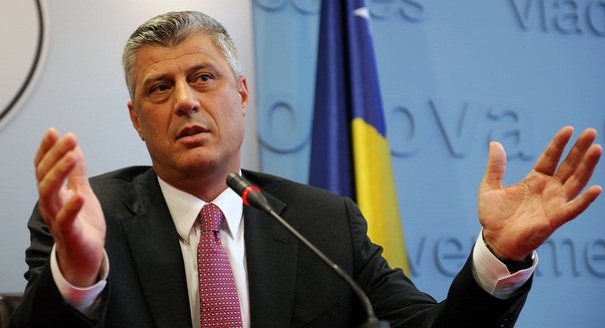
Serbia and Kosovo agreed last month to exchange envoys for the first time in response to a broader European Union push for the two to improve relations.
Source: World Politics Review

Stefan Lehne: Whatever their differences on the status issue, Serbia and Kosovo will always be neighbors. Every day there will be problems to sort out between them and gains to be had through cooperation. Exchanging liaison officers will facilitate direct communication and allow this complex relationship to run more smoothly. Of course, this arrangement is only one achievement of the dialogue mediated by EU foreign affairs chief Catherine Ashton. Other recent steps include the establishment of border controls in the north of Kosovo and a customs system. These measures make eminently good sense in themselves. However, they probably wouldn’t have happened without strong pushing by the EU, which has made progress toward a more normal relationship a condition for both parties to move toward participating in European integration.
Stefan Lehne: When the new nationalist leaders of Serbia came to power, there was a good deal of skepticism regarding their willingness to move forward on Kosovo. However, since then significant progress has been achieved. Many observers think that this might be a case in which more nationalist leaders are capable of bolder action than moderate politicians who have to fear a nationalist backlash. The steps achieved so far are promising but will not by themselves convince the EU to open accession talks with Serbia. In order for the EU to make such a decision in the coming months, significant further progress in Serbia-Kosovo relations appears necessary.
Stefan Lehne: Progress should certainly be achievable in the areas of energy and telecommunications, where negotiations are already quite advanced. But the real key to success lies in defining a way forward for the northern part of Kosovo, where the Serbs are in the majority and where Pristina so far has not been able to extend its authority. Here a compromise needs to be struck between two legitimate interests: the need of the Serb population for assurances that they will be able to preserve their way of life and to maintain their ties with Serbia, and Pristina’s need for guarantees that the territorial integrity of Kosovo will not be called into question. These are undoubtedly difficult issues, which may give rise to strong passions that could in turn derail the process. However, with political will on both sides and skillful mediation by the EU, a solution can be found which would defuse one of the last dangerous hot spots in the region and remove a huge obstacle on the path to fuller European integration.

Senior Fellow, Carnegie Europe
Stefan Lehne is a senior fellow at Carnegie Europe in Brussels, where his research focuses on the post–Lisbon Treaty development of the European Union’s foreign policy, with a specific focus on relations between the EU and member states.
Recent Work
Stefan Lehne
Stefan Lehne
Carnegie does not take institutional positions on public policy issues; the views represented herein are those of the author(s) and do not necessarily reflect the views of Carnegie, its staff, or its trustees.
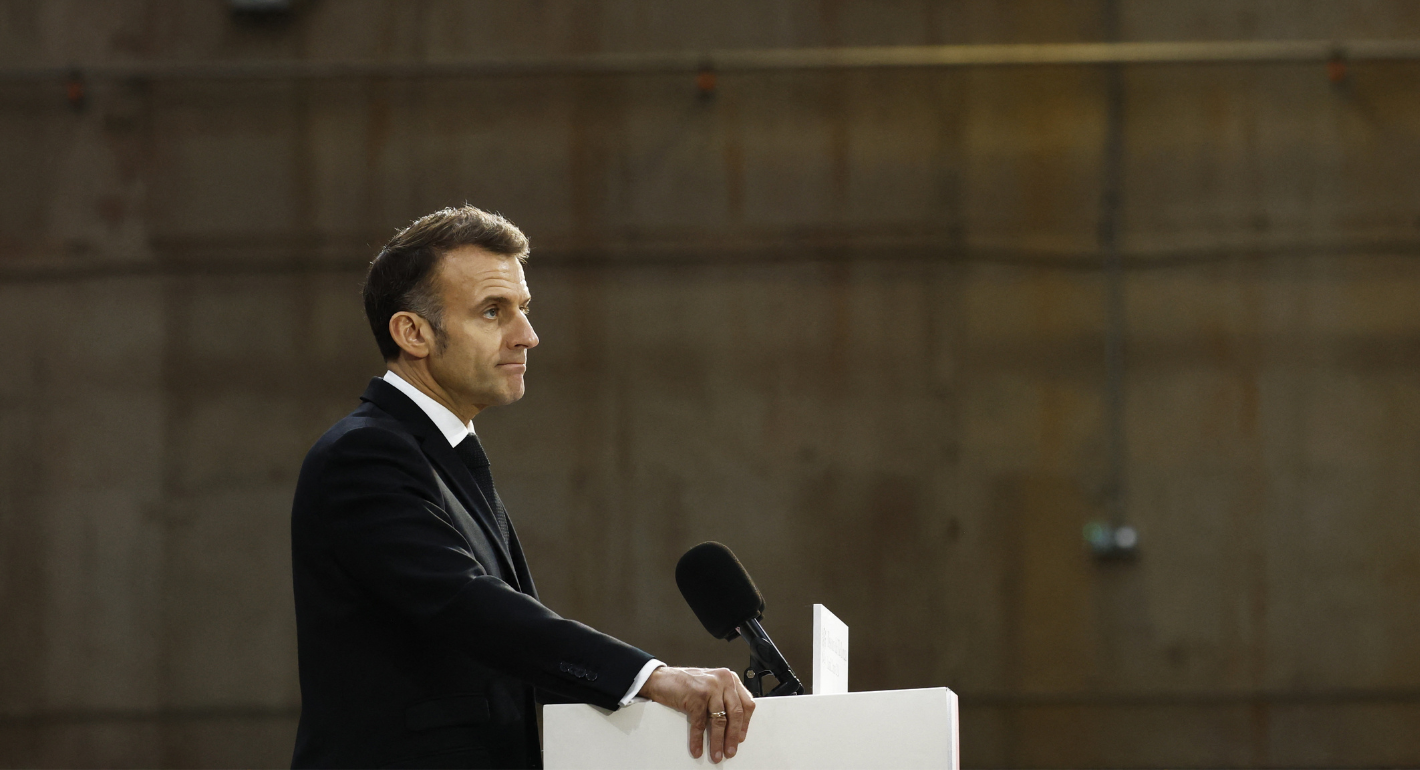
French President Emmanuel Macron has unveiled his country’s new nuclear doctrine. Are the changes he has made enough to reassure France’s European partners in the current geopolitical context?

Rym Momtaz, ed.
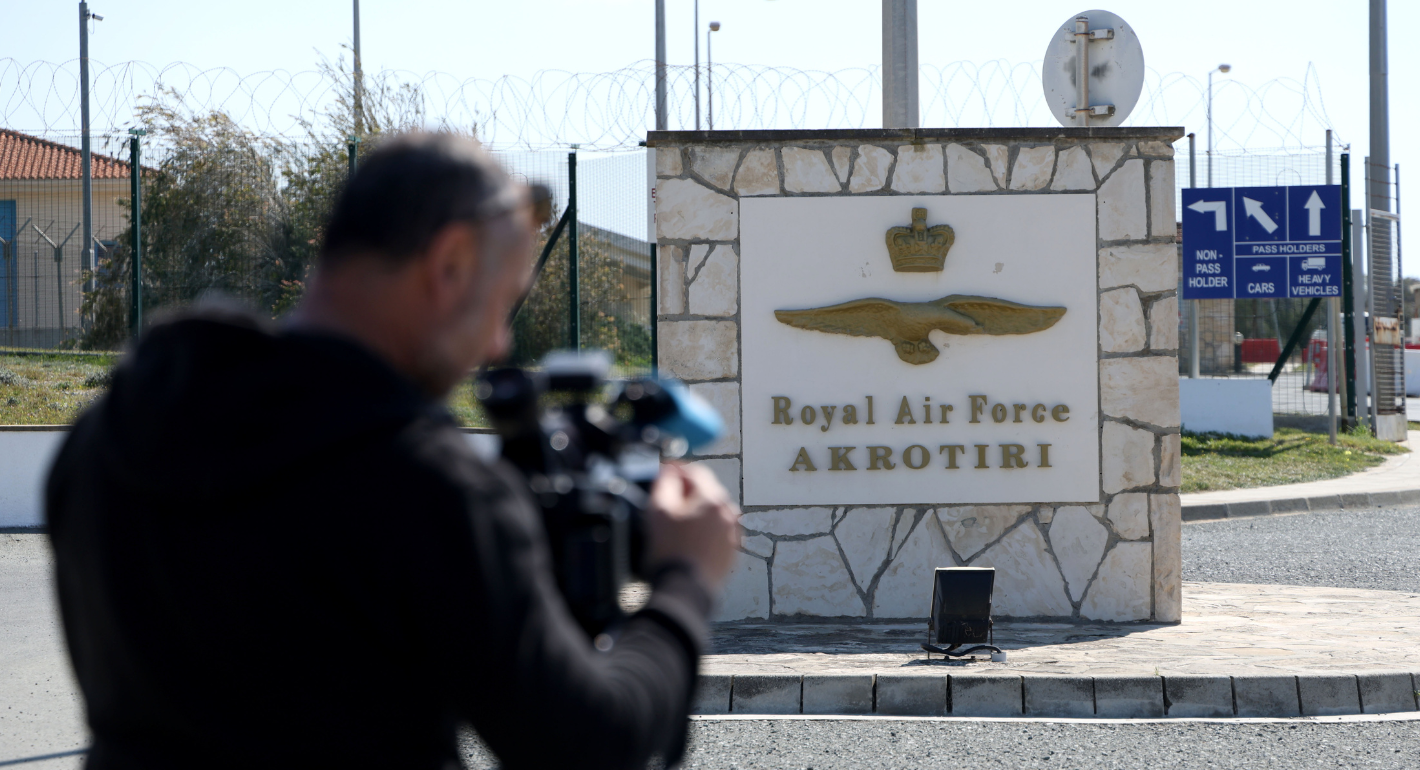
The drone strike on the British air base in Akrotiri brings Europe’s proximity to the conflict in Iran into sharp relief. In the fog of war, old tensions in the Eastern Mediterranean risk being reignited, and regional stakeholders must avoid escalation.

Marc Pierini
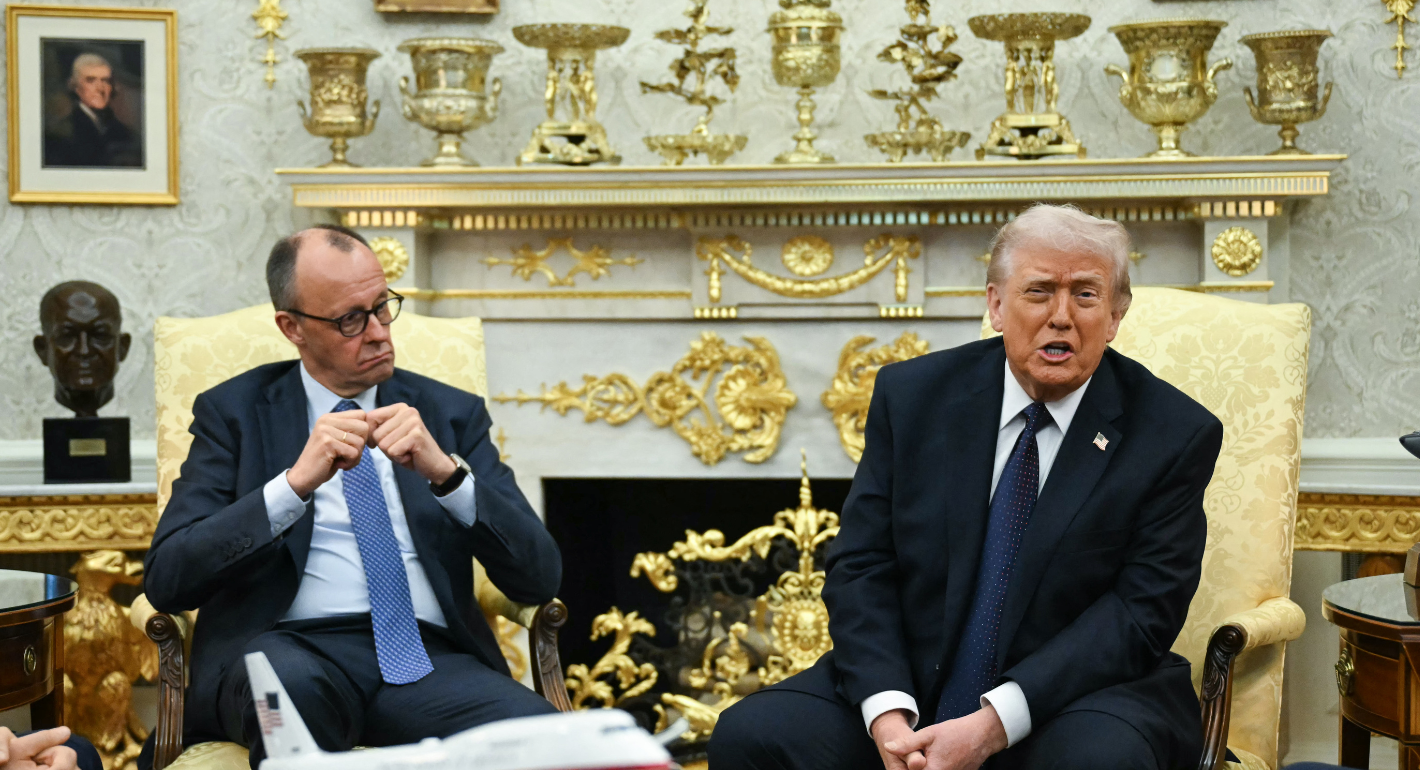
European reactions to the war in Iran have lost sight of wider political dynamics. The EU must position itself for the next phase of the crisis without giving up on its principles.

Richard Youngs
For years, the United States anchored global cyber diplomacy. As Washington rethinks its leadership role, the launch of the UN’s Cyber Global Mechanism may test how allies adjust their engagement.
Patryk Pawlak, Chris Painter
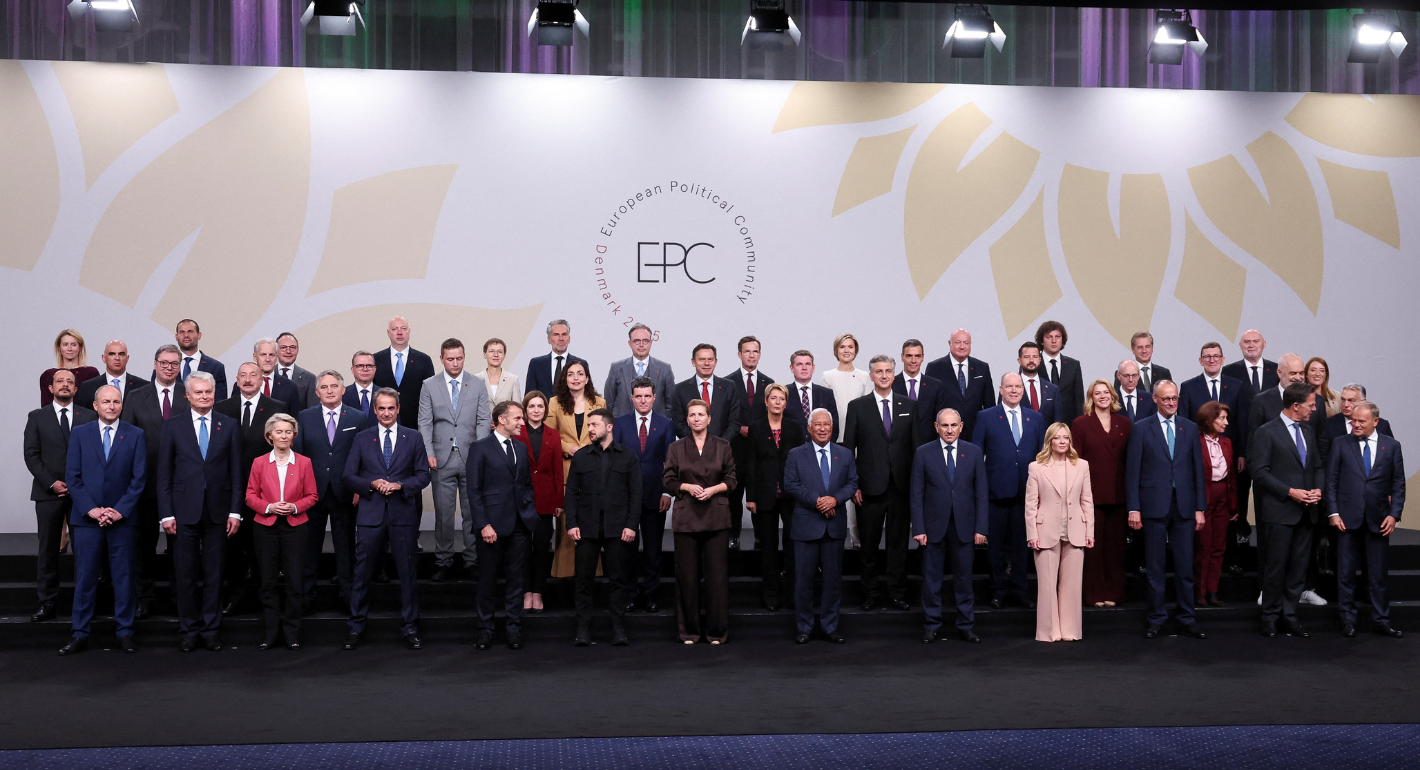
Europe isn’t as weak in the new geopolitics of power as many would believe. But to leverage its assets and claim a sphere of influence, Brussels must stop undercutting itself.

Dimitar Bechev