

Commentary
- +1
Paul Haenle, Xue Gong, Ngeow Chow Bing, …
{
  "authors": [
    "Paul Haenle"
  ],
  "type": "legacyinthemedia",
  "centerAffiliationAll": "dc",
  "centers": [
    "Carnegie Endowment for International Peace",
    "Carnegie China"
  ],
  "collections": [
    "China’s Foreign Relations"
  ],
  "englishNewsletterAll": "asia",
  "nonEnglishNewsletterAll": "",
  "primaryCenter": "Carnegie China",
  "programAffiliation": "AP",
  "programs": [
    "Asia"
  ],
  "projects": [],
  "regions": [
    "East Asia",
    "China",
    "North Korea"
  ],
  "topics": [
    "Security",
    "Nuclear Policy",
    "Arms Control"
  ]
}
Source: Getty
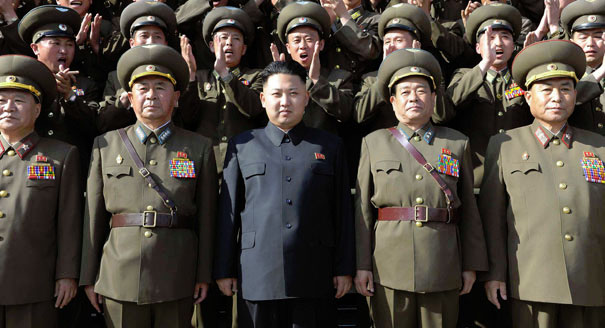
North Korea’s successful missile launch and recent nuclear test may have been tactical victories for Kim Jong Un, but they may also be the first step in North Korea losing its strongest ally and lifeline.
Source: World Politics Review
For the past four years, China has consistently shielded North Korea from efforts to impose further international sanctions and to heighten Pyongyang’s diplomatic isolation in response to Pyongyang’s repeated provocations on the Korean Peninsula. That support, however, did not stop North Korea from conducting its third nuclear test earlier this month in direct defiance of Beijing’s appeals, with news of the test interrupting the new Chinese leadership’s observance of China’s most important holiday on Feb. 12.
Debate about the diminishing value of Beijing’s support for and alliance with North Korea was already occurring among Chinese policymakers, academics and citizens. In recent years, especially in the aftermath of Kim Jong Il’s death, this debate has been dominated by the People’s Liberation Army and Chinese Communist Party organizations, such as the International Liaison Department, which favor the unconditional backing of the Kim regime. These key drivers of Chinese policy have powerfully and consistently argued that the cost of North Korean nuclear proliferation for regional security and China’s international image is outweighed by the potential consequences for China of stronger pressure or sanctions on North Korea. The latter are seen as including a collapse of the North Korean state, resulting in a flood of refugees across Chinese borders; a reunification of the Koreas, which would eliminate the buffer between China and one of the United States’ closest allies; and the possibility of Pyongyang engaging in further acts of aggression.Based on this calculus, Beijing has favored delicate diplomacy, economic engagement and maintaining the status quo on the Korean Peninsula. However, the December 2012 missile test and this month’s nuclear test are forcefully reshaping this critical debate within the Chinese system, redefining its contours to favor a different set of Chinese authorities, who are calling for greater cooperation with the United States and its allies. As the Chinese leadership continues to allow Pyongyang’s nuclear aspirations to go unchecked, three significant long-term consequences of inaction are coming to the fore that undercut traditional arguments and may be causing China’s new leadership to recalculate the benefits and burdens of their country’s historical relationship with North Korea.
First, China’s approach to relations with the North Korean regime to date appears to run counter to incoming President Xi Jinping’s vision of a Chinese leadership role in the Asia-Pacific. China’s desire to consolidate its regional influence is undermined by North Korea’s irresponsible behavior. How can China be the guarantor of Asia-Pacific security at the same time it tolerates, and even accommodates, North Korea’s reckless provocations and dangerous proliferation breakthroughs? The regional role to which China aspires may ultimately force Beijing to rein in Pyongyang.
Second, North Korean belligerence is advancing a regional arms race and further inflaming tensions between China and its neighbors. North Korea’s most recent nuclear test will likely lead the United States to accelerate the development of regional ballistic missile defense systems for Japan and South Korea, while also causing these U.S. allies to make other decisions about their own security that China will find counter to its interests. North Korean provocations also push Japan and South Korea closer to Washington and, in the absence of Chinese leadership, position the U.S. as the key guarantor of security and order of the Asia-Pacific region.
Finally, although China continues to resist adopting a more active diplomatic role internationally, it is devoting a great deal of energy and resources to public diplomacy efforts aimed at enhancing China’s image and soft power around the world. The continuing narrative that North Korea defies China, one of the North’s only allies, at every turn, and that Beijing can’t persuade Pyongyang to be a stable and constructive actor in the region, cuts across Beijing’s goals of consolidated regional influence and eventual global great power status. Up until this point, China has acted as the chair of the Six-Party Talks, which have served as the legitimate venue for addressing North Korean nuclear proliferation. The region looks to China to provide leadership on this issue. North Korea’s defiance is an untenable burden and a roadblock in the development of China’s image as a credible and strong global leader.
While some have concluded that Pyongyang’s successful December missile launch and recent nuclear test were tactical victories for Kim Jong Un, I would argue that they may represent a Pyrrhic victory for the Kim regime -- the first step in North Korea losing its strongest ally and lifeline.
To be sure, China will not abandon its rogue ally anytime soon and will remain cautious in its response to these and any future provocations to avoid causing further instability. However, North Korea’s nuclear test is lending legitimacy to those in Beijing who argue that Pyongyang is becoming more of a liability than an asset, in turn creating the conditions for greater U.S.-China cooperation in dealing with an increasingly destabilizing situation. Significantly, this debate is stirring at precisely the same time that Xi and the new Chinese leadership are taking the reins of power. The timing could provide crucial leverage for those in the Chinese system who favor closer cooperation with the U.S. and other participants in the Six-Party Talks.
Washington needs to capitalize on this window of opportunity to help shape the debate within China and deepen U.S.-China cooperation, as doing so will be the key to making progress on one of the most serious threats to international peace and stability.
This piece was originally published on World Politics Review.

Former Maurice R. Greenberg Director’s Chair, Carnegie China
Paul Haenle held the Maurice R. Greenberg Director’s Chair at the Carnegie Endowment for International Peace and is a visiting senior research fellow at the East Asian Institute, National University of Singapore. He served as the White House China director on the National Security Council staffs of former presidents George W. Bush and Barack Obama.
Recent Work


Paul Haenle, Xue Gong, Ngeow Chow Bing, …

Paul Haenle, Chong Ja Ian
Carnegie does not take institutional positions on public policy issues; the views represented herein are those of the author(s) and do not necessarily reflect the views of Carnegie, its staff, or its trustees.

European states control several Overseas Countries and Territories around the world that carry strategic, economic, and environmental weight. As great powers challenge the rules-based order, defending them is a geopolitical imperative for Europe.

Marc Pierini

The hybrid warfare landscape is evolving rapidly, leaving policymakers without clear strategies. To better inform their work in addressing emerging challenges, governments must dig deeper into the underlying dynamics at play.


Raluca Csernatoni, Alicia Wanless

Mounting economic strain and battlefield losses will not necessarily make the Kremlin less dangerous. They could instead push Moscow toward a more aggressive hybrid campaign designed to test NATO’s Eastern flank, exploit allied hesitation, and fracture European resolve.

Maksym Beznosiuk

Over the past ten years, NATO has held almost as many summits as it did during the entirety of the Cold War. Are they still useful, or is it time to stop holding annual meetings?

Rym Momtaz, ed.
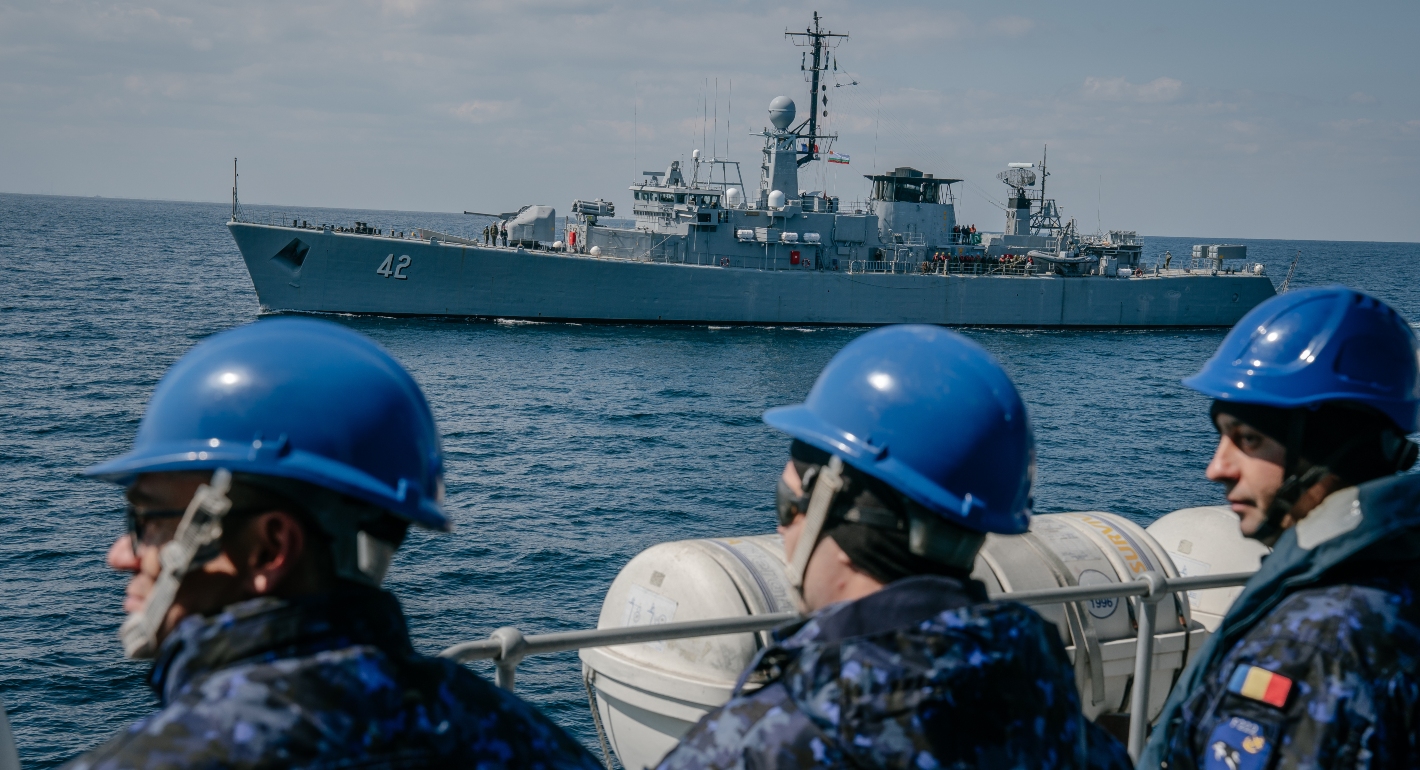
As Russia's war on Ukraine drags on, NATO is expanding its footprint in the Black Sea. Turkey, Romania, and Bulgaria are upgrading their fleets and deepening trilateral cooperation.

Dimitar Bechev