

Q&A
Suzanne Maloney, Aaron David Miller, Karim Sadjadpour
{
  "authors": [
    "Karim Sadjadpour"
  ],
  "type": "legacyinthemedia",
  "centerAffiliationAll": "dc",
  "centers": [
    "Carnegie Endowment for International Peace",
    "Malcolm H. Kerr Carnegie Middle East Center"
  ],
  "collections": [],
  "englishNewsletterAll": "menaTransitions",
  "nonEnglishNewsletterAll": "",
  "primaryCenter": "Carnegie Endowment for International Peace",
  "programAffiliation": "MEP",
  "programs": [
    "Middle East"
  ],
  "projects": [],
  "regions": [
    "Middle East",
    "Iran",
    "Syria",
    "Levant"
  ],
  "topics": [
    "Political Reform",
    "Security",
    "Foreign Policy"
  ]
}
Source: Getty
As long as Iran sees itself embroiled in a zero-sum game in Syria, a half-way meeting point, however desirable, will likely remain elusive.
Source: New York Times
Chinese philosopher Sun Tzu famously advised that during times of conflict, “build your opponent a golden bridge to retreat across."
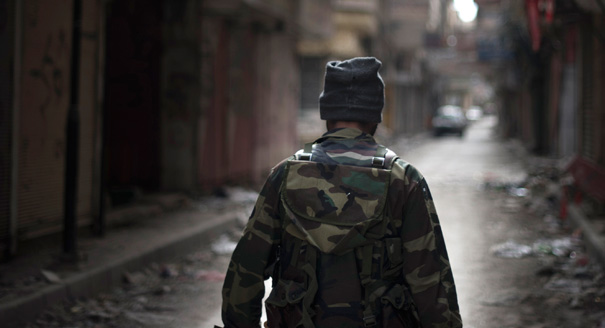
As America contemplates military force against the Assad regime in Syria, is there a potential golden bridge or dignified accommodation to offer Iran, Bashar al-Assad’s indispensable supporter?Iran considers Syria its key geopolitical ally — a partner in an “Axis of Resistance” — and its critical geographic link to the Lebanese Shiite militia Hezbollah, Tehran’s prized regional asset.
While the arrival of more pragmatic Iranian politicians — namely President Hassan Rouhani and U.S.-educated foreign minister Javad Zarif — has understandably renewed hopes for diplomacy with Tehran, Iran’s alliance with Syria has long been maintained by the country’s Revolutionary Guards, not its diplomats.
Qassim Suleimani, the commander believed to manage Iranian operations in Syria, just yesterday declared that Tehran “will support Syria to the end.” Even more moderate figures, like former president, Ali Akbar Hashemi Rafsanjani, have implored continued support for Syria as a bulwark against Israel.
In this context, successful diplomatic engagement with Iran is hampered by the fact that outside powers — be it the U.S., Russia, or the Arab world — cannot offer Tehran assurances that a post-Assad government in Syria will remain friendly to Iranian interests.
Tehran's complicity in helping Assad kill tens of thousands of rebels has significantly diminished this prospect.
Ironically, the collapse of the Assad regime would produce a common interest for Washington and Tehran in making sure that radical Sunni Islamists, who hate Shiite Iran even more than America, do not rule Damascus.
Until then, as long as Iran sees itself embroiled in a zero-sum game in Syria, a half-way meeting point, however desirable, will likely remain elusive.
This article was originally published in the New York Times.

Senior Fellow, Middle East Program
Karim Sadjadpour is a senior fellow at the Carnegie Endowment for International Peace, where he focuses on Iran and U.S. foreign policy toward the Middle East.
Recent Work


Suzanne Maloney, Aaron David Miller, Karim Sadjadpour

Aaron David Miller, Karim Sadjadpour, Robin Wright
Carnegie does not take institutional positions on public policy issues; the views represented herein are those of the author(s) and do not necessarily reflect the views of Carnegie, its staff, or its trustees.
There is an elephant in the room when it comes to the EU’s upcoming security strategy: Donald Trump. Unless European leaders acknowledge the depth of the transatlantic crisis, true autonomy will remain out of reach.

Stefan Lehne
Europe’s industrial supply chains leave it vulnerable to global shocks. The EU needs a pragmatic green industrial strategy that balances durable partnerships and bolsters homegrown clean tech without sacrificing low-carbon ambition.
Milo McBride, Pauline Gerard
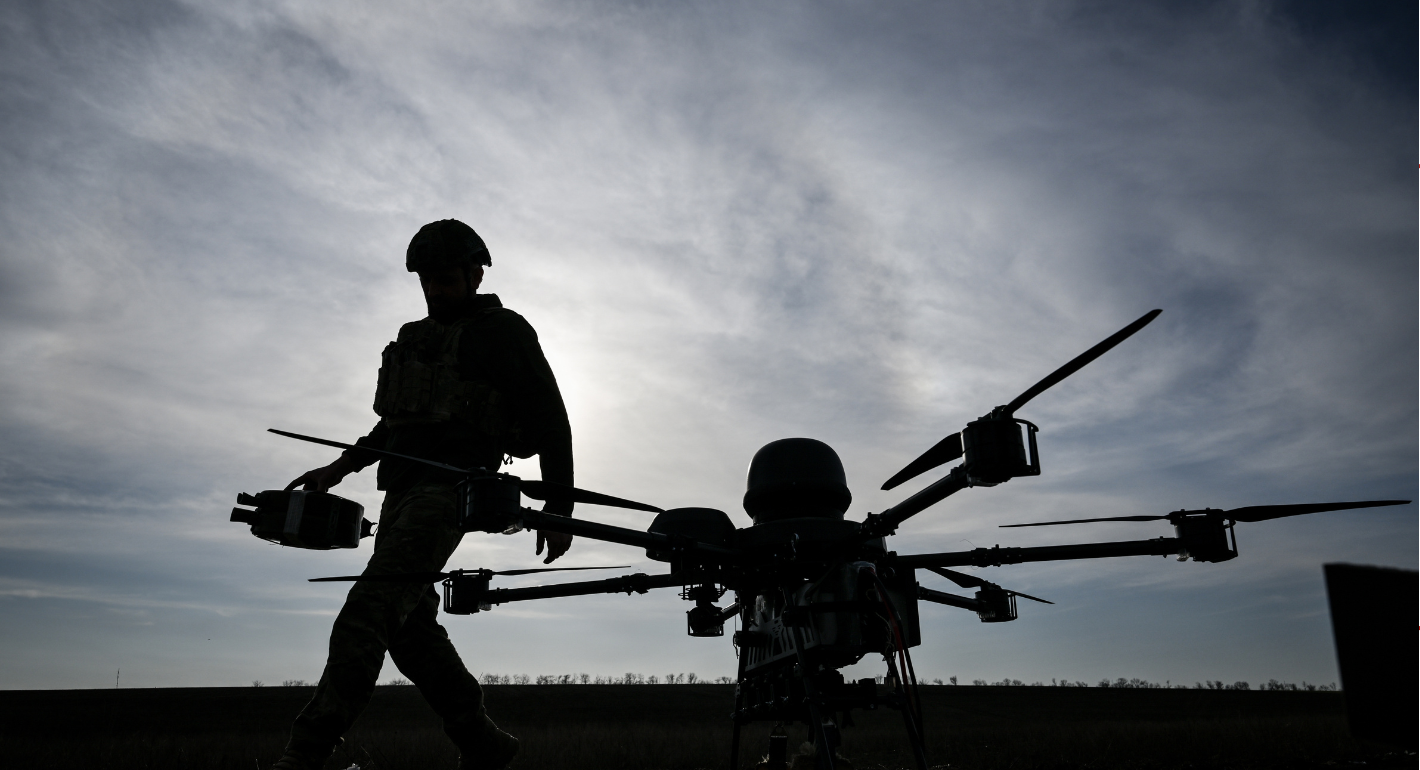
Defense tech innovations will be at the heart of Europe’s new security strategy. But so far, Brussels has been making moves without a broader plan, undermining readiness and credibility.

Raluca Csernatoni

When the U.S.-Iran memorandum of understanding was announced, the UK, France, Germany, and Italy declared their readiness to help demine the Strait of Hormuz and lift nuclear sanctions on Tehran. But does Europe need new tools to recover a diplomatic role?

Rym Momtaz, ed.
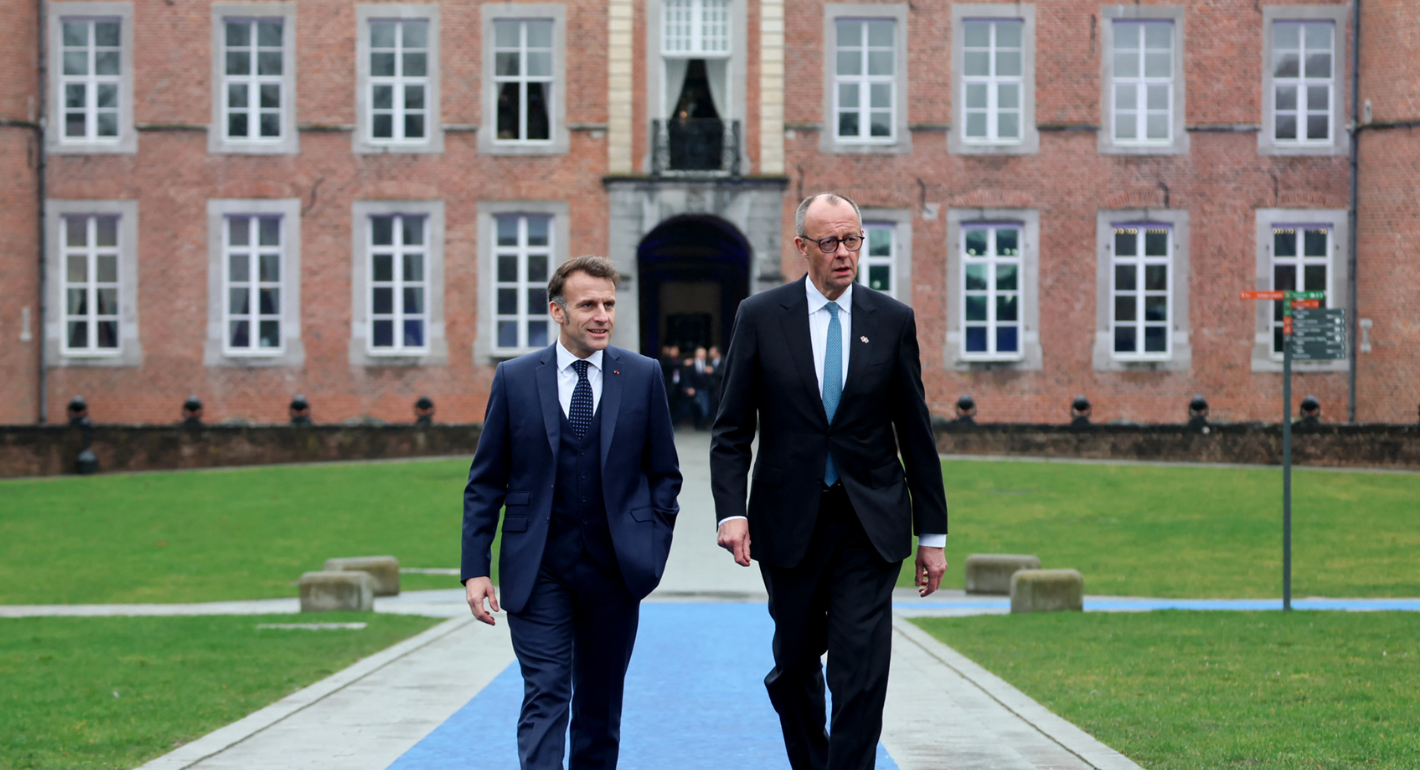
The Franco-German relationship is on the rocks again. But unlike previous moments of tension, the epochal changes on the world stage require that both step up investment in their bilateral ties.
Rym Momtaz