

Commentary
The EU’s new migration policy is not suited to today’s realities. With climate change increasingly becoming a driver of displacement, Europe needs to rethink its deterrence-focused approach.
Shana Tabak
{
  "authors": [
    "Vladimir Dvorkin"
  ],
  "type": "commentary",
  "centerAffiliationAll": "",
  "centers": [
    "Carnegie Endowment for International Peace",
    "Carnegie Russia Eurasia Center"
  ],
  "collections": [],
  "englishNewsletterAll": "",
  "nonEnglishNewsletterAll": "",
  "primaryCenter": "Carnegie Endowment for International Peace",
  "programAffiliation": "",
  "programs": [],
  "projects": [],
  "regions": [
    "North America",
    "United States",
    "Russia"
  ],
  "topics": [
    "Security",
    "Military",
    "Foreign Policy",
    "Nuclear Policy",
    "Arms Control"
  ]
}
Source: Getty
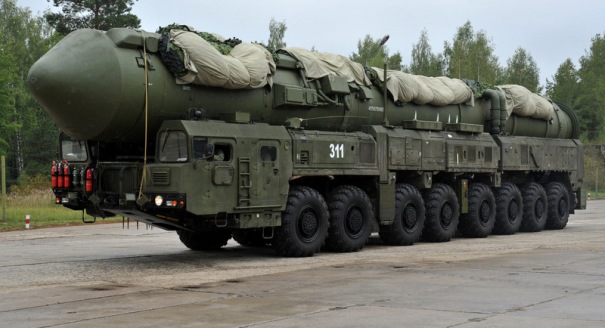
The recent reports in the U.S. media suggest that Russia has violated the INF Treaty seem to echo, at a new stage, previous claims made almost six months ago. At that time, questions arose in connection with the Rubezh missile flight tests and assumptions were made that the Rubezh missiles are actually intermediate-range missiles.
The recent reports in the U.S. media suggest that Russia has violated the INF Treaty seem to echo, at a new stage, previous claims made almost six months ago. At that time, questions arose in connection with the Rubezh missile flight tests and assumptions were made that the Rubezh missiles are actually intermediate-range missiles. The allegations were triggered by a multiple-warhead missile launch from the Kapustin Yar missile base to the Balkhash area at an INF-range distance.
However, a single-warhead missile of this type was launched from Plesetsk to Kura, which is a strategic distance. According to the conclusions in the U.S. Air Force Intelligence Report, as explained by Hans M. Kristensen of the Federation of American Scientists, the missile was tested at intercontinental range. This rebuts the claims that Russia is violating the INF Treaty.
In the same manner, similar allegations can be leveled against any intercontinental ballistic missile (ICBM) the range of which virtually completely overlaps that of the intermediate-range missiles; in fact, ICBM tests to INF range and minimal range have always been conducted.
Vladimir Dvorkin, Major General (Ret.)., is a chief researcher at the Center for International Security at the Russian Academy of Sciences' Institute of World Economy and International Relations.
Vladimir Dvorkin
Major General Dvorkin (retired) is a chief researcher at the Center for International Security at the Institute of World Economy and International Relations.
Carnegie does not take institutional positions on public policy issues; the views represented herein are those of the author(s) and do not necessarily reflect the views of Carnegie, its staff, or its trustees.
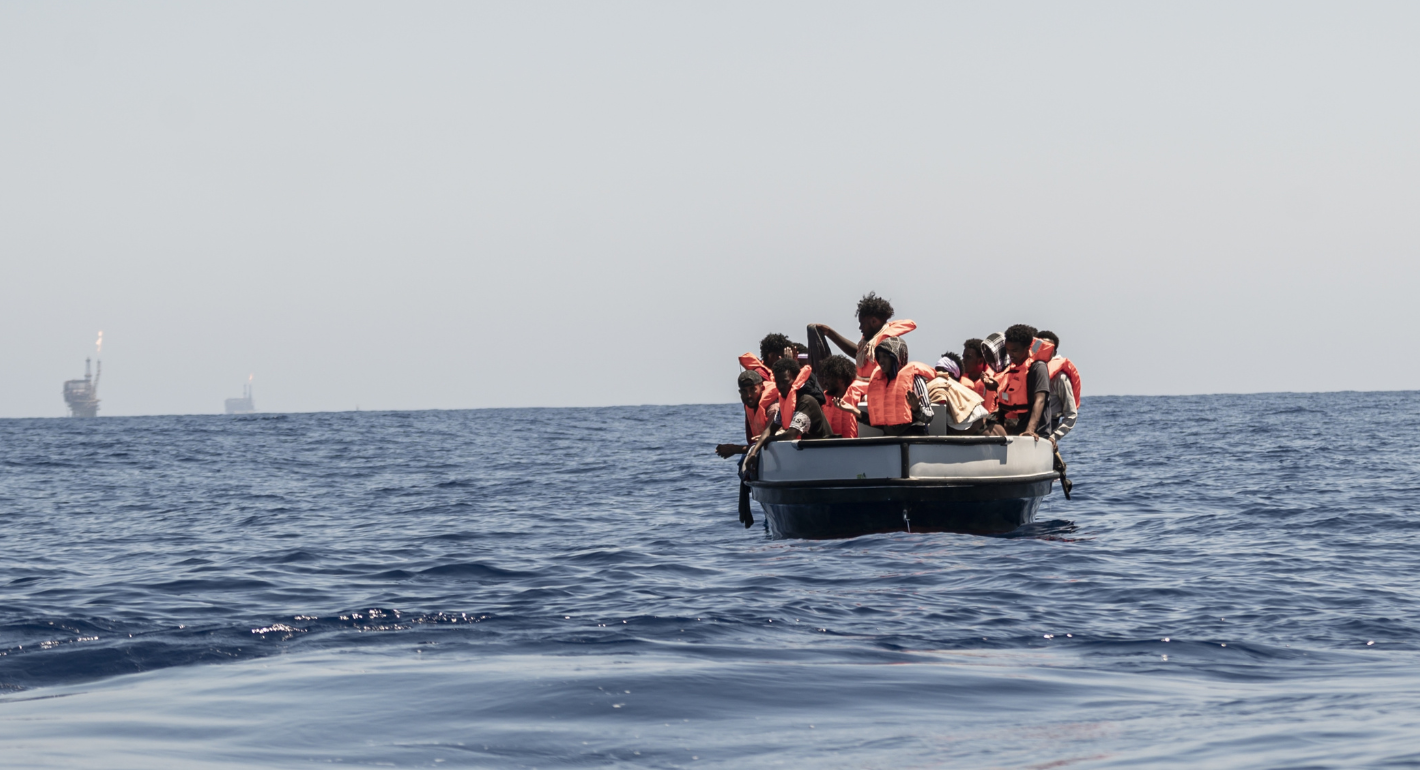
The EU’s new migration policy is not suited to today’s realities. With climate change increasingly becoming a driver of displacement, Europe needs to rethink its deterrence-focused approach.

Shana Tabak

The battle over free speech has taken center stage since U.S. Vice President JD Vance accused Europe of censorship. From travel bans to social media regulation, especially around the Israel-Palestine conflict, are liberal democratic governments weaponizing free speech?

Rym Momtaz, ed.
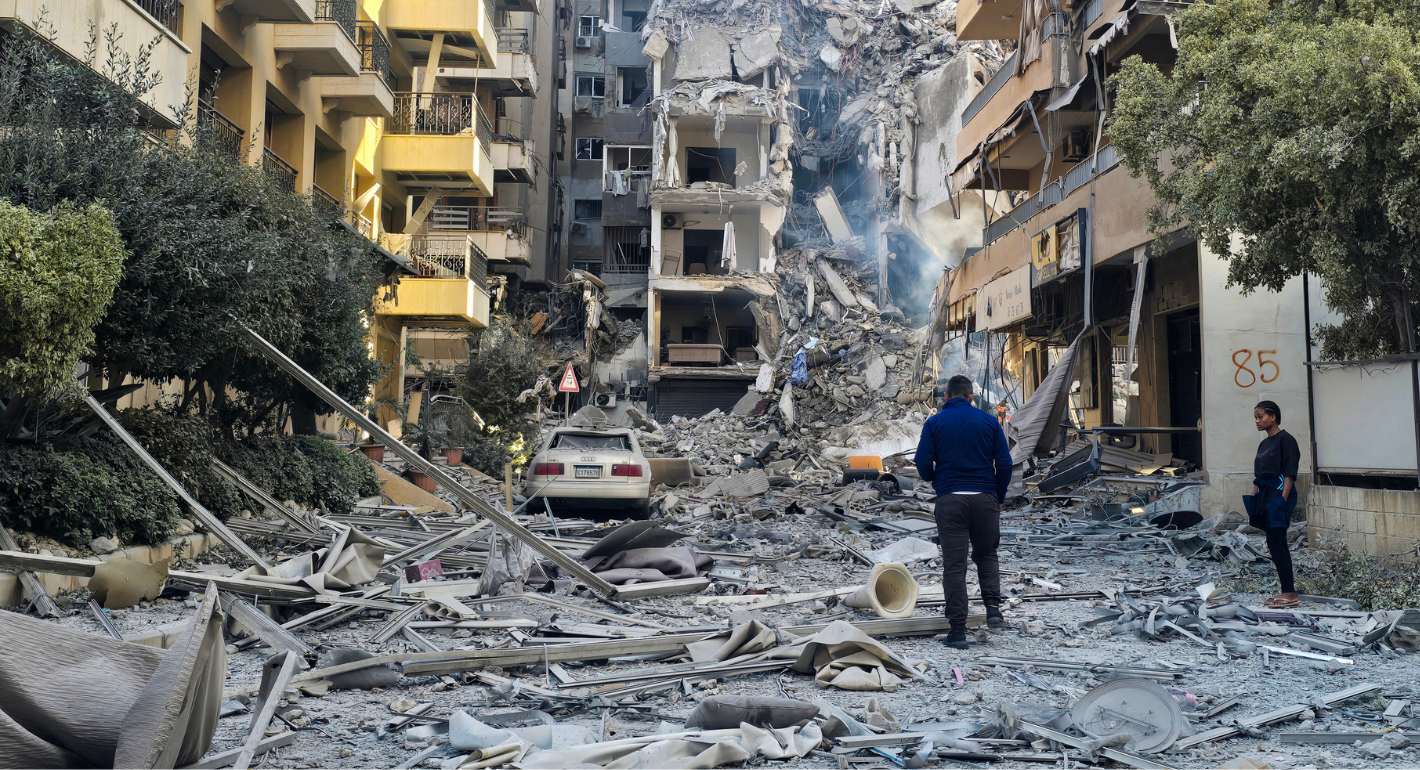
Europe seems to have accepted its sidelining in the Middle East. The EU must reassert its support for the international rules-based order and step up engagement.
Rym Momtaz
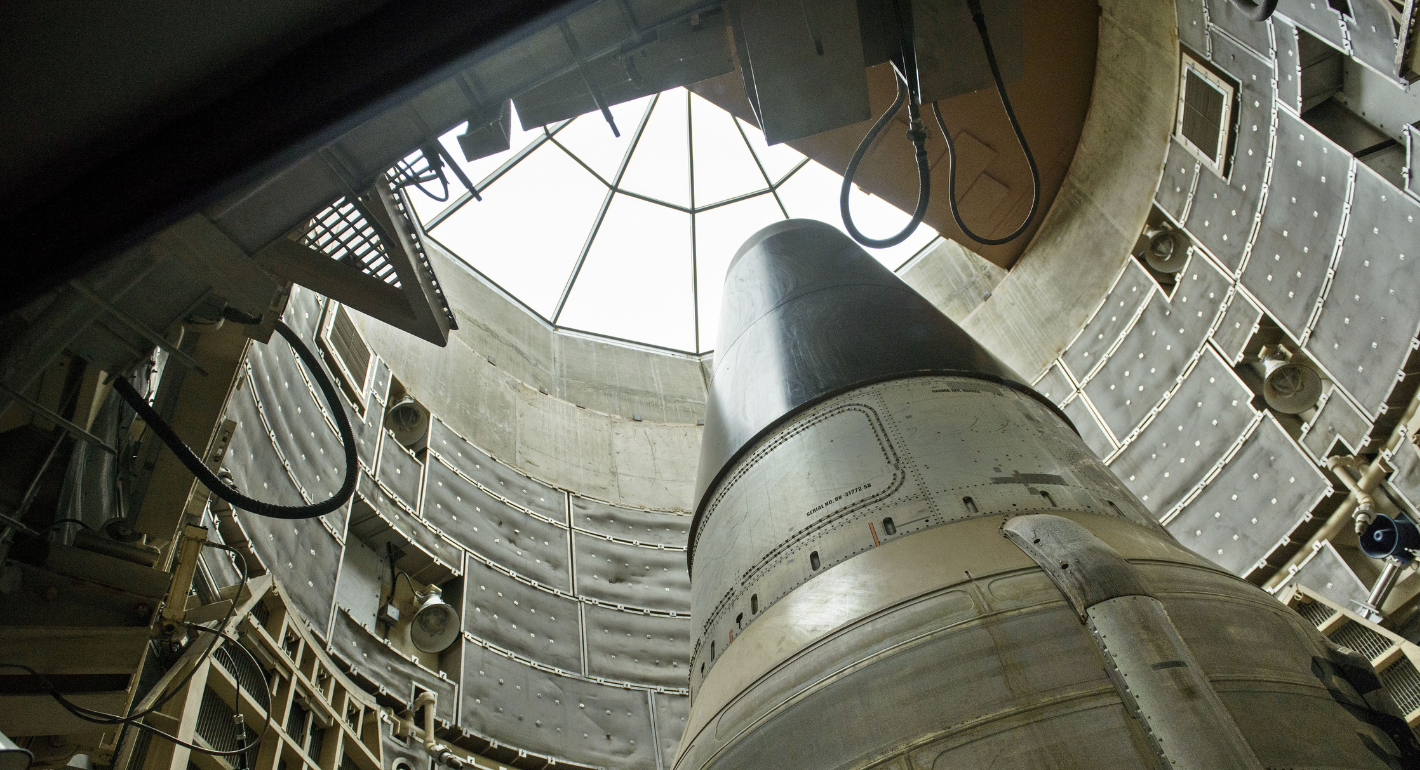
Amid uncertainty caused by the Iran war, the global drive for nonproliferation has stalled. With Europe diplomatically marginalized and countries reassessing their nuclear options, efforts to curb the spread of nuclear weapons risk becoming irrelevant.

Jane Darby Menton
Between the United States’ market-driven approach and China's state-led industrial strategy, Europe is reckoning with how it can remain competitive in the global economy. But is Europe in danger of becoming a U.S. or China colony?


Noah Barkin, Anu Bradford