

Article
Wang Tao
{
  "authors": [
    "Wang Tao"
  ],
  "type": "legacyinthemedia",
  "centerAffiliationAll": "",
  "centers": [
    "Carnegie Endowment for International Peace",
    "Carnegie China"
  ],
  "collections": [],
  "englishNewsletterAll": "",
  "nonEnglishNewsletterAll": "",
  "primaryCenter": "Carnegie China",
  "programAffiliation": "",
  "programs": [],
  "projects": [],
  "regions": [
    "East Asia",
    "China"
  ],
  "topics": [
    "Climate Change"
  ]
}
Source: Getty
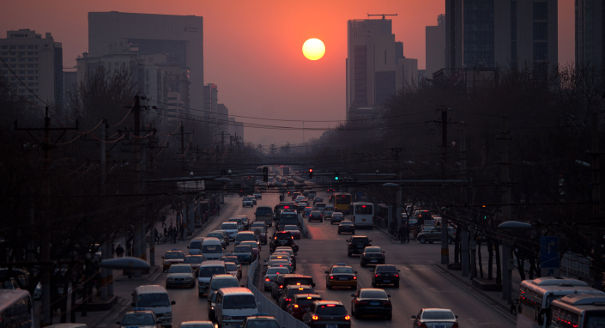
While Beijing has made some progress in combating air pollution, the problem lies in the country’s development model as China adjusts its emission control per unit of GDP growth.
Source: CCTV News
Carnegie–Tsinghua’s Wang Tao spoke with CCTV’s China 24 about his views on China’s new carbon emission goals. Wang commented that China’s new carbon emission targets differed from the initial ones set in 2005. The new goals are divided into two sub-targets: the reduction of carbon intensity by 17 percent and the increase renewable targets of non-fossil energy by 11.4 percent within a five year period.
Wang further explained how these targets play a role in China’s overall development plan and use of new green technology. He questioned the seemingly negligible influence these targets have on Beijing’s very visible smog problem. Wang stated that while progress has been made, the problem lies in the development model as China adjusts its emission control per unit of GDP growth. Consequently, as China’s GDP increases the amount of pollution allotment increases as well. The key to solving this issue is to strengthen the current model in order to prevent the pollution from increasing as GDP continues to rise.
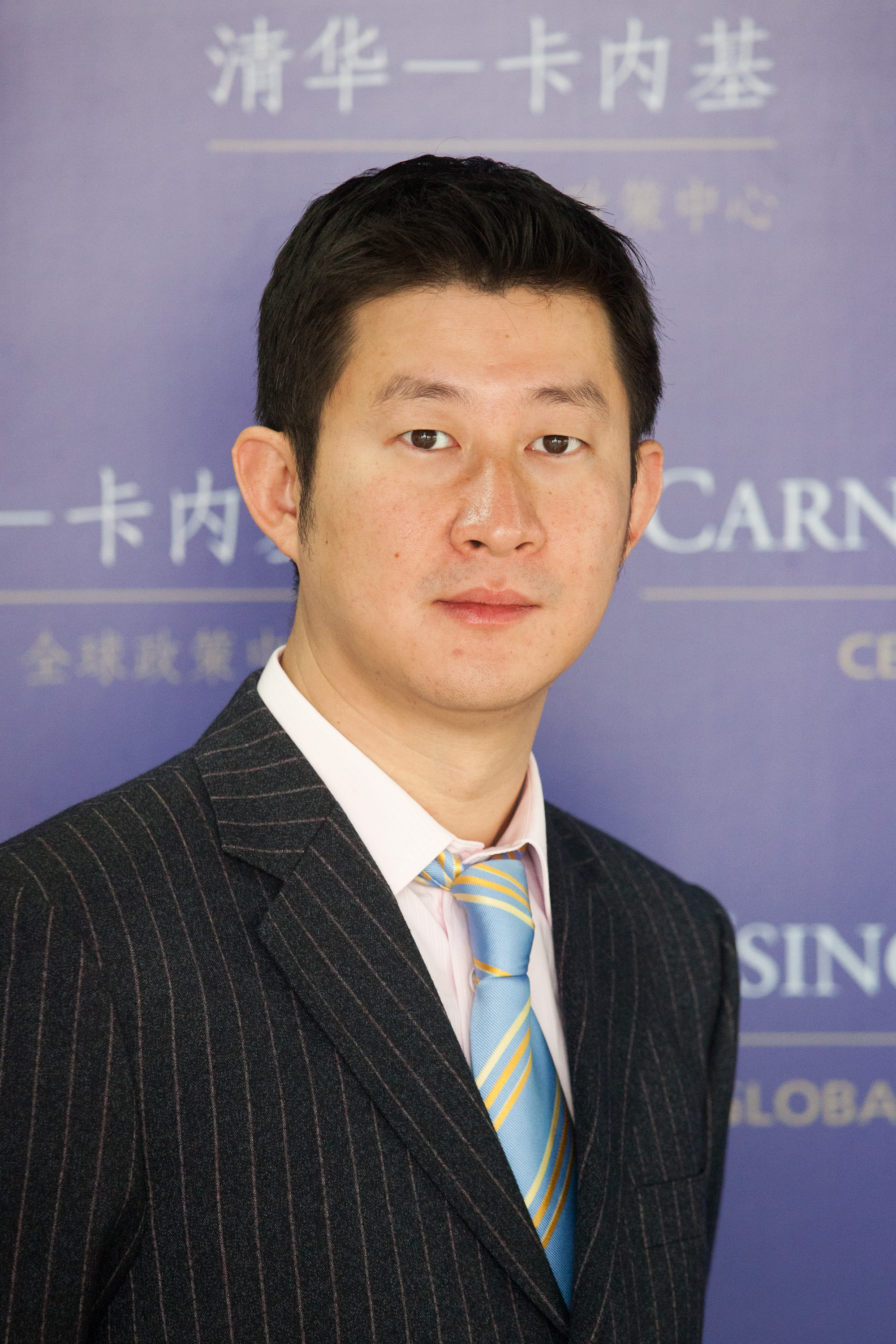
Former Nonresident Scholar, Carnegie-Tsinghua Center for Global Policy
Wang Tao was a nonresident scholar in the Energy and Climate Program based at the Carnegie–Tsinghua Center for Global Policy.
Recent Work
Wang Tao
Wang Tao, Yang Yifang
Carnegie does not take institutional positions on public policy issues; the views represented herein are those of the author(s) and do not necessarily reflect the views of Carnegie, its staff, or its trustees.
The hybrid warfare landscape is evolving rapidly, leaving policymakers without clear strategies. To better inform their work in addressing emerging challenges, governments must dig deeper into the underlying dynamics at play.


Raluca Csernatoni, Alicia Wanless

Western Europe’s dual-use infrastructure melted down during its latest heat wave. If a predicted hot weather event can take the continent by surprise, what chance does it have to withstand unexpected geopolitical crises?

Rym Momtaz
Europe’s industrial supply chains leave it vulnerable to global shocks. The EU needs a pragmatic green industrial strategy that balances durable partnerships and bolsters homegrown clean tech without sacrificing low-carbon ambition.


Milo McBride, Pauline Gerard
As geopolitical rivalry weaponizes global supply chains, the EU’s true vulnerability lies in emerging-risk imports. For these goods, suppliers are growing more concentrated, substitution more difficult, and political risk is looming.

Sinan Ülgen

The EU’s new migration policy is not suited to today’s realities. With climate change increasingly becoming a driver of displacement, Europe needs to rethink its deterrence-focused approach.

Shana Tabak