

Other
Michael D. Swaine
{
  "authors": [
    "Michael D. Swaine"
  ],
  "type": "legacyinthemedia",
  "centerAffiliationAll": "dc",
  "centers": [
    "Carnegie Endowment for International Peace",
    "Carnegie China"
  ],
  "collections": [
    "China’s Foreign Relations"
  ],
  "englishNewsletterAll": "asia",
  "nonEnglishNewsletterAll": "",
  "primaryCenter": "Carnegie China",
  "programAffiliation": "AP",
  "programs": [
    "Asia"
  ],
  "projects": [],
  "regions": [
    "North America",
    "United States",
    "East Asia",
    "China",
    "Japan"
  ],
  "topics": [
    "Security",
    "Arms Control",
    "Foreign Policy"
  ]
}
Source: Getty
Beijing needs to clarify how it will treat surveillance aircraft and other potentially “threatening” military planes that are transiting the air defense zone but not heading toward Chinese airspace.
Source: BBC
Relations have fluctuated somewhat after a very tense period following the Japanese purchase of several of the islands in September 2012.
Various incidents have taken place (for example, a Chinese frigate apparently locking its weapons-targeting radar onto a Japanese destroyer in February 2013, an exchange of sharp words over possible overflights of the islands by Chinese drones in October, various sharp exchanges from officials during the year), but leaders on both sides have also indicated that they would like to reduce tensions, and discussions have occurred at various times over possible ways to open talks aimed at reducing tensions.
Moreover, the number of incidents prompted by Chinese air and sea incursions near the islands has dropped from the highpoint of late 2012. The latest incident (China's announcement of an ADIZ in the East China Sea) has again increased the level of tension, however, making movement toward tension-reducing talks less likely in at least the short-term.
The ADIZ declaration clearly undermines any movement toward a mutual reduction in tension. Despite Chinese protestations to the contrary, the announcement is being viewed by US, Japanese and other observers as provocative and unhelpful.
Since the ADIZ encompasses the Senkaku-Diaoyu Islands, it is feared that it could now be used as a justification for more regular intercepts of Japanese aircraft approaching those islands, thus increasing the likelihood of an incident. Equally troublesome, the ADIZ could also be used to justify more aggressive Chinese responses to foreign military aircraft transiting the zone, even when they are not heading toward Chinese airspace.
Beijing has thus far sent mixed messages regarding how aggressive it might be, for example, in intercepting foreign military aircraft on surveillance missions within the airspace.
Although Beijing has at times in the past sent fighters to intercept such flights along China's coast, sometimes employing aggressive, close-in manoeuvres designed to push back the surveillance aircraft (one such action precipitated the so-called Hainan Incident of 2001 that resulted in the loss of life), the ADIZ might presage a more regular pattern of such interdiction efforts.
It is difficult to say how dangerous the situation is at present. Much depends on how Japan and the US react to the announcement through aircraft deployments. The US has already flown two B52s through the zone east of the islands, without incident.
But a more serious test would come over US or Japanese surveillance flights through the ADIZ, or when Japan sends fighters into the airspace over the islands. Such actions could prompt a greater-than-usual assertive Chinese response than might have occurred before the ADIZ announcement, which could increase the chances of an incident.
And as indicated, much will depend on how the Chinese implement the ADIZ. At the very least, the Chinese need to clarify, authoritatively, how they will treat surveillance aircraft and other potentially "threatening" (from their viewpoint) military aircraft that are transiting the zone but not heading toward Chinese airspace. Thus far, Chinese efforts at clarification have been unsuccessful.

Former Senior Fellow, Asia Program
Swaine was a senior fellow at the Carnegie Endowment for International Peace and one of the most prominent American analysts in Chinese security studies.
Recent Work
Michael D. Swaine
Michael D. Swaine
Carnegie does not take institutional positions on public policy issues; the views represented herein are those of the author(s) and do not necessarily reflect the views of Carnegie, its staff, or its trustees.

Trump is distracted and Ukraine wants Europe to step up. The continent’s leaders must find their voice and assert it in talks with Russia.

Alissa de Carbonnel

Mounting economic strain and battlefield losses will not necessarily make the Kremlin less dangerous. They could instead push Moscow toward a more aggressive hybrid campaign designed to test NATO’s Eastern flank, exploit allied hesitation, and fracture European resolve.

Maksym Beznosiuk
Over the past ten years, NATO has held almost as many summits as it did during the entirety of the Cold War. Are they still useful, or is it time to stop holding annual meetings?

Rym Momtaz, ed.
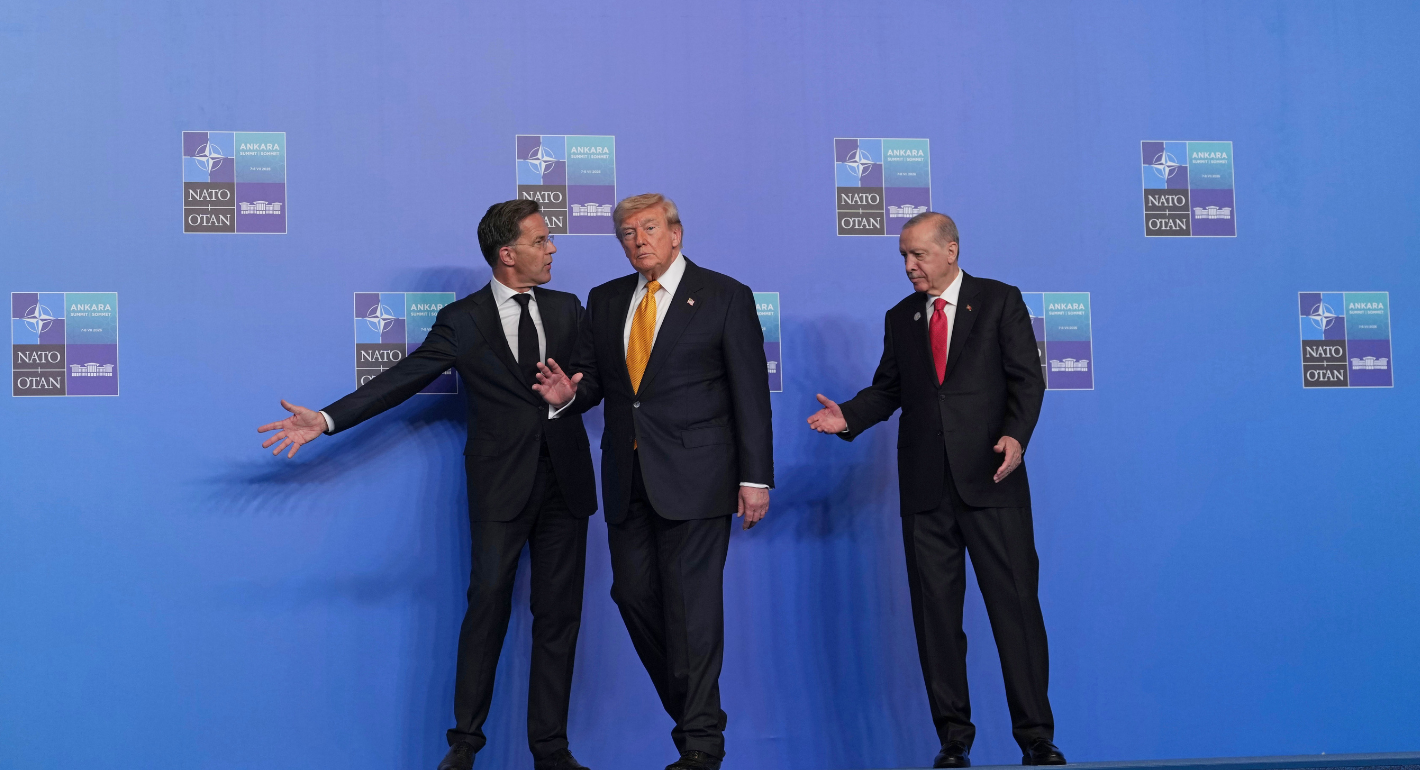
Nearly a year and a half after Europeans leaned into sucking up to Trump, the strategy has produced some benefits when it comes to Ukraine.
Rym Momtaz
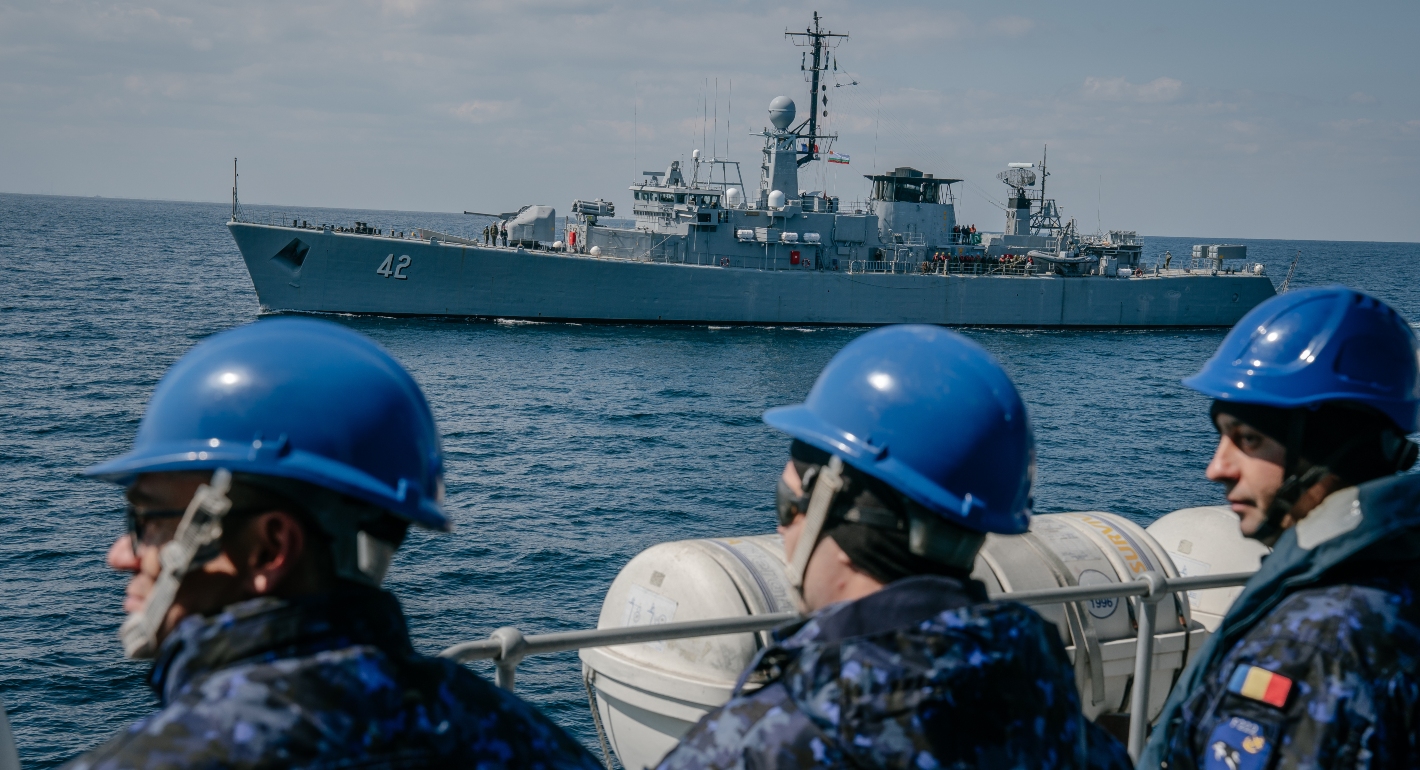
As Russia's war on Ukraine drags on, NATO is expanding its footprint in the Black Sea. Turkey, Romania, and Bulgaria are upgrading their fleets and deepening trilateral cooperation.

Dimitar Bechev